Managing Non-Motor Symptoms in Parkinson’s Disease
Discover effective strategies to address sleep issues, mood changes, digestive problems, and other hidden challenges of Parkinson's for improved daily living.
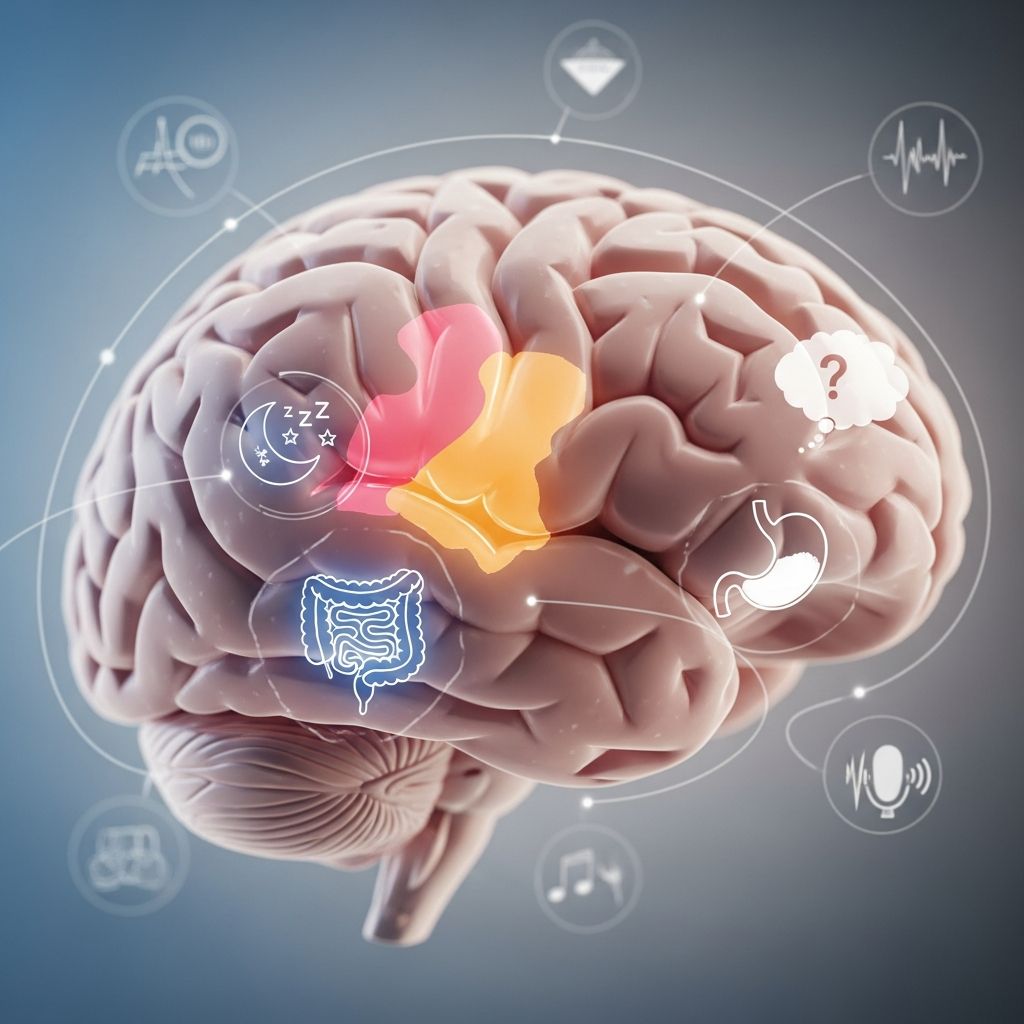
Parkinson’s disease extends far beyond visible tremors and stiffness, profoundly affecting daily life through a variety of non-motor symptoms that impact nearly all patients. These include disruptions in sleep, persistent fatigue, digestive challenges, urinary difficulties, mood alterations, and sensory changes, often emerging early and influencing quality of life more than motor issues.
Understanding the Scope of Non-Motor Challenges
Non-motor symptoms in Parkinson’s disease arise from disruptions in brain regions controlling automatic functions, emotions, and cognition, distinct from the dopamine loss primarily causing motor problems. Studies indicate 95-100% of patients experience at least one such symptom, averaging 7-12 per individual, with cognitive issues, sleep disturbances, and urinary problems topping prevalence lists at over 70%. These can precede motor signs by years, complicating early diagnosis.
Unlike motor symptoms managed mainly with levodopa, non-motor issues demand a multifaceted approach involving lifestyle adjustments, medications, and therapies. Their persistence across disease stages underscores the need for comprehensive care plans tailored to individual profiles.
Sleep Disruptions and Their Impact
Sleep problems affect over 75% of people with Parkinson’s, manifesting as insomnia, fragmented rest, excessive daytime sleepiness, or REM sleep behavior disorder (RBD), where individuals physically act out vivid dreams. RBD often signals early PD and increases injury risk due to thrashing movements.
- Insomnia: Difficulty initiating or maintaining sleep due to pain, anxiety, or urinary urgency.
- Daytime somnolence: Sudden sleep attacks, impairing driving or work safety.
- RBD: Loss of normal muscle paralysis during REM sleep.
Management starts with sleep hygiene: consistent schedules, limiting caffeine, and creating a dark, cool bedroom. Melatonin or clonazepam may help RBD, while continuous positive airway pressure (CPAP) addresses co-occurring sleep apnea. Exercise earlier in the day boosts nighttime rest without exacerbating symptoms.
Fatigue: The Invisible Burden
Fatigue plagues about 70% of patients, described as overwhelming exhaustion unrelated to activity levels, often worsening with disease progression. It stems from sleep deficits, depression, or medication side effects, severely limiting productivity.
Strategies include:
- Prioritizing energy-conserving tasks and scheduling rest breaks.
- Moderate aerobic exercise like walking or cycling to build stamina.
- Evaluating medications; adjusting levodopa timing can alleviate ‘off’ periods mimicking fatigue.
Cognitive behavioral therapy (CBT) targets underlying mood factors, improving perceived energy.
Autonomic Dysfunction: Bodily Control Breakdown
The autonomic nervous system, governing involuntary processes, falters in PD, leading to orthostatic hypotension (dizziness upon standing), constipation, urinary issues, and sexual dysfunction. These affect digestion, blood pressure, bladder function, and more.
Digestive Woes and Constipation Relief
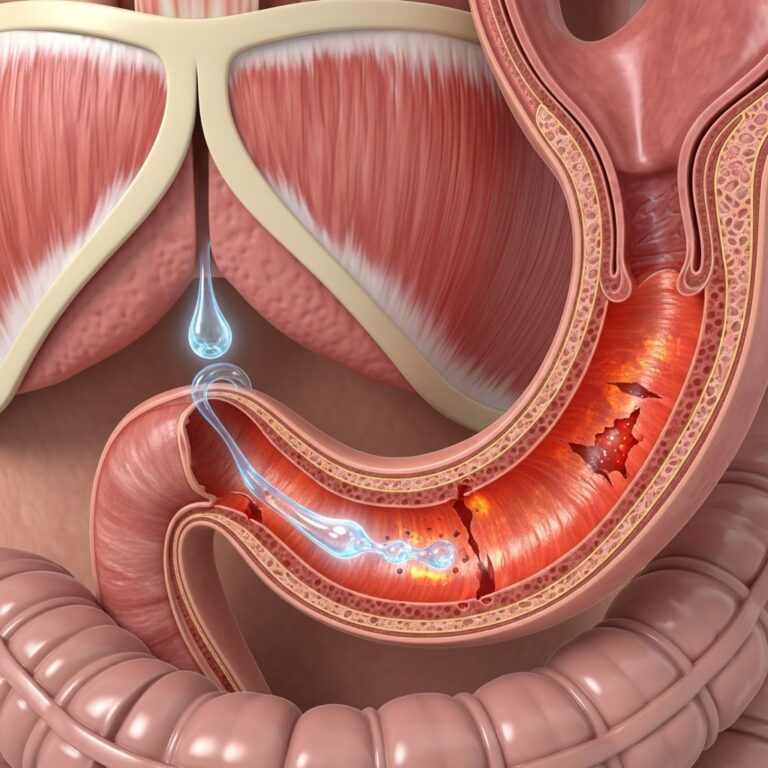
Constipation impacts up to 80% due to slowed gut motility from enteric nervous system involvement, predating motor symptoms. Stool softeners, high-fiber diets (25-30g daily), and hydration (8+ glasses water) form the foundation. Prokinetics like domperidone or linaclotide may assist, alongside abdominal massage or yoga.
Related Stories



Bladder Control Challenges
Over 70% face urgency, frequency, or nocturia, risking falls from nighttime trips. Rule out infections or prostate issues first. Anticholinergics like oxybutynin manage overactivity, while Botox injections relax bladder muscles for refractory cases. Pelvic floor exercises strengthen control.
Blood Pressure Fluctuations
Orthostatic hypotension causes lightheadedness in 30-50%, worsened by medications. Rise slowly, wear compression stockings, increase salt/fluid intake (under supervision), or use midodrine/fludrocortisone.
Mood and Cognitive Shifts
Psychiatric symptoms like depression (60%), anxiety, apathy, and hallucinations affect emotional well-being. Depression links to dopamine/serotonin imbalances, while cognitive impairment progresses to mild impairment or dementia in advanced stages.
| Symptom | Prevalence | Management Options |
|---|---|---|
| Depression/Anxiety | ~60% | SSRIs (sertraline), CBT, exercise |
| Apathy | 40-50% | Methylphenidate, stimulants |
| Hallucinations | 13-30% | Quetiapine, pimavanserin (Nuplazid) |
| Cognitive Decline | 74% | Cognitive training, rivastigmine |
Regular screening via scales like the Geriatric Depression Scale aids early intervention. Support groups foster coping.
Sensory and Pain Experiences
Sensory losses include hyposmia (reduced smell, preceding PD by decades), taste dulling, and pain (64%), ranging from dystonic cramps to neuropathic aches. Pain correlates with off-states; optimizing levodopa helps. Analgesics, PT, or gabapentin target specific types.
- Hyposmia: Smell training with essential oils.
- Pain: Stretching, acupuncture, or duloxetine.
Speech, Swallowing, and Drooling
Reduced voice volume, monotone speech, and dysphagia raise aspiration risks. Speech therapy like Lee Silverman Voice Treatment (LSVT LOUD) amplifies projection. Botulinum toxin manages sialorrhea (excessive drooling).
Lifestyle Integration for Symptom Control
Holistic approaches amplify medical treatments:
- Exercise: 150 minutes weekly of boxing, tai chi, or cycling combats fatigue, constipation, and mood dips.
- Diet: Mediterranean-style with fiber, probiotics for gut health.
- Mindfulness: Meditation reduces anxiety.
- Social engagement: Combats isolation.
Multidisciplinary teams—neurologists, therapists, dietitians—optimize outcomes.
FAQs
Do non-motor symptoms worsen over time?
Yes, many intensify with disease progression, especially cognitive and sleep issues, but proactive management slows impact.
Can exercise really help non-motor symptoms?
Absolutely; it improves sleep, mood, bowel function, and fatigue via neuroplasticity and endorphin release.
How early do these symptoms appear?
Some, like smell loss or constipation, manifest years before motor signs.
Are there medications specifically for non-motor PD?
Yes, e.g., pimavanserin for psychosis, SSRIs for mood, Botox for bladder/drooling.
Should I see a specialist for these?
Movement disorder specialists excel in holistic PD care.
Navigating Advanced Stages
In later PD, non-motor burdens like psychosis (up to 50%) and dementia rise. Caregiver support, advance planning, and palliative care enhance dignity. Pimavanserin treats hallucinations without worsening motor symptoms, unlike typical antipsychotics.
References
- Nonmotor Features in Parkinson’s Disease: What Are the Most … — PMC/NCBI. 2016-05-01. https://pmc.ncbi.nlm.nih.gov/articles/PMC4853954/
- Non-Motor Symptoms of Parkinson’s Disease — American Parkinson Disease Association. 2017-03-01. https://www.apdaparkinson.org/wp-content/uploads/2017/03/APDA-Non-motor-symptoms.pdf
- Non-Movement Symptoms – Parkinson’s — Parkinson’s Foundation. Accessed 2026. https://www.parkinson.org/understanding-parkinsons/non-movement-symptoms
- Unmasking nonmotor symptoms of Parkinson disease — CEConnection. 2015-07-01. https://nursing.ceconnection.com/ovidfiles/00152193-201507000-00009.pdf
- Understanding Non-Motor Parkinson’s Symptoms — Parkinson’s Foundation (YouTube). 2025-07-14. https://www.youtube.com/watch?v=_rdXvAoDapw
- Physician Guide Non-motor symptoms of Parkinson’s Disease — Parkinson Society Canada. Accessed 2026. https://www.parkinson.ca/wp-content/uploads/Physician_Guide_to_Non_Motor_Symptoms_of_Parkinson_Disease.pdf
Similar Articles








Read full bio of medha deb