Managing Parkinson’s Disease: Essential Care Strategies
Comprehensive strategies for medication, therapy, lifestyle, and support to enhance quality of life with Parkinson's disease.
Parkinson’s disease (PD) requires a multifaceted approach to symptom control and quality-of-life preservation. Core strategies center on pharmacological interventions, rehabilitative exercises, nutritional planning, and adaptive daily routines.
Pharmacological Foundations of PD Treatment
The cornerstone of PD therapy is
Levodopa
, which replenishes dopamine levels in the brain to alleviate bradykinesia and rigidity effectively. Typically combined with carbidopa to enhance bioavailability and reduce side effects, it remains the most potent option for motor symptoms.For patients experiencing motor fluctuations, options include adjusting Levodopa dosing intervals, incorporating extended-release formulations, or adding adjuncts like dopamine agonists, MAO-B inhibitors, or COMT inhibitors. Selection depends on individual response, tolerability, and progression stage.
Non-oral delivery methods prove vital in advanced stages. Infusion pumps deliver continuous Levodopa, while deep brain stimulation (DBS) targets specific brain areas to stabilize symptoms and reduce medication needs.
Addressing Non-Motor Challenges
PD extends beyond motor issues, impacting cognition, mood, sleep, and autonomic functions. For mild cognitive impairment (PD-MCI), cognitive training and aerobic exercise (45-60 minutes, 2-3 times weekly) are recommended, though cholinesterase inhibitors lack endorsement.
Psychotic symptoms necessitate stepwise management: initiate non-drug measures like environmental adjustments and circadian rhythm restoration, then taper offending medications (e.g., anticholinergics, dopamine agonists) before considering antipsychotics such as quetiapine.
Autonomic issues like orthostatic hypotension respond to hydration, bed elevation, and agents like midodrine. Constipation management involves fiber-rich diets, fluids, and laxatives, while nocturia benefits from evening fluid restriction and antimuscarinics.
| Symptom | Key Interventions |
|---|---|
| Cognitive Impairment | Cognitive training, aerobic exercise; avoid routine cholinesterase inhibitors |
| Depression | Counseling, SSRIs or TCAs |
| Psychosis | Reduce PD meds, low-dose quetiapine |
| Orthostatic Hypotension | Fluids, bed elevation, midodrine |
| Constipation | Fiber, fluids, laxatives |
Rehabilitative Therapies for Mobility and Function
Physical therapy (PT) forms a pillar of PD care, with evidence strongest for early to mid-stage patients. Guidelines advocate stretching, strengthening, balance exercises, and endurance training to boost gait, stability, and daily activities.
A minimum of 3 hours weekly of physiotherapy is advised, supplemented by occupational therapy for fine motor skills and handwriting. Speech therapy targets voice volume and swallowing safety.
- Aerobic Exercise: 45-60 minutes, 2-3 sessions/week in aerobic range
- Balance Training: Improves fall risk and participation
- Occupational Therapy: For daily living limitations and upper limb issues
Mind-body practices like yoga enhance flexibility and reduce tension, while the Alexander technique refines posture and movement awareness.
Nutritional Strategies and Digestive Health
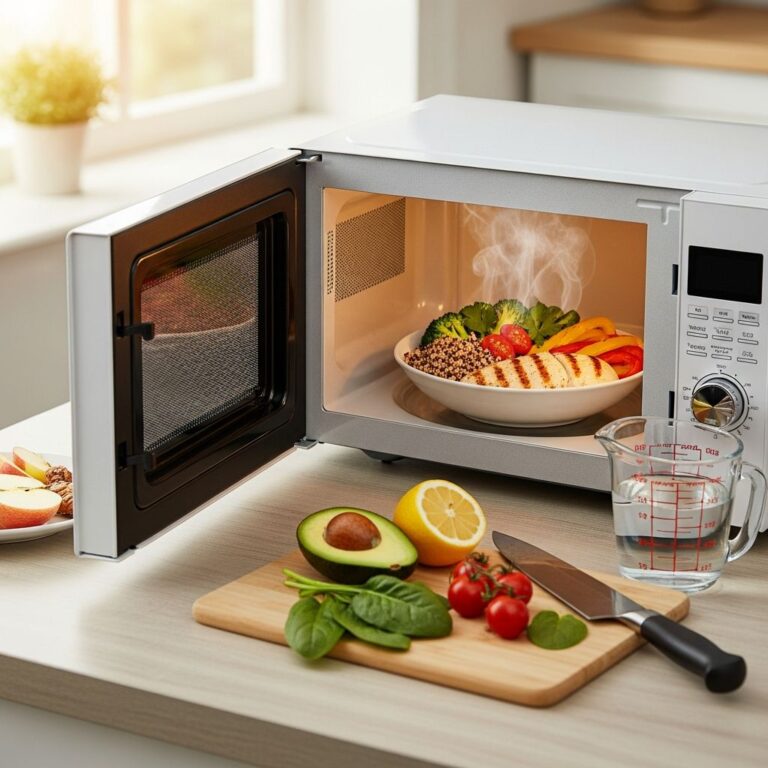
Diet profoundly influences PD symptoms. High-fiber intake and ample fluids combat constipation, a prevalent issue. Protein timing matters, as amino acids can compete with Levodopa absorption—consider spacing protein-rich meals.
Omega-3 fatty acids from fish or supplements may support brain health. For dysphagia, soft foods and “on” time eating (when meds peak) are crucial; gastrostomy tubes serve severe cases.
Related Stories



Dental hygiene adapts to PD: softer brushes, frequent cleanings prevent complications from reduced dexterity and saliva flow.
Daily Living Adaptations for Independence
Maintaining autonomy involves home modifications and routines. For solo dwellers, organized spaces, grab bars, and emergency alerts mitigate risks. Sexual health discussions address libido changes or erectile dysfunction via counseling and meds.
Travel planning includes medication access and symptom contingencies. Home safety features like raised toilet seats and non-slip mats reduce falls.
Surgical and Advanced Interventions
DBS suits patients with refractory fluctuations, offering programmable stimulation to basal ganglia. Pump therapies (duodenal Levodopa gel) provide steady delivery.
Special scenarios like akinetic crises demand rapid Levodopa escalation, hydration, and infection screening. Perioperative care involves med adjustments; driving assessments ensure safety.
Holistic Support and Palliative Approaches
Multidisciplinary teams—neurologists, therapists, nutritionists—optimize outcomes. Palliative care addresses advanced-stage comfort, pain, and end-of-life planning.
Sleep hygiene counters disturbances: avoid daytime naps, dopamine agonists if somnolent. Artistic therapies foster expression and motor control.
Frequently Asked Questions (FAQs)
What is the first-line treatment for Parkinson’s motor symptoms?
Levodopa combined with carbidopa is the most effective for bradykinesia and rigidity.
How does exercise benefit PD patients?
It improves mobility, balance, cognition, and mood; aim for regular aerobic and strength sessions.
Can diet influence PD symptoms?
Yes, fiber prevents constipation, and protein timing aids Levodopa efficacy.
When is deep brain stimulation considered?
For advanced PD with fluctuations unresponsive to optimized meds.
How to manage constipation in PD?
Increase fiber/fluids, exercise, and use softeners as needed.
Comprehensive PD management evolves with patient needs, integrating meds, rehab, and lifestyle for optimal function.
References
- Diagnosis and treatment of Parkinson´s disease (guideline of … – PMC — PMC. 2024. https://pmc.ncbi.nlm.nih.gov/articles/PMC11157782/
- Parkinson’s Disease: Diagnosis and Treatment – AAFP — American Academy of Family Physicians. 2006-12-15. https://www.aafp.org/pubs/afp/issues/2006/1215/p2046.html
- Management & Lifestyle – Parkinson’s Foundation — Parkinson’s Foundation. Accessed 2026. https://www.parkinson.org/living-with-parkinsons/management
- PT Management of Parkinson’s Disease — Academy of Neurologic Physical Therapy. Accessed 2026. https://www.neuropt.org/practice-resources/anpt-clinical-practice-guidelines/pt-management-of-parkinson-disease
- Parkinson’s disease – Diagnosis and treatment – Mayo Clinic — Mayo Clinic. Accessed 2026. https://www.mayoclinic.org/diseases-conditions/parkinsons-disease/diagnosis-treatment/drc-20376062
Similar Articles








Read full bio of Sneha Tete