Managing Pet Bites: Complete Care & Prevention
Learn essential steps for treating and preventing cat and dog bite injuries
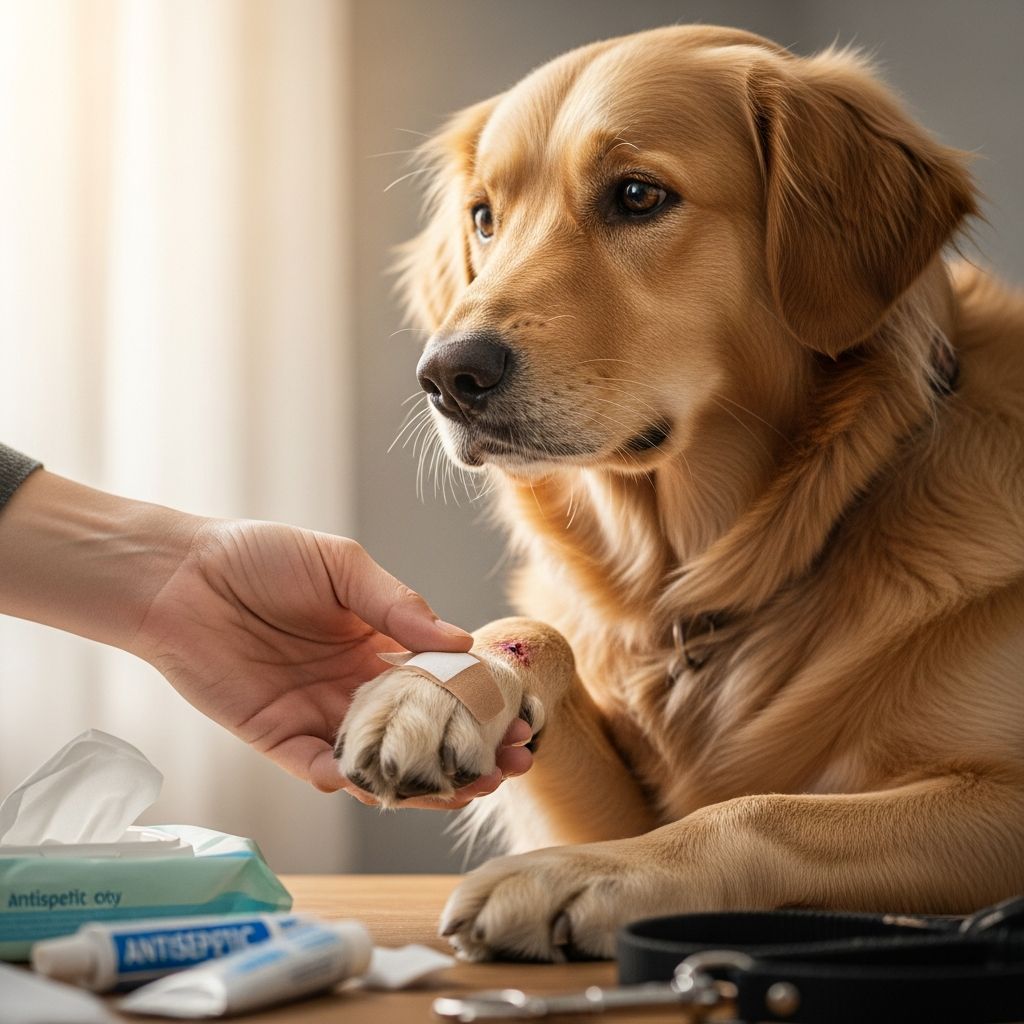
Pet bites, whether from cats or dogs, occur more frequently than many people realize. Even seemingly minor punctures from teeth can introduce harmful bacteria into the skin and potentially lead to serious infections if not treated appropriately. Understanding how to respond immediately to a bite, recognize warning signs of complications, and know when professional medical intervention is necessary can significantly impact your health outcomes and recovery timeline.
Understanding the Risk of Pet Bites
Bites from cats and dogs present distinct concerns because the teeth create puncture wounds that are particularly prone to bacterial contamination. Cats’ sharp, thin teeth tend to create deeper punctures that penetrate further into tissue layers, while dog bites often cause crushing or tearing injuries. Both types of injuries carry infection risk because the mouth contains numerous bacteria that transfer into the wound during the bite.
The severity of a bite depends on multiple factors including the depth of the puncture, the location on the body, the animal’s vaccination status, and the health status of the person bitten. Understanding these risk factors helps determine appropriate response measures and when professional evaluation becomes essential.
Immediate Actions Following a Pet Bite
Initial Response Steps
The moments immediately following a bite are critical for preventing infection. Your first action should be to wash your hands thoroughly with soap and water before examining or treating the wound. This prevents introducing additional bacteria into the injured area.
If the bite is actively bleeding, apply firm, direct pressure using a clean cloth or sterile gauze to stop the bleeding. Maintain pressure until the bleeding ceases. Simultaneously, elevate the bitten area above heart level, as this helps reduce bleeding and minimize swelling.
Wound Cleansing Procedure
Once bleeding is controlled, proceed with thorough wound cleansing. Wash the wound with mild soap and running water for at least three to five minutes. Some medical professionals recommend extending this duration to fifteen minutes for particularly contaminated wounds. Allow water to flow over the bite area continuously to flush out bacteria and foreign material.
For enhanced cleansing, consider using antiseptic soaps such as chlorhexidine or povidone iodine solutions if available, as these provide additional antibacterial protection. After washing, gently pat the area dry with a clean cloth rather than rubbing, which could irritate the wound.
Topical Protection
Following cleansing and drying, apply an over-the-counter antibiotic ointment to create a protective barrier and reduce infection risk. Cover the wound with a sterile bandage to keep it clean and protected from environmental contamination. Some individuals prefer using a thin layer of petroleum jelly under the bandage as an alternative protective layer.
Ongoing Wound Care Management
Proper aftercare is essential for optimal healing and infection prevention. Change the bandage at least once daily or more frequently if it becomes wet or soiled. Each time you change the bandage, reapply antibiotic ointment to maintain continuous protection.
Related Stories



Monitor the wound carefully over the next twenty-four to forty-eight hours for any signs suggesting infection development. Wash the wound gently twice daily with clean water without scrubbing or soaking, as excessive moisture can compromise healing.
Recognizing Infection Warning Signs
Even minor bites can develop infections if bacteria proliferate within the wound. Vigilant monitoring allows early detection and prompt treatment. Contact your healthcare provider immediately if you notice any of the following infection indicators:
- Progressive redness extending beyond the immediate bite area
- Increasing swelling or warmth to the touch
- Pus or fluid drainage from the wound
- Escalating pain despite appropriate care
- Fever or systemic symptoms
- Skin discoloration around the wound
- Red streaking extending from the bite toward the heart
These signs indicate that bacteria have established infection, requiring professional medical intervention.
When Professional Medical Evaluation Is Necessary
Situations Requiring Immediate Healthcare Assessment
Certain bite circumstances necessitate professional medical evaluation without delay. Seek immediate care if any of these situations apply:
| Situation | Reason for Medical Evaluation |
|---|---|
| Deep puncture or uncertain severity | Professional assessment determines treatment requirements |
| Severe bleeding that doesn’t stop with pressure | May require professional hemostasis techniques or tourniquet application |
| Torn, crushed, or badly lacerated skin | May need surgical repair to prevent scarring and infection |
| Bite on face, hands, fingers, or near joints | High-visibility areas requiring careful assessment to prevent complications |
| Underlying health conditions (diabetes, immunosuppression, circulation problems) | Compromised immune response increases infection risk |
| Bite from unknown, stray, or unvaccinated animal | Rabies risk assessment and potential prophylaxis needed |
| Visible deformity suggesting fracture | Bone or structural damage requires imaging and stabilization |
| Bite involving genitalia or mucous membranes | Special consideration due to sensitive tissue and infection risk |
Professional Treatment Interventions
Healthcare providers assess bite severity and may recommend several interventions. Tetanus vaccination status is reviewed, and a booster shot is administered if you haven’t received one within the past five years or if the wound is particularly deep or dirty. The timing is important—boosters should be given within forty-eight hours of injury.
For bites involving high infection risk, such as deep cat punctures, prophylactic antibiotics are prescribed to prevent infection before symptoms develop. Medical professionals carefully evaluate whether wound closure is appropriate or whether leaving puncture wounds open is preferable to reduce infection risk.
If the animal’s rabies vaccination status is unknown or the animal is wild, healthcare providers discuss rabies exposure risk and arrange appropriate immunoprophylaxis, which involves rabies immunoglobulin injection and a series of rabies vaccine doses administered on specific days.
Situations Warranting Prophylactic Antibiotic Treatment
Healthcare providers recommend preventive antibiotics in specific high-risk situations to interrupt infection development before it begins:
- Deep puncture wounds, particularly from cats that may have penetrated joints, bones, or tendons
- Wounds requiring surgical repair
- Bites in immunocompromised individuals or those with asplenic conditions
- Bites involving hands or feet
- Facial bite injuries
- Bites affecting genital areas
Prophylactic antibiotics should be initiated within eight to twelve hours of the bite for maximum effectiveness. Common antibiotic combinations include penicillin with additional agents or clindamycin paired with fluoroquinolones, chosen based on local resistance patterns and individual allergies.
Preventing Future Pet Bite Incidents
Understanding Animal Behavior
Prevention begins with understanding that pets may bite when frightened, in pain, protecting territory, or during feeding. Never disturb animals while eating or sleeping, as these vulnerable moments increase bite risk. Teach children to recognize warning signs like stiffened posture, bared teeth, or growling, and to maintain safe distance from unfamiliar animals.
Safe Interaction Practices
Always supervise young children around pets, even animals known to the family. Ensure children understand appropriate petting techniques—gentle touches on the back or sides rather than restraining hugs or face petting that may provoke defensive responses. Teach children to ask permission from unfamiliar animals’ owners before approaching or petting.
When meeting unfamiliar dogs or cats, allow the animal to approach you rather than reaching toward them. Let animals sniff your closed hand before attempting to pet. Avoid sudden movements, loud noises, or startling animals, as these can trigger defensive biting responses.
Environmental Management
Create environments where animals feel secure and respected. Provide pets with comfortable spaces away from high-traffic areas where they can retreat if overwhelmed. Use baby gates or closed doors to prevent unexpected encounters between children and pets. Ensure animals’ vaccinations are current and that they receive regular veterinary health checks to address behavioral issues early.
Special Considerations for High-Risk Individuals
Certain population groups face increased complications from pet bites. Individuals with diabetes, circulation problems, weakened immune systems, or those taking immunosuppressive medications should seek professional medical evaluation promptly following any bite. These conditions impair the body’s natural infection-fighting mechanisms, making even minor bites potentially serious.
Elderly individuals with chronic health conditions similarly warrant professional assessment. Children, particularly very young ones, should have bites evaluated professionally to ensure appropriate wound management and to address any emotional trauma from the incident.
Emotional and Psychological Aspects
Beyond physical injury, pet bites can cause psychological effects, particularly in children experiencing significant or frightening incidents. Appropriate counseling may help address anxiety or developing fears about animals. Parents should validate children’s feelings while helping them understand that most animals are safe when treated respectfully.
Frequently Asked Questions
Should I put a bitten area in my mouth to clean it?
No. The human mouth contains numerous bacteria that increase infection risk. Always use soap and running water or sterile saline instead.
How long should I wait before seeking medical care for a bite?
Don’t wait if the bite involves high-risk characteristics listed above. When in doubt, seek professional evaluation to ensure appropriate assessment and treatment.
What is the difference between cat and dog bite infection risk?
Cat bites create narrow, deep punctures that penetrate tissue layers easily and are particularly prone to serious infections. Dog bites typically cause crushing or tearing injuries with different infection patterns.
Do I need a tetanus booster after every pet bite?
Only if you haven’t received a booster within the past five years or if the wound is particularly deep or dirty. Your healthcare provider will advise based on your vaccination history.
Is rabies risk present from all pet bites?
Rabies risk depends on the animal type and vaccination status. Confirmed vaccinated domestic pets pose minimal risk, while stray or wild animals require rabies exposure assessment.
Key Takeaways for Pet Bite Management
Effective pet bite response requires immediate wound cleaning, appropriate topical treatment, vigilant monitoring for infection signs, and professional evaluation when circumstances warrant. Understanding your personal risk factors and knowing when to seek medical care are essential skills for protecting your health. By combining proper first aid with prevention strategies that reduce bite incidents, you can minimize injury risk and optimize recovery outcomes.
References
- Simple First Aid for Cats and Dog Bites — Marque Medical. Accessed 2026. https://marquemedical.com/simple-first-aid-for-cats-and-dog-bites/
- Animal Bites — American Academy of Orthopaedic Surgeons (AAOS). Accessed 2026. https://orthoinfo.aaos.org/en/diseases–conditions/animal-bites/
- When your best friend bites: A note on dog and cat bites — National Center for Biotechnology Information (NCBI). 2006. https://pmc.ncbi.nlm.nih.gov/articles/PMC2094772/
- Administer First Aid — South Carolina Department of Public Health. Accessed 2026. https://dph.sc.gov/diseases-conditions/infectious-diseases/animal-borne-diseases/rabies/administer-first-aid
- Animal bites: First aid — Mayo Clinic. Accessed 2026. https://www.mayoclinic.org/first-aid/first-aid-animal-bites/basics/art-20056591
- Bites and Scratches — University of Connecticut Health Center, Office of the Vice President for Research. Accessed 2026. https://ovpr.uchc.edu/services/rics/animal/iacuc/ohshome/risk-assessment/bites-and-scratches/
- Animal Bites: Care Instructions — Alberta Health Services. Accessed 2026. https://myhealth.alberta.ca/Health/aftercareinformation/pages/conditions.aspx?hwid=uh3283
Similar Articles








Read full bio of medha deb