Managing Pink Eye at Home: Practical Relief Methods
Learn effective at-home strategies to manage pink eye symptoms and promote faster recovery.
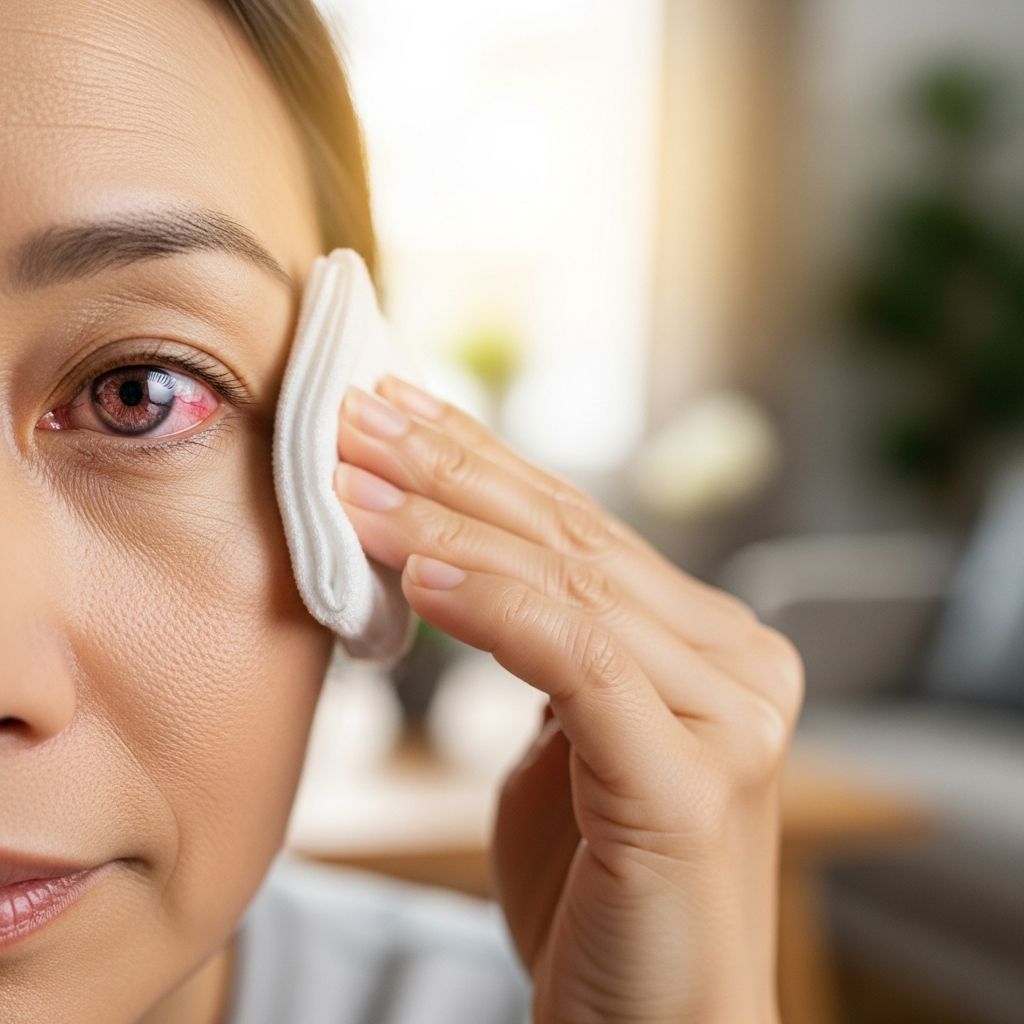
Pink eye, medically known as conjunctivitis, represents one of the most common eye conditions affecting people across all age groups. While the condition itself is often manageable, the discomfort it produces can significantly impact daily activities and quality of life. Understanding how to effectively manage symptoms at home can provide substantial relief and support the healing process, particularly for viral cases where antibiotics offer no benefit. This guide explores comprehensive home-based strategies that can help alleviate discomfort while your body fights off the infection naturally.
Understanding Conjunctivitis and Its Impact on Daily Life
Conjunctivitis occurs when the thin, clear membrane covering the white portion of the eye becomes inflamed or irritated. This inflammation triggers a cascade of uncomfortable symptoms that can last anywhere from several days to multiple weeks, depending on the underlying cause. The condition manifests differently based on whether it stems from viral, bacterial, or allergic origins, each requiring slightly different management approaches.
The inflammation associated with pink eye can cause significant discomfort, including burning sensations, itching, and a gritty feeling that makes opening your eyes difficult. Many people describe the sensation as having something constantly in their eye, even when nothing is physically present. This persistent discomfort often leads to rubbing, which can worsen the condition and prolong recovery time.
Beyond the physical symptoms, pink eye can interfere with work, school, and social activities. The contagious nature of viral and bacterial forms means that individuals must take precautions to avoid spreading the infection to family members and colleagues. Understanding effective home management strategies becomes essential for maintaining comfort while protecting those around you.
The Role of Compresses in Symptom Management
Warm and cool compresses represent among the most effective and accessible home remedies for pink eye relief. These simple tools work by reducing inflammation, promoting circulation, and providing immediate comfort through temperature therapy. The choice between warm and cool compresses often depends on personal preference and the specific symptoms you experience.
Warm compresses prove particularly beneficial for alleviating discomfort and promoting drainage in bacterial conjunctivitis cases. The warmth helps relax the eye muscles, reduces tension, and can facilitate the drainage of discharge that may accumulate, particularly around the eyelids. This approach also helps soften any crusting that develops overnight, making it easier to gently clean the eye area upon waking.
Cool compresses excel at reducing inflammation and providing immediate numbing relief, particularly for viral cases or when itching predominates. The cooling sensation provides soothing comfort and can help decrease swelling in the eyelids and surrounding tissue. Many people find alternating between warm and cool compresses throughout the day provides optimal relief.
To create an effective compress, use a clean washcloth saturated with either warm or cool water, depending on your preference. Apply the compress gently to the closed eyelid for five to ten minutes, repeating several times daily as needed. Always ensure the washcloth remains clean to prevent introducing additional bacteria or irritants to the affected eye.
Related Stories



Artificial Tears and Lubricating Eye Drops
Artificial tears serve multiple purposes in managing pink eye symptoms at home. These over-the-counter solutions work to flush irritants from the eye, provide lubrication that reduces the gritty sensation, and help dilute inflammatory substances present in the tear film. Unlike medicated drops, artificial tears offer gentle relief suitable for all types of conjunctivitis.
The consistent use of artificial tears throughout the day can significantly reduce discomfort and promote healing. Many people experience their worst symptoms during periods when tear production naturally decreases, such as when staring at screens or in dry environments. Regular application of artificial tears helps compensate for this reduced tear production and maintains eye surface lubrication.
Choose preservative-free artificial tear solutions when possible, as preservatives in multi-use bottles can occasionally irritate already-sensitive eyes. Single-dose vials of preservative-free tears offer optimal safety and sterility. Apply tears every one to two hours or as needed, ensuring you never touch the dropper tip to your eye or surrounding skin to prevent contamination.
Hygiene Practices That Prevent Spread and Promote Healing
Proper hygiene represents one of the most critical components of home management, particularly for contagious viral and bacterial forms of pink eye. Diligent hygiene not only accelerates personal recovery but also protects family members and others you contact from developing the infection.
Hand Washing and Contamination Prevention
Frequent hand washing with soap and warm water remains the cornerstone of preventing pink eye transmission. Wash your hands thoroughly before touching your face, applying medication, or inserting contact lenses. Similarly, wash your hands immediately after touching your affected eye to prevent spreading infection to your other eye or to other people.
Avoid touching or rubbing your eyes whenever possible, as this action serves multiple negative functions: it spreads infection to your hands and then to other surfaces, it introduces bacteria and irritants to the already-compromised eye, and it perpetuates the inflammatory cycle that causes discomfort. When you must touch your eye to apply treatment, use clean tissues or dedicated applicators rather than your fingers.
Managing Personal Items and Surfaces
Conjunctivitis spreads readily through contaminated surfaces, making careful management of personal items essential. Wash or replace eye makeup, makeup applicators, and eye cosmetic brushes immediately, as these items can harbor infectious agents. Do not share towels, pillowcases, or washcloths with other household members during active infection. Instead, use disposable paper towels and wash any reusable items in hot water.
Contact lens wearers should discontinue lens use during active pink eye and switch to glasses temporarily. If you must wear contacts, follow strict cleaning protocols using fresh solution daily and replacing cases regularly. Many ophthalmologists recommend discarding the affected contacts and using a new pair once the infection resolves to eliminate any remaining pathogens.
Clean frequently-touched surfaces such as doorknobs, light switches, and remote controls with disinfectant wipes or appropriate cleaning solutions. These surfaces easily become contaminated when infected individuals touch them, creating transmission pathways to other household members.
Managing Discharge and Eye Comfort
Pink eye often produces visible discharge that accumulates around the eyelid margins, particularly upon waking. Bacterial conjunctivitis typically produces thicker, yellow-green discharge, while viral cases generally produce watery or mucous discharge. Managing this discharge appropriately prevents discomfort and reduces infection transmission.
Upon waking, gently clean away discharge using a fresh, warm, damp washcloth or sterile gauze. Use separate materials for each eye to prevent cross-contamination. Avoid harsh rubbing; instead, use gentle pressing motions or allow warm water to soften crusted discharge before attempting removal. Some people find applying a warm compress for several minutes before cleaning makes the process more comfortable.
Throughout the day, keep clean tissues or disposable wipes nearby to manage any discharge that develops. Each time you wipe discharge away, immediately wash your hands to prevent spreading infection. This simple practice significantly reduces both personal discomfort and transmission risk.
Environmental Modifications and Irritant Avoidance
Creating an environment that minimizes additional eye irritation accelerates healing and reduces overall discomfort. Pink eyes are extremely sensitive during active infection, making protective measures particularly important.
- Reduce screen time: Computer screens, smartphones, and tablets all contribute to reduced blinking and tear production. Minimize screen exposure during active infection and follow the 20-20-20 rule: every 20 minutes, look at something 20 feet away for 20 seconds.
- Avoid smoky environments: Smoke and air pollution irritate already-inflamed eyes and can delay healing.
- Minimize eye makeup: Avoid all eye cosmetics during active infection, as makeup can introduce bacteria and additional irritants.
- Protect from chlorinated water: Avoid swimming and limit exposure to chlorinated pool water, which further irritates the eye surface.
- Use sunglasses outdoors: Sunlight and wind increase eye discomfort; protective eyewear reduces these irritants.
- Maintain appropriate humidity: Use a humidifier in dry environments to prevent moisture loss from inflamed eyes.
Sleep and Recovery Considerations
Adequate sleep supports immune function and promotes faster recovery from viral infections. During sleep, your body intensifies healing processes and tear production naturally increases, providing additional lubrication to the eye surface. Protecting your eyes during sleep and creating optimal conditions for nighttime comfort accelerates recovery.
Some individuals experience increased discharge accumulation and crusting during sleep, as tear flow decreases significantly. Applying a warm compress immediately upon waking, before attempting to open your eyes, softens this crusted material and makes cleaning more comfortable. Consider sleeping with extra pillows to elevate your head, which may reduce fluid accumulation around the eyes.
If nighttime discharge causes lids to stick together upon waking, avoid forcefully prying them open. Instead, use a warm, damp washcloth to gently soften the discharge, allowing natural separation. This careful approach prevents unnecessary trauma to already-sensitive eyelid tissue.
When to Seek Professional Evaluation
While most cases of pink eye resolve through home management, certain situations warrant professional evaluation. Contact your eye care provider if symptoms persist beyond a few days, worsen despite home treatment, or if you develop additional symptoms such as eye pain, vision changes, or intense light sensitivity. Bacterial conjunctivitis typically requires antibiotic treatment for complete resolution, making professional diagnosis important for optimal outcomes.
Frequently Asked Questions
Can I use the same compress for both eyes?
No. Always use separate compresses for each eye to prevent cross-contamination, particularly in viral or bacterial cases affecting only one eye initially.
How often should I apply compresses?
Apply compresses three to four times daily, or whenever needed for comfort. Each application should last five to ten minutes for optimal benefit.
Are over-the-counter eye drops safe for pink eye?
Artificial tears and lubricating drops are safe and beneficial. Avoid decongestant drops unless specifically recommended by your eye care provider, as these can cause rebound redness.
How long does pink eye typically last?
Viral conjunctivitis usually resolves within one to two weeks, while bacterial cases may persist longer without antibiotic treatment. Allergic conjunctivitis persists as long as allergen exposure continues.
Can I wear contacts while managing pink eye?
No. Discontinue contact lens wear during active infection and switch to glasses. Return to contact lenses only after symptoms completely resolve and your eye care provider confirms the infection has cleared.
Summary of Effective Home Management Strategies
| Management Strategy | Benefits | Frequency |
|---|---|---|
| Warm compresses | Reduces tension, promotes drainage, softens crusting | 3-4 times daily |
| Cool compresses | Reduces inflammation, provides numbing relief | As needed for comfort |
| Artificial tears | Flushes irritants, lubricates, reduces discomfort | Every 1-2 hours |
| Hand washing | Prevents transmission, stops reinfection | After eye contact, before touching face |
| Discharge cleaning | Reduces discomfort, prevents crusting | Upon waking and as needed |
| Environmental modification | Minimizes irritation, accelerates healing | Throughout infection duration |
Home management of pink eye combines several straightforward yet effective strategies that work synergistically to reduce discomfort and support healing. Warm and cool compresses provide immediate relief through temperature therapy, while artificial tears maintain crucial eye surface lubrication. Rigorous hygiene practices prevent transmission to others and protect against reinfection, while environmental modifications minimize additional irritation during an already-sensitive period.
The most successful home management approaches combine these strategies consistently throughout the day, adapting to your individual comfort preferences and symptom patterns. While viral conjunctivitis typically requires only supportive care, bacterial infections often necessitate professional treatment with antibiotics. Recognizing when symptoms warrant professional evaluation ensures you receive appropriate care while maximizing comfort during the healing process.
References
- Pink Eye (Conjunctivitis) — Advocate Health Care. Accessed February 2026. https://www.advocatehealth.com/health-services/vision-services/pink-eye-conjunctivitis
- Pink Eye (Conjunctivitis): Symptoms, Treatment & Causes — Cleveland Clinic. https://my.clevelandclinic.org/health/diseases/pink-eye-conjunctivitis
- Pink Eye (Conjunctivitis) Symptoms & Treatment — Aurora Health Care. Accessed February 2026. https://www.aurorahealthcare.org/services/eye-care/pink-eye-conjunctivitis
- Pink Eye (Conjunctivitis) — Symptoms and Causes — Mayo Clinic. https://www.mayoclinic.org/diseases-conditions/pink-eye/symptoms-causes/syc-20376355
- Pink Eye | National Eye Institute — National Institutes of Health. https://www.nei.nih.gov/eye-health-information/eye-conditions-and-diseases/pink-eye
- Conjunctivitis (Pink Eye) — American Optometric Association. https://www.aoa.org/healthy-eyes/eye-and-vision-conditions/conjunctivitis
Similar Articles








Read full bio of medha deb