Managing PTSD During Fireworks Season: Expert Coping Strategies
Practical strategies to manage PTSD triggers from fireworks, including self-help techniques, community support, and professional advice for a safer season.
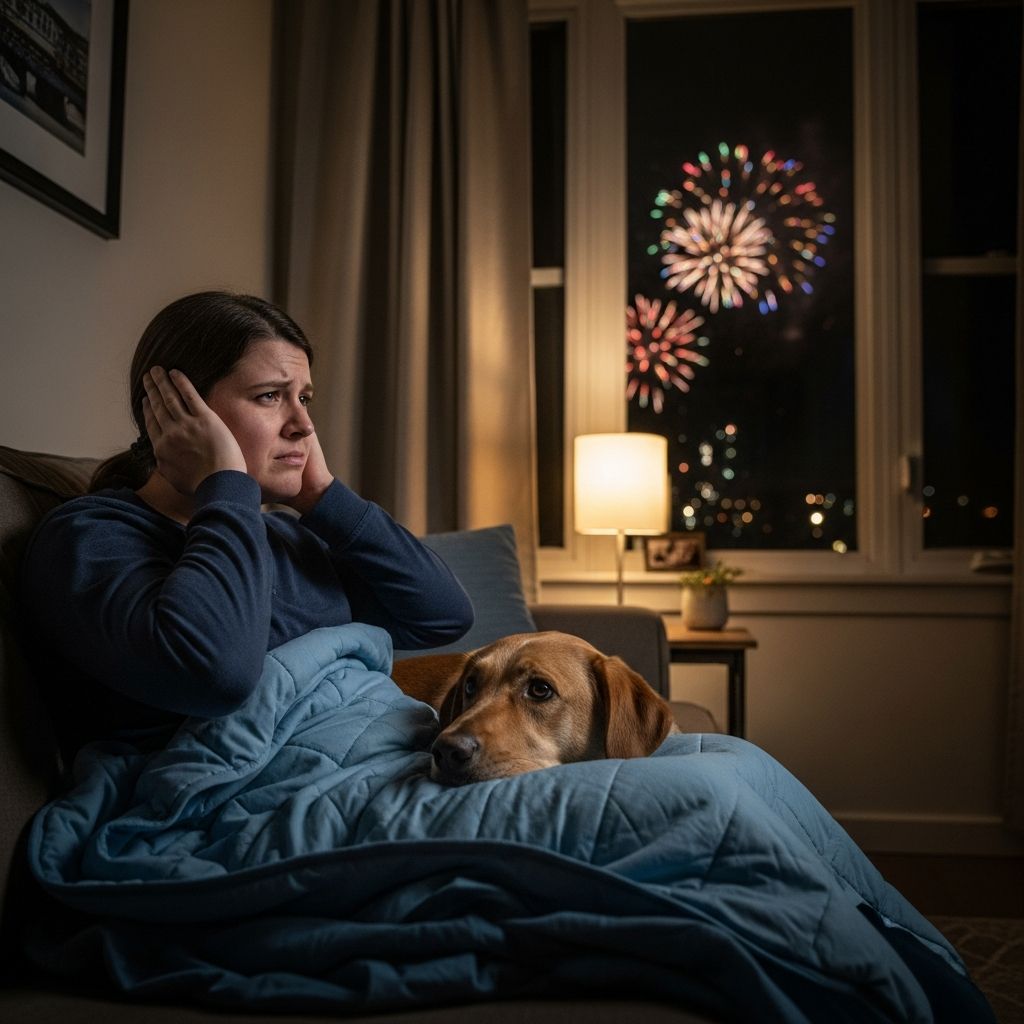
Fireworks displays offer stunning visual spectacles, but their explosive sounds, flashing lights, and acrid smells can intensely trigger individuals with post-traumatic stress disorder (PTSD). This guide outlines why fireworks provoke such reactions, evidence-based coping strategies, community considerations, and access to professional support to help those affected safely navigate fireworks season.
Why can fireworks be difficult for someone with PTSD?
PTSD keeps individuals in a persistent state of hypervigilance, where the brain remains in ‘long-lasting alert mode’ physically, mentally, and emotionally, leading to exaggerated responses to potential threats. Loud, sudden noises from fireworks mimic combat gunfire, explosions, or other traumatic events, involuntarily activating the fight-or-flight response.
Core PTSD symptoms exacerbated by fireworks include re-experiencing trauma through flashbacks or nightmares, avoidance behaviors, negative mood alterations, and heightened arousal like hypervigilance or startle responses, as defined by the American Psychiatric Association. For veterans, the explosive bangs resemble battlefield artillery; survivors of gun violence or natural disasters may confuse window-rattling booms with earthquakes or shootings.
Beyond sound, visual flashes evoke muzzle flares or blasts, while gunpowder and bonfire odors trigger sensory memories of destruction or fire. This multisensory assault causes physical symptoms such as uncontrollable shaking, sweating, heart palpitations, panic attacks, and emotional distress including fear, irritability, or dissociation.
The unpredictability of fireworks—random timing and intensity—amplifies arousal, as noted by University of Michigan experts, making it harder for the sympathetic nervous system to downregulate. Hyperarousal, a hallmark PTSD symptom, perpetuates tension, insomnia, paranoia, and impacts daily life and relationships. Not all with PTSD react identically; susceptibility is higher for those with explosion, gunfire, or fire-related trauma.
What can you do if you have PTSD and issues around fireworks?
Proactive preparation is key to regaining control. PTSD UK recommends grounding yourself by affirming safety: repeat phrases like ‘This is my home,’ ‘I am safe here,’ ‘These are just fireworks,’ or ‘I am not in danger.’ Practice these mantras daily before peak season to build neural pathways for rational override during triggers.
Create a safety plan in advance:
- Environmental controls: Use earplugs, noise-cancelling headphones, or white noise machines to dampen sounds. Blackout curtains or eye masks block flashes.
- Sensory grounding techniques: Engage the five senses—hold ice for cold shock, smell essential oils like lavender, taste strong mints, touch textured objects, or listen to calming music—to anchor in the present.
- Physical regulation: Practice deep breathing (4-7-8 method: inhale 4 seconds, hold 7, exhale 8), progressive muscle relaxation, or yoga to calm the autonomic nervous system.
- Location strategies: Stay indoors during known display times, visit soundproof spaces like cinemas, or travel to quieter areas. Inform trusted contacts of your plan.
Related Stories



Avoidance with balance: Skip events if needed, but gradual exposure under therapist guidance can desensitize over time via prolonged exposure therapy. Track triggers in a journal to identify patterns and refine strategies.
Substance use like alcohol for numbing often backfires, worsening hyperarousal; opt for healthy distractions like movies, games, or pet companionship.
Things you can do to help people with PTSD during fireworks season
Communities play a vital role. PTSD UK advises considerate practices:
- Opt for low-noise fireworks or silent varieties for private displays.
- Provide advance notice to neighbors via notes or community apps about timing and duration.
- Attend professional, organized displays in open fields, minimizing residential disturbances.
- Consider pets, infants, and wildlife equally affected by noise.
Veterans often post lawn signs requesting no fireworks; respect these and local ordinances limiting private use. Organized events with controlled timing aid planning.
Understanding PTSD symptoms triggered by fireworks
Fireworks provoke a cascade of PTSD symptoms. Here’s a breakdown:
| Symptom Category | Examples Triggered by Fireworks | Physiological Impact |
|---|---|---|
| Re-experiencing | Flashbacks, intrusive memories, nightmares | Reliving trauma as if current |
| Arousal/Reactivity | Hypervigilance, exaggerated startle, irritability | Activated fight-or-flight |
| Avoidance | Steering clear of crowds/events | Social isolation |
| Mood/Cognition | Anhedonia, guilt, detachment | Emotional numbing |
Data from the National Center for PTSD indicates veterans with combat exposure are particularly vulnerable.
Professional support and treatments
Self-help complements therapy. Cognitive Behavioral Therapy (CBT), especially Trauma-Focused CBT, rewires thought patterns linking noises to danger. Eye Movement Desensitization and Reprocessing (EMDR) processes traumatic memories.
Medications like SSRIs manage symptoms; emerging research on N-Acetylcysteine (NAC) shows promise in modulating glutamate and reducing oxidative stress for PTSD. Consult professionals via NHS, PTSD UK helpline, or services like Onebright for online CBT.
For crises, contact Samaritans (116 123) or emergency services.
Frequently Asked Questions (FAQs)
Q: Why do fireworks specifically trigger PTSD?
A: Their loud, unpredictable explosions, bright flashes, and smells mimic combat, gunshots, or disasters, activating the brain’s threat detection system.
Q: Can children with PTSD be affected by fireworks?
A: Yes, any trauma survivor, including children from abuse or accidents, may experience triggers; tailor strategies age-appropriately.
Q: How can I support a friend with PTSD during fireworks?
A: Respect their plan, avoid unplanned fireworks, offer quiet company, and encourage professional help without pressuring.
Q: Are there long-term ways to reduce fireworks sensitivity?
A: Yes, therapies like prolonged exposure and CBT build resilience; consistent practice yields lasting desensitization.
Q: What if symptoms overwhelm coping strategies?
A: Seek immediate help from a GP, therapist, or crisis lines; hospitalization may be needed in severe cases.
This comprehensive approach empowers safer enjoyment—or endurance—of fireworks season. Share experiences in comments for community support.
References
- Managing PTSD during fireworks season — Patient.info. 2023. https://patient.info/features/mental-health/managing-ptsd-during-fireworks-season
- Fireworks Can Trigger PTSD & the Promising Role of NAC — Psychiatry Redefined. 2023-07-04. https://www.psychiatryredefined.org/the-unseen-battle-how-fourth-of-july-fireworks-can-trigger-ptsd-the-promising-role-of-nac/
- The Impact of Fireworks on Veterans with PTSD — Hill & Ponton, P.A. 2023. https://www.hillandponton.com/effect-4th-july-veterans/
- Trauma-informed fireworks safety and awareness this 4th of July — WFYI. 2023-07-04. https://www.wfyi.org/news/articles/trauma-informed-fireworks-safety-and-awareness-this-fourth-july
- Coping with PTSD During Fireworks Season — Michigan Medicine, University of Michigan. 2023. https://www.michiganmedicine.org/health-lab/coping-ptsd-during-fireworks-season
- Fireworks and PTSD: Keeping the Warzone Out of the Fourth — CU Anschutz Medical Campus. 2023. https://news.cuanschutz.edu/news-stories/fireworks-and-ptsd-keeping-the-warzone-out-of-the-fourth
Similar Articles








Read full bio of medha deb