Undefined Guide To Managing Recurrent Corneal Erosions
Explore effective strategies from conservative therapies to advanced surgical interventions for preventing and treating recurrent corneal erosions.
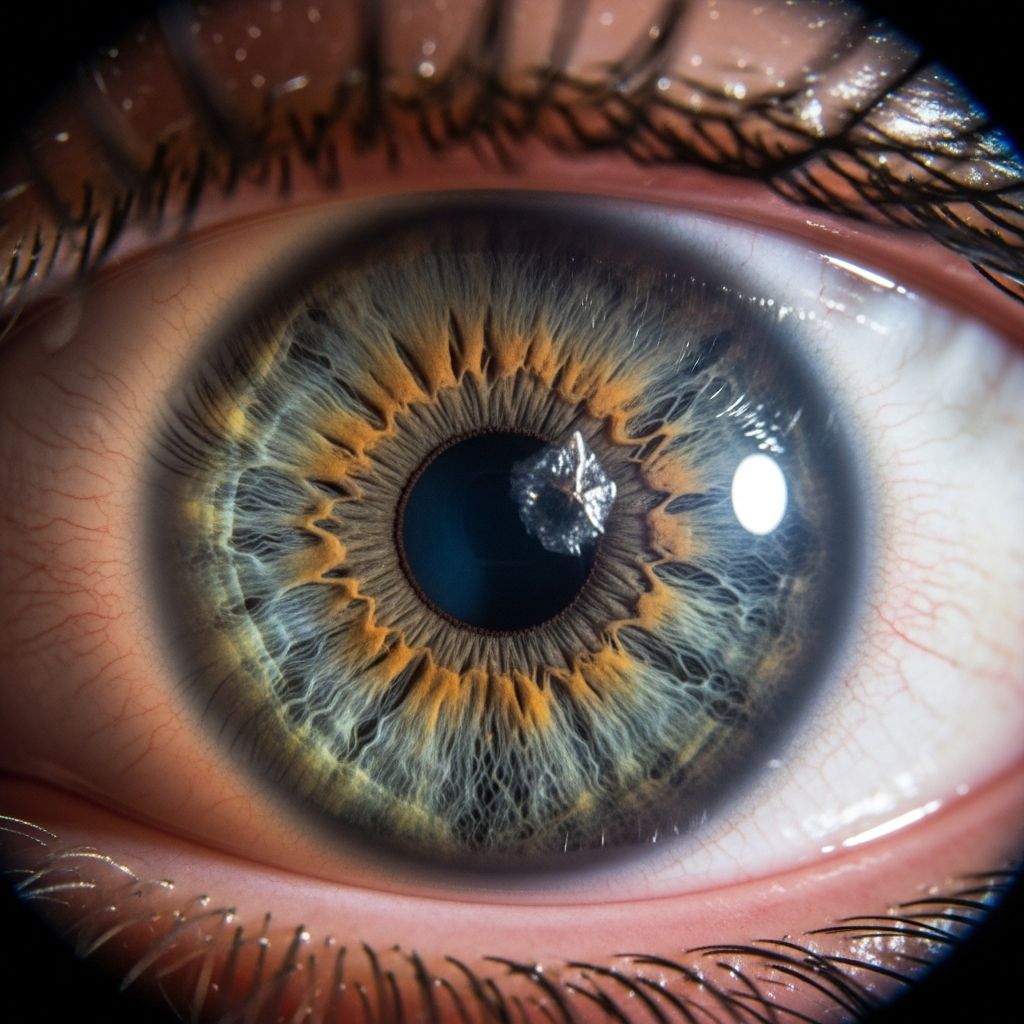
Recurrent corneal erosions represent a challenging condition where the outer layer of the cornea fails to adhere properly, leading to repeated episodes of pain, tearing, and blurred vision, often triggered by sleep or minor trauma. This guide outlines a structured approach to diagnosis, initial conservative management, pharmacological interventions, and progressive surgical techniques to promote healing and minimize recurrences.
Understanding the Condition
The cornea, the clear front surface of the eye, relies on a stable epithelial layer for protection and clarity. In recurrent corneal erosion syndrome (RCES), defects in the basement membrane or underlying Bowman’s layer disrupt this adhesion, causing sloughing of epithelial cells. Common triggers include prior trauma from fingernails, tree branches, or even paper cuts, as well as underlying disorders like epithelial basement membrane dystrophy.
Symptoms typically awaken patients with sharp pain, photophobia, foreign body sensation, and redness, lasting from minutes to hours. Over time, these episodes can lead to stromal scarring or irregular astigmatism if unmanaged. Early recognition through slit-lamp examination, revealing map-dot-fingerprint changes or loose epithelium, is crucial for timely intervention.
Initial Diagnostic Steps
Diagnosis begins with a detailed history focusing on trauma or family predisposition, followed by biomicroscopy. Fluorescein staining highlights erosions, while rose bengal or lissamine green may reveal subclinical basement membrane abnormalities. Anterior segment optical coherence tomography (AS-OCT) provides cross-sectional views of adhesion defects, aiding in severity assessment.
- History review: Note onset, frequency, and triggers.
- Slit-lamp exam: Identify loose epithelium or dystrophy patterns.
- Imaging: Use OCT for subsurface evaluation.
Conservative First-Line Therapies
Treatment escalates from non-invasive options to preserve corneal integrity. Start with aggressive lubrication to reduce eyelid-cornea shear during blinking and sleep.
- Preservative-free artificial tears 4-6 times daily.
- Thick ointments like petrolatum-based lubricants at bedtime.
- Hypertonic saline (5% solution or 2% ointment) nightly to osmotically tighten junctions.
Bandage contact lenses (BCLs), typically silicone hydrogel extended-wear types, shield the epithelium during reattachment, worn for 1-4 weeks with prophylactic antibiotics. Studies show BCLs outperform lubricants alone in reducing recurrence rates, though infection risk necessitates close monitoring.
| Treatment | Duration | Pros | Cons |
|---|---|---|---|
| Artificial Tears | Indefinite | Simple, low-cost | May not suffice for severe cases |
| Hypertonic Saline | 3-6 months nightly | Promotes adhesion | Stinging sensation |
| Bandage Lens | 1-4 weeks | Effective barrier | Infection risk |
Pharmacological Enhancements
When lubrication falls short, add agents targeting matrix metalloproteinases (MMPs), enzymes degrading epithelial anchors. Oral tetracyclines like doxycycline 50mg twice daily for 2-3 months inhibit MMP-9, reducing erosion frequency. Topical corticosteroids (fluorometholone 0.1% or loteprednol 0.5%, 2-4 times daily for 1-3 weeks) complement this by curbing inflammation, dropping haze risk post-procedure from 40% to 4%.
Autologous serum tears, derived from patient blood (20-50% dilution), supply growth factors like fibronectin for migration and anchorage. Cyclosporine 0.05% twice daily suppresses IL-2, further stabilizing epithelium in refractory cases. Address comorbidities like meibomian gland dysfunction (MGD) with warm compresses and lid hygiene to optimize outcomes.
Related Stories



Addressing Lid and Surface Issues
Lid margin irregularities exacerbate RCES by increasing friction. Botulinum toxin injection into the eyelid reduces blink force temporarily (3-6 months), offering relief in select cases. Managing blepharitis or MGD with doxycycline and steroids significantly cuts recurrence by improving tear film stability.
Surgical Interventions for Persistent Cases
For 20-40% unresponsive to medical therapy, procedural options promote scar-mediated adhesion.
Epithelial Debridement Techniques
Manual removal of loose epithelium with a spatula or blade, followed by BCL and antibiotics, aids acute healing but has high recurrence (up to 50%). Alcohol delamination (20% ethanol for 30 seconds) lifts epithelium cleanly, preserving lamina lucida and minimizing haze, superior to mechanical methods.
Diamond Burr Polishing
This office-based procedure debrides epithelium then polishes Bowman’s layer with a rotating diamond burr, creating a smooth surface for re-epithelialization. Recurrence drops to 10-20%, with rapid recovery (BCL for 4-5 days). It’s cost-effective and safe, outperforming debridement alone.
Stromal Puncture Methods
Anterior stromal puncture (ASP) uses a 25-30G needle to create micro-perforations, inducing focal scarring for adhesion. Nd:YAG laser variants offer precision, avoiding deeper damage. Best for peripheral erosions; central use risks scarring.
Advanced Laser Resurfacing
Phototherapeutic keratectomy (PTK) employs excimer laser to ablate 5-12µm of superficial cornea post-debridement, smoothing irregularities with low recurrence (<10%). Transepithelial vs. mechanical PTK shows comparable efficacy; corticosteroids mitigate haze. Reserved for visual axis involvement due to cost and haze potential.
| Procedure | Recurrence Rate | Recovery Time | Setting |
|---|---|---|---|
| Diamond Burr | 10-20% | 3-7 days | Office |
| ASP | 15-30% | 1-2 weeks | Office |
| PTK | <10% | 1-4 weeks | Surgical |
Prevention Strategies Long-Term
Post-treatment, nightly hypertonic ointment for 6+ months prevents relapse. Patient education on avoiding eye rubbing and using lubricants during dry seasons is vital. Monitor with quarterly exams initially, tapering as stability improves.
Potential Complications and Monitoring
Conservative therapies risk microbial keratitis with BCLs (1-2% incidence). Surgical options may cause haze (PTK), persistent defects, or induced astigmatism. Follow-up at 1 day, 1 week, and monthly ensures healing; discontinue steroids taper to avoid rebound.
Patient Outcomes and Evidence
Conservative measures resolve 60-70% of cases; surgery boosts success to 90%+. Evidence from randomized trials favors diamond burr over sham and PTK over delamination for symptom-free intervals.
Frequently Asked Questions (FAQs)
What triggers a corneal erosion episode?
Eyelid movement during sleep detaches poorly adhered epithelium, worsened by dry eyes or trauma history.
How long until improvement?
Acute relief in days with BCL; full prevention may take months of therapy.
Is surgery always needed?
No, 60% respond to medical management; reserve procedures for refractory cases.
Can RCES affect vision permanently?
Untreated, yes via scarring; timely intervention preserves clarity.
Are there home remedies?
Lubricants and saline are key; avoid unproven drops.
References
- Interventions for recurrent corneal erosions — Cochrane Database Syst Rev (PMC). 2019-05-28. https://pmc.ncbi.nlm.nih.gov/articles/PMC6513638/
- Treating Recurrent Corneal Erosion — ESCRS EuroTimes. 2019-01-01. https://www.escrs.org/eurotimes/treating-recurrent-corneal-erosion
- Recurrent Corneal Erosion — EyeWiki (AAO). 2023-10-01. https://eyewiki.org/Recurrent_Corneal_Erosion
- Recurrent Corneal Erosions — Wills Eye Hospital. 2022-01-01. https://www.willseye.org/recurrent-corneal-erosions/
- The OD’s Guide to Managing Recurrent Corneal Erosion — Review of Optometry. 2021-06-15. https://www.reviewofoptometry.com/article/the-ods-guide-to-managing-recurrent-corneal-erosion
Similar Articles








Read full bio of Sneha Tete