Managing Scar Tissue After Chalazion Removal
Discover effective strategies to treat and minimize scar tissue following chalazion excision for optimal eyelid recovery and appearance.
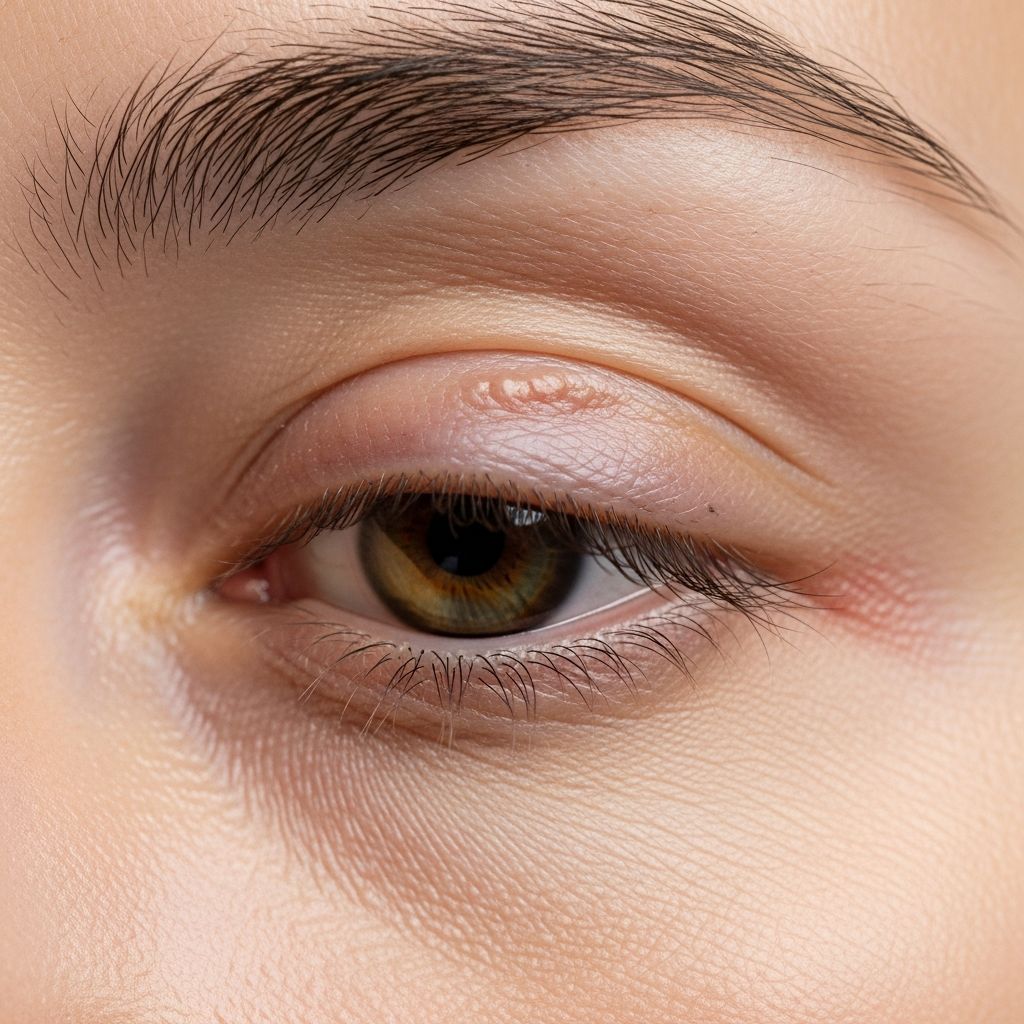
Scar tissue formation is a common concern after chalazion removal surgery, but various treatments can effectively reduce its appearance and impact on eyelid function and vision. This article delves into the causes, management options, and long-term care strategies to help patients achieve the best outcomes.
Understanding Chalazion and Its Surgical Treatment
A chalazion develops when an oil-producing gland in the eyelid becomes blocked, leading to a painless lump. Initial treatments often involve warm compresses and steroid injections, but persistent cases require surgical excision. During the procedure, the surgeon makes a small incision to drain the cyst and remove inflamed material, promoting healing. While effective, this can result in scar tissue due to the body’s natural collagen response.
The eyelid’s thin skin makes it prone to noticeable scarring if not managed properly. Factors like infection, poor wound care, or individual healing tendencies influence scar development. Early intervention is key to preventing hypertrophic or keloid scars, which are raised and disfiguring.
Why Does Scar Tissue Form Post-Surgery?
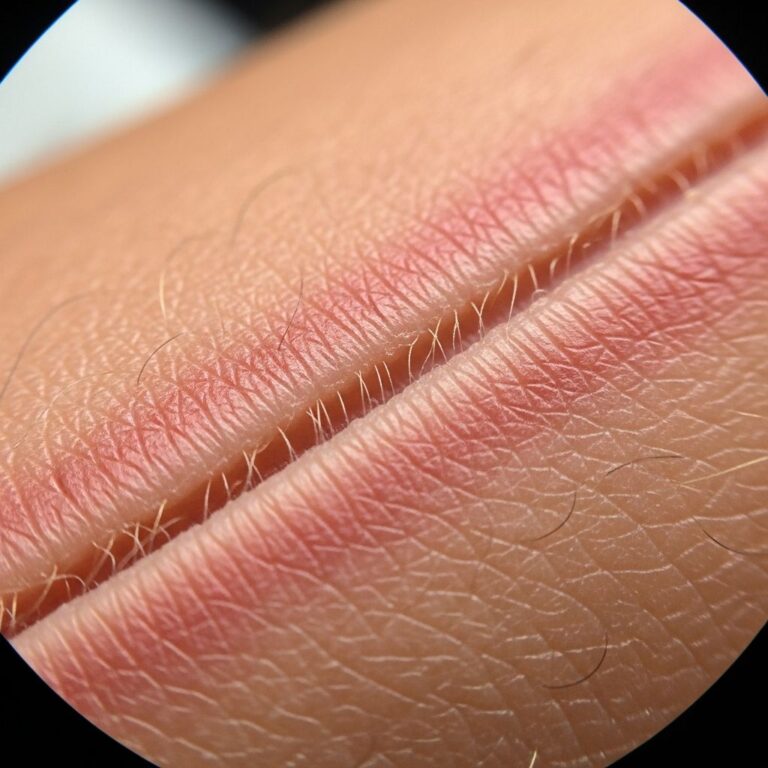
After chalazion incision and curettage, the wound healing process involves three phases: inflammation, proliferation, and remodeling. During proliferation, fibroblasts produce collagen to close the wound, but excessive or disorganized collagen leads to scars. Eyelid scars are particularly visible due to constant movement and exposure.
- Inflammation phase: Initial swelling and immune response clear debris.
- Proliferation phase: New tissue forms, including potential excess collagen.
- Remodeling phase: Collagen reorganizes; this can take 6-12 months, where scars mature and flatten.
Risk factors include genetic predisposition to keloids, sun exposure, smoking, and delayed wound closure. Understanding this process empowers patients to adopt proactive measures.
Non-Surgical Options for Scar Reduction
Most eyelid scars respond well to conservative treatments, avoiding further surgery. These methods focus on hydration, inflammation control, and collagen modulation.
Topical Treatments and Silicone Products
Silicone gels or sheets hydrate the scar, reducing collagen overproduction. Applied daily for 2-3 months, they flatten raised scars and improve texture. Studies support their efficacy for hypertrophic scars on delicate areas like eyelids.
Medicated Eye Drops and Ointments
Corticosteroid drops or ointments minimize inflammation post-surgery. For mild scarring, these can prevent progression. Lubricants maintain moisture, aiding epithelialization without irritation.
Massage Techniques
Gentle massage, starting 2 weeks post-op, breaks down collagen bundles. Use clean fingers with moisturizer, massaging in circular motions for 5 minutes twice daily. This promotes even remodeling but avoid if wounds are open.
Advanced Medical Interventions
When topical methods fall short, in-office procedures offer targeted relief with minimal downtime.
Laser Therapy
Fractional lasers create micro-injuries to stimulate collagen remodeling, ideal for eyelid scars. Vascular lasers target redness, while ablative ones resurface texture. Sessions last 15-30 minutes, with 3-5 treatments spaced 4 weeks apart. Recovery involves mild redness, resolving in days.
Related Stories



| Treatment Type | Best For | Sessions Needed | Downtime |
|---|---|---|---|
| Fractional CO2 Laser | Texture irregularities | 3-5 | 3-5 days |
| Pulsed Dye Laser | Redness and vessels | 2-4 | 1-2 days |
| Non-Ablative Laser | Mild scars | 4-6 | None |
Corticosteroid Injections
Injections into raised scars shrink tissue by inhibiting fibroblast activity. Administered monthly, they are effective for keloids, with results visible after 2-3 sessions. Side effects include temporary thinning, managed by low doses.
Cryotherapy
Freezing scar tissue with liquid nitrogen flattens minor raised areas. Combined with steroids, it’s potent for small eyelid scars, though precision is crucial to avoid pigment changes.
Surgical Scar Revision Techniques
For severe, unresponsive scars, revision surgery replaces the old scar with a finer one. Techniques include:
- Excision and closure: Precise removal followed by layered suturing in eyelid creases for camouflage.
- Skin grafts: Rare, using thin donor skin from behind the ear for large defects.
- Flap reconstruction: Local tissue rearrangement for natural contour.
Performed under local anesthesia, recovery mirrors initial chalazion surgery. Success rates exceed 80% for improved cosmesis when done by oculoplastic specialists.
Post-Treatment Recovery and Care Guidelines
Optimal healing requires diligent aftercare, regardless of treatment modality.
- Apply cold compresses first 48 hours to curb swelling.
- Elevate head during sleep to reduce fluid buildup.
- Avoid rubbing eyes or makeup for 2 weeks.
- Use broad-spectrum sunscreen (SPF 50+) daily to prevent hyperpigmentation.
- Follow-up with ophthalmologist at 1 week, 1 month, and 3 months.
Nutrition aids recovery: Vitamin C, zinc, and protein support collagen synthesis. Hydration and quitting smoking accelerate remodeling.
Preventing Scars from the Start
Proactive steps during initial chalazion management minimize surgery needs and scar risk.
- Consistent warm compresses (10-15 min, 4x daily) resolve 50% of chalazia non-surgically.
- Intra-lesional steroids shrink cysts without incision.
- Choose experienced surgeons for hidden incisions.
Post-op, immediate silicone application and hygiene prevent complications like infection, which worsens scarring.
Potential Complications and When to Seek Help
Monitor for infection (redness, pus), excessive pain, or vision changes. Keloid formers should start preventive steroids early. Rare issues include ectropion (eyelid eversion) from contracture, correctable surgically.
FAQs on Chalazion Scar Management
Q: How long do eyelid scars take to fade?
A: Most mature in 6-12 months, becoming 80% less visible with proper care.
Q: Can over-the-counter creams help?
A: Silicone-based ones yes; avoid irritants like retinoids initially.
Q: Is laser safe on eyelids?
A: Yes, when performed by specialists using eye protection.
Q: Will scars affect vision?
A: Rarely, unless distorting cornea; treat promptly.
Q: What’s the success rate of treatments?
A: 70-90% improvement with combined therapies.
Lifestyle Tips for Long-Term Eyelid Health
Maintain hygiene with lid scrubs to prevent recurrent chalazia. Omega-3 supplements reduce gland inflammation. Annual eye exams catch issues early.
In summary, while scar tissue after chalazion removal is common, a tiered approach—from topicals to lasers and surgery—yields excellent results. Patient compliance drives success.
References
- Corneal Scarring Treatment: Methods and Recovery Options — Eye Institute. 2024. https://eyeinstitute.com/corneal-scarring-treatment-methods-and-recovery-options/
- Is Scar Tissue Normal After Cataract Surgery — Apollo 247. 2025. https://www.apollo247.com/health-topics/cataract/cataract-surgery-and-scar-tissue
- How to Reduce Scar Tissue After Surgery — Alexander Orthopaedics. 2024. https://alexanderorthopaedics.com/blog/how-to-reduce-scar-tissue-after-surgery/
- Eyelid Surgery Scars: Healing, Prevention, and Treatment Options — Dr. M. MacDonald. 2025. https://www.drmmacdonald.com/blog/eyelid-surgery-scars-healing-prevention-and-treatment-options
- Epiretinal Membrane (Scar Tissue) — Manchester University NHS Foundation Trust. 2019. https://mft.nhs.uk/app/uploads/sites/2/2019/05/REH-166.pdf
Similar Articles








Read full bio of medha deb