Managing Snoring: Evidence-Based Strategies
Discover practical, science-backed approaches to reduce snoring and improve sleep quality.
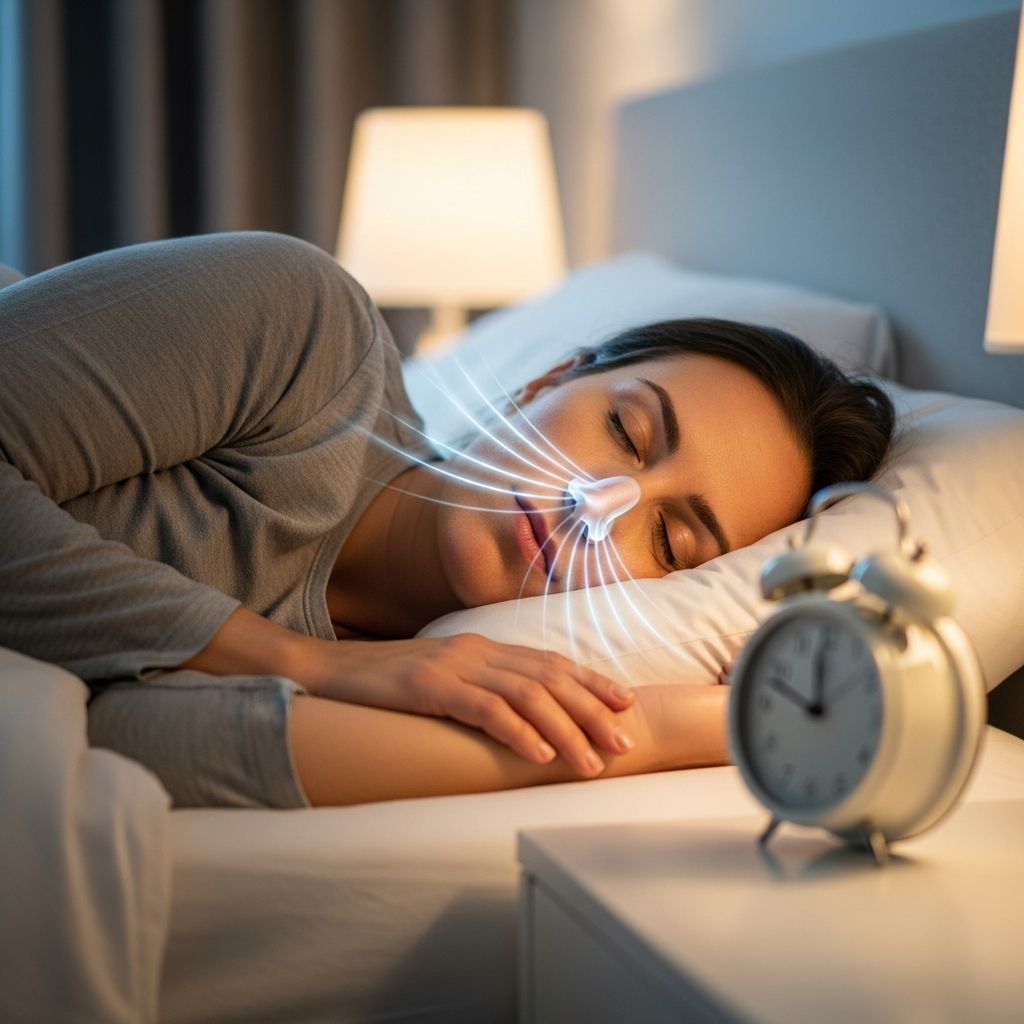
Snoring affects millions of people worldwide and can significantly impact both personal sleep quality and the rest of an entire household. While snoring itself is often harmless, it can be a symptom of underlying sleep disorders or lifestyle factors that warrant attention. Understanding the mechanics of snoring and exploring practical solutions can lead to improved sleep health and overall well-being.
Understanding the Physiology of Snoring
Snoring occurs when air flowing through the nose and mouth creates turbulence in the throat, causing tissues to vibrate and produce characteristic sounds. During sleep, the muscle tone in the throat, mouth, and tongue naturally decreases. This relaxation can narrow the airway, forcing air to move more forcefully through the restricted space, intensifying vibrations in the soft tissues.
The specific tissues that vibrate vary from person to person, which is why snoring sounds differ between individuals. Some people experience vibration primarily in the soft palate, while others may have vibrations originating from the tongue or other throat structures. This physiological understanding is important because it helps determine which treatment approaches may be most effective for each individual.
Primary Factors Contributing to Snoring
Multiple factors can either initiate snoring or make it more likely to occur. These causes can be classified into lifestyle-related and anatomical categories.
Lifestyle-Related Factors
- Alcohol consumption: Consuming alcohol before bedtime significantly relaxes throat muscles and diminishes the body’s natural defenses against airway obstruction. This is one of the most modifiable risk factors.
- Sleep position: Sleeping on your back allows gravity to affect the throat tissue, narrowing the airway more substantially. This sleeping position is typically associated with the most frequent and loudest snoring.
- Weight gain: Additional body weight, particularly in the neck and throat area, increases fatty tissue that can obstruct the airway during sleep.
- Smoking: Tobacco use irritates the throat and can contribute to inflammation that narrows airways.
- Sleep deprivation: Insufficient sleep causes deeper muscle relaxation, exacerbating airway narrowing.
Anatomical and Medical Factors
- Nasal obstruction: A deviated nasal septum, chronic sinus congestion, or nasal polyps can force mouth breathing during sleep, which worsens airway mechanics.
- Enlarged tissues: Enlarged tonsils, adenoids, or an elongated soft palate can physically obstruct the airway.
- Sleep apnea: This serious condition involves temporary airway blockage during sleep and requires professional medical evaluation.
- Genetic predisposition: Family history of snoring or obstructive sleep apnea increases individual risk.
- Age and muscle tone: As people age, throat muscles naturally lose tone, increasing snoring susceptibility.
Practical Lifestyle Modifications
Many people can significantly reduce or eliminate snoring through straightforward lifestyle adjustments. These modifications require no special equipment and can be implemented immediately.
Related Stories



Sleep Position Optimization
Changing from back sleeping to side sleeping is one of the most effective and simplest interventions. When sleeping on your side, gravity no longer collapses throat tissues into the airway, allowing for more natural breathing patterns. Some people find positional aids or body pillows helpful for maintaining side-sleeping positions throughout the night.
Weight Management
For individuals who are overweight, gradual weight loss can dramatically improve snoring. Even modest reductions in body weight can decrease fatty tissue accumulation in the throat region, leading to measurable improvements in snoring severity. Regular physical exercise provides dual benefits: it promotes weight loss while also strengthening throat and tongue muscles.
Alcohol and Substance Avoidance
Eliminating or substantially reducing alcohol consumption, particularly in the hours before bedtime, can prevent throat muscle over-relaxation. Similarly, avoiding sedating medications that aren’t medically necessary can help maintain proper muscle tone during sleep.
Smoking Cessation
Quitting smoking reduces throat inflammation and irritation, contributing to improved airway patency during sleep.
Adequate Sleep Duration
Prioritizing sufficient sleep allows muscles to maintain better tone and reduces the deep relaxation that exacerbates snoring.
Over-the-Counter and Non-Surgical Interventions
Several devices and products are available without prescription to help manage snoring. These range from simple mechanical aids to more specialized breathing devices.
Nasal Aids
Nasal strips and dilators physically hold nasal passages open, facilitating easier breathing through the nose rather than the mouth. These devices are particularly helpful for individuals with nasal congestion or structural nasal obstruction. Nasal resistance valves, such as specialized commercial products, can reduce snoring by creating slight back-pressure during breathing.
Oral Appliances
Mandibular advancement devices are worn in the mouth and gently bring the tongue forward, preventing it from collapsing backward into the airway. Other oral devices can encourage nasal breathing rather than mouth breathing during sleep. These appliances are generally most effective for mild to moderate snoring and may also benefit some individuals with sleep apnea.
Chin Straps and Vestibular Shields
A chin strap holds the mouth closed during sleep, encouraging nasal breathing and preventing the airway mechanics deterioration that occurs with open-mouth sleep. Some individuals find these devices uncomfortable initially but adapt with consistent use.
Professional Medical Treatments
When lifestyle modifications and over-the-counter interventions prove insufficient, healthcare providers can offer more sophisticated treatment options.
CPAP and BiPAP Machines
Continuous Positive Airway Pressure (CPAP) devices and Bilevel Positive Airway Pressure (BiPAP) machines deliver pressurized air through a mask to maintain open airways during sleep. While often associated with sleep apnea treatment, these devices can also reduce snoring. Patients typically require an adjustment period to become comfortable with these devices.
Palatal Procedures
Several office-based surgical procedures can reduce snoring by stiffening the soft palate:
- Palatal implants: Rigid fiber implants or suspension sutures are surgically placed in the soft palate under local anesthesia. The body’s natural scarring response, combined with the implants, stiffens the palate and reduces vibration.
- Radiofrequency treatment: Heat energy is applied to the soft palate to promote stiffening. Multiple sessions may be required, but discomfort and recovery time are generally moderate.
- Injection snoreplasty: Chemical injection into the soft palate creates controlled inflammation and scar tissue formation, stiffening the palate. While cost-effective, this approach involves more pain and recovery time than other palatal procedures.
Nasal and Airway Surgery
Surgical correction of structural abnormalities can address snoring when anatomy is the primary cause. Procedures may include septoplasty for a deviated septum, turbinate reduction for enlarged nasal structures, or polyp removal. Additionally, tonsillectomy or adenoidectomy may be beneficial when enlarged tonsils or adenoids are identified as the primary obstruction.
Allergy and Congestion Management
Nasal steroid sprays and other allergy management medications can reduce congestion that contributes to snoring. Addressing underlying allergies or sinus conditions often produces noticeable improvements in snoring severity.
When to Seek Professional Evaluation
While occasional snoring is typically benign, persistent or worsening snoring warrants professional assessment. Healthcare providers should be consulted if snoring is accompanied by witnessed breathing pauses, excessive daytime sleepiness, morning headaches, or difficulty concentrating. These symptoms may indicate obstructive sleep apnea, a condition with significant health implications including increased risk of high blood pressure and cardiovascular complications.
An otolaryngologist (ear, nose, and throat specialist) or sleep medicine physician can perform appropriate diagnostic testing, including sleep studies if indicated, to determine the cause of snoring and recommend individualized treatment strategies.
Frequently Asked Questions
Can snoring be completely eliminated?
Many cases of snoring can be significantly reduced or eliminated through appropriate interventions. Success depends on identifying the underlying cause and selecting treatments matched to that cause. Some individuals achieve complete resolution through lifestyle changes alone, while others require medical or surgical intervention.
Is snoring always a sign of sleep apnea?
No. While snoring can be a symptom of obstructive sleep apnea, it can also result from simple anatomical factors or lifestyle habits without any underlying sleep disorder. However, snoring should be evaluated professionally to rule out sleep apnea, particularly if accompanied by other concerning symptoms.
How long do lifestyle changes take to reduce snoring?
Some interventions, such as sleeping on your side or avoiding alcohol before bed, may produce immediate improvements. Weight loss and improved fitness typically require several weeks to months to demonstrate measurable effects on snoring.
Are over-the-counter snoring products effective?
Many over-the-counter products can help reduce snoring, particularly nasal strips and oral appliances for mild snoring. Effectiveness varies considerably between individuals based on the specific cause of their snoring. Products addressing nasal obstruction tend to be most effective.
What is the success rate of snoring surgery?
Success rates vary depending on the specific procedure and the underlying cause of snoring. Procedures addressing identified anatomical issues tend to have higher success rates than those used without clear anatomical correlation. Professional evaluation helps determine whether surgery is likely to be beneficial.
Developing Your Personal Strategy
Effective snoring management typically begins with identifying modifiable lifestyle factors. Starting with sleep position changes, weight management efforts if relevant, and alcohol avoidance often produces significant improvements without medical intervention. If these modifications provide insufficient relief, over-the-counter devices targeting specific anatomical features can be explored. Professional evaluation becomes important when snoring persists despite these initial efforts or when concerning symptoms suggest possible sleep apnea.
By understanding snoring’s physiological basis and systematically addressing contributing factors, most individuals can achieve meaningful improvement in sleep quality and household harmony.
References
- Snoring: causes, prevention and treatments — Health Service Executive (HSE). https://www2.hse.ie/conditions/snoring/
- Treatment Options for Adults with Snoring — American Academy of Otolaryngology–Head and Neck Surgery. https://www.enthealth.org/be_ent_smart/treatment-options-for-adults-with-snoring/
- Snoring: Causes, Remedies & Prevention — Cleveland Clinic. https://my.clevelandclinic.org/health/diseases/15580-snoring
- Snoring – Symptoms and causes — Mayo Clinic. https://www.mayoclinic.org/diseases-conditions/snoring/symptoms-causes/syc-20377694
- Snoring: Causes, Remedies, and Prevention — Colorado ENT & Allergy. https://coloradoent.com/blog/snoring-causes-remedies-and-prevention/
- What doctors wish patients knew about snoring — American Medical Association. https://www.ama-assn.org/public-health/prevention-wellness/what-doctors-wish-patients-knew-about-snoring
Similar Articles








Read full bio of medha deb