Managing Urinary Incontinence Through Bladder Control
Evidence-based strategies to strengthen bladder function and regain urinary control
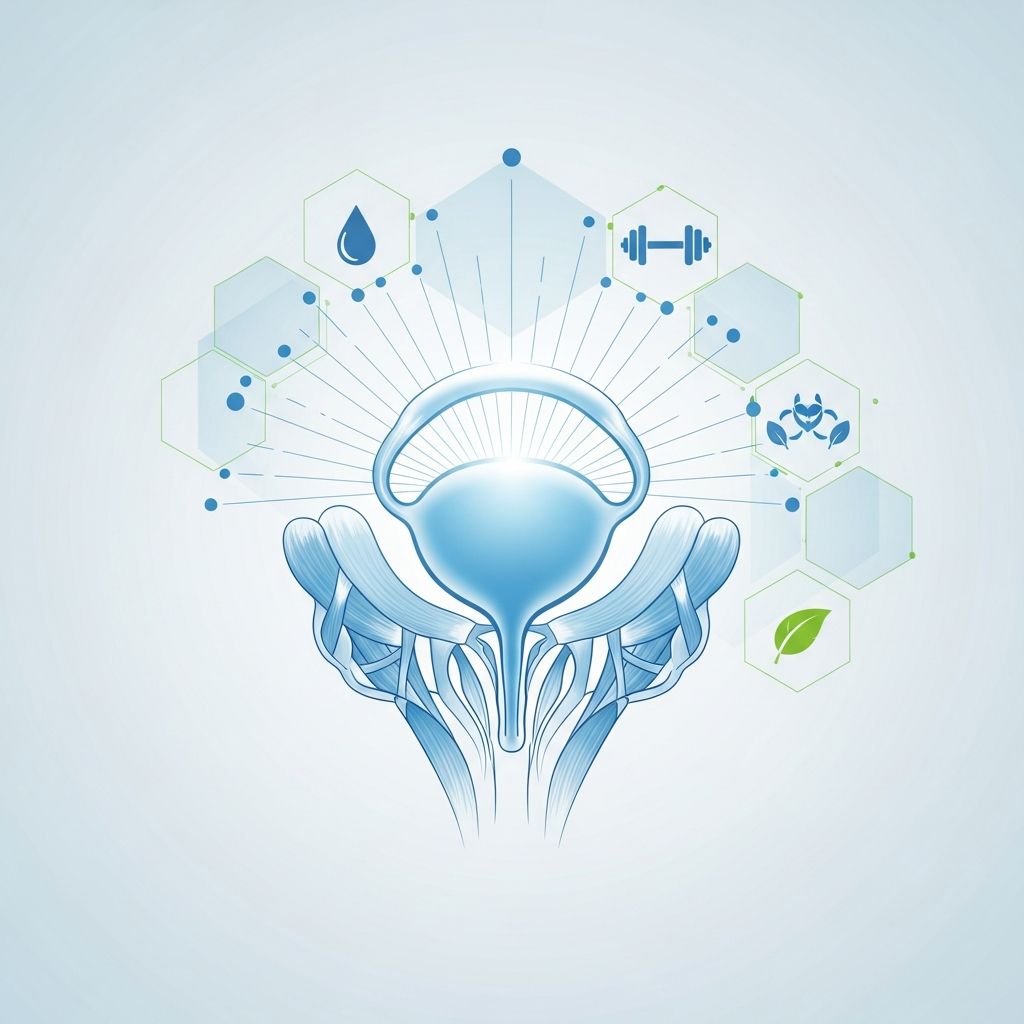
Urinary incontinence affects millions of adults worldwide and can significantly impact quality of life, social interactions, and overall well-being. Whether you experience sudden leakage during physical activities or struggle with frequent, urgent trips to the bathroom, effective management strategies exist that can help restore confidence and control. This comprehensive guide explores evidence-based approaches to address incontinence and strengthen your bladder function.
Understanding the Foundations of Bladder Management
Behavioral bladder management represents one of the most effective and accessible approaches to treating urinary incontinence. This form of therapy works by retraining your bladder to hold larger volumes of urine and increasing the time intervals between bathroom visits. Rather than relying solely on medications or invasive procedures, this method empowers you to take an active role in managing your condition through structured practices and conscious habit modification.
The fundamental principle behind this approach involves teaching your bladder to function more efficiently by gradually expanding its capacity and improving your voluntary control over urination. This process mimics how any muscle in the body responds to training—with consistent practice and progressive challenges, the bladder adapts and strengthens.
Types of Incontinence and How They Respond to Treatment
Understanding which type of incontinence you experience is crucial for selecting the most appropriate treatment strategy. Healthcare providers recognize several distinct categories, each with different underlying causes and treatment responses.
Stress incontinence occurs when urine leaks during activities that place pressure on your lower abdominal muscles. This might happen when you cough, sneeze, laugh, exercise, or lift heavy objects. This type primarily affects people with weakened pelvic floor muscles that support the bladder and urethra.
Urge incontinence involves a sudden, powerful need to urinate that arrives too quickly for you to reach a toilet. Your bladder may feel full and contract involuntarily, causing leakage before you can respond. This often reflects an overactive bladder that sends urgent signals even when it contains only small amounts of urine.
Mixed incontinence combines characteristics of both stress and urge types, requiring a comprehensive treatment approach that addresses multiple contributing factors.
The Progressive Training Protocol
Successful bladder management follows a systematic approach that gradually increases your bladder’s capacity and extends intervals between bathroom visits. This progression works because your bladder responds positively to incremental challenges, similar to how athletic training builds endurance.
Initial Assessment and Planning
Before beginning any training program, consult with your healthcare provider to determine the underlying cause of your incontinence and receive personalized recommendations. Your doctor may ask you to maintain a urination diary for several days, recording the times you urinate, the amounts, and any episodes of leakage. This baseline information helps your healthcare team design a program suited to your specific needs and allows you to track progress objectively.
Related Stories



Establishing Your Starting Point
Begin your training by attempting to delay urination for a short interval—typically just 5 minutes after you feel the initial urge. When you successfully resist the urge using suppression techniques, your bladder learns that it can safely hold more urine. Once delaying for 5 minutes becomes comfortable and manageable, gradually extend this interval by 15 to 30 minutes each week.
Progressive Interval Extension
Continue incrementally increasing the time between bathroom visits as your comfort level improves. The ultimate goal for most people involves maintaining comfortable intervals of 3 to 4 hours between voids, though your personal target may differ based on your individual circumstances and preferences. This timeline is individualized—some people progress more rapidly while others require additional time to adapt.
Essential Techniques for Urge Suppression
Successfully extending bathroom intervals depends on your ability to manage and suppress the urgent sensation of needing to urinate. Several evidence-based techniques prove effective when you experience that sudden urge.
Relaxation and Mental Control
When the urge strikes, pause and focus on relaxing your body rather than rushing to the toilet. Tension often intensifies the sensation of urgency and makes it harder to resist. Take slow, deep breaths and consciously relax your muscles, particularly in your lower abdomen and pelvic region. This calming approach frequently reduces the intensity of the urge within several minutes.
Pelvic Floor Muscle Engagement
Performing pelvic floor exercises during moments of urgency provides an immediate physiological response that combats the bladder’s involuntary contractions. When you squeeze these muscles firmly, you create pressure that helps prevent urine leakage and signals your bladder that voluntary control is in effect. This technique, performed during urgent moments, reinforces your neural pathways and strengthens the connection between conscious intention and bladder function.
Strengthening Your Pelvic Floor Foundation
The muscles supporting your bladder, urethra, uterus, and bowel form a critical foundation for continence. Strengthening these structures through targeted exercises produces measurable improvements in incontinence symptoms.
Kegel Exercise Fundamentals
Kegel exercises specifically target the pelvic floor muscles responsible for controlling urine flow. Originally developed for women, these exercises benefit people of any gender who struggle with incontinence. To perform Kegel exercises effectively:
- Identify the correct muscles by stopping the flow of urine midstream—the muscles you use for this action are your pelvic floor muscles
- Once identified, contract these muscles for 2 seconds, then relax completely for 2 seconds
- Gradually work up to holding contractions for longer periods as your strength improves
- Perform these exercises consistently throughout your day, whether sitting at your desk, commuting, or relaxing at home
- Aim for multiple sets daily to achieve meaningful strengthening over several weeks
The advantage of Kegel exercises lies in their flexibility—they require no special equipment, can be performed anywhere discreetly, and fit easily into any daily routine.
Professional Physical Therapy Support
Pelvic floor physical therapy provides professional guidance from trained specialists who teach proper technique and progression. A therapist can assess your specific muscle weakness patterns, provide hands-on guidance, and employ biofeedback technology to help you understand exactly which muscles to engage. This professional oversight often produces faster results and ensures you’re performing exercises correctly for maximum benefit.
Timeline Expectations and Realistic Progress
One of the most important aspects of successful incontinence management involves maintaining realistic expectations about the timeline for improvement. Bladder training requires patience and consistency—you should anticipate needing 3 to 12 weeks of dedicated effort before noticing significant changes. Some people experience improvements within weeks, while others require several months of training to reach their full potential.
During your training period, resist discouragement if immediate results don’t appear. Your bladder, like any muscle, requires time to adapt to new demands and patterns. Continuing to track your progress through a diary helps you recognize gradual improvements that might otherwise escape your notice—fewer leakage episodes, slightly longer intervals between bathroom visits, or reduced urgency sensations all represent meaningful progress.
Research indicates that consistent practice for at least 6 weeks represents the minimum duration needed to establish new patterns, and ongoing practice remains essential to maintain the benefits you achieve.
Supporting Lifestyle Factors
While bladder training forms the foundation of treatment, several lifestyle modifications can enhance your results and reduce incontinence symptoms.
Weight Management Benefits
Excess weight places additional pressure on your bladder and pelvic floor structures, contributing to incontinence symptoms. Even modest weight reduction can significantly improve incontinence, particularly for stress-related leakage. The pressure reduction allows your pelvic muscles to function more effectively and reduces the overall load they must support.
Fluid and Dietary Considerations
While maintaining adequate hydration remains important for overall health, you might notice that certain beverages exacerbate incontinence symptoms. Caffeine, alcohol, and acidic drinks can irritate the bladder and increase urgency. Evaluating your fluid intake patterns and identifying troublesome substances helps you optimize your intake for better bladder control.
Regular Physical Activity
Exercise strengthens pelvic floor muscles, improves overall muscle tone, supports healthy weight management, and reduces symptoms for many people with incontinence. Consistent physical activity contributes to incontinence improvement through multiple mechanisms.
Medical Consultation and Personalized Treatment Plans
Your healthcare provider plays a crucial role in determining the most appropriate treatment approach for your specific situation. Before initiating any bladder training program, discuss your incontinence with your doctor and describe your symptoms in detail.
Essential questions to address with your healthcare provider include:
- What type of urinary incontinence do you have, and what underlying factors contribute to it?
- Will bladder training provide effective treatment for your particular condition?
- Which specific training methods align best with your needs and lifestyle?
- What information should you record in a tracking diary to monitor your progress?
- Are additional interventions necessary beyond behavioral training?
- When should you schedule follow-up appointments to assess your improvement?
Your doctor may recommend combining bladder training with other approaches such as pelvic floor physical therapy, medication, or lifestyle modifications based on your individual diagnosis.
Treatment Effectiveness Evidence
Research examining behavioral bladder training demonstrates measurable benefits for incontinence management. Studies indicate that bladder training compares favorably to some pharmaceutical interventions, with participants reporting better outcomes including higher rates of perceiving cure and substantially fewer adverse effects. When combined with pelvic floor exercises and biofeedback, training produces improvements in both symptom perception and quality of life measurements.
While the evidence base continues to evolve, current research supports bladder training as an effective first-line treatment, particularly for overactive bladder symptoms. The approach proves especially valuable because it addresses the root cause of symptoms rather than merely masking them.
Maintaining Long-Term Success
Achieving improved bladder control through training requires ongoing commitment to maintaining the benefits you’ve gained. Your bladder, like other muscles, loses conditioning if you discontinue your practice regimen. Continuing regular pelvic floor exercises and maintaining the bathroom interval habits you’ve established preserves your improvement over time.
Many people find that after reaching their goals, they can maintain progress by performing pelvic floor exercises several times weekly rather than daily, though individual needs vary. Your healthcare provider can advise on the optimal maintenance routine for your situation.
References
- Bladder training for urinary incontinence in adults — PubMed Central (NCBI). 2004. https://pubmed.ncbi.nlm.nih.gov/14973967/
- Bladder Training | Patient Education — UCSF Health. Accessed 2026. https://www.ucsfhealth.org/education/bladder-training
- Bladder Training for Urinary Incontinence — Family Doctor. Accessed 2026. https://familydoctor.org/bladder-training-urinary-incontinence/
- Bladder Training — British Association of Urological Surgeons. Accessed 2026. https://www.baus.org.uk/
- 10 ways to stop leaks – Urinary incontinence — NHS. Accessed 2026. https://www.nhs.uk/conditions/urinary-incontinence/10-ways-to-stop-leaks/
Similar Articles








Read full bio of medha deb