Mandelic Acid: Benefits, Uses, and Skincare Guide
Discover mandelic acid: the gentle AHA that transforms skin texture, reduces acne, and fades hyperpigmentation effectively.
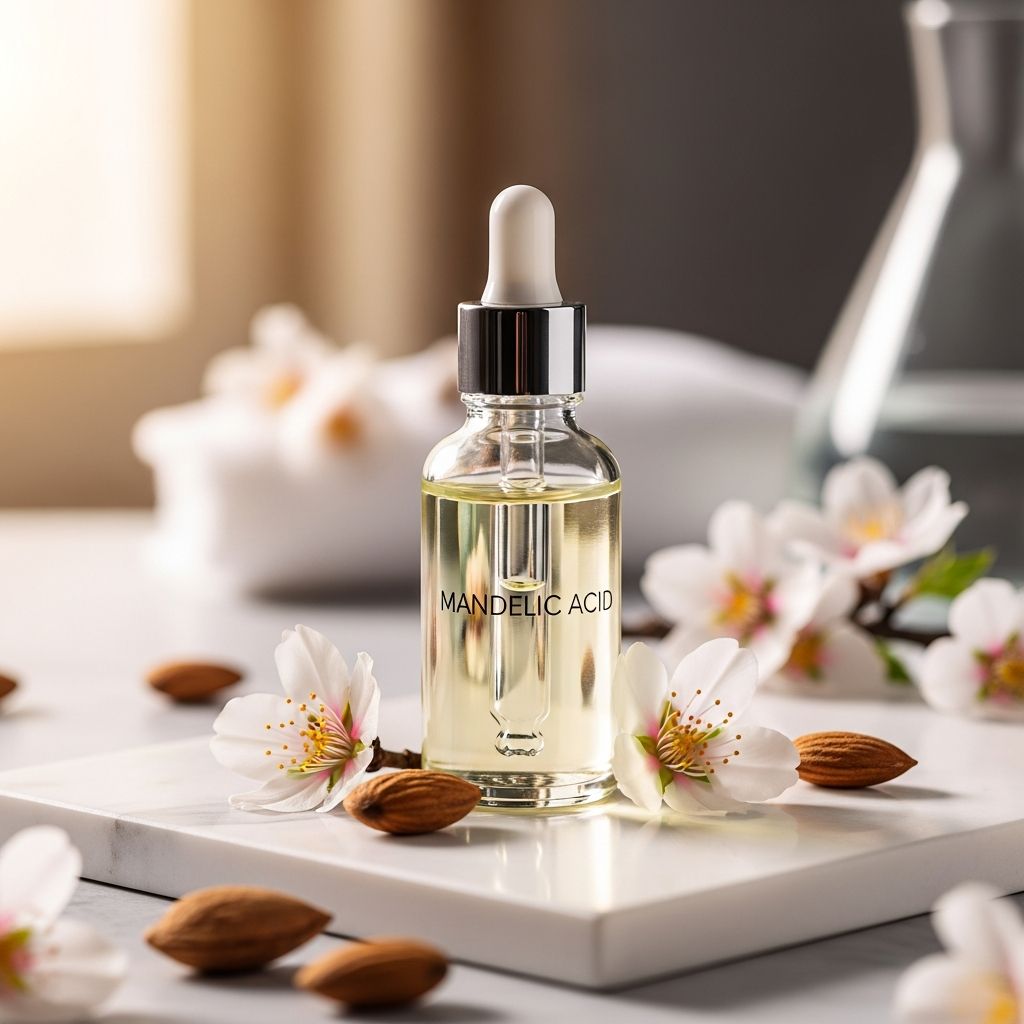
Mandelic acid has emerged as one of the most versatile and gentle ingredients in modern skincare, offering transformative benefits for a wide range of skin concerns. As a naturally derived alpha hydroxy acid (AHA), mandelic acid works through chemical exfoliation to address acne, hyperpigmentation, fine lines, and uneven skin texture. What sets mandelic acid apart from other AHAs is its larger molecular size, which allows it to penetrate the skin more gradually and gently, making it suitable even for sensitive skin types.
What Is Mandelic Acid?
Mandelic acid is an alpha hydroxy acid (AHA) derived from bitter almonds, making it a naturally sourced skincare ingredient. Unlike smaller AHA molecules like glycolic acid, mandelic acid’s larger molecular structure penetrates the skin at a slower, more controlled rate. This characteristic makes it significantly gentler than many other chemical exfoliants while still delivering impressive results. Mandelic acid functions as a chemical exfoliant that works by dissolving the bonds between dead and living skin cells through a process called keratolysis, effectively removing layers of dull, damaged skin to reveal fresher, brighter skin beneath.
Key Benefits of Mandelic Acid
1. Clears Acne
One of the most compelling benefits of mandelic acid is its ability to effectively treat acne. The ingredient works through multiple mechanisms to combat breakouts. Its antibacterial properties help eliminate acne-causing bacteria, while its exfoliating effects remove dead skin cells and unclog pores that trap sebum and bacteria. Additionally, mandelic acid helps regulate sebum production, reducing the oily conditions that contribute to acne development. Research demonstrates that mandelic acid is particularly effective for inflammatory acne, including papules and pustules, often performing comparably to or better than salicylic acid with fewer adverse effects.
2. Brightens and Evens Skin Tone
Mandelic acid serves as a natural brightener that works on multiple levels to enhance skin luminosity. Through its exfoliating action, it removes dead skin cells from the surface, instantly revealing brighter, fresher skin underneath. Regular use of mandelic acid products leads to increased cell turnover, which disperses accumulated melanin from the upper layers of skin. This accelerated cellular renewal creates a more radiant, even complexion with a noticeable glow. The cumulative effect of consistent mandelic acid use results in a complexion that appears noticeably more luminous and refined.
3. Fades Hyperpigmentation and Dark Spots
Mandelic acid addresses hyperpigmentation through dual mechanisms. First, it accelerates cell turnover, which helps disperse existing melanin from the upper layers of skin, reducing the appearance of dark marks and sun damage. More impressively, mandelic acid also inhibits tyrosinase, the enzyme responsible for stimulating melanin production in deeper skin layers. By blocking this enzyme, mandelic acid prevents future discoloration while treating existing pigmentation issues. Clinical research from 1999 demonstrated that mandelic acid treatments could reduce hyperpigmentation in melasma by as much as 50 percent within approximately four weeks, making it a particularly effective option for those struggling with this challenging skin condition.
4. Smooths Fine Lines and Wrinkles
The anti-aging benefits of mandelic acid extend beyond surface-level improvements. By promoting cellular turnover and stimulating collagen production, mandelic acid helps create firmer, smoother, more youthful-looking skin. Collagen, the primary protein found in skin and connective tissue, naturally decreases with age, leading to the formation of fine lines and wrinkles. Mandelic acid’s ability to stimulate collagen synthesis helps counteract this age-related decline, resulting in improved skin elasticity and a more youthful appearance. Studies from 2013 showed that chemical peels containing mandelic acid effectively stimulate collagen production, helping to soften the visible appearance of wrinkles and fine lines.
Related Stories



5. Improves Overall Skin Texture and Tone
Through its dual action as an exfoliant and cell-turnover accelerator, mandelic acid creates a retexturing effect that dramatically improves overall skin quality. The increased cellular turnover clears surface debris and promotes the emergence of newer, smoother skin cells. This process results in noticeably smoother skin with a more even, luminous tone. The cumulative benefits of these texture and tone improvements create a complexion that appears not only healthier but also more refined and polished.
Why Mandelic Acid Is Gentle on Sensitive Skin
The primary reason mandelic acid stands out as a gentler option compared to other AHAs is its molecular structure. Being one of the largest AHA molecules available, mandelic acid penetrates the skin more slowly and gradually than smaller molecules like glycolic acid or lactic acid. This slower penetration rate means less irritation and a lower risk of adverse reactions, making mandelic acid an ideal choice for those with sensitive or reactive skin. People with sensitive or acne-prone skin experience significantly fewer issues with mandelic acid than with other chemical exfoliants, allowing them to enjoy the benefits of chemical exfoliation without excessive redness, irritation, or discomfort. Its gentleness also makes it suitable for all skin types, from dry and sensitive to oily and acne-prone.
How to Use Mandelic Acid in Your Skincare Routine
Incorporating mandelic acid into your daily skincare regimen requires a thoughtful approach to maximize benefits while minimizing potential irritation. Here’s a practical guide for morning and evening routines:
Morning Routine
- Cleanser: Start with a gentle, pH-balanced cleanser appropriate for your skin type
- Antioxidant serum: Apply an antioxidant product to protect against environmental stressors
- Sunscreen: Finish with a broad-spectrum sunscreen with at least SPF 30, as mandelic acid increases photosensitivity
Evening Routine
- Cleanser: Use a gentle cleanser to remove the day’s impurities and makeup
- Mandelic acid treatment: Apply your mandelic acid product according to manufacturer instructions, typically 2-3 times weekly for beginners
- Moisturizer: Follow with a nourishing moisturizer to support the skin barrier
- Optional: Consider incorporating complementary ingredients like Vitamin A, B, or C serums on non-mandelic acid nights
Mandelic Acid and Combination Treatments
While mandelic acid is powerful on its own, strategic combinations with complementary ingredients can enhance its effectiveness. However, careful consideration and patch testing are essential when combining acids or other actives.
Mandelic Acid + Salicylic Acid
This combination creates an acne-fighting powerhouse. Mandelic acid’s antibacterial qualities work synergistically with salicylic acid’s ability to penetrate deep into pores and exfoliate dead skin cells from within. This pairing is particularly effective for stubborn acne but should be used cautiously to avoid over-exfoliation and irritation.
Mandelic Acid + Retinol
Retinol and mandelic acid form a synergistic combination that addresses acne, signs of aging, and hyperpigmentation simultaneously. Mandelic acid’s exfoliating effects enhance the penetration of retinoids, optimizing their results. Additionally, mandelic acid’s antibacterial activity amplifies the acne-fighting benefits of this already highly effective pairing. This combination requires careful introduction and should typically be used on alternate nights to prevent excessive irritation.
Important Caution with Acid Combinations
While mandelic acid can be combined with other products, extra caution should be exercised when pairing it with other acids, including retinoic acid, other AHAs, or BHAs. Over-exfoliation can compromise the skin barrier, leading to irritation, sensitivity, and potential long-term damage. Always perform patch testing before combining mandelic acid with other active ingredients, and consider consulting with a dermatologist to develop a personalized combination strategy.
Mandelic Acid vs. Other Alpha Hydroxy Acids
| AHA Type | Molecular Size | Penetration Depth | Gentleness | Best For |
|---|---|---|---|---|
| Mandelic Acid | Largest | Slow/Gradual | Very Gentle | Sensitive, acne-prone, all skin types |
| Glycolic Acid | Smallest | Fast/Deep | Strong | Resilient skin types |
| Lactic Acid | Medium | Moderate | Gentle | Sensitive, dry skin |
Clinical Evidence and Research
Scientific research supports mandelic acid’s effectiveness across multiple skin concerns. In clinical studies, a 45 percent mandelic acid chemical peel proved equally effective as a 30 percent salicylic acid peel for treating mild to moderate acne, with mandelic acid showing superior results for inflammatory lesions and fewer adverse effects. Additional research demonstrates that mandelic acid treatments of concentrations ranging from 10 percent to 50 percent effectively fade dark spots and address discoloration concerns. The body of evidence consistently supports mandelic acid as an evidence-based skincare ingredient with significant therapeutic potential.
Potential Side Effects and Precautions
While mandelic acid is generally well-tolerated, especially compared to other AHAs, some individuals may experience mild side effects, particularly when starting treatment. Common side effects may include temporary redness, slight irritation, mild sensitivity, or mild peeling. These effects typically subside as the skin acclimates to the ingredient. To minimize adverse effects, start with lower concentrations and less frequent applications, gradually increasing frequency as tolerance develops. Always patch test new products before full-face application, wear sunscreen daily during mandelic acid use, and avoid combining mandelic acid with other potentially irritating ingredients until you have established tolerance. If you experience persistent irritation, severe redness, or allergic reactions, discontinue use and consult a dermatologist.
Frequently Asked Questions
Q: How often should I use mandelic acid?
A: For most people, starting with 2-3 times weekly is appropriate. Those with sensitive skin may begin with once weekly and gradually increase frequency. Always follow product-specific instructions and listen to your skin’s response.
Q: Is mandelic acid safe for sensitive skin?
A: Yes, mandelic acid is specifically recommended for sensitive skin due to its larger molecular size and slower penetration rate. However, patch testing and gradual introduction are still recommended.
Q: Can I use mandelic acid if I have dry skin?
A: Yes, mandelic acid can benefit dry skin by removing dead, dull cells and promoting cell turnover. Ensure you follow treatment with a nourishing moisturizer to support the skin barrier.
Q: How long before I see results from mandelic acid?
A: While some people notice improvements in complexion brightness within a couple of weeks, visible results for hyperpigmentation and fine lines typically appear after 4-8 weeks of consistent use.
Q: Does mandelic acid make skin sensitive to sun?
A: Yes, mandelic acid increases photosensitivity, making daily broad-spectrum sunscreen with SPF 30 or higher essential during treatment and for several weeks after.
Q: Can mandelic acid treat melasma?
A: Yes, mandelic acid has demonstrated effectiveness in reducing melasma, with clinical research showing up to 50 percent reduction in hyperpigmentation within approximately four weeks of treatment.
References
- Mandelic Acid: Benefits, Uses, Vs. Glycolic Acid, and Precautions — Healthline. 2024. https://www.healthline.com/health/mandelic-acid
- Mandelic Acid: The Complete Dermatologist’s Guide — Vivant Skincare. 2024. https://www.vivantskincare.com/blogs/ingredients/mandelic-acid-the-complete-dermatologist-s-guide
- What is mandelic acid? Benefits, side effects and uses — Medical News Today. 2024. https://www.medicalnewstoday.com/articles/mandelic-acid
- Are There Health Benefits to Mandelic Acid? — WebMD. 2024. https://www.webmd.com/beauty/health-benefits-mandelic-acid
- MANDELIC ACID: 5 Benefits & Uses For Skin — Dr. Davin Lim. 2024. https://drdavinlim.com/a-z-skin-care/mandelic-acid/
- Mandelic Acid: What Is It & The Benefits? — EXUVIANCE. 2024. https://www.exuviance.com/blogs/learn-about-skincare/what-is-mandelic-acid-and-the-benefits
Similar Articles








Read full bio of Sneha Tete