Mango: Allergic Reactions and Skin Health
Understanding mango allergies: causes, symptoms, cross-reactions, and safe consumption.
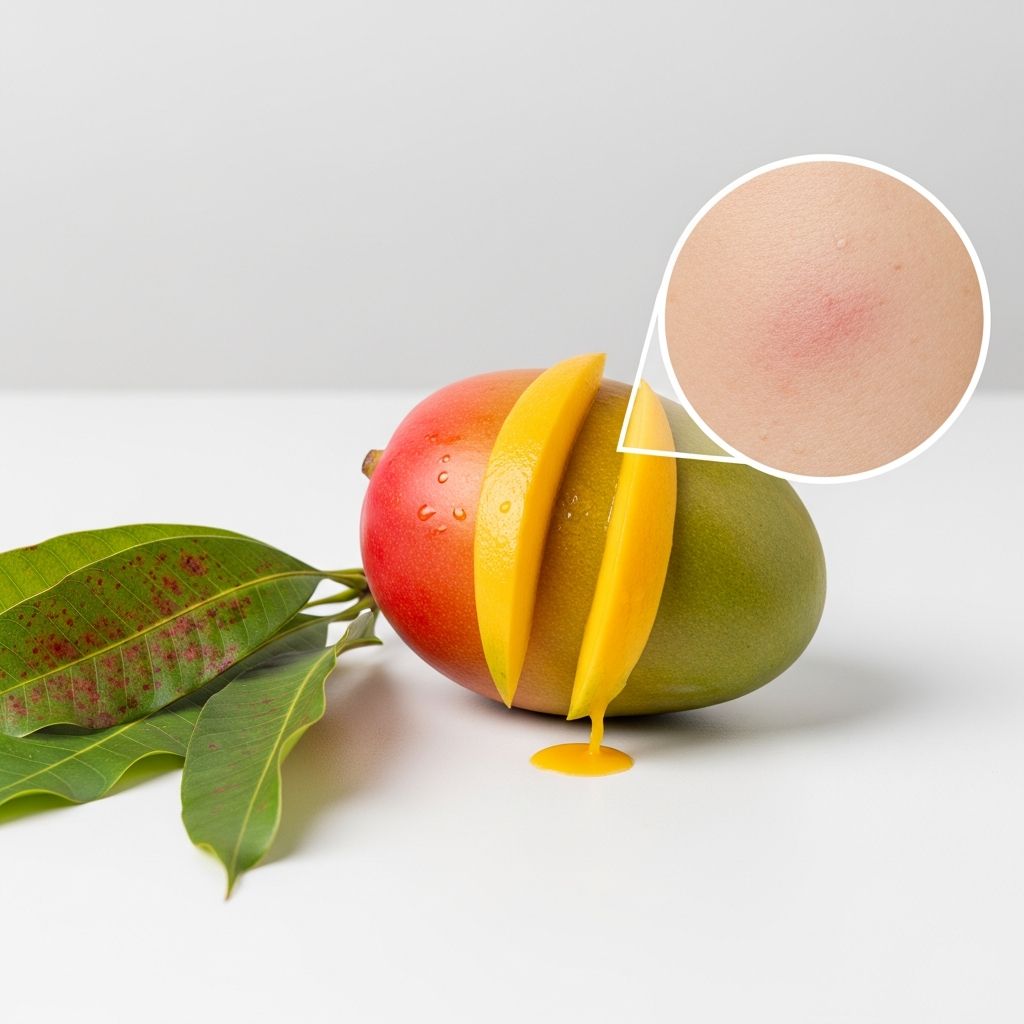
Mango: Understanding Allergic Reactions and Skin Health
Mango, scientifically known as Mangifera indica, is a tropical fruit widely consumed across the globe. However, for many individuals, consuming or handling mangoes can trigger allergic reactions ranging from mild contact dermatitis to severe systemic responses. The mango tree, native to southern Asia particularly Burma and eastern India, has been cultivated for centuries and holds cultural significance in many traditions. Understanding the allergenic properties of mangoes and how to safely enjoy this delicious fruit is essential for affected individuals.
Botanical Classification and Origin
The mango belongs to the family Anacardiaceae and is native to southern Asia, especially Burma and eastern India. These fruits were introduced to Malaya and eastern Asia during the fourth and fifth centuries BC, reaching East Africa by the tenth century AD. Portuguese traders brought mangoes to West Africa, which subsequently led to their introduction to Brazil in the early sixteenth century. The fruit arrived in California in 1880, establishing itself as a significant crop in North America.
Mango trees are impressive specimens, capable of growing 20-30 meters tall and living for over 300 years. The trees bear dark green leaves that are pale underneath and often display reddish coloration when young. The flowers range from yellowish to reddish hues, while the fruits, growing at the end of long stringlike stems, measure 5-20 centimeters in length with a distinctive kidney shape. When ripe, mangoes display pale green or yellow coloration with red markings that vary according to cultivar.
Common Uses and Culinary Applications
Mangoes serve multiple culinary purposes in global cuisines. Fresh mangoes are consumed whole, incorporated into tropical fruit salads, featured prominently in Thai dishes, processed into mango juice, and used in ice creams and sorbets. Half-ripe or green mangoes can be eaten with salt or cooked into mango chutney. The dried mango product known as amchur—a sour flavoring agent—is created by slicing mango, drying it, seasoning it with turmeric, and grinding it into powder for use in various dishes.
Allergenic Components and Reactions
The primary allergens in mangoes are urushiol, cardol, and limonene. Among these, urushiol is the most significant allergen, particularly concerning because it is also present in poison ivy and raw cashews. The mango skin contains substantial quantities of these allergenic compounds, with urushiol being located primarily in the sap and outer layers of the fruit.
Common forms of allergic reactions to mango include:
- Bullous cheilitis: Blistering reactions affecting the lips
- Urticaria: Hives and itching responses
- Contact allergic dermatitis: Skin inflammation resulting from contact with mango sap or fruit skin
- Respiratory allergens: In some cases, mango exposure can trigger respiratory symptoms
- Food allergens: Systemic reactions from ingestion of mango flesh
Research from France indicates that mango accounts for approximately 6% of severe food allergies, highlighting the significance of this allergen in the population.
Contact Dermatitis from Mango Skin
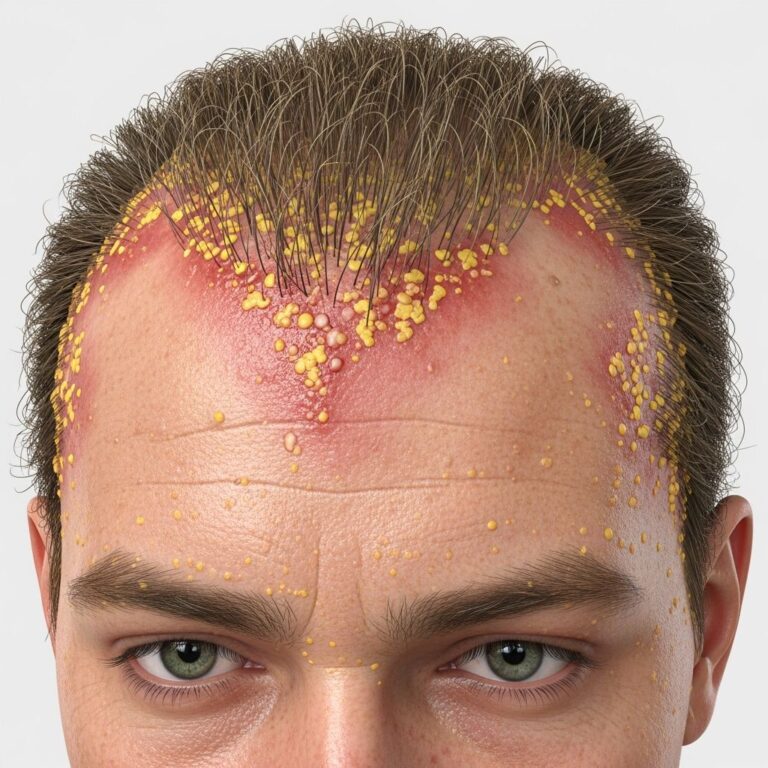
Mango-induced contact dermatitis typically develops when skin comes into direct contact with mango peel or the tree sap. The allergenic urushiol penetrates the skin barrier, triggering an immune response in sensitized individuals. The reaction usually manifests on the lips and mouth area initially, particularly when individuals nibble on mango skin or handle the fruit with bare hands before touching their face.
Related Stories



The development of mango contact dermatitis follows a characteristic progression:
- Early signs: Small, itchy blisters appear where skin contacted the mango peel
- Progression: Blisters evolve into red, eczematous patches within 24-48 hours
- Distribution: Reactions may spread to other areas through contact transfer
- Resolution: With proper treatment and allergen avoidance, symptoms typically resolve within 7-14 days
Transfer Contact Allergy: The Hidden Risk
One of the most problematic aspects of mango allergy is transfer contact dermatitis. When individuals handle mangoes, particularly while peeling them, urushiol can transfer to their hands. If they subsequently touch other body areas without washing thoroughly—such as the thighs, arms, or face—a dermatitis reaction can develop in those locations. This transfer mechanism demonstrates how readily urushiol moves from the fruit to skin and then spreads through contact. Some patients report developing rashes on unexpected body areas after peeling mangoes, with the rash pattern sometimes corresponding directly to handprint contact.
Cross-Reactivity with Other Allergens
Due to mango’s family classification within Anacardiaceae, cross-reactions occur with other members of this plant family. The most significant cross-reactive allergens include:
- Cashew nut: Contains similar urushiol compounds, making simultaneous sensitization common
- Poison ivy (Rhus or Toxicodendron): Shares identical allergenic compounds with mango
- Other Anacardiaceae species: Various plants within this botanical family can trigger similar reactions
Additionally, mango may cross-react with various respiratory allergens including mugwort pollen, birch pollen, celery, and carrot. For individuals with latex allergies, mango may also trigger cross-reactions due to similar protein structures, potentially affecting sensitivity to papaya, avocado, banana, chestnut, passion fruit, fig, melon, kiwi, pineapple, peach, and tomato.
Diagnostic Testing and Patch Testing
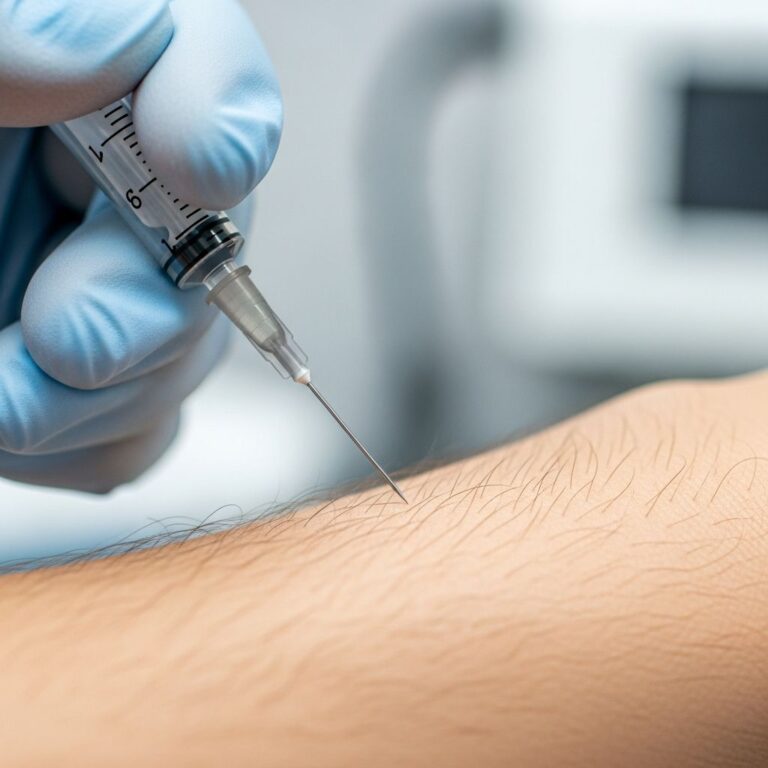
For individuals experiencing unclear allergic reactions to mangoes or related fruits, patch testing provides definitive diagnosis. Healthcare providers typically perform patch testing using mango tree leaves, bark, and skin—notably excluding the fruit flesh itself from standard testing panels. Patch testing involves applying test allergens to the skin under occlusion for 48 hours, then evaluating the skin response at specific time intervals. Positive reactions confirm allergic contact dermatitis to specific mango components.
Given the potential for multiple contact allergen triggers, comprehensive patch testing using the North American Contact Dermatitis Group Standard Series, conducted according to International Contact Dermatitis Research Group methodology, provides thorough evaluation of contact sensitivities.
Prevention Strategies for Safe Mango Consumption
Individuals sensitized to mango allergens need not completely forgo this delicious fruit. Several practical strategies enable safe mango enjoyment:
- Peel with care: Wear disposable gloves or use a knife to avoid direct skin contact with the mango peel during preparation
- Keep hands clean: Wash hands thoroughly with soap and water immediately after handling mangoes, and sanitize all utensils that contacted the fruit
- Avoid face contact: Resist touching your face, lips, or other body areas while preparing mangoes, as this transfers allergens
- Use utensils: Scoop mango flesh using a spoon rather than biting directly into the fruit with the peel intact
- Remove skin completely: Ensure all mango skin is removed before consumption, as even small skin fragments can trigger reactions in highly sensitive individuals
Treatment of Mango-Induced Dermatitis
When mango-induced contact dermatitis develops, several treatment approaches provide relief. Topical medications containing antihistamines can clear mild reactions quickly. For more significant reactions, healthcare providers may recommend:
- Topical corticosteroid creams applied twice daily
- Oral antihistamines such as loratadine for systemic responses
- Oral corticosteroids for severe, widespread reactions
- Cool compresses to reduce inflammation and itching
- Avoiding further allergen exposure during treatment
Most reactions resolve completely within 7-14 days with appropriate treatment and strict allergen avoidance.
When to Seek Professional Medical Help
While mild mango-induced contact dermatitis can often be managed with over-the-counter treatments and allergen avoidance, certain situations warrant professional medical evaluation. Seek dermatological consultation if you experience:
- Persistent reactions lasting more than two weeks
- Severe reactions affecting large areas of skin
- Reactions involving facial swelling or periorbital edema
- Systemic symptoms such as respiratory difficulty or gastrointestinal distress
- Reactions not improving with standard treatment approaches
- Uncertainty regarding the allergen trigger causing your symptoms
Allergists and dermatologists can perform comprehensive testing to identify specific allergen triggers and develop personalized management plans.
Frequently Asked Questions
Q: Is mango skin contact dermatitis caused by the fruit’s acidity?
A: No. Mango contact dermatitis results from allergenic compounds called urushiol, cardol, and limonene present in the mango peel, not from fruit acidity.
Q: Can I eat mango flesh if I’m allergic to the skin?
A: Yes, you can safely consume mango flesh if the skin has been completely removed. However, some individuals experience systemic reactions to the flesh itself, particularly those with severe mango allergies.
Q: Is mango allergy related to cashew and poison ivy allergies?
A: Yes. Since mango, cashew, and poison ivy all belong to the Anacardiaceae family and share similar allergenic compounds, cross-reactivity is common. Individuals sensitized to one often react to the others.
Q: Can mango allergy develop suddenly without prior exposure?
A: Allergic contact dermatitis requires prior sensitization to develop. However, the initial visible reaction may appear sudden because the sensitization phase is often asymptomatic.
Q: What is the difference between mango allergy and mango intolerance?
A: Mango allergy involves immune system activation and can cause systemic reactions or contact dermatitis. Intolerance typically causes digestive symptoms without immune involvement and is generally less severe.
Q: Can peeling mangoes under water reduce allergic reactions?
A: While water may reduce some allergen transfer, it does not eliminate urushiol exposure. Wearing gloves remains the most effective prevention method.
Cultural and Historical Significance
The mango tree holds profound cultural importance in many traditions, particularly within Hindu philosophy. In Indian myths and legends, Mangifera indica is considered sacred, with believers regarding it as a transformation of Prajapati, the lord of creatures. Mango leaves and flowers are crafted into garlands for decorating Hindu temples, reflecting the fruit’s spiritual significance in South Asian cultures.
References
- Mango – DermNet — DermNet New Zealand. 1999. https://dermnetnz.org/topics/mango
- Mango Skin Contact Dermatitis: Causes, Symptoms & Prevention — Dr. Kent Woo. https://drkentwoo.com/mango-skin-contact-dermatitis-causes-symptoms-prevention/
- Allergic contact dermatitis to mango flesh — PubMed Central. 2004. https://pubmed.ncbi.nlm.nih.gov/15009389/
- The Influence of Mango Fruit Intake on Skin and Vascular Health — eScholarship. https://escholarship.org/uc/item/5qv0s2g0
- Pediatric Allergic Contact Dermatitis to Mango Pulp and Skin — Semantic Scholar. https://www.semanticscholar.org/paper/84397e85d7090cecf4f4467e7c2dfab7e44d0e10
Similar Articles








Read full bio of medha deb