Mania: Symptoms, Causes, Triggers and Treatment
Understanding mania: Learn about symptoms, triggers, diagnosis, and evidence-based treatment options.
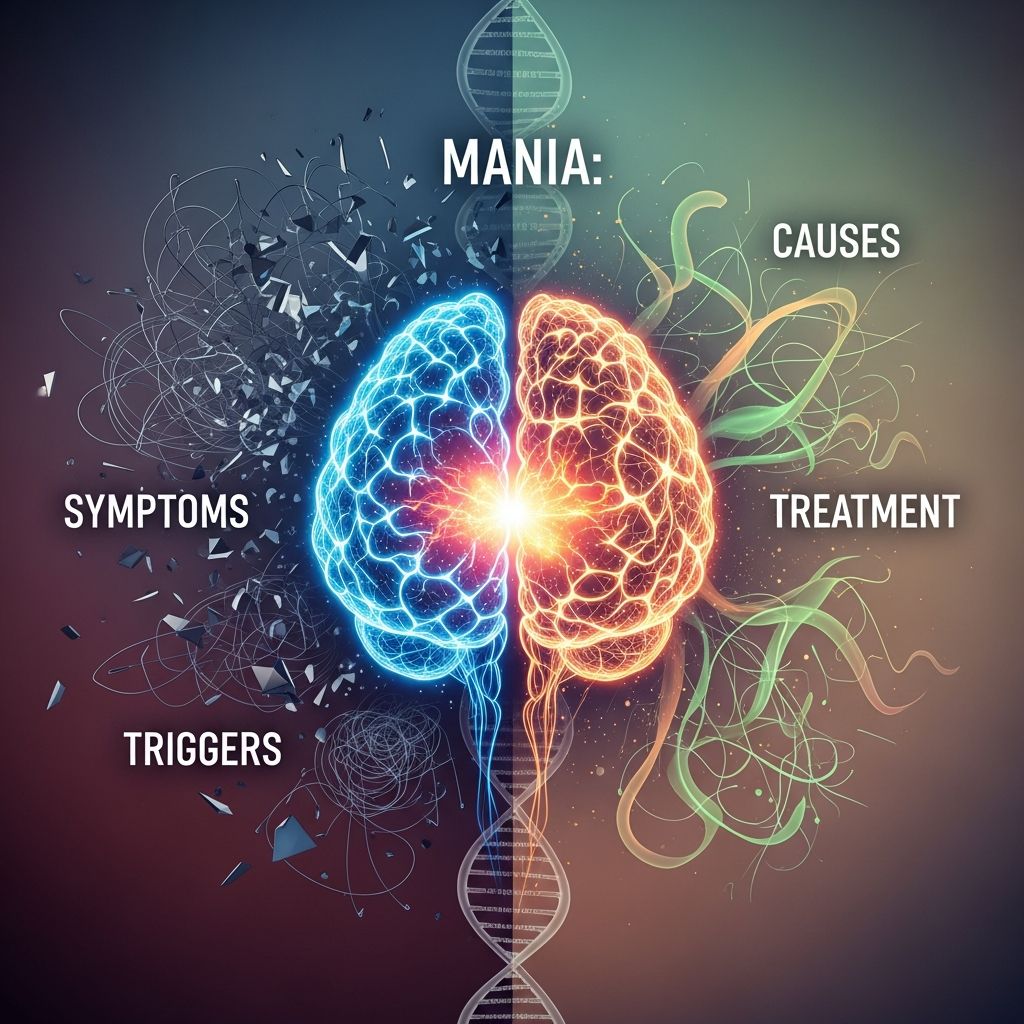
Understanding Mania
Mania is a condition characterized by a period of abnormally elevated, extreme changes in your mood or emotions, energy level, or activity level. This mental health condition can significantly impact your daily functioning, relationships, and overall quality of life. Understanding what mania is, how it develops, and the available treatment options is essential for anyone affected by this condition or those who care about them.
Mania typically manifests as periods of intense euphoria, increased energy, and unusual behaviors that differ dramatically from a person’s normal baseline. During manic episodes, individuals often feel exceptionally confident, creative, and energized. However, this elevated state can quickly escalate into dangerous or destructive behaviors if left untreated. Recognizing the signs early and seeking appropriate medical intervention can significantly improve outcomes and prevent serious complications.
What Is Mania?
Mania represents a distinct period during which a person experiences a persistently elevated, expansive, or irritable mood alongside increased activity or energy levels. This state is more intense than everyday happiness or excitement and persists for an extended period, creating noticeable disruptions in normal functioning. Unlike temporary mood changes, manic episodes represent a significant departure from a person’s baseline emotional and behavioral patterns.
The condition often occurs as part of bipolar disorder, though understanding its specific characteristics helps differentiate it from other mood conditions. Mania can occur in different forms and intensities, and recognizing these variations is crucial for proper diagnosis and treatment planning.
DSM-5 Diagnostic Criteria for Mania
Mental health professionals use the criteria established by the American Psychiatric Association’s Diagnostic and Statistical Manual of Mental Disorders (DSM-5) to diagnose manic episodes. According to these criteria, mania is defined as the presence of persistently elevated, expansive, or irritable mood with increased activity for more than one week. Additionally, at least three of the following features must be present during this period, with impaired functioning evident (four features are required if mood is only irritable).
Key Diagnostic Features Include:
Inflated self-esteem or grandiosity — Individuals experience an exaggerated sense of their own importance, abilities, or talents that is inconsistent with reality.
Decreased need for sleep — People feel rested after only a few hours of sleep or report not needing sleep at all, yet maintain high energy levels throughout the day.
Pressured speech — Speech becomes rapid, urgent, and difficult to interrupt, often jumping between topics.
Racing thoughts — The mind feels like it’s operating at an accelerated pace with thoughts that are hard to control or follow sequentially.
Distractibility — Attention becomes easily diverted from important tasks to irrelevant stimuli or new ideas.
Excessive involvement in pleasurable, high-risk activities — People engage in activities that carry potential for serious consequences, such as reckless spending, substance abuse, or unsafe sexual behavior.
Related Stories



Common Triggers of Manic Episodes
Understanding what triggers manic episodes can help you prepare for potential episodes, reduce their severity, or prevent them from occurring altogether. While manic episodes can occur spontaneously, certain environmental, biological, and psychological factors often precede or precipitate them. Being aware of your personal triggers allows you to develop proactive strategies and maintain better control over your condition.
Recognizing Prodromal Symptoms
Early signs, called prodromal symptoms, that indicate you may be approaching a manic episode can last anywhere from weeks to months. These warning signs may include subtle mood elevations, increased energy, decreased sleep needs, or changes in thinking patterns. Recognizing these early indicators gives you valuable time to contact your healthcare provider, adjust your medication if necessary, or implement coping strategies before the episode fully develops.
Duration of Manic Episodes
The length of manic episodes varies significantly depending on whether you’re receiving treatment. Without professional intervention, episodes of bipolar-related mania can last between three and six months. However, with effective treatment, a manic episode usually improves within approximately three months. This substantial difference underscores the importance of seeking timely medical care and maintaining consistent treatment.
Impact of Mania on Daily Life
Mania can create significant problems across multiple areas of your life. During a manic episode, you may experience disruptions in your social relationships, work or school performance, and home life. The combination of mood swings and abnormal energy levels can strain relationships with family and friends, lead to poor decision-making at work or school, and create financial or legal consequences through impulsive actions.
In severe cases, individuals may develop hallucinations or delusions, experience thoughts of self-harm, or pose a risk to others. These situations may require hospitalization to ensure safety and provide intensive treatment. Understanding the potential severity of mania emphasizes why professional help and ongoing monitoring are critical components of managing this condition.
Treatment Options for Mania
Mania is treated through a comprehensive approach involving medications, talk therapy, self-management strategies, and support from family and friends. No single treatment works for everyone, and your healthcare provider will work with you to develop a personalized treatment plan tailored to your specific needs and circumstances.
Medication Management
Medications form the foundation of mania treatment, with several categories proving effective. Mood stabilizers like lithium are among the most widely prescribed and extensively studied medications for treating bipolar disorder. Lithium, a natural salt, reduces symptoms of mania within two weeks of starting therapy, though complete symptom management may require weeks or months. Because of this delayed effect, healthcare providers often prescribe additional medications like antipsychotic drugs to help manage acute symptoms.
Antipsychotic medications are frequently used to treat manic episodes, providing faster symptom relief while mood stabilizers reach their full effect. These medications can have side effects, including metabolic and neurologic effects, and in some cases, irreversible tardive dyskinesia. Therefore, careful monitoring and discussion with your provider about potential side effects is essential.
Antidepressants may sometimes be prescribed in combination with mood stabilizers to address depressive symptoms that often alternate with manic episodes in bipolar disorder. However, antidepressants must never be used as the sole medication for bipolar disorder, as they can trigger or worsen manic episodes, particularly in individuals with bipolar I disorder.
Psychotherapy and Talk Therapy
Psychotherapy, also called talk therapy, involves working with a mental health professional who helps you identify manic symptoms and triggers while teaching coping strategies. During psychotherapy sessions, you’ll learn techniques to recognize early warning signs of manic episodes, develop plans for managing stress, and repair relationships that may have been affected by your condition. Cognitive behavioral therapy (CBT) has demonstrated particular effectiveness for mood disorders, helping you identify and change unhealthy thought patterns that contribute to mood episodes.
Electroconvulsive Therapy
Electroconvulsive therapy (ECT) may be considered in rare cases when individuals have severe mania or severe depression with bipolar disorder. ECT involves applying brief periods of electric current to the brain under anesthesia and has shown effectiveness when other treatments haven’t worked or when rapid response is necessary.
Self-Management and Lifestyle Strategies
Managing mania effectively requires active participation in your own care. Maintaining a regular sleep schedule, avoiding alcohol and recreational drugs, managing stress through exercise and relaxation techniques, and maintaining social connections all contribute to mood stability. Creating a written plan that outlines your triggers, warning signs, and coping strategies provides a reference tool during vulnerable periods.
Long-Term Management and Prognosis
If your mania is related to bipolar I disorder, this is a lifelong condition. Although there is no cure for mania, medication and talk therapy can manage your condition effectively in most cases. Regular and continued use of medication can significantly reduce the frequency and severity of both manic and depressive episodes, improving your quality of life and reducing the risk of hospitalization.
Staying in close contact with all your healthcare providers, especially during times of manic episodes, is crucial. Your provider may need to adjust medications or doses based on your response to treatment. It’s equally important to maintain contact with mental health professionals and support networks, as they provide essential guidance and encouragement throughout your treatment journey.
Support Systems and Resources
Support groups offer valuable opportunities to connect with others who have similar experiences. Talking with people facing similar challenges allows you to share coping strategies, problem-solving approaches, and ways to navigate daily life with mania. Many communities offer local support groups, and your healthcare provider can provide contact information for relevant resources in your area.
Family and friends play vital roles in supporting someone with mania. Education about the condition, learning to recognize warning signs, and understanding how to respond supportively during episodes can strengthen relationships and improve outcomes. Open communication with loved ones about your needs, triggers, and how they can best support you creates a stronger foundation for managing your condition.
Frequently Asked Questions
Q: How is mania different from hypomania?
A: Hypomania is a less severe form of mania with similar symptoms but typically less impairment to daily functioning and shorter duration. Mania involves more severe symptoms and greater disruption to work, school, and relationships.
Q: Can mania be prevented?
A: While episodes of mania cannot always be completely prevented, consistent medication use, identifying and managing triggers, maintaining regular sleep and exercise, and ongoing therapy can significantly reduce the frequency and severity of manic episodes.
Q: Is hospitalization necessary for all manic episodes?
A: Hospitalization is typically recommended for severe manic episodes, particularly when hallucinations or delusions are present, or when there is risk of harm to oneself or others. Less severe episodes may be managed with outpatient treatment.
Q: How long does it take for medications to work?
A: Different medications work at different speeds. Some antipsychotics may show improvement within days, while mood stabilizers like lithium may take several weeks for full effect. Your provider will discuss expected timelines with you.
Q: What should I do if I notice manic symptoms developing?
A: Contact your healthcare provider immediately, as early intervention can prevent episodes from escalating. If you have a relapse plan in place, follow it. Ensure adequate sleep, avoid alcohol and stimulating substances, and reach out to your support network.
References
- Diagnosing and treating bipolar disorder in primary care — Cleveland Clinical Journal of Medicine. 2018-08-01. https://www.ccjm.org/content/85/8/601
- Mania: What Is It, Causes, Triggers, Symptoms & Treatment — Cleveland Clinic. 2024-12-01. https://my.clevelandclinic.org/health/diseases/21603-mania
- Bipolar Disorder (Manic Depression): Symptoms & Treatment — Cleveland Clinic. 2024-12-01. https://my.clevelandclinic.org/health/diseases/9294-bipolar-disorder
- Hypomania: What Is It, Comparison vs Mania, Symptoms & Treatment — Cleveland Clinic. 2024-12-01. https://my.clevelandclinic.org/health/diseases/21774-hypomania
- Diagnostic and Statistical Manual of Mental Disorders, Fifth Edition (DSM-5) — American Psychiatric Association. 2013-05-18. https://www.psychiatry.org/psychiatrists/practice/dsm
- Cyclothymia (Cyclothymic Disorder): Symptoms & Treatment — Cleveland Clinic. 2024-12-01. https://my.clevelandclinic.org/health/diseases/17788-cyclothymia
Similar Articles








Read full bio of medha deb