Mānuka Honey: 4 Proven Wound Uses And Antibacterial Benefits
Therapeutic properties of mānuka honey in dermatology, wound care, and skin health applications.
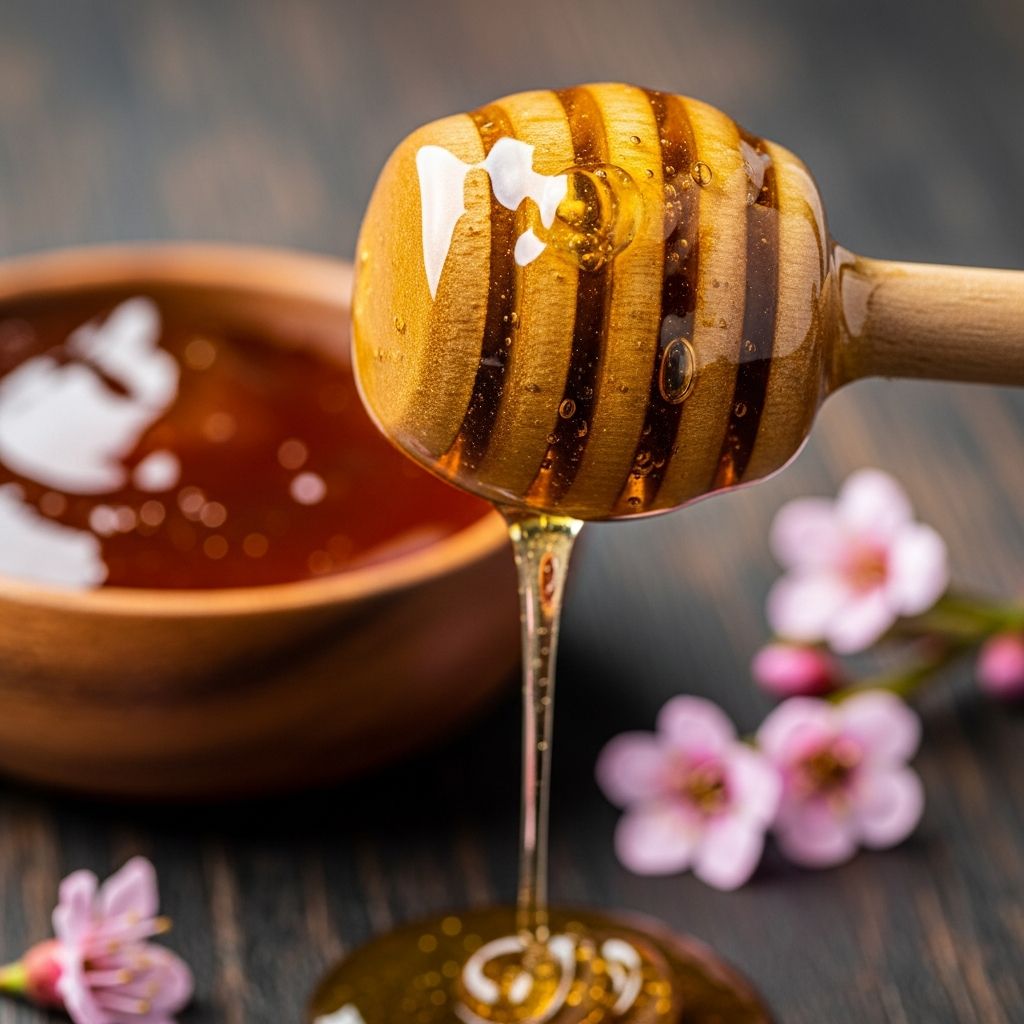
Mānuka honey, derived from the nectar of the Leptospermum scoparium tree native to New Zealand and southeastern Australia, is renowned for its exceptional antibacterial properties, making it a valuable therapeutic agent in dermatology and wound care.
What is mānuka honey?
Mānuka honey is a monofloral honey produced by honeybees (Apis mellifera) foraging primarily on the flowers of the mānuka bush (Leptospermum scoparium), a plant endemic to New Zealand and parts of Australia. This honey stands out due to its high concentration of methylglyoxal (MGO), a key phytochemical responsible for its potent non-peroxide antibacterial activity. Unlike regular honey, which relies mainly on hydrogen peroxide for antimicrobial effects, mānuka honey retains efficacy even when peroxide activity is neutralized.
The mānuka tree, also known as tea tree by Māori people, has been used in traditional medicine for centuries. Modern scientific validation has elevated mānuka honey to medical-grade status, available as gamma-irradiated gels, ointments, and dressings approved for clinical use in regions including Australia, New Zealand, Europe, the USA, Canada, and Hong Kong.
Potency is measured by the Unique Mānuka Factor (UMF) rating, which quantifies levels of signature compounds like leptosperin, MGO, and dihydroxyacetone (DHA). Higher UMF ratings (e.g., UMF 10+ or above) indicate stronger antibacterial activity, correlating directly with MGO concentration.
Production and authenticity
Authentic New Zealand mānuka honey requires bees to source at least 70% of pollen and nectar from mānuka flowers. Testing ensures purity through analysis of MGO, DHA, and leptosperin. Medical-grade products undergo gamma irradiation sterilization, preserving bioactivity without compromising safety.
Variations exist: monofloral mānuka has the highest MGO, while blends like mānuka-kānuka show moderate activity. Studies confirm mānuka’s superiority over kānuka or clover honeys in inhibiting bacterial growth, particularly at sub-lethal concentrations relevant to wound dressings.
Antibacterial properties
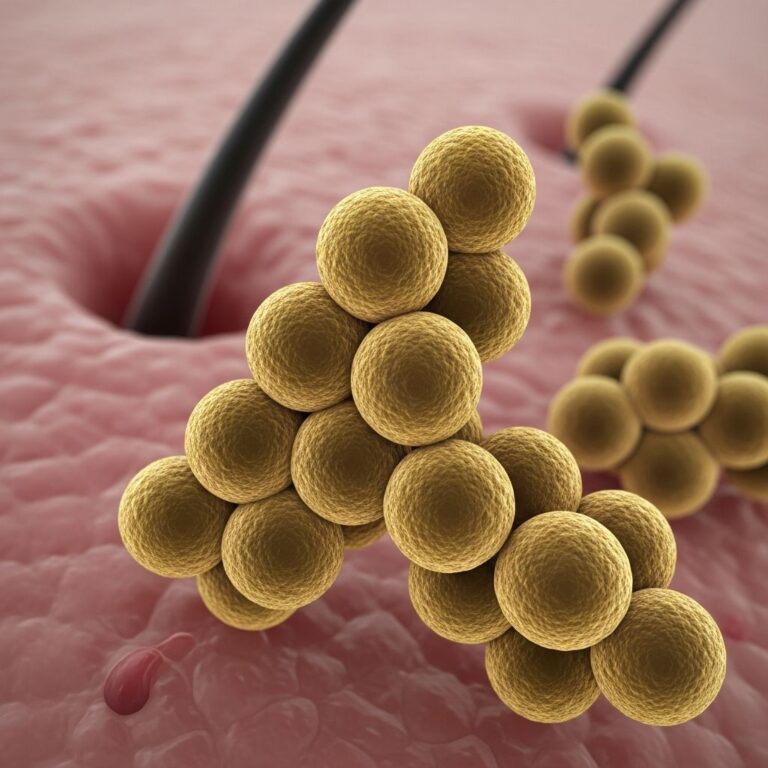
The antibacterial prowess of mānuka honey stems from multiple mechanisms. Methylglyoxal dehydrates bacteria via osmotic effects and disrupts cell walls. It effectively targets biofilms—protective bacterial matrices common in chronic wounds—causing dissociation and cell death, as shown in vitro against Streptococcus pyogenes and Pseudomonas aeruginosa.
In vitro studies demonstrate activity against 17 strains of P. aeruginosa from burn infections, with minimal inhibitory concentrations (MICs) below 10%. Medihoney disrupts P. aeruginosa biofilms and reduces virulence factors like siderophore production at sub-lethal doses. No laboratory-induced resistance to mānuka honey has been observed, unlike antibiotics.
It exhibits broad-spectrum efficacy against Gram-positive (Staphylococcus aureus, Streptococcus spp.), Gram-negative (E. coli, P. aeruginosa), and yeasts, including multi-drug resistant strains. Morphological changes in bacteria exposed to sub-lethal honey include elongated cells and inhibited growth, varying by species.
Anti-inflammatory and immunomodulatory effects
Beyond antibacterials, mānuka honey stimulates lymphocytic and phagocytic activity, bolstering immune responses against infection. Its anti-inflammatory properties aid tissue regeneration and reduce swelling in wounds.
Phenolics, carbohydrates, and peptides modulate these effects, promoting faster healing. Clinical use in pediatric patients highlights its safety profile, inheriting phytotherapeutic traits from the mānuka plant used in Māori tradition.
Wound healing applications
Related Stories



Mānuka honey is most commonly applied topically for infected wounds, including burns, ulcers, surgical sites, and chronic conditions like diabetic foot ulcers. It debrides necrotic tissue, maintains moist healing environments, and prevents infection.
Products include honey-impregnated meshes, gels, and tulle dressings (e.g., manuka honey mesh dressing). Studies show it promotes granulation, epithelialization, and reduces healing time compared to conventional treatments.
| Wound Type | Evidence of Efficacy |
|---|---|
| Burns infected with P. aeruginosa | MICs <10%; biofilm disruption |
| Chronic venous ulcers | Stimulates immune response; faster closure |
| Surgical wounds | Reduces infection rates; anti-inflammatory |
| Diabetic foot ulcers | Broad-spectrum activity vs. resistant strains |
Skin disorders and other uses
In dermatology, mānuka honey treats atopic dermatitis, acne, and psoriasis due to its antimicrobial and soothing effects. It inhibits proliferation and induces apoptosis in melanoma cell lines, suggesting potential in skin cancer adjunct therapy.
- Acne: Targets Propionibacterium acnes biofilms.
- Eczema: Reduces inflammation and secondary infections.
- Psoriasis: Moisturizes and calms plaques.
Pediatric applications are promising, with reviews noting safety and efficacy in wound care for children.
Clinical evidence and safety
Peer-reviewed studies affirm mānuka honey’s role in wound management. A PLOS One study compared mānuka, kānuka, and clover honeys, finding mānuka most effective across pathogens, with dose-dependent lag phase extension via MGO. PMC reviews highlight its approval for topical use globally.
Sterilization ensures safety; no resistance development noted. Sub-lethal doses reduce pathogenicity without full inhibition, ideal for chronic wounds.
How to use mānuka honey
Select medical-grade UMF-rated honey (UMF 10+ for therapy). Apply directly or via dressings, covering with secondary bandage. Change daily, monitoring for allergies (rare).
- Clean wound with saline.
- Apply thick honey layer (5-10mm).
- Monitor for 7-14 days or until healed.
Side effects and contraindications
Generally safe; rare contact dermatitis in honey-allergic individuals. Avoid in infants under 12 months due to botulism risk (not relevant topically). Hyperosmolar effects may sting initially.
Frequently Asked Questions
What makes mānuka honey different from regular honey?
Mānuka honey’s high MGO provides non-peroxide antibacterial activity, far superior to regular honey’s peroxide-dependent effects.
Is medical-grade mānuka honey safe for wounds?
Yes, gamma-irradiated products are sterile and approved for clinical use worldwide.
Can mānuka honey treat antibiotic-resistant infections?
Yes, it effectively combats multi-drug resistant bacteria like MRSA and P. aeruginosa without inducing resistance.
What UMF rating is needed for therapeutic use?
UMF 10+ or higher for wounds; higher for severe infections.
Does mānuka honey help with skin cancer?
Preliminary studies show it inhibits melanoma cell growth in vitro.
Conclusion
Mānuka honey represents a natural, evidence-based option for dermatological wound care, bridging traditional Māori use with modern medicine. Its multifaceted properties position it as a promising alternative amid rising antibiotic resistance.
References
- Honey’s use in skin therapy — Dermatology Times. 2023. https://www.dermatologytimes.com/view/honeys-use-skin-therapy
- Honey: A Therapeutic Agent for Disorders of the Skin — PMC (NCBI). 2017-10-01. https://pmc.ncbi.nlm.nih.gov/articles/PMC5661189/
- Honey in Wound Care — DermNet. 2024. https://dermnetnz.org/topics/honey
- The Effect of New Zealand Kanuka, Manuka and Clover Honeys on Bacterial Growth — PLOS One. 2013-01-16. https://journals.plos.org/plosone/article?id=10.1371/journal.pone.0055898
- Manuka Honey and Pediatric Patients: A Review — ClinMed International Journal of Dermatology Research and Therapy. 2022. http://clinmedjournals.org/articles/ijdrt/journal-of-dermatology-research-and-therapy-ijdrt-6-085.php?jid=ijdrt
- Manuka honey mesh dressing — DermNet. 2024. https://dermnetnz.org/imagedetail/19920-manuka-honey-mesh-dressing
- Honey therapies for dermatological disorders — International Journal of Dermatology (Wiley). 2023. https://onlinelibrary.wiley.com/doi/10.1111/ijd.16925
Similar Articles








Read full bio of Sneha Tete