Marasmus: Causes, Symptoms, Diagnosis & Treatment
Understanding marasmus: A severe form of malnutrition affecting millions of children worldwide.
What Is Marasmus?
Marasmus is a severe form of acute malnutrition characterized by prolonged deficiency in energy and protein intake. The condition results in significant wasting without edema, distinguishing it from other forms of malnutrition such as kwashiorkor. The word “marasmus” derives from the Greek term “marasmos,” meaning “withering,” which accurately describes the progressive physical deterioration observed in affected individuals.
This form of protein-energy malnutrition is classified as nonedematous severe acute malnutrition (SAM) and occurs when the body does not receive adequate calories and protein to maintain normal growth and development. Marasmus is most prevalent among infants and very young children, particularly those living in conditions of poverty or famine. The condition creates a state of severe nutritional deficiency that impacts multiple organ systems and impairs the body’s ability to function properly.
Who Gets Marasmus?
Marasmus predominantly affects vulnerable populations with limited access to adequate nutrition. The condition is most common among:
– Infants and young children under five years of age- Children living in developing countries or regions experiencing food insecurity- Infants born to mothers with severely reduced milk supply- Children in poverty or famine conditions- Children with underlying medical conditions affecting nutrient absorption- Infants with inadequate feeding practices or delayed introduction of appropriate complementary foods
The age of onset differs from kwashiorkor, with marasmus occurrence increasing significantly before age one, whereas kwashiorkor typically emerges after 18 months. This distinction reflects the different nutritional stressors affecting infants versus older children. Additionally, children with compromised immune systems, including those with HIV infection, face heightened risk of developing marasmus.
Causes of Marasmus
Marasmus develops as a direct consequence of insufficient dietary intake of both calories and protein over an extended period. The primary causes include:
– Severe food scarcity or inadequate food availability- Poverty and lack of access to nutritious foods- Inadequate breastfeeding or premature weaning- Improper feeding practices or delayed introduction of complementary foods- Chronic infectious diseases affecting nutrient absorption- Diarrheal diseases leading to nutrient loss- Maternal malnutrition reducing breast milk quality and quantity- Conditions impairing the child’s ability to consume or digest food- Displacement due to conflict or humanitarian crises
Unlike kwashiorkor, which involves complex multifactorial pathogenesis, marasmus results primarily from a straightforward energy deficit. However, children with marasmus typically experience concurrent micronutrient deficiencies, particularly of iron, zinc, vitamin A, and iodine, which further compromise growth and immune function. These deficiencies contribute to faltering growth, impaired cognitive development, and increased susceptibility to infections.
Signs and Symptoms of Marasmus
Marasmus presents with characteristic physical manifestations resulting from severe tissue wasting. The clinical presentation includes:
Physical Appearance
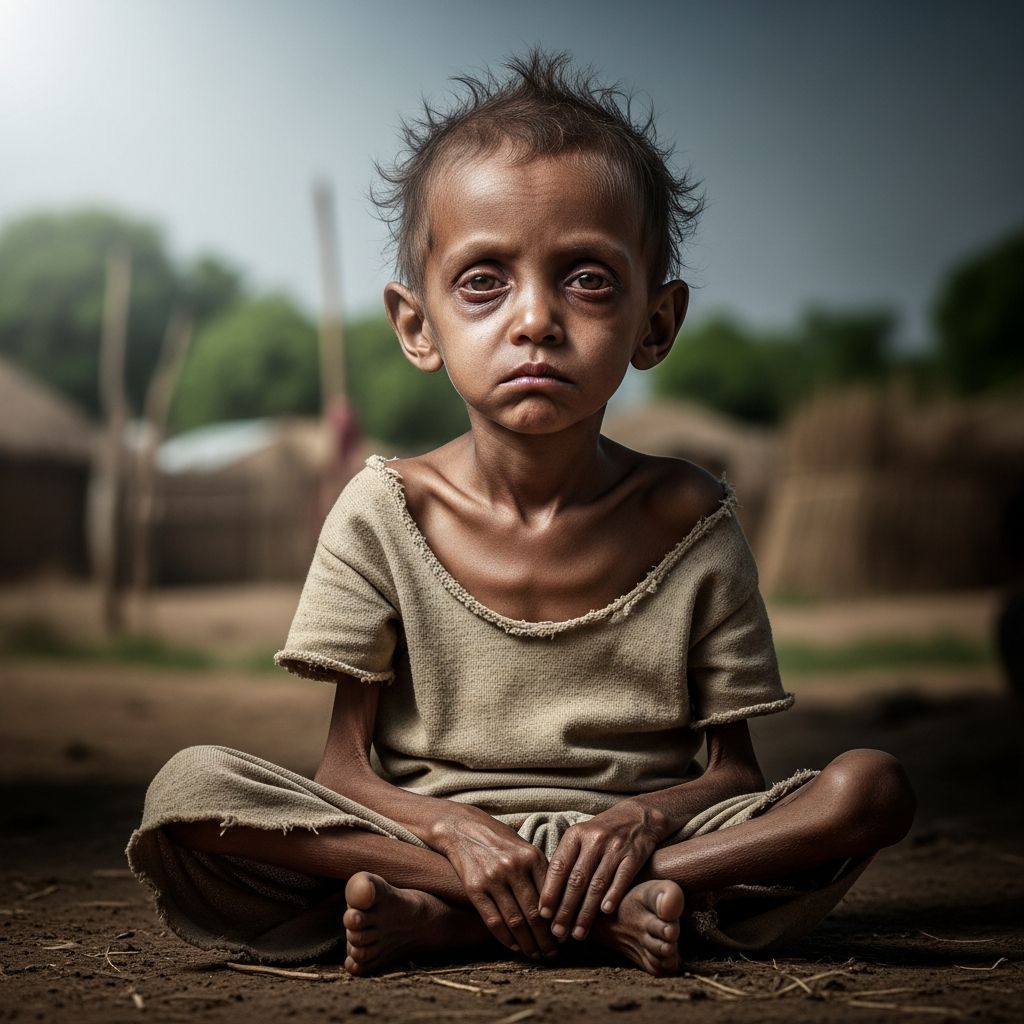
– Shrunken, wasted appearance with marked thinness- Severe loss of muscle mass and subcutaneous fat- Prominent ribs, bones, and joints that protrude visibly- Body weight reduced to less than 62% of expected weight for age- Loose, dry skin that appears inelastic- Brittle hair that loses color and becomes thin
Systemic Symptoms
– Growth retardation affecting weight more than height- Dehydration and reduced skin turgor- Low blood pressure and bradycardia (slow heart rate)- Low body temperature (hypothermia)- Behavioral changes and lethargy- Diarrhea and digestive complaints- Reduced appetite or difficulty consuming adequate nutrition
Related Stories



Laboratory and Metabolic Findings
– Anemia from iron deficiency- Calcium deficiency affecting bone development- Vitamin D deficiency- Impaired immune function with increased susceptibility to infections- Lactose intolerance- Hypoglycemia (dangerously low blood sugar)
Children with marasmus often present with a distinctive appearance that medical professionals describe as “skin and bones,” with the skeleton becoming increasingly visible as subcutaneous tissue depletes. Unlike kwashiorkor, bilateral pitting edema is not a characteristic feature of marasmus.
How Is Marasmus Diagnosed?
Diagnosis of marasmus relies on a combination of clinical assessment, anthropometric measurements, and laboratory evaluation. Healthcare providers use standardized assessment tools to identify the condition and determine severity.
Clinical Evaluation
Healthcare professionals begin with a thorough history, inquiring about dietary intake, feeding practices, recent illnesses, and environmental factors. Physical examination focuses on identifying characteristic signs of wasting, including muscle loss, fat depletion, and visible skeletal prominence. Clinicians assess skin condition, hair quality, vital signs, and developmental status.
Anthropometric Assessment
Standardized measurements form the foundation of marasmus diagnosis:
– Weight-for-age: Children with SAM typically weigh less than 70% of expected weight for their age- Mid-upper arm circumference (MUAC): Measurements below established thresholds indicate malnutrition- Height-for-age: Reduced in marasmus, though often less severely than weight- Presence or absence of edema: Marasmus is classified as nonedematous
Laboratory Testing
Blood work may reveal:
– Low hemoglobin levels indicating anemia- Reduced albumin and total protein levels- Electrolyte imbalances- Micronutrient deficiencies (iron, zinc, vitamin A, iodine)- Blood glucose abnormalities- Evidence of infection or immune dysfunction
Treatment and Management of Marasmus
Treatment of marasmus follows evidence-based protocols established by the World Health Organization and involves a three-phase approach designed to restore nutritional status while managing complications.
Phase 1: Stabilization
The initial phase focuses on metabolic stabilization and management of life-threatening complications. Key interventions include:
– Treatment of acute infections with appropriate antibiotics or antimicrobial medications- Management of hypoglycemia through careful glucose administration- Correction of dehydration while avoiding fluid overload- Electrolyte rebalancing and monitoring- Management of hypothermia through gradual rewarming- Careful initiation of feeding, typically beginning with dried skim milk mixed with boiled water- Prevention of refeeding syndrome through gradual caloric advancement
Phase 2: Rehabilitation
Following clinical stabilization, the rehabilitation phase initiates active nutritional recovery. This phase typically lasts 2 to 6 weeks and involves:
– Progressive increase in caloric intake to 120-140% of recommended daily requirements- Introduction of protein-rich, high-calorie foods appropriate for the child’s developmental stage- Transition to balanced diets meeting comprehensive nutritional needs- Continued monitoring for complications and feeding tolerance- Management of persistent infections or medical conditions- Micronutrient supplementation addressing specific deficiencies- Psychosocial support and developmental stimulation
Phase 3: Follow-up Care
Long-term follow-up ensures sustained recovery and prevents relapse:
– Regular monitoring of growth and developmental milestones- Continued nutritional support and education- Management of underlying risk factors- Preventive care and immunizations- Early intervention for recurrent malnutrition
Community-Based versus Inpatient Management
Evidence demonstrates that community-based management of uncomplicated marasmus yields superior outcomes compared to hospitalization for most children. Children with uncomplicated SAM—those with good appetite and without acute complications—benefit from structured community programs. However, children with complicated SAM, those with medical comorbidities, or those requiring intensive monitoring may require inpatient hospitalization for appropriate stabilization and treatment.
Complications of Marasmus
Marasmus predisposes children to multiple life-threatening complications requiring vigilant monitoring:
– Severe infections (bacterial, viral, or fungal) due to compromised immune function- Hypoglycemia leading to seizures or loss of consciousness- Hypothermia and circulatory instability- Electrolyte imbalances and cardiac arrhythmias- Metabolic acidosis- Gastrointestinal dysfunction and feeding intolerance- Delayed wound healing and increased surgical risk- Refeeding syndrome during nutritional rehabilitation- Long-term developmental and cognitive impairment- Persistent growth deficits extending years after recovery
Prognosis and Long-Term Outcomes
The prognosis for marasmus, while better than for kwashiorkor, remains guarded even with appropriate management. Recovery rates in outpatient programs range from 65% to 80%, with median recovery time of 8 to 9 weeks when compliance is maintained and complications do not occur. However, long-term outcomes reveal persistent challenges:
Recovery and Relapse: Relapse rates vary from 3% to 37% within 6 to 12 months, influenced by environmental factors, quality of follow-up care, and socioeconomic circumstances. Children who have initially recovered face a 14-fold increased risk of relapse in the year following discharge, necessitating sustained intervention.
Growth and Development: A significant proportion of children remain stunted or underweight, with persistent deficits in height-for-age, weight-for-age, and muscle mass observed up to 5 years after discharge. Children with SAM are almost 12 times more likely to die than adequately nourished peers, with mortality rates reaching nearly 10% in the first year after discharge.
Metabolic and Neurological Effects: Adult survivors of childhood marasmus face increased risks for pancreatic beta-cell dysfunction, glucose intolerance, and type 2 diabetes. Reduced muscle mass and increased visceral fat deposition occur alongside reduced insulin sensitivity and impaired glucose metabolism. The condition increases risk for non-communicable diseases and cardiovascular risk factors.
Epigenetic and Intergenerational Effects: Marasmus causes changes in gene methylation affecting immunity, growth, and glucose metabolism. Survivors and their offspring demonstrate associations with low birth weight and altered metabolic function across generations.
Prevention of Marasmus
Prevention represents the most effective approach to marasmus management through nutrition-specific and nutrition-sensitive interventions:
Maternal and Infant Nutrition
– Prenatal nutrition education and supplementation for pregnant mothers- Exclusive breastfeeding for the first 6 months of life- Continued breastfeeding with appropriate complementary feeding through 24 months- Timely introduction of nutrient-dense complementary foods- Micronutrient supplementation for mothers and children
Population-Level Interventions
– Diverse and adequate dietary intake across populations- Food security programs ensuring access to nutritious foods- Comprehensive treatment centers (CTC) for early case detection and management- Protein and micronutrient supplementation programs- Education on child development and feeding practices- Healthcare access and infectious disease prevention- Sanitation and water quality improvement
Frequently Asked Questions
Q: How does marasmus differ from kwashiorkor?
A: Marasmus is characterized by severe wasting without edema, resulting from deficiency in both calories and protein. Kwashiorkor, by contrast, involves protein deficiency with relative caloric intake, resulting in bilateral pitting edema and ascites. While marasmus primarily affects infants before age one, kwashiorkor typically emerges after 18 months. Marasmus involves visible muscle and fat loss with prominent bones, whereas kwashiorkor causes protein wasting with fluid retention and abdominal distension.
Q: Can marasmus be reversed with nutritional intervention?
A: Early intervention with appropriate nutritional rehabilitation can promote recovery in most children with marasmus. Recovery rates reach 65-80% in outpatient programs with median recovery time of 8-9 weeks. However, recovery must occur before the body’s protein synthesis capacity is irreversibly lost. Some permanent effects, including stunted growth and cognitive impairment, may persist despite successful nutritional rehabilitation.
Q: What is the role of breastfeeding in preventing marasmus?
A: Exclusive breastfeeding for 6 months and continued breastfeeding through 24 months with appropriate complementary foods represents one of the most effective prevention strategies for marasmus, particularly for infants under age 2. Breast milk provides optimal nutrition and immune protection. Maternal malnutrition that reduces breast milk supply significantly increases infant risk of marasmus development.
Q: Why is refeeding done slowly in marasmus treatment?
A: Slow, gradual refeeding prevents refeeding syndrome, a potentially fatal complication occurring when severely malnourished individuals receive rapid nutritional supplementation. Refeeding syndrome involves severe electrolyte shifts and metabolic derangements. Careful advancement of caloric intake allows the body to safely transition from a catabolic to an anabolic metabolic state.
Q: Are there long-term health consequences for marasmus survivors?
A: Yes, even after recovery, marasmus survivors face persistent health challenges including increased risk of infections, metabolic dysfunction, type 2 diabetes, reduced cognitive development, and permanent growth deficits. Children who recover from marasmus remain at 14-fold increased risk of relapse within one year and face nearly 12-fold increased mortality risk compared to well-nourished peers.
References
- Severe Acute Malnutrition: Recognition and Management — National Center for Biotechnology Information (NCBI). 2024. https://www.ncbi.nlm.nih.gov/books/NBK559224/
- Marasmus: Description, Malnutrition, Symptoms, Treatment, & Facts — Encyclopaedia Britannica. 2024. https://www.britannica.com/science/marasmus
- Marasmus — World Health Organization Clinical Guidelines. 2024. https://en.wikipedia.org/wiki/Marasmus
Similar Articles








Read full bio of Sneha Tete