Marijuana for Chronic Pain: Benefits and Risks
Explore how marijuana may help manage chronic pain, weighing potential benefits against risks and side effects for informed decisions.
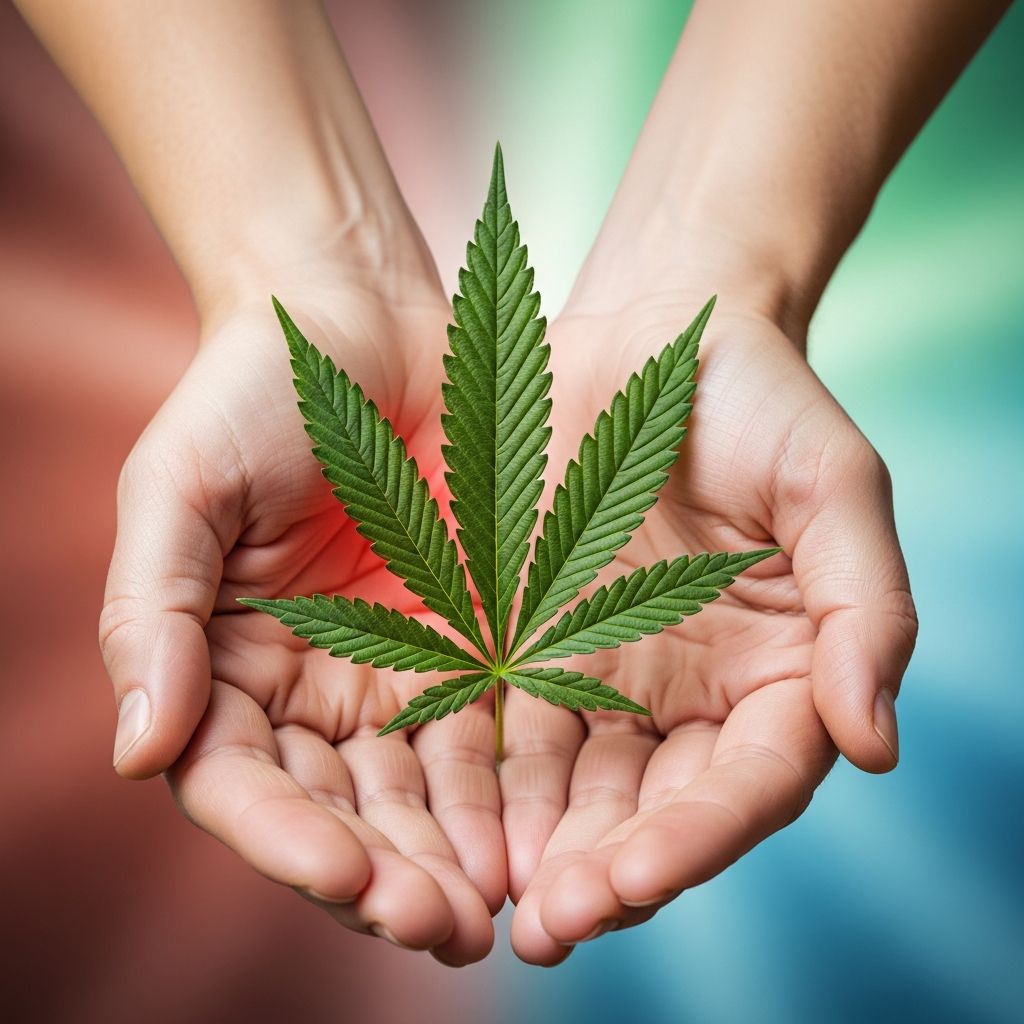
Marijuana, also known as cannabis, has gained attention as a potential treatment for chronic pain, a condition affecting millions worldwide. With compounds like THC and CBD interacting with the body’s endocannabinoid system, it offers possible relief where traditional medications fall short. However, evidence is mixed, and risks such as addiction and cognitive impairment must be considered. This article synthesizes clinical reviews and surveys to provide a balanced view.
What Is Chronic Pain?
**Chronic pain** persists for more than three months and can stem from conditions like neuropathy, arthritis, fibromyalgia, or injury. Unlike acute pain, which signals immediate harm, chronic pain often lacks a clear cause, leading to reduced quality of life, sleep disturbances, and emotional distress. According to clinical data, it motivates over half of U.S. physician visits annually. Traditional treatments include opioids, NSAIDs, and physical therapy, but many patients seek alternatives due to side effects and dependency risks.
Neuropathic pain, involving nerve damage, is particularly challenging. Patients describe it as burning, shooting, or tingling sensations. Prevalence is high among those with diabetes, multiple sclerosis, or post-surgical complications. Effective management requires multimodal approaches, where cannabis is increasingly explored.
Potential Benefits of Marijuana for Chronic Pain
Clinical evidence suggests marijuana provides
modest pain relief
for chronic conditions. A meta-analysis of 28 randomized trials involving 2,454 patients found cannabinoids reduced pain more than placebo (37% vs. 31% response rate; OR 1.41). Average numerical pain ratings dropped by -0.46 points. The National Academies report cites conclusive evidence for chronic pain benefits from cannabis or cannabinoids.In states with medical cannabis laws, 31% of chronic pain adults have used cannabis, with 25.9% in the past year and 23.2% in the past 30 days. Neuropathy was the most studied pain type, with plant-derived cannabinoids showing promise. Synthetic THC products like nabilone slightly reduce pain severity.
- Acute analgesia: Smoked cannabis exhibits a therapeutic window, decreasing pain at medium doses but increasing it at high doses.
- Substitution effect: Over half of cannabis users reported decreased use of prescription opioids (high substitution rate), nonopioid analgesics, and OTC meds. Less than 1% increased pharmaceutical use.
- Patient-reported outcomes: Many experience improved sleep and mood alongside pain reduction, though evidence is limited for long-term functional improvements.
Mechanisms involve THC binding to CB1 receptors in the brain and spinal cord, modulating pain signals, while CBD reduces inflammation without psychoactive effects.
How Marijuana May Help With Chronic Pain
Marijuana’s
endocannabinoid modulation
inhibits pain transmission. Experimental studies show mixed results in healthy adults but converging benefits in chronic pain patients. A systematic review confirms limited but positive evidence for short-term relief.Surveys indicate 94.7% of cannabis users also employ pharmacologic treatments, suggesting complementary use. For noncancer pain, cannabis serves as an accessible option amid opioid tapering trends.
| Pain Type | Evidence Level | Key Findings |
|---|---|---|
| Neuropathic | Moderate | Greatest reduction in trials; smoked/vaporized forms effective |
| Musculoskeletal | Limited | Modest benefits; needs more RCTs |
| Cancer-related | Substantial | Improved symptoms, but noncancer focus here |
Related Stories



Risks and Side Effects of Using Marijuana for Chronic Pain
While beneficial short-term, risks include
psychoactive effects
, dizziness (large increase with nabilone), and cannabis use disorder (CUD). About 1 in 10 users develop CUD, with 30% of current users showing consequences. Withdrawal mimics pain symptoms: mood issues, insomnia lasting ~14 days.High doses may induce
hyperalgesia
(increased pain sensitivity), similar to opioids. Bidirectional pain-cannabis links worsen impairment during abstinence. Adverse events are higher vs. placebo. Long-term cognitive effects and respiratory risks from smoking persist.- Short-term: Dizziness, dry mouth, intoxication.
- Long-term: Addiction, hyperalgesia, functional decline.
- Interactions: With opioids, may amplify sedation.
38.7% reduced physical therapy use after starting cannabis, potentially hindering recovery.
Method of Use for Marijuana and Chronic Pain
**Smoking/vaping** offers rapid onset (minutes) but lung risks. Edibles provide longer relief (hours) with delayed effects, risking overconsumption. Tinctures, topicals, and capsules allow precise dosing. Vaporized flower was tested in few trials.
Start low: 2.5-5mg THC equivalents. Medical supervision recommended. Surveys show most use multiple methods.
Medical Marijuana Dosage for Chronic Pain
No standard dose exists due to variability. Clinical trials used 5-25mg THC/day. Titrate slowly: begin with 1-2.5mg, increase by 1-2.5mg every few days. Monitor via pain scales (0-10). CBD:THC ratios (1:1 or high-CBD) minimize psychoactivity.
VA review notes short-term efficacy but calls for personalized dosing.
Is Marijuana Legal for Chronic Pain?
As of 2026, 38 U.S. states plus DC allow medical cannabis, many for chronic pain. Federally illegal (Schedule I), but rescheduling discussions ongoing. Internationally, varies: legal in Canada, Germany (medicinal). Check state laws; programs require certification.
Alternatives to Marijuana for Chronic Pain
- Pharmacologic: Gabapentinoids, SNRIs (duloxetine), topical lidocaine.
- Nonpharmacologic: CBT (despite 26% reduction with cannabis), PT, acupuncture, exercise.
- Emerging: Ketamine infusions, neuromodulation.
70.6% of cannabis users also use nonpharmacologic therapies. Integrated care advised.
What the Experts Say About Marijuana for Chronic Pain
Physicians caution: “Modest evidence supports short-term use, but long-term risks like CUD necessitate monitoring”. ACP notes slight benefits with high side effects. JAMA urges research on substitution effects. VA emphasizes balanced overviews. Consensus: Promising adjunct, not first-line; patient selection key.
Frequently Asked Questions (FAQs)
Does marijuana work for chronic pain?
Yes, meta-analyses show modest reductions, especially for neuropathy (37% response rate vs. 31% placebo). Evidence is moderate.
Is marijuana addictive for pain patients?
10% develop CUD; pain motivates use, complicating cessation.
Can marijuana replace opioids?
>50% report decreased opioid use.
What are the side effects?
Dizziness, hyperalgesia at high doses, withdrawal symptoms.
Is it legal everywhere?
Medical use in 38+ states; federal status pending.
This comprehensive review highlights marijuana’s role in chronic pain amid evolving evidence. Consult providers for personalized advice.
References
- Cannabis and Pain: A Clinical Review — PMC – PubMed Central. 2017-08-01. https://pmc.ncbi.nlm.nih.gov/articles/PMC5549367/
- Use of Cannabis and Other Pain Treatments Among Adults With Chronic Pain — JAMA Network Open. 2024-02-05. https://jamanetwork.com/journals/jamanetworkopen/fullarticle/2800119
- Summary for Patients: Cannabis-Based Products for Chronic Pain — Annals of Internal Medicine (ACP Journals). 2025. https://www.acpjournals.org/doi/10.7326/ANNALS-25-03152-PS
- RESULTS – Benefits and Harms of Cannabis in Chronic Pain — NCBI Bookshelf. 2017. https://www.ncbi.nlm.nih.gov/books/NBK476452/
- Effects of Cannabis among Adults with Chronic Pain — VA HSR&D. Recent. https://hsrd.research.va.gov/research/citations/pubbriefs/articles.cfm?RecordID=876
Similar Articles








Read full bio of Sneha Tete