Marine Wounds And Stings: 5 Essential First Aid Treatments
Comprehensive guide to injuries from marine creatures, including first aid, treatment, and prevention strategies for stings and wounds.
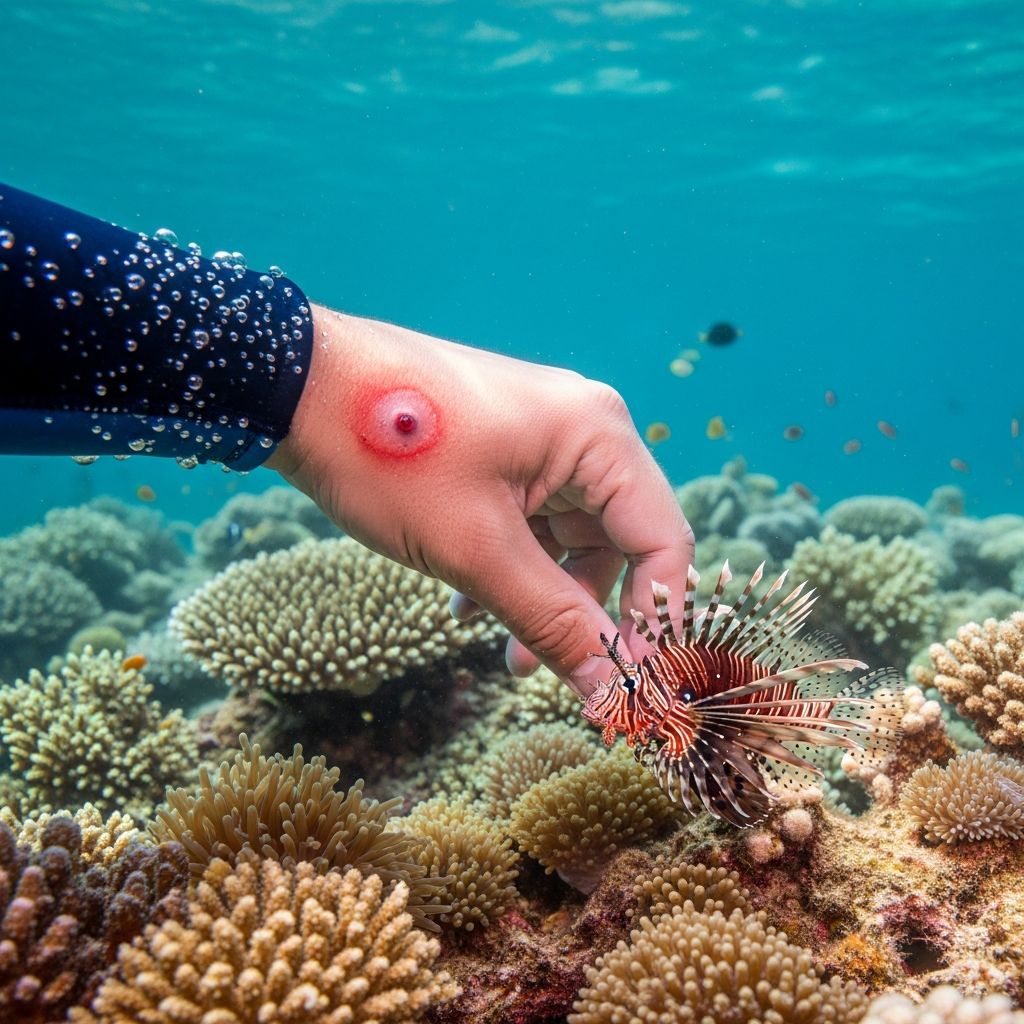
Marine wounds and stings are common injuries encountered by swimmers, divers, surfers, and fishermen exposed to ocean environments. These injuries arise from physical trauma or envenomation by various marine organisms, leading to pain, inflammation, infection risk, and occasionally severe systemic effects. Prompt recognition and appropriate first aid can significantly reduce morbidity.
What are the causes of marine wounds and stings?
Marine injuries result from encounters with venomous or mechanically injurious sea creatures. Key causes include:
- Coelenterates (jellyfish, bluebottles, fire coral): Nematocysts discharge venom causing stinging pain and urticaria.
- Stingrays and venomous fish (weeverfish, stonefish): Serrated spines inject venom, producing intense pain and puncture wounds.
- Sea urchins: Fragile spines break off in skin, causing prolonged pain and potential infection.
- Corals: Sharp exoskeletons cause lacerations; some species release nematocysts.
- Seabathers’ eruption and seabather’s eruption: Larval forms of marine animals penetrate swimwear, causing pruritic eruptions.
- Sea snakes: Bites deliver neurotoxic venom, though rare in wounds/stings context.
These incidents are more frequent in tropical waters but occur worldwide, especially during warmer months.
Who is at risk of marine wounds and stings?
Individuals engaging in water-related activities face heightened risk:
- Swimmers, snorkelers, and scuba divers.
- Surfers and windsurfers.
- Fishermen handling catch.
- Beachgoers stepping on hidden creatures.
- Children and the elderly due to reduced awareness or mobility.
Wetsuits and footwear reduce but do not eliminate risk. Tropical regions like Australia, Southeast Asia, and the Caribbean report highest incidences.
What are the symptoms of marine wounds and stings?
Symptoms vary by organism but commonly include:
- Immediate intense pain, burning or stinging sensation.
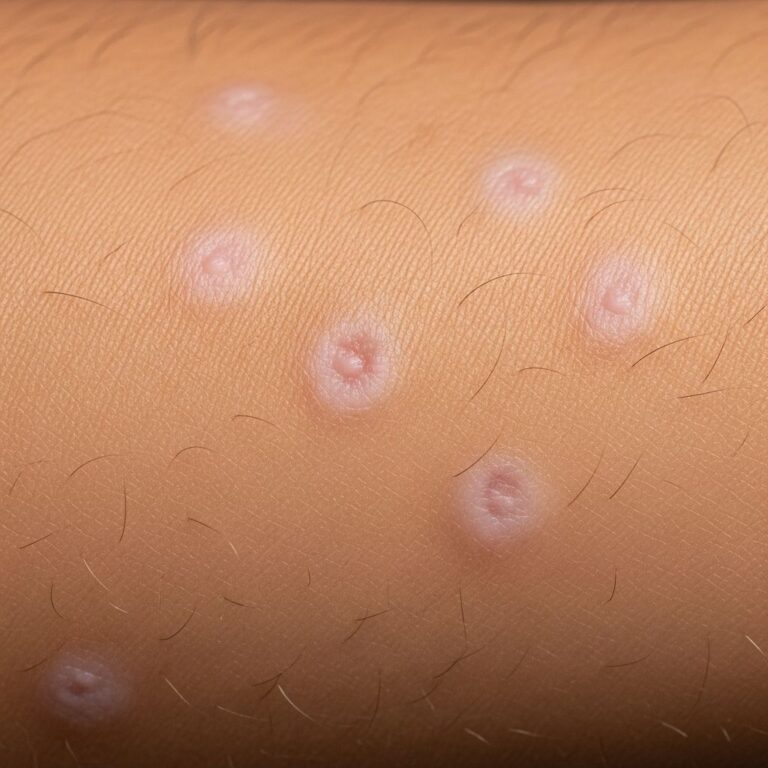
- Skin changes: Erythema, wheals, vesicles, necrosis in severe cases.
- Systemic effects: Nausea, vomiting, muscle cramps, dyspnoea (rare).
- Delayed reactions: Infection, granulomas from retained spines.
| Marine Organism | Typical Symptoms |
|---|---|
| Jellyfish | Linear wheals, intense burning pain |
| Stingray | Puncture wound, radiating pain, swelling |
| Sea Urchin | Multiple punctures, discoloration, throbbing pain |
| Coral | Lacerations, abrasion, possible nematocyst stings |
What is the treatment for marine wounds and stings?
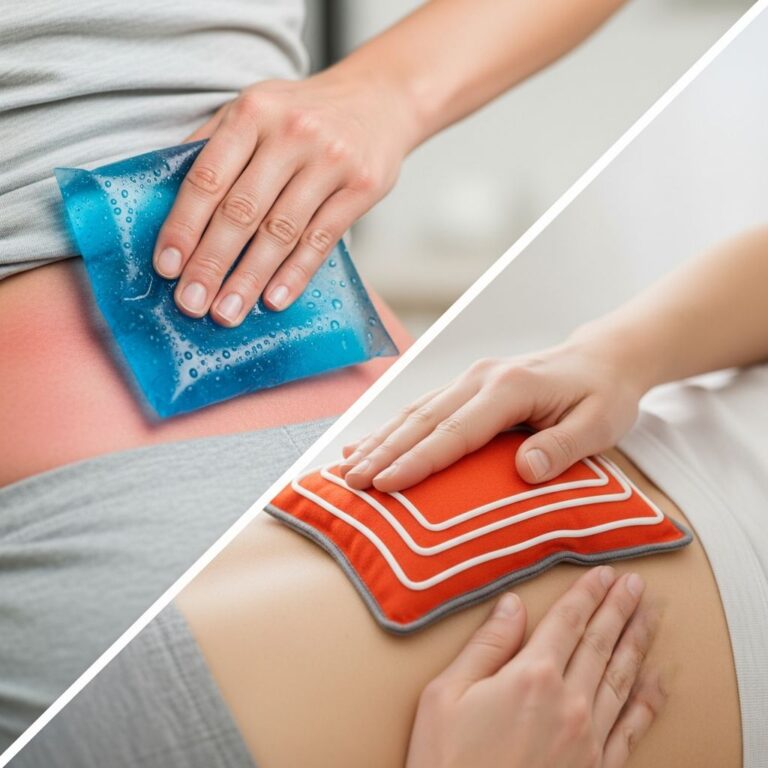
Treatment prioritizes venom inactivation, pain relief, debris removal, and infection prevention. Hot water immersion (42-45°C) is the cornerstone for most envenomations, denaturing heat-labile venom proteins.
Jellyfish and Bluebottle Stings
- Rinse with seawater (avoid freshwater, which triggers nematocysts).
- Remove tentacles carefully with tweezers.
- Immerse in hot water (43-45°C) for 20-45 minutes or until pain subsides.
- Apply hydrocortisone cream for residual irritation.
For box jellyfish, vinegar (4-6% acetic acid) inactivates nematocysts prior to hot water.
Stingray and Venomous Fish Injuries
- Flush wound with flowing water, express venom.
- Immerse in hot water (42-45°C) for 30-90 minutes.
- Remove superficial barbs; seek imaging/surgery for deep penetration.
- Prophylactic antibiotics (e.g., ciprofloxacin) if wound contaminated.
- Tetanus prophylaxis essential.
Sea Urchin Spine Injuries
- Remove visible spines with tweezers; avoid deep digging.
- Hot water soak (42-45°C) for 30-90 minutes.
- Consider local anaesthesia for embedded spines; follow-up imaging.
Related Stories



Coral Cuts and Abrasions
- Irrigate copiously with seawater or saline.
- Remove fragments; soak in hot water if stinging.
- Topical antibiotics for open wounds.
Sea Snake Bites
Pressure immobilization bandage, antivenom if available.
Complications of marine wounds and stings
Potential complications include:
- Infection: Vibrio spp., Mycobacterium marinum from contaminated water.
- Foreign body reactions: Granulomatous inflammation from spines/barbs.
- Necrosis: From stonefish or severe jellyfish stings.
- Systemic toxicity: Cardiac arrhythmias, paralysis (rare).
- Delayed hypersensitivity: Chronic dermatitis.
Wounds involving joints, thorax, or abdomen require urgent surgical evaluation.
Prevention of marine wounds and stings
Preventive measures:
- Wear protective footwear (reef shoes) and wetsuits/stinger suits.
- Shuffle feet when entering shallow water to disturb rays/urchins.
- Avoid handling marine life; maintain distance from jellyfish blooms.
- Apply vinegar spray for jellyfish-prone areas.
- Ensure up-to-date tetanus vaccination.
In high-risk areas, follow local advisories on marine hazards.
Frequently Asked Questions (FAQs)
What should I do immediately after a jellyfish sting?
Rinse with seawater, remove tentacles, and immerse in hot water (43-45°C) for 20-45 minutes.
Is vinegar effective for all jellyfish stings?
Vinegar works for box jellyfish and some tropical species but not bluebottles; hot water is universally recommended.
How long does pain from a stingray wound last?
Pain peaks immediately and subsides with hot water immersion; full resolution may take hours to days.
Do I need antibiotics for every marine wound?
Not routinely, but indicated for contaminated wounds, delayed healing, or signs of infection.
Can sea urchin spines dissolve on their own?
Superficial spines may, but embedded ones often require removal to prevent granulomas.
What temperature is safe for hot water immersion?
42-45°C (110-113°F), hot but tolerable without scalding; test on unaffected skin.
References
- Jellyfish stings – Diagnosis and treatment — Mayo Clinic Staff. 2024-05-14. https://www.mayoclinic.org/diseases-conditions/jellyfish-stings/diagnosis-treatment/drc-20353290
- Marine biological injuries and their medical management — PMC (NCBI). 2023. https://pmc.ncbi.nlm.nih.gov/articles/PMC9896478/
- Non-venomous marine stings clinical tool — Emergency Care Institute, ACI Health NSW. Accessed 2026. https://aci.health.nsw.gov.au/networks/eci/clinical/tools/non-venomous-marine-stings
- Sea creature bites and stings — healthdirect (Australian Government). Accessed 2026. https://www.healthdirect.gov.au/sea-creature-stings
- Marine Animal Bites or Stings: Risks, Prevention, and Treatments — Healthline. Accessed 2026. https://www.healthline.com/health/marine-animal-stings-or-bites
- Marine Wounds and Stings — DermNet NZ. Accessed 2026. https://dermnetnz.org/topics/marine-wounds-and-stings
Similar Articles








Read full bio of medha deb