Marshmallow Root Benefits: 5 Science-Backed Health Uses
Discover the soothing power of marshmallow root for digestive, respiratory, and skin health backed by traditional use and modern research.
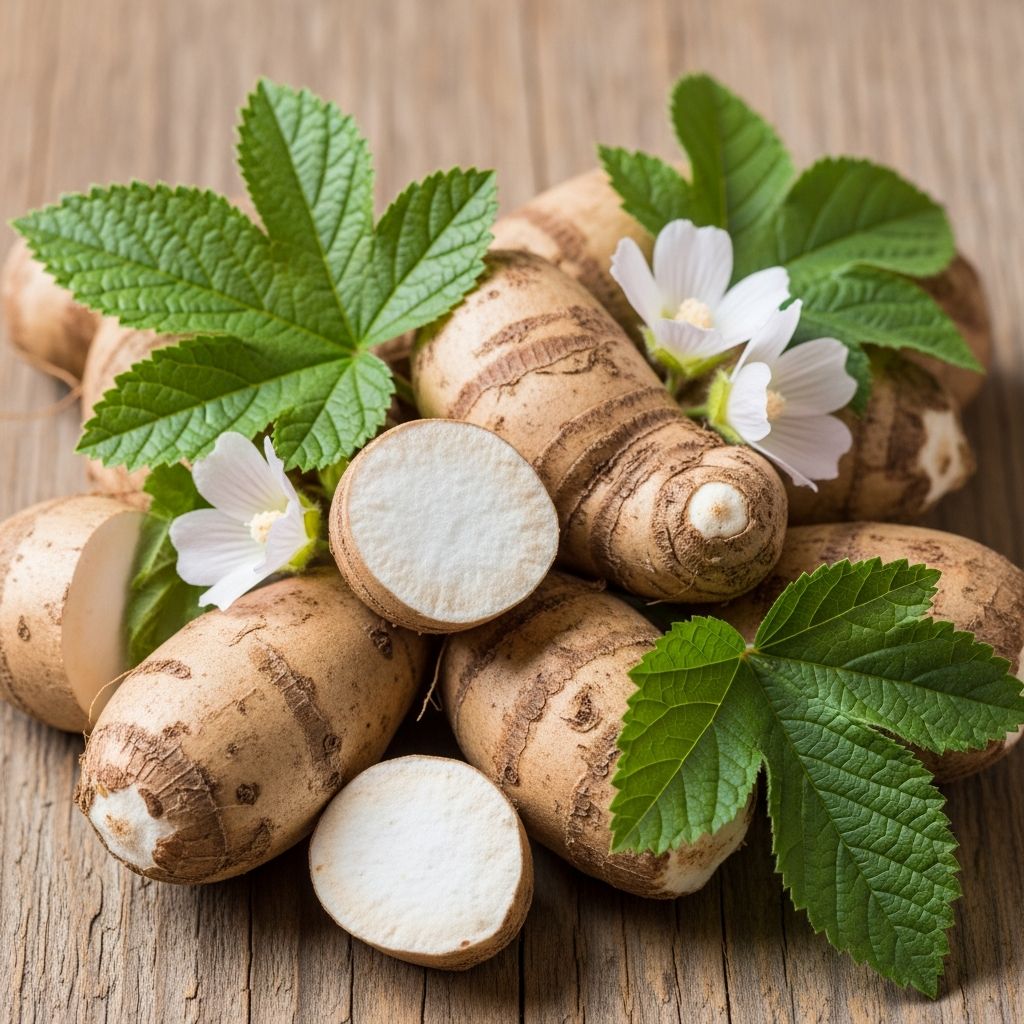
Marshmallow root, derived from the Althaea officinalis plant, has been used for centuries in traditional medicine to soothe irritated mucous membranes throughout the body. Native to Europe, western Asia, and North Africa, this perennial herb belongs to the Malvaceae family and is rich in mucilage—a gel-like substance that forms a protective coating on inflamed tissues. This property makes it particularly valuable for digestive, respiratory, urinary, and skin health. Modern research supports its anti-inflammatory, antioxidant, and antimicrobial effects, positioning it as a natural remedy for conditions like acid reflux, dry coughs, and wounds.
What Is Marshmallow Root?
Marshmallow root comes from the tall, pink-flowered Althaea officinalis, historically consumed as food by ancient Egyptians and Romans during famines. The root contains up to 11% mucilage, which swells in water to create a soothing gel that protects mucous membranes, allowing damaged cells time to regenerate. Key phytochemicals include flavonoids (antioxidants for cell protection), phytosterols (anti-inflammatory agents), and phenolic compounds that combat oxidative stress. These components enable marshmallow root to coat and calm irritated surfaces in the digestive tract, respiratory system, urinary tract, and skin.
Traditionally prepared as teas, extracts, or poultices, marshmallow root acts as a demulcent, drawing out toxins from wounds and reducing inflammation. In small doses, it restrains gut peristalsis for antidiarrheal effects; in larger amounts, it gently laxates. Its versatility stems from this mucilage, which forms a barrier against irritants like gastric acid or environmental pollutants.
Marshmallow Root Nutrition Facts
Marshmallow root is low in calories but nutrient-dense, offering polysaccharides, amino acids, and minerals. A typical serving of dried root (about 1-2 teaspoons) provides mucilage as the star nutrient, alongside flavonoids, pectin, asparagine, and tannins. These contribute to its antioxidant capacity, scavenging free radicals and chelating metals. While not a primary source of vitamins or macros, its bioactive compounds support immune function and tissue repair, making it a staple in herbal formulations.
| Nutrient/Component | Key Role |
|---|---|
| Mucilage (up to 11%) | Forms protective gel coating |
| Flavonoids | Antioxidant, anti-inflammatory |
| Phytosterols | Reduce inflammation |
| Phenolic compounds | Neutralize free radicals |
| Pectin & Asparagine | Support digestion, mild diuretic |
Potential Health Benefits of Marshmallow Root
Digestive Health
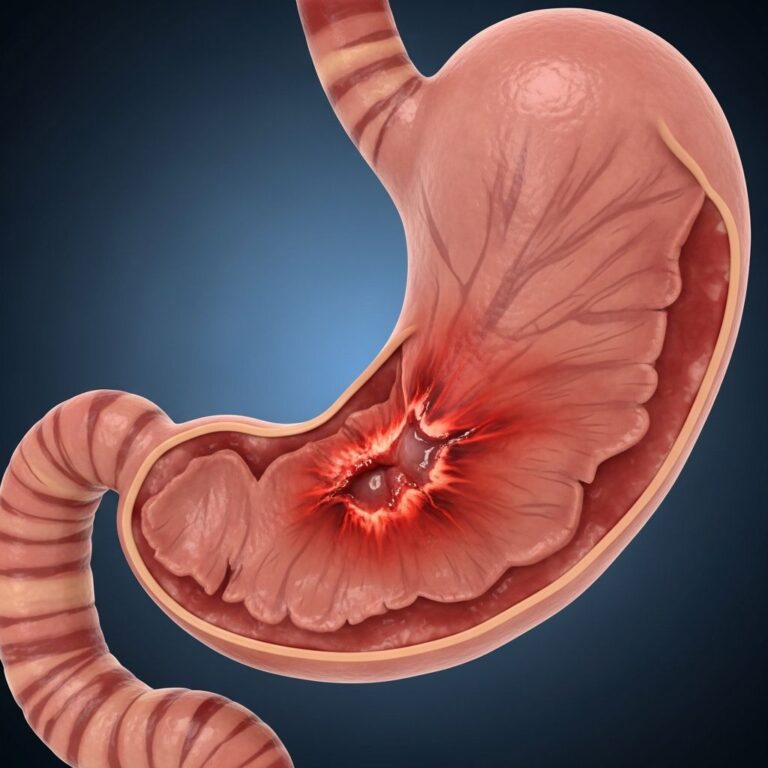
Marshmallow root excels in soothing the digestive tract by coating the mucosal lining, reducing inflammation from conditions like gastritis, ulcers, acid reflux, and IBS. Its mucilage softens stools for constipation relief and supports leaky gut repair by maintaining gut barrier integrity. Studies indicate it inhibits platelet aggregation and shows hypotensive effects, while methanolic extracts combat oral pathogens. For GERD, it coats the esophagus, alleviating burning sensations.
- Soothes gastritis, colitis, and peptic ulcers
- Reduces bloating, reflux, and hyperacidity
- Promotes bowel regularity without harsh laxation
- Supports nutrient absorption via gut lining protection
Respiratory Relief
The demulcent action of marshmallow root calms dry, irritated airways, making it ideal for coughs, sore throats, and bronchitis. It forms a film on inflamed mucosa, promoting faster regeneration and reducing irritation from coughs. Research shows it reduces dry mouth and supports cough relief when combined with other extracts. Phytohustil® studies highlight its antioxidant power in resolving respiratory inflammation.
- Eases dry, tickly coughs and sore throats
- Protects lungs during infections
- Stimulates epithelial cell proliferation
Related Stories



Skin and Wound Care
Externally, marshmallow root draws fluid from wounds, burns, and ulcers, reducing swelling and promoting healing. A 20% root extract ointment significantly lessened skin irritation in trials, while poultices relieved breast engorgement in lactating women. Its anti-inflammatory flavonoids aid scar tissue and eczema management.
- Treats wounds, burns, and infections
- Reduces skin inflammation and dryness
- Supports cellular regeneration
Urinary Tract Support
Marshmallow root alleviates cystitis, urethritis, and urinary stones by soothing inflamed urinary mucosa. Its mild diuretic effect from asparagine flushes irritants, while mucilage protects against nephritis.
Other Benefits
Antioxidant properties combat oxidative stress, potentially aiding overall immunity. Anti-bacterial effects target oral and gut pathogens. Preliminary research suggests benefits for oral health and mild hypotensive action.
How to Use Marshmallow Root
Marshmallow root is available as teas, capsules, tinctures, powders, or topical ointments. For internal use:
- Tea: Steep 1-2 tsp dried root in cold water overnight or hot water for 10-15 min; drink 2-3 cups daily.
- Extract/Tincture: 1-2 mL up to 3x/day for digestive or respiratory relief.
- Capsules: 500-1000 mg daily with meals.
- Topical: Poultice or 20% ointment for skin issues.
Best taken between meals for maximum coating effect. Combine with hydration and fiber-rich diets for optimal gut benefits.
Marshmallow Root Side Effects
Generally safe, marshmallow root may slow absorption of oral medications—take 1 hour apart. Rare side effects include nausea or low blood sugar. Avoid if pregnant, breastfeeding, or diabetic without medical advice. Its mucilage can cause mild digestive upset in excess.
Marshmallow Root Dosage
| Form | Recommended Dosage | Frequency |
|---|---|---|
| Tea | 1-2 tsp dried root | 2-3 cups/day |
| Powder/Capsules | 500-1500 mg | 1-3x/day |
| Tincture | 1-5 mL | 2-3x/day |
| Topical | As needed | Apply 2-4x/day |
Start low and consult a healthcare provider, especially with medications.
Frequently Asked Questions (FAQs)
What is marshmallow root used for?
It’s used to soothe digestive issues, respiratory irritation, urinary inflammation, and skin conditions via its mucilaginous protective coating.
Who should avoid marshmallow root?
Pregnant or breastfeeding individuals, those on medications affecting absorption, or with diabetes should consult a doctor.
Is marshmallow root good for your stomach?
Yes, it coats the stomach lining, reducing irritation from gastritis, reflux, and ulcers.
Is marshmallow root good for constipation?
It softens stools and eases inflammation for mild relief, though not a strong laxative.
Is marshmallow root good for GERD?
Yes, its mucilage protects the esophagus from acid reflux symptoms.
Can marshmallow root help with coughs?
Absolutely, it forms a soothing film on throat mucosa for dry cough relief.
References
- The Science Behind Marshmallow Root Extract — Origins Nutra. 2023. https://originsnutra.com/blogs/news/the-science-behind-marshmallow-root-extract
- Marshmallow (Althaea officinalis): Benefits, Safety, Uses — Herbal Reality. 2024. https://www.herbalreality.com/herb/marshmallow/
- Althaea Officinalis in Traditional Medicine and Modern Phytotherapy — JAPER. 2022. https://japer.in/storage/models/article/f5TqIxFdtRizpWUR7QJcIhbRLMXjYU2hTii7woeWds9ikCBkEPOjkXbppPnI/althaea-officinalis-in-traditional-medicine-and-modern-phytotherapy.pdf
- Anti-inflammatory and Anti-oxidative Effects of Phytohustil® and Root Extract of Marshmallow (Althaea officinalis L.) — PMC (NCBI). 2020-04-15. https://pmc.ncbi.nlm.nih.gov/articles/PMC7090173/
- Phytochemical compounds and biomedical properties of Althaea officinalis — Pharmacy Practice. 2024. https://pharmacypractice.org/index.php/pp/article/pp/3153
Similar Articles








Read full bio of Sneha Tete