MASH vs. NASH: Key Differences Explained
Understand the shift from NASH to MASH, why the name changed, symptoms, risks, diagnosis, and treatments for this serious liver condition.

MASH, previously known as NASH, represents a serious form of liver disease characterized by fat buildup, inflammation, and damage not primarily caused by alcohol. The name change from nonalcoholic steatohepatitis (NASH) to metabolic dysfunction-associated steatohepatitis (MASH) occurred in 2023 to reduce stigma and better reflect its metabolic roots.
What Is MASH (Formerly NASH)?
MASH is an advanced stage of metabolic dysfunction-associated steatotic liver disease (MASLD), formerly nonalcoholic fatty liver disease (NAFLD). It involves excessive fat accumulation in the liver accompanied by inflammation and hepatocyte injury, distinguishing it from simple steatosis.
The condition arises from metabolic factors like obesity, insulin resistance, type 2 diabetes, and dyslipidemia, leading to liver cell damage. Without intervention, MASH progresses to fibrosis, cirrhosis, hepatocellular carcinoma (HCC), and liver failure.
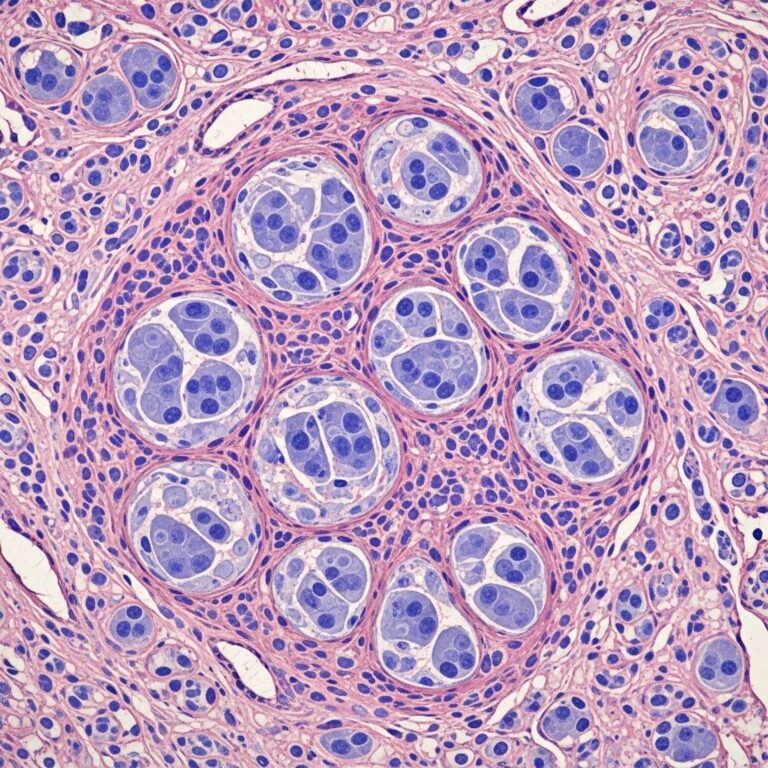
Unlike simple fatty liver, MASH features ballooning hepatocytes and lobular inflammation, often confirmed via liver biopsy. Globally, it affects millions, with U.S. projections estimating 27 million cases by 2030.
Why the Name Change from NASH to MASH?
In June 2023, major liver disease organizations renamed NASH to MASH and NAFLD to MASLD to address terminology issues. Terms like ‘nonalcoholic’ implied blame on lifestyle and excluded patients with moderate alcohol use alongside metabolic risks, while ‘fatty’ stigmatized individuals.
MASH emphasizes metabolic dysfunction as the core driver, including visceral obesity, insulin resistance, and high blood lipids. A new category, MetALD (metabolic and alcohol-associated liver disease), covers those with metabolic issues plus 140-210g weekly alcohol intake.
This shift improves diagnosis accuracy, reduces stigma, enhances screening, and ensures better insurance coverage and care. It aligns with evidence linking MASH to metabolic syndrome, not just alcohol abstinence.
MASH vs. MASLD: Understanding the Spectrum
MASLD encompasses the full spectrum from simple steatosis (fat buildup without damage) to MASH (with inflammation and injury). About 20-30% of MASLD cases progress to MASH.
| Condition | Description | Key Features | Progression Risk |
|---|---|---|---|
| MASLD (formerly NAFLD) | Steatotic liver disease | Fat accumulation (>5% liver cells), no inflammation | 20-30% to MASH |
| MASH (formerly NASH) | Steatohepatitis | Fat + inflammation + hepatocyte injury | Fibrosis (30-50%), cirrhosis (20%) |
MASH is more aggressive, driving most MASLD-related complications.
Symptoms of MASH
MASH is often ‘silent’ in early stages, with no symptoms. As it advances:
- Fatigue and weakness
- Right upper quadrant pain or discomfort
- Enlarged liver (hepatomegaly)
- In advanced stages: jaundice, ascites, easy bruising, confusion (hepatic encephalopathy)
Most diagnoses occur incidentally via imaging or blood tests for other conditions. Cardiovascular symptoms like chest pain may appear due to associated heart disease.
Causes and Risk Factors
Primary drivers are metabolic:
- Obesity, especially central (waist circumference >40″ men, >35″ women)
- Type 2 diabetes or prediabetes (insulin resistance)
- Dyslipidemia (high triglycerides, low HDL)
- Metabolic syndrome (3+ of above plus hypertension)
Other factors: rapid weight loss, certain medications (e.g., corticosteroids, tamoxifen), viral hepatitis, or genetic predispositions like PNPLA3 variants. MASH patients have 2x CVD mortality risk vs. liver complications.
Related Stories



How Serious Is MASH?
MASH is the fastest-growing cause of liver transplants, cirrhosis, and HCC in the U.S. Untreated, 20-30% develop bridging fibrosis, 15-20% cirrhosis within 10-20 years.
Complications include:
- Fibrosis/cirrhosis: ~$100,000 annual cost
- HCC: ~$124,000 annual cost
- End-stage liver disease requiring transplant
- CVD (leading MASH cause of death)
Prevalence rising: U.S. cirrhosis from MASH doubled 2012-2018. Projected healthcare costs: $41B (2020) to $140B (2039).
Diagnosis of MASH
No single test; combines clinical, labs, imaging, and biopsy:
- Blood tests: Elevated ALT/AST (ALT predominant), FIB-4 score (fibrosis risk)
| FIB-4 Score | Risk Level | Annual Costs (USD) |
|---|---|---|
| ≤0.95 | Low | $16,744 |
| >0.95 to ≤2.67 | Intermediate | $19,637 |
| >2.67 to ≤4.12 | High | $25,728 |
| >4.12 | Very High | $34,667 |
- Imaging: Ultrasound (steatosis), FibroScan (stiffness), MRI-PDFF (fat quantification)
- Biopsy: Gold standard for inflammation/fibrosis staging (F0-F4)
Non-invasive scores like FIB-4 guide biopsy need; high scores (>4.12) double costs vs. low.
Treatment and Management
No FDA-approved cure; focus on lifestyle and emerging therapies:
- Lifestyle: 7-10% weight loss via diet (Mediterranean), exercise (150min/week). Reduces steatosis 50-80%.
- Medications: GLP-1 agonists (semaglutide) improve histology; resmetirom (2024 approval) for NASH with fibrosis.
- Manage comorbidities: Diabetes control, statins for lipids (safe in MASH).
- Advanced: Transplant for decompensated cirrhosis.
Per-patient costs projected to rise from $3,537 to $4,950 by 2030.
Prevention of MASH
Target metabolic risks:
- Maintain BMI <25 via balanced diet, portion control
- Regular aerobic + resistance exercise
- Screen high-risk: diabetes, obesity, dyslipidemia (ALT, FibroScan)
- Limit alcohol, avoid hepatotoxins
Early intervention halts progression; vaccination for hep A/B.
Frequently Asked Questions (FAQs)
What is the difference between MASH and NASH?
MASH is the new term for NASH, adopted in 2023 to better describe metabolic causes and reduce stigma associated with ‘nonalcoholic.’
Can MASH be reversed?
Yes, early MASH/MASLD often reverses with 7-10% weight loss; advanced fibrosis less so, but lifestyle slows progression.
Who is at risk for MASH?
Those with obesity, type 2 diabetes, metabolic syndrome; projected 27M U.S. cases by 2030.
How is MASH diagnosed without biopsy?
Via FIB-4 score, FibroScan, blood markers; biopsy confirms advanced cases.
Is MASH the same as alcoholic liver disease?
No, MASH is metabolic-driven; MetALD combines both.
References
- NASH/MASH Resources — AMCP. 2023. https://www.amcp.org/resource/nashmash-resources
- Nomenclature Change from NASH/NAFLD to MASH/MASLD — Labcorp. 2023-12-06. https://www.labcorp.com/education-events/articles/nomenclature-change-nashnafld-mashmasld
- MASH (Formerly NASH): Understanding Fatty Liver Disease — Yale Medicine. 2024. https://www.yalemedicine.org/news/mash
- Nonalcoholic steatohepatitis/metabolic dysfunction–associated steatohepatitis (NASH/MASH) — PMC (PubMed Central). 2024. https://pmc.ncbi.nlm.nih.gov/articles/PMC11365455/
Similar Articles








Read full bio of medha deb