Massage Therapy for Health: What the Science Says
Evidence-based insights into massage therapy's effectiveness for pain, anxiety, and chronic conditions.
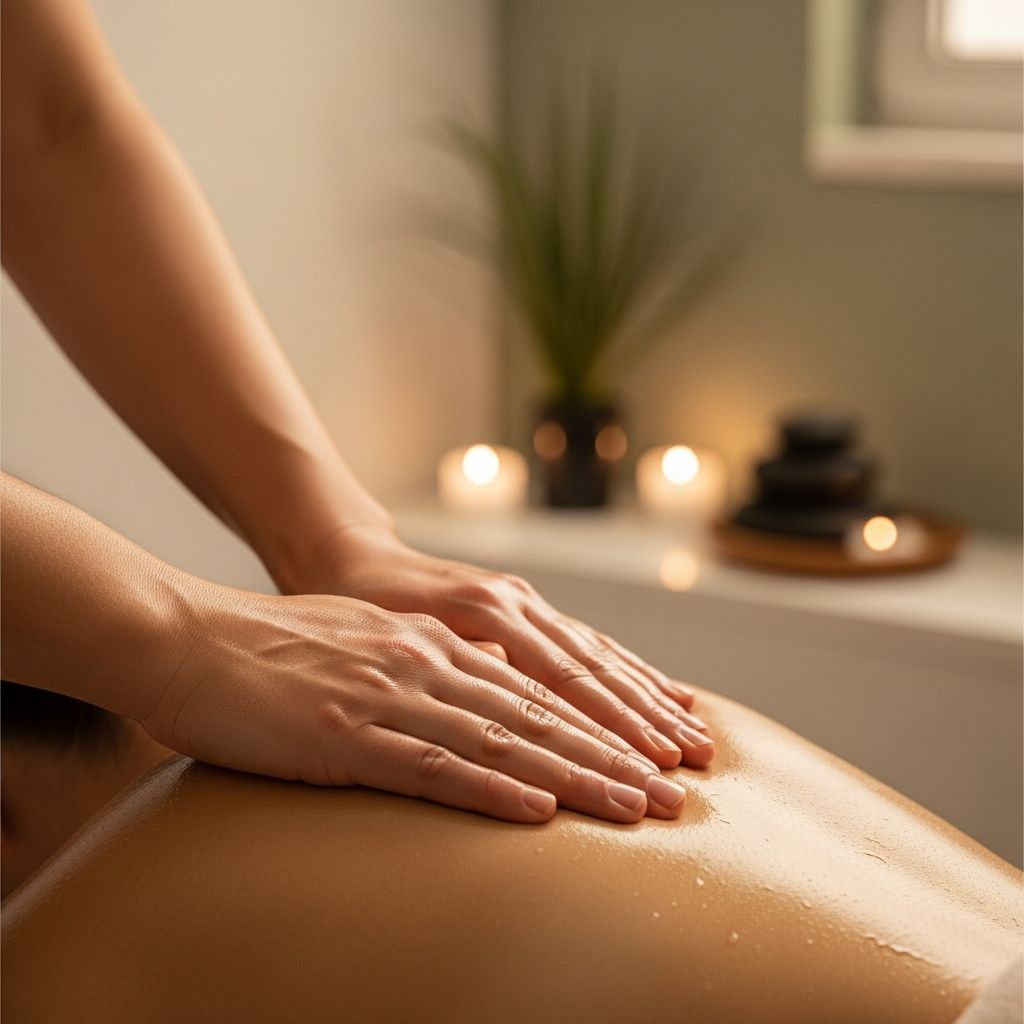
Massage therapy has become increasingly popular as a complementary health approach for managing pain, anxiety, and various chronic conditions. With millions of Americans seeking massage therapy each year, it is essential to understand what scientific evidence reveals about its effectiveness. The National Center for Complementary and Integrative Health (NCCIH) has compiled extensive research on massage therapy outcomes, providing practitioners and patients with evidence-based information to guide clinical decision-making.
Understanding Massage Therapy Research
Scientific evaluation of massage therapy requires rigorous methodology, including randomized controlled trials and systematic reviews. Researchers have examined multiple types of massage techniques, treatment durations, and frequency of sessions to determine optimal protocols. While many studies show promising results, the overall quality of evidence varies significantly across different health conditions. Understanding these nuances helps both healthcare providers and patients make informed decisions about incorporating massage therapy into treatment plans.
Low-Back Pain Management
Chronic low-back pain affects millions of individuals worldwide and represents a major public health concern. The Agency for Healthcare Research and Quality conducted a comprehensive 2016 evaluation of nondrug therapies for low-back pain, examining 20 studies that compared massage to usual care or other interventions. This analysis found evidence that massage was helpful for chronic low-back pain; however, the strength of evidence was rated as low. When researchers examined six studies comparing different types of massage, they discovered insufficient evidence to determine whether any specific massage types were more effective than others.
This finding suggests that while massage may provide benefits for low-back pain sufferers, additional high-quality research is needed to establish specific recommendations regarding massage type, frequency, and duration for optimal outcomes.
Neck and Shoulder Pain
Neck pain affects a substantial portion of the population and often impacts quality of life and work productivity. Research on massage therapy for neck pain presents mixed results. A 2016 review of four randomized controlled trials found that massage therapy may provide short-term benefits from neck pain. However, a comprehensive 2012 Cochrane review examining 15 trials on massage therapy for neck pain concluded that no clear recommendations for practice can be made at this time because the effectiveness of massage for neck pain remains uncertain.
A 2013 review analyzing 12 studies involving 757 total participants found that massage therapy was more helpful for both neck and shoulder pain than inactive therapies but was not more effective than other active therapies. For shoulder pain specifically, massage therapy demonstrated short-term benefits only.
Dosage appears to play an important role in treatment outcomes. A 2014 randomized controlled trial involving 228 participants with chronic nonspecific neck pain found that 60-minute massages given multiple times per week were more effective than fewer or shorter sessions. Participants who received a 4-week course consisting of 60-minute visits one, two, or three times weekly experienced better outcomes compared to those receiving 30-minute visits or control group participants on a wait list.
Related Stories



Arthritis and Osteoarthritis
Arthritis causes significant pain and functional limitations for millions of individuals. A 2017 systematic review of seven randomized controlled trials involving 352 participants with arthritis found low- to moderate-quality evidence that massage therapy is superior to nonactive therapies in reducing pain and improving functional outcomes. Earlier research also supports these findings: a 2013 review of two randomized controlled trials documented positive short-term effects (less than 6 months) in the form of reduced pain and improved self-reported physical functioning.
For osteoarthritis specifically, a 2006 randomized controlled trial of 68 adults with knee osteoarthritis who received standard Swedish massage over 8 weeks demonstrated statistically significant improvements in pain and physical function. More recent NCCIH-funded research suggests that weekly massage therapy may reduce joint pain and improve function in people with knee osteoarthritis, with 8 weeks of massage providing significant improvement in pain, stiffness, and physical function.
Headaches and Migraines
Tension headaches and migraines represent common sources of disability and healthcare utilization. In a 2015 randomized controlled trial, 56 people with tension headaches were assigned to receive massage at myofascial trigger points or an inactive treatment (detuned ultrasound) twice a week for 6 weeks or to be on a waiting list. People who received either massage or the inactive treatment experienced a decrease in headache frequency; however, there was no difference between the two groups. This finding suggests a possible placebo effect or nonspecific therapeutic benefit rather than a specific effect of massage itself.
Fibromyalgia
Fibromyalgia is a chronic condition characterized by widespread musculoskeletal pain, fatigue, and sleep disturbances. A 2014 systematic review and meta-analysis of 9 studies involving 404 total participants concluded that massage therapy, if continued for at least 5 weeks, improved pain, anxiety, and depression in people with fibromyalgia but did not have an effect on sleep disturbance.
Different types of massage may have varying effectiveness. A 2015 systematic review and meta-analysis of 10 studies involving 478 total participants compared the effects of different kinds of massage therapy and found that most styles of massage had beneficial effects on quality of life in fibromyalgia. Swedish massage may be an exception; two studies of this type of massage involving 56 total participants did not show benefits.
Cancer and Cancer Supportive Care
Cancer patients frequently experience pain, anxiety, and mood disturbances during and after treatment. Clinical practice guidelines recommend considering massage therapy as part of comprehensive cancer care. In 2009, the Society for Integrative Oncology issued clinical practice guidelines recommending that massage therapy delivered by an oncology-trained massage therapist be considered as part of a multimodality treatment approach in patients experiencing anxiety or pain.
These recommendations were further supported in 2017 when the Society for Integrative Oncology issued updated guidelines on evidence-based use of integrative therapies during and after breast cancer treatment, recommending the use of massage therapy to improve mood disturbance in breast cancer survivors after active treatment (grade B rating). This recommendation is based on results from six trials.
The American College of Chest Physicians also recognizes massage therapy’s potential benefits. In their 2013 clinical practice guidelines, they suggest massage therapy as part of a multi-modality cancer supportive care program for lung cancer patients whose anxiety or pain is not adequately controlled by usual care.
However, a 2016 Cochrane review of 19 small studies involving 1,274 participants found some studies suggesting that massage with or without aromatherapy may help relieve pain and anxiety in people with cancer; however, the quality of the evidence was very low and results were not consistent.
HIV/AIDS and Quality of Life
People living with HIV/AIDS frequently experience pain, anxiety, depression, and reduced quality of life. There is some evidence that massage therapy may have benefits for these conditions, although the amount of research and number of people studied are small. A 2010 review of four studies involving a total of 178 participants concluded that massage therapy may help improve the quality of life for people with HIV or AIDS.
More recent research has examined specific psychological benefits. A 2013 randomized controlled trial of 54 people suggested that massage may be helpful for depression in people with HIV. Additionally, a 2017 study of 29 people with HIV found that massage may be helpful for anxiety.
Current Evidence Quality and Future Research Directions
A comprehensive 2024 systematic review published in JAMA Network Open examined 129 systematic reviews of massage therapy for painful adult health conditions. Of these reviews, 41 used formal methods to rate certainty or quality of evidence, and 17 reviews were mapped covering 13 health conditions. Notably, no conclusions were rated as high certainty of evidence. Seven conclusions were rated as moderate-certainty evidence, with all moderate-certainty conclusions indicating that massage therapy had beneficial associations with pain. All remaining conclusions were rated as low- or very low-certainty evidence.
Recent evidence mapping from 2018-2023 identified conclusions of potential benefit for massage therapy with moderate certainty of evidence in 6 reviews for specific conditions including back pain, fibromyalgia, myofascial pain, and breast-cancer-related pain. However, almost all conclusions about benefit for massage therapy for pain were drawn from a small number of primary studies, typically only 2 to 5 studies per conclusion.
This indicates that while evidence is accumulating to support massage therapy’s use for certain conditions, substantially larger and more rigorous trials are needed to establish definitive recommendations across different health conditions and patient populations.
NCCIH-Funded Research Initiatives
The National Center for Complementary and Integrative Health has sponsored numerous studies investigating various aspects of massage therapy beyond pain management. These research initiatives examine whether massage therapy can be helpful in preventing and treating repetitive motion disorders, serve as a component of nondrug approaches to pain management in veterans, and target sensory pathways that could help people with ankle sprains avoid chronic ankle instability, which can affect as many as 40 percent of people who experience this type of injury.
Practical Considerations for Patients and Providers
When considering massage therapy as part of a treatment plan, several factors warrant attention. Treatment frequency and duration appear significant, with many studies showing benefits when massage is continued for at least 5 weeks and delivered regularly (typically weekly or multiple times weekly). The specific type of massage technique may matter for certain conditions, though evidence comparing different techniques remains limited.
Patients should seek massage therapists with appropriate training and credentials, particularly when massage is being used for specific medical conditions. For cancer patients, working with oncology-trained massage therapists is especially important. Cost and accessibility may also influence treatment decisions, as massage therapy often requires out-of-pocket expenses.
Frequently Asked Questions (FAQs)
Q: Is massage therapy effective for chronic low-back pain?
A: Evidence suggests massage therapy may be helpful for chronic low-back pain, though the strength of evidence is low. More high-quality research is needed to establish specific recommendations regarding massage type, frequency, and duration.
Q: How often should someone receive massage therapy to see benefits?
A: Research suggests that massage therapy should be continued for at least 5 weeks to achieve meaningful benefits. For some conditions like chronic neck pain, more frequent sessions (60-minute massages multiple times weekly) appear more effective than shorter or less frequent sessions.
Q: Can massage therapy help with anxiety and depression?
A: Evidence suggests massage therapy may help improve anxiety and depression, particularly in people with fibromyalgia, cancer, and HIV/AIDS. However, the overall quality of evidence remains low to moderate for most conditions.
Q: Is massage therapy safe for cancer patients?
A: Yes, massage therapy can be safe and beneficial for cancer patients when delivered by oncology-trained massage therapists. Major clinical organizations including the Society for Integrative Oncology recommend considering massage as part of cancer supportive care.
Q: Are there different types of massage, and are some more effective than others?
A: Yes, multiple massage types exist, including Swedish massage, myofascial release, and trigger point therapy. While most massage styles show beneficial effects for certain conditions, current evidence is insufficient to definitively establish whether any specific type is superior for most conditions.
Q: Can massage therapy improve quality of life for people with HIV/AIDS?
A: Evidence suggests massage therapy may help improve quality of life, reduce anxiety, and alleviate depression in people with HIV/AIDS, though additional research involving larger populations is needed.
Conclusion
Scientific research supports the potential benefits of massage therapy for managing certain pain conditions, anxiety, and mood-related symptoms. While evidence is accumulating, particularly for chronic back pain, neck pain, arthritis, fibromyalgia, and cancer-related symptoms, most conclusions remain rated as low to moderate certainty. This reflects the need for additional high-quality research involving larger populations and rigorous methodologies. Nevertheless, clinical practice guidelines from major organizations including the Society for Integrative Oncology and American College of Chest Physicians recognize massage therapy’s role as a complementary component of multimodal treatment approaches. Patients considering massage therapy should discuss their specific health concerns with healthcare providers and seek qualified, credentialed massage therapists, particularly when massage is being used to address specific medical conditions.
References
- Massage Therapy for Health: What the Science Says — National Center for Complementary and Integrative Health (NCCIH), National Institutes of Health. 2024. https://www.nccih.nih.gov/health/providers/digest/massage-therapy-for-health-science
- Use of Massage Therapy for Pain, 2018-2023: A Systematic Review — JAMA Network Open. 2024. https://jamanetwork.com/journals/jamanetworkopen/fullarticle/2821154
- Massage May Provide Short-Term Improvement of Knee Osteoarthritis Symptoms — National Center for Complementary and Integrative Health (NCCIH), National Institutes of Health. 2024. https://www.nccih.nih.gov/research/research-results/massage-may-provide-shortterm-improvement-of-knee-osteoarthritis-symptoms
- Evidence Map of Massage Therapy: Update from 2018–2023 — Veterans Health Administration HSR&D. 2023. https://www.hsrd.research.va.gov/publications/esp/evidence-massage.pdf
- Massage Therapy: What You Need To Know — National Center for Complementary and Integrative Health (NCCIH), National Institutes of Health. 2024. https://www.nccih.nih.gov/health/massage-therapy-what-you-need-to-know
- 6 Things To Know About Massage Therapy for Health Purposes — National Center for Complementary and Integrative Health (NCCIH), National Institutes of Health. 2024. https://www.nccih.nih.gov/health/tips/things-to-know-about-massage-therapy-for-health-purposes
Similar Articles








Read full bio of Sneha Tete