Massage Therapy: 6 Types, Benefits, And Safety Guide
Comprehensive guide to massage therapy: types, benefits, research evidence, and safety considerations for health.
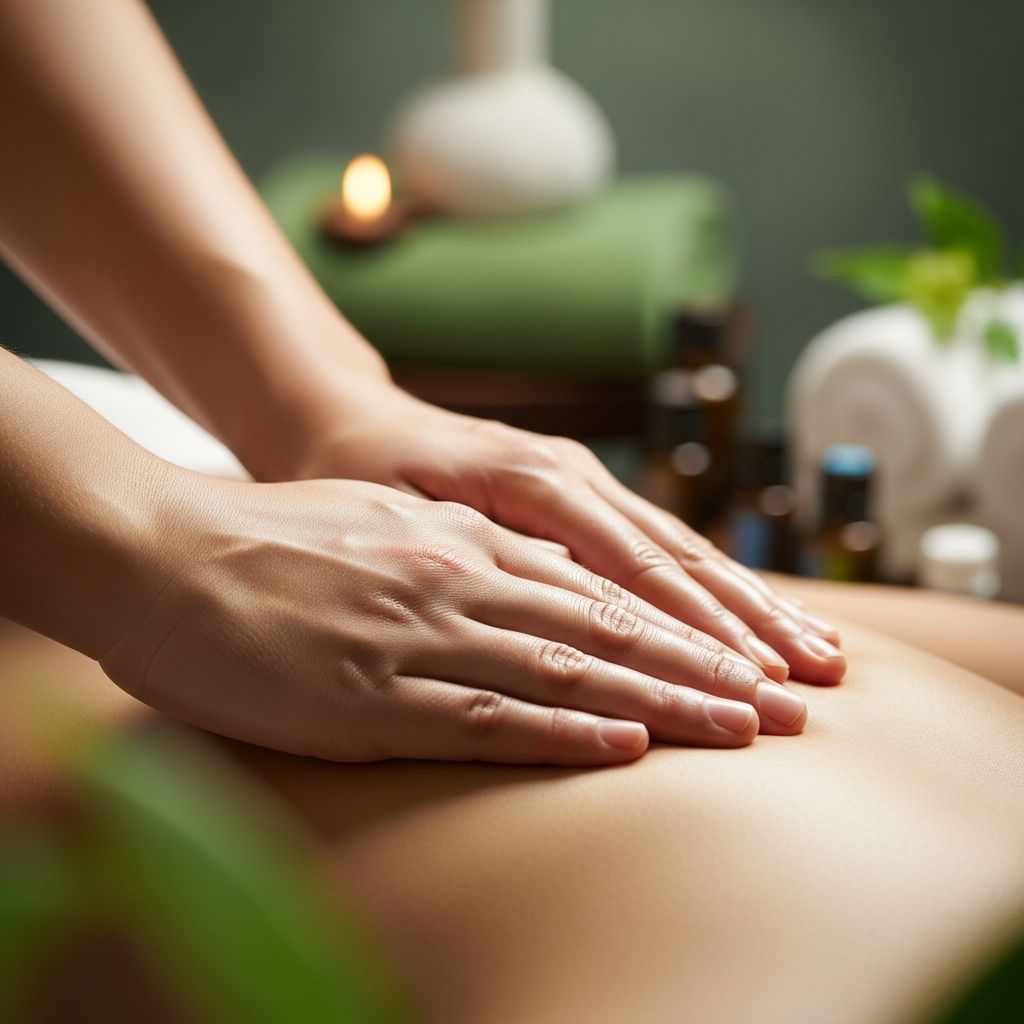
Massage therapy is a complementary health approach that has been used for centuries to promote relaxation, reduce pain, and improve overall wellbeing. As a manipulative and body-based practice, massage therapy involves the skilled manipulation of body tissues to achieve therapeutic effects. Understanding what massage therapy is, how it works, and what the current research shows can help you make informed decisions about whether it might be appropriate for your health needs.
What Is Massage Therapy?
Massage therapy is defined as a manipulative and body-based practice in which trained therapists manipulate body tissues to reduce pain, relieve muscle tension, and reduce stress. The practice encompasses a variety of techniques that range from light-touch to deep-touch methods, each designed to achieve specific therapeutic outcomes. These techniques include stroking and kneading movements, as well as applying pressure to specific anatomical points.
The term “massage therapy” does not refer to a single technique but rather encompasses a collection of methods and approaches. What unites these different approaches is the fundamental principle of using manual manipulation of soft tissues to promote health and healing. Massage therapists use their hands, fingers, forearms, elbows, and sometimes feet to apply controlled pressure and movement to muscles, connective tissues, and other body structures.
Beyond the physical manipulation, massage therapy operates through multiple physiological mechanisms. During a massage session, your parasympathetic nervous system becomes activated, which leads to measurable changes in your body. Your breathing slows, heart rate decreases, blood pressure drops, and muscles begin to relax. Additionally, serotonin is released during massage, which increases positive mood and thoughts. From a mechanical perspective, massage increases circulation of both blood and lymphatic fluid, which can decrease swelling and inflammation in soft tissues and reduce pain associated with muscle tension and spasms.
Different Types of Massage Therapy
The field of massage therapy includes numerous distinct styles and techniques, each with its own approach and focus. Understanding the different types can help you identify which approach might best suit your needs and health goals.
Swedish or Classical Massage
Swedish massage, also known as classical massage, is the most common form of massage therapy practiced in Western countries. It forms the core of most massage training programs and serves as the foundation for many other massage styles. Swedish massage typically uses flowing strokes, kneading, and circular movements to promote relaxation and improve circulation.
Sports Massage
Sports massage is specifically designed for athletes and individuals engaged in regular physical activity. This type of massage focuses on preventing injuries, enhancing athletic performance, and facilitating recovery from training and competition.
Clinical Massage
Clinical massage is delivered with specific therapeutic goals in mind, such as releasing muscle spasms, addressing chronic pain conditions, or treating specific musculoskeletal injuries. This approach is often more targeted than relaxation-focused massage.
Trigger Point Massage
Trigger point massage focuses on breaking down tight muscle fibers that typically form in muscles that are overused or have been injured. This technique targets specific sensitive areas to release tension and reduce pain.
Related Stories



Eastern Massage Traditions
Several massage traditions have been derived from Eastern cultures and continue to be practiced widely. These include Shiatsu, which applies pressure to specific points on the body, and Tuina, a traditional Chinese massage technique. Acupressure is another Eastern approach that applies sustained pressure to specific points for therapeutic benefit.
Chair Massage
Chair massage is performed using a special ergonomic chair while the client remains fully clothed and in a sitting position. This style typically addresses the upper body, including the neck, shoulders, back, and arms, and is often used in workplace wellness settings.
Research Evidence for Massage Therapy
Over the past two decades, numerous scientific studies have investigated the effectiveness of massage therapy for various health conditions. While massage therapy shows promise for several applications, it is important to understand what the current evidence actually demonstrates.
Low Back Pain
Low back pain is one of the most common conditions for which people seek massage therapy. Research indicates mixed but somewhat supportive findings. The Agency for Healthcare Research and Quality conducted a 2016 evaluation of nondrug therapies for low-back pain, examining 20 studies that compared massage to usual care or other interventions. This review found evidence that massage was helpful for chronic low-back pain, though the strength of the evidence was characterized as low.
When researchers examined studies comparing different types of massage against each other, the evidence proved insufficient to determine whether any specific types were more effective than others. The American College of Physicians issued clinical practice guidelines in 2017 that included massage therapy as an option for treating acute or subacute low-back pain but did not include it among recommended options for chronic low-back pain.
Neck and Shoulder Pain
Massage therapy appears to offer some benefits for neck and shoulder pain, though the therapeutic effects may be temporary. A 2013 review examining 12 studies involving 757 total participants found that massage therapy was more helpful for both neck and shoulder pain compared to inactive therapies. However, massage was not more effective than other active therapies. For shoulder pain specifically, the benefits appeared to be short-term only.
A 2016 review of four randomized controlled trials found that massage therapy may provide short-term benefits for neck pain, though a 2012 Cochrane review of 15 trials on massage for neck pain concluded that no firm recommendations for practice could be made at that time because the effectiveness remained uncertain.
Research also indicates that the frequency and duration of massage sessions matter. A 2014 randomized controlled trial involving 228 participants with chronic nonspecific neck pain found that 60-minute massages given multiple times per week proved more effective than fewer or shorter sessions.
Headaches and Migraines
The evidence for massage therapy in treating headaches shows limited effectiveness. A 2015 study examined 56 people with tension headaches who were assigned to receive massage at myofascial trigger points, an inactive treatment called detumed ultrasound, or to be on a waiting list. While both the massage and inactive treatment groups experienced a decrease in headache frequency, there was no significant difference between the two groups, suggesting that the benefit may result from non-specific factors like attention and therapeutic contact.
For migraine headaches, the evidence is even less supportive. A 2011 study evaluated adding hand massage to multimodal behavior treatment in 83 people with migraines and found that hand massage had no effect on migraine frequency.
Cancer-Related Symptoms
Several professional organizations have issued guidance recommending consideration of massage therapy for cancer patients experiencing certain symptoms. The Society for Integrative Oncology recommended in 2009 that massage therapy delivered by an oncology-trained massage therapist be considered as part of a multimodal treatment approach for patients experiencing anxiety or pain.
In 2017, the Society for Integrative Oncology issued updated guidelines on evidence-based integrative therapies during and after breast cancer treatment, recommending massage therapy to improve mood disturbance in breast cancer survivors after active treatment. The American College of Chest Physicians suggested in 2013 that massage therapy be considered as part of a multi-modality cancer supportive care program for lung cancer patients whose anxiety or pain is not adequately controlled by usual care.
However, a 2016 Cochrane review of 19 small studies involving 1,274 participants found only some studies suggesting that massage with or without aromatherapy may help relieve pain and anxiety in people with cancer. The quality of evidence was very low, and results were not consistent.
When working with cancer patients, massage therapists often need to modify their usual techniques. They may need to use less pressure than usual in areas sensitive because of cancer or cancer treatments.
Fibromyalgia
For fibromyalgia, a chronic condition characterized by widespread musculoskeletal pain, the evidence for massage therapy appears more promising. A 2014 evaluation of 9 studies involving 404 total participants concluded that massage therapy, if continued for at least 5 weeks, improved pain, anxiety, and depression in people with fibromyalgia. However, the therapy did not appear to have an effect on sleep disturbance.
Different styles of massage showed varying effectiveness. A 2015 evaluation of 10 studies involving 478 total participants compared the effects of different kinds of massage therapy and found that most styles had beneficial effects on quality of life in people with fibromyalgia. Swedish massage may be an exception, as 2 studies of this type (56 total participants) did not show benefits.
Safety and Risks of Massage Therapy
Overall, the risk of harmful effects from massage therapy appears to be low, and many people tolerate massage well without significant adverse effects. However, healthcare providers and patients should be aware that rare reports of serious side effects do exist.
Serious side effects have occasionally been reported and include blood clots, nerve injury, and bone fractures. Some of these rare cases have involved vigorous types of massage, such as deep tissue massage, or patients who might be at increased risk of injury, such as elderly people.
Before beginning massage therapy, it is important to provide your massage therapist with complete medical information. Inform your therapist of any open wounds, broken bones, allergies, or other medical conditions you have so that negative side effects can be avoided. Your therapist can then modify techniques as needed to ensure your safety and maximize therapeutic benefit.
What to Expect During Your First Massage
Understanding what happens during a massage appointment can help reduce anxiety and allow you to get the most benefit from the experience. Prior to your first massage session, the clinic or therapist will provide you with some form of medical consultation. This consultation may be presented as a written questionnaire or a verbal discussion where you detail the reason you are seeking massage therapy, your medical history, any physical or mental conditions you currently experience, and any medications you are taking.
During this consultation, inform your massage therapist of any specific health concerns, injuries, or conditions that should be addressed. Once you have completed the initial consultation, the therapist will discuss the treatment you will receive and explain which specific concerns they plan to address through massage therapy. This collaborative approach ensures that the massage is tailored to your individual needs and health goals.
Current Research and Future Directions
The National Center for Complementary and Integrative Health (NCCIH) continues to fund research investigating various aspects of massage therapy. Current NCCIH-sponsored studies have investigated several important questions about massage therapy effectiveness, including whether massage can be helpful in preventing and treating repetitive motion disorders, if massage can be useful as a component of a nondrug approach to pain management in veterans, and whether massage therapy can target sensory pathways to help people with ankle sprains avoid chronic ankle instability, which can affect as many as 40 percent of people who experience this type of injury.
Frequently Asked Questions
Q: Is massage therapy considered alternative medicine?
A: Massage therapy is classified as a complementary and integrative health approach, which means it can be used alongside conventional medical treatments. It is not necessarily an alternative to conventional medicine but can complement standard medical care.
Q: How often should I receive massage therapy for it to be effective?
A: The frequency depends on your specific condition and goals. Research suggests that for some conditions like neck pain and fibromyalgia, more frequent sessions (multiple times per week) may be more effective than occasional massage. Your massage therapist can recommend an appropriate frequency for your situation.
Q: Can massage therapy be used alongside other treatments?
A: Yes, massage therapy can often be integrated into a comprehensive treatment approach that includes conventional medical care. Many healthcare providers recommend massage as part of a multimodal approach to pain management and wellness.
Q: Are there people who should not receive massage therapy?
A: Certain conditions may require modifications or precautions. People with open wounds, broken bones, blood clots, severe osteoporosis, or certain skin conditions should consult with their healthcare provider before receiving massage therapy.
Q: How do I find a qualified massage therapist?
A: Look for therapists who are licensed or certified in your state. If you have specific health conditions, seek a therapist with training in those areas, such as an oncology-trained massage therapist for cancer patients.
References
- Massage Therapy — Merck Manuals, Denise Millstine, MD, Mayo Clinic. 2025. https://www.merckmanuals.com/home/special-subjects/integrative-complementary-and-alternative-medicine/massage-therapy
- Massage Therapy for Health: What the Science Says — National Center for Complementary and Integrative Health (NCCIH), NIH. 2025. https://www.nccih.nih.gov/health/providers/digest/massage-therapy-for-health-science
- Massage Therapy: What You Need To Know — National Center for Complementary and Integrative Health (NCCIH), NIH. 2025. https://www.nccih.nih.gov/health/massage-therapy-what-you-need-to-know
- Massage Therapy Pocket Guide — Dr. Wayne Jonas, Healing Works Foundation. 2025. https://healingworksfoundation.org/resource/massage-therapy-pocket-guide/
Similar Articles








Read full bio of Sneha Tete