Mastalgia (Breast Pain): Causes, Types, and Management
Understanding breast pain: causes, types, and effective management strategies for mastalgia.
What Is Mastalgia (Breast Pain)?
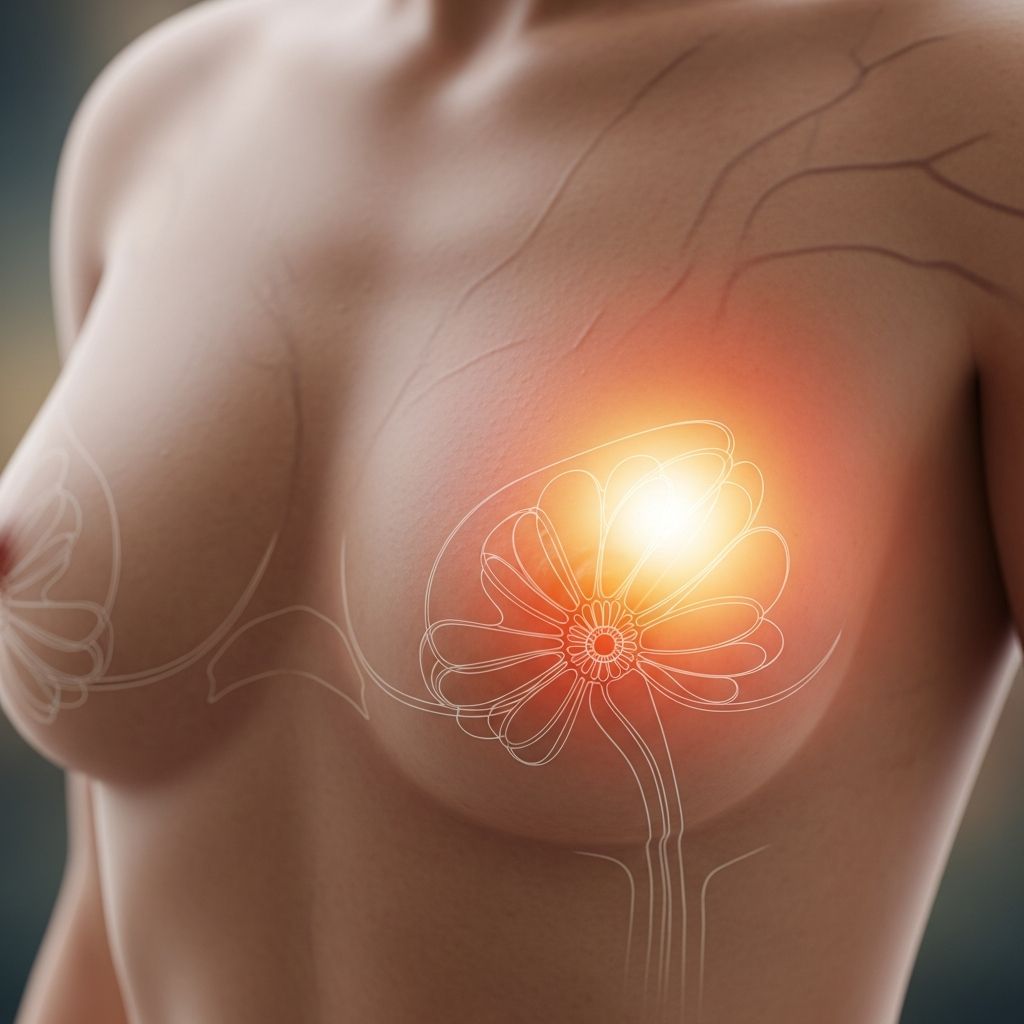
Mastalgia, commonly known as breast pain, is a frequent concern among women and can affect anyone at some point in their lives. It is characterized by discomfort, tenderness, or pain in one or both breasts and can range from mild soreness to severe throbbing or stabbing sensations. While breast pain can be distressing, it is rarely a sign of breast cancer and is usually linked to hormonal changes, medications, or other benign conditions.
Types of Mastalgia
Mastalgia is categorized into three main types: cyclic, noncyclic, and extramammary. Each type has distinct characteristics and causes.
Cyclic Mastalgia
Cyclic breast pain is the most common type and is closely associated with the menstrual cycle. It typically affects women of reproductive age and is caused by hormonal fluctuations, particularly changes in estrogen and progesterone levels. Symptoms often intensify during the luteal phase (the second half of the menstrual cycle) and subside with the onset of menstruation.
- Recurrent, bilateral, diffuse breast tenderness
- Often accompanied by breast swelling and lumpiness
- May radiate to the armpit and shoulders
- Usually resolves after menopause
Noncyclic Mastalgia
Noncyclic breast pain is unrelated to the menstrual cycle and can occur at any age, including after menopause. It is often localized to one breast and may be constant or intermittent. Causes include large breast size, cysts, trauma, prior breast surgery, or inflammatory conditions.
- Unilateral, continuous, or erratic pain
- May be associated with structural breast or chest wall lesions
- Can persist after menopause
- May require further evaluation to rule out underlying conditions
Extramammary Mastalgia
Extramammary breast pain originates outside the breast tissue and is often due to musculoskeletal issues or systemic conditions. It is typically unilateral and may be related to activities or movements.
- Unilateral pain, often in the outermost medial or lateral aspects of the breast
- Onset of pain with activity
- May be related to chest wall or musculoskeletal problems
Causes of Mastalgia
The exact causes of mastalgia can vary depending on the type. Common causes include:
- Hormonal changes during the menstrual cycle
- Exogenous hormones (e.g., birth control, hormone replacement therapy)
- Large breast size
- Cysts or solid masses
- Trauma or injury
- Prior breast surgery
- Inflammatory conditions (e.g., mastitis, abscesses)
- Musculoskeletal issues
- Systemic conditions
Diagnosis of Mastalgia
Diagnosing mastalgia involves a detailed history and clinical examination to determine the nature of the pain, associated symptoms, and contributing factors. The following steps are typically taken:
- Assessment of pain pattern (cyclic vs. noncyclic)
- Evaluation of associated symptoms (e.g., lump, nipple discharge, skin changes)
- Review of medication use and family history of breast disease
- Physical examination to identify any suspicious features
- Imaging tests (e.g., mammogram, ultrasound) if indicated
Management and Treatment
Management of mastalgia focuses on relieving symptoms and addressing any underlying causes. Treatment options include:
- Supportive measures (e.g., patient education, proper bra fitting)
- Dietary adjustments (e.g., reducing caffeine, fat intake)
- Pain-relieving medications (e.g., NSAIDs)
- Hormonal therapies (e.g., birth control, hormone replacement therapy)
- Treatment of underlying conditions (e.g., antibiotics for infection, surgery for cysts)
Related Stories



When to Seek Medical Attention
While most cases of mastalgia are benign, it is important to seek medical attention if you experience:
- Pain that lasts longer than two weeks
- Pain that is unpredictable or severe
- Pain accompanied by a lump, nipple discharge, or skin changes
- Pain after menopause
Complications of Mastalgia
Complications of mastalgia are rare but can occur if the underlying cause is not addressed. Possible complications include:
- Chronic pain
- Reduced quality of life
- Psychological distress
- Complications from untreated underlying conditions (e.g., infection, cysts)
Frequently Asked Questions (FAQs)
Is breast pain a sign of breast cancer?
While breast pain can be concerning, it is rarely a sign of breast cancer. Most cases of mastalgia are benign and related to hormonal changes or other non-cancerous conditions.
Can men experience mastalgia?
Yes, men can experience breast pain, although it is less common. Causes in men may include hormonal imbalances, medications, or underlying medical conditions.
How can I relieve breast pain at home?
Home remedies for breast pain include wearing a supportive bra, reducing caffeine and fat intake, applying warm or cold compresses, and taking over-the-counter pain relievers.
When should I see a doctor for breast pain?
You should see a doctor if your breast pain lasts longer than two weeks, is severe, or is accompanied by other symptoms such as a lump, nipple discharge, or skin changes.
Can breast pain be prevented?
While not all cases of breast pain can be prevented, maintaining a healthy lifestyle, wearing a supportive bra, and managing stress may help reduce the risk of mastalgia.
References
- Mastalgia – StatPearls – NCBI Bookshelf — National Center for Biotechnology Information. 2023. https://www.ncbi.nlm.nih.gov/books/NBK562195/
- Breast Pain: Tenderness, Causes, Diagnosis & Treatment — Cleveland Clinic. 2023. https://my.clevelandclinic.org/health/diseases/15469-breast-pain-mastalgia
Similar Articles








Read full bio of Sneha Tete