4-7-8 Breathing: Step-By-Step Guide For Calm And Eczema Support
Discover the transformative power of 4-7-8 breathing to ease stress, enhance sleep, and soothe skin flare-ups naturally.
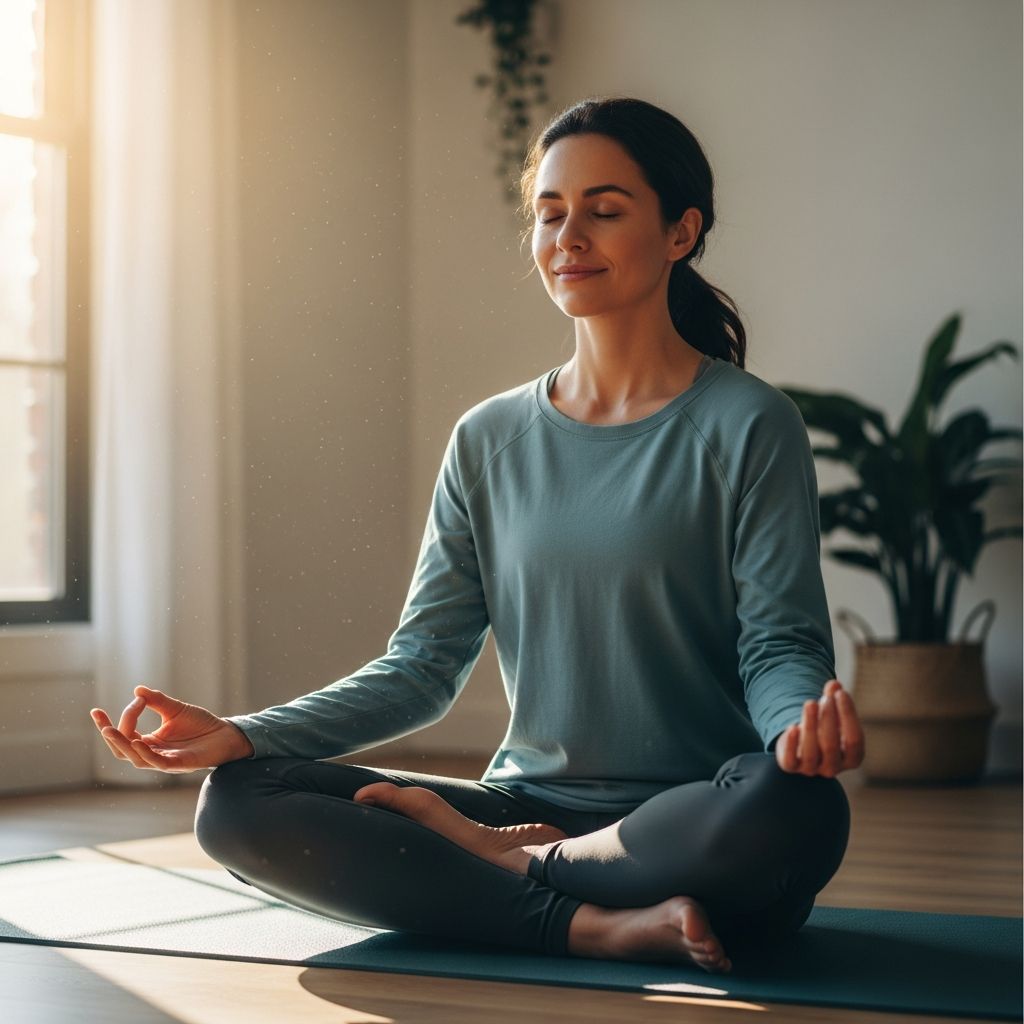
The 4-7-8 breathing method offers a simple yet powerful way to activate your body’s natural relaxation response, helping to lower stress levels that can exacerbate conditions like eczema. Developed as a structured breathwork practice, it involves inhaling for 4 counts, holding for 7, and exhaling for 8, promoting parasympathetic nervous system activation.
Understanding Breathwork’s Role in Wellness
Controlled breathing techniques counteract the shallow, rapid breaths associated with stress, which can trigger inflammation and skin irritation in sensitive individuals. By focusing on deliberate patterns, these exercises shift the body from fight-or-flight mode to rest-and-digest, reducing cortisol and fostering calm.
Research highlights breathing practices as effective for anxiety and stress reduction, with slow, deep methods showing significant benefits across multiple studies. Diaphragmatic engagement ensures fuller oxygen intake, enhancing overall physiological balance.
Step-by-Step Guide to 4-7-8 Breathing
Begin in a quiet space, seated or lying down with a straight spine to allow free diaphragm movement.
- Prepare: Place the tip of your tongue against the ridge behind your upper front teeth, keeping it there throughout.
- Inhale: Breathe in quietly through your nose for a count of 4, filling your lungs completely.
- Hold: Retain the breath for 7 counts, staying relaxed without strain.
- Exhale: Release fully through your mouth for 8 counts, producing a gentle whooshing sound.
- Repeat: Cycle through 4 full rounds initially, building to 8 as comfort increases.
Practice twice daily for optimal results, ideally morning and evening. Beginners may start with shorter holds, gradually extending.
Scientific Benefits Backed by Evidence
Studies confirm that extended exhales in techniques like 4-7-8 lower heart rate and blood pressure swiftly. A review of 58 studies found 54 breathing interventions, including those with holds and slow paces, significantly cut stress and anxiety.
| Benefit | Mechanism | Evidence Source |
|---|---|---|
| Stress Reduction | Parasympathetic activation | |
| Anxiety Relief | Extended exhale releases tension | |
| Improved Sleep | Oxygen boost and cortisol drop | |
| Skin Health Support | Lower inflammation via calm state | Inferred from stress-eczema links |
These patterns interrupt stress cycles, with even rhythms like box breathing (a close variant) stabilizing the nervous system.
Connecting Stress Relief to Eczema Management
Chronic stress heightens eczema flares by increasing inflammatory cytokines. Breathwork mitigates this by balancing the autonomic nervous system, potentially reducing itch-scratch cycles and promoting skin barrier recovery. While not a cure, integrating it complements topical treatments.
Patients report fewer flare-ups with consistent practice, as relaxed states support immune modulation. Pair with moisturizing and avoiding triggers for holistic care.
Daily Integration Strategies
Embed 4-7-8 into routines seamlessly:
- Morning Ritual: Start your day with 4 cycles to set a calm tone.
- Work Breaks: Use during high-pressure moments for quick resets.
- Pre-Sleep Wind-Down: Perform in bed to ease into restful sleep.
- Itch Episodes: Apply mid-flare to interrupt stress-induced scratching.
Related Stories



Track progress in a journal, noting mood, skin condition, and sleep quality post-practice.
Complementary Breathing Techniques
Enhance your toolkit with these evidence-based methods:
- Diaphragmatic Breathing: Hand on belly, inhale to rise it, exhale to fall. Ideal for beginners.
- Box Breathing: 4-4-4-4 cycle (in-hold-out-hold). Used by athletes for focus.
- Extended Exhale: Inhale normally, exhale longer. Simple for on-the-go.
Alternate nostril breathing, rooted in yoga, further lowers stress hormones with regular use.
Overcoming Common Challenges
New practitioners may feel dizzy—shorten counts or sit upright. Consistency builds tolerance; aim for 5-10 minutes daily. If lightheaded, pause and resume slower.
For advanced users, combine with progressive muscle relaxation: tense and release groups while breathing.
Real-World Applications and Testimonials
Professionals use it before presentations; parents during chaotic evenings. One study participant noted, “It flips the anxiety switch in minutes.” Eczema sufferers often find flares lessen with routine integration.
Frequently Asked Questions
Is 4-7-8 breathing safe for everyone?
Generally yes, but consult a doctor if you have respiratory issues like COPD. Start slow.
How quickly does it work?
Many feel calmer after 4 cycles, with cumulative benefits over weeks.
Can it help with sleep?
Yes, the pattern cues the body for rest, reducing racing thoughts.
Does it benefit skin conditions?
By curbing stress, it indirectly supports eczema control via lower inflammation.
How often should I practice?
Twice daily, plus as needed for stress spikes.
Building a Long-Term Breathwork Habit
Set reminders, use apps for guided sessions, or join online communities. Pair with mindfulness for amplified effects. Over time, it rewires stress responses, fostering resilience.
Monitor skin journals alongside practice to correlate improvements, adjusting as needed.
References
- Breathing Techniques for Stress Relief — WebMD. 2023. https://www.webmd.com/balance/stress-management/stress-relief-breathing-techniques
- Breathing Techniques to Reduce Stress in Minutes — Insights Psychology. 2024. https://insightspsychology.org/breathing-techniques-stress-relief-minutes/
- Simple Breathing Exercises to Help You Manage Stress — American Lung Association. 2023. https://www.lung.org/blog/stress-breathing-exercises
- 3 breathing exercises to relieve stress — British Heart Foundation. 2024. https://www.bhf.org.uk/informationsupport/heart-matters-magazine/wellbeing/breathing-exercises
- Breathing Practices for Stress and Anxiety Reduction — PMC (NCBI). 2023-12-01. https://pmc.ncbi.nlm.nih.gov/articles/PMC10741869/
- Breathing exercises for stress — NHS. 2024. https://www.nhs.uk/mental-health/self-help/guides-tools-and-activities/breathing-exercises-for-stress/
- Stress Management: Doing Breathing Exercises — Kaiser Permanente. 2024. https://healthy.kaiserpermanente.org/health-wellness/health-encyclopedia/he.stress-management-doing-breathing-exercises.uz2255
Similar Articles








Read full bio of Sneha Tete