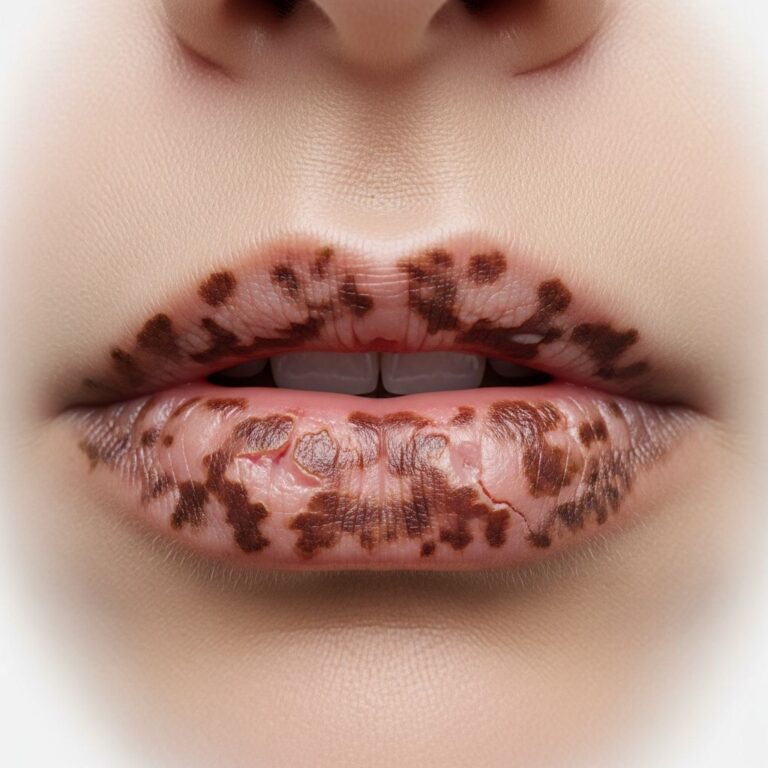
Atopic Dermatitis Management: 4-Step Plan For Lasting Relief
Discover effective strategies for long-term control of atopic dermatitis, from daily skincare to advanced therapies that prevent flares and improve quality of life.
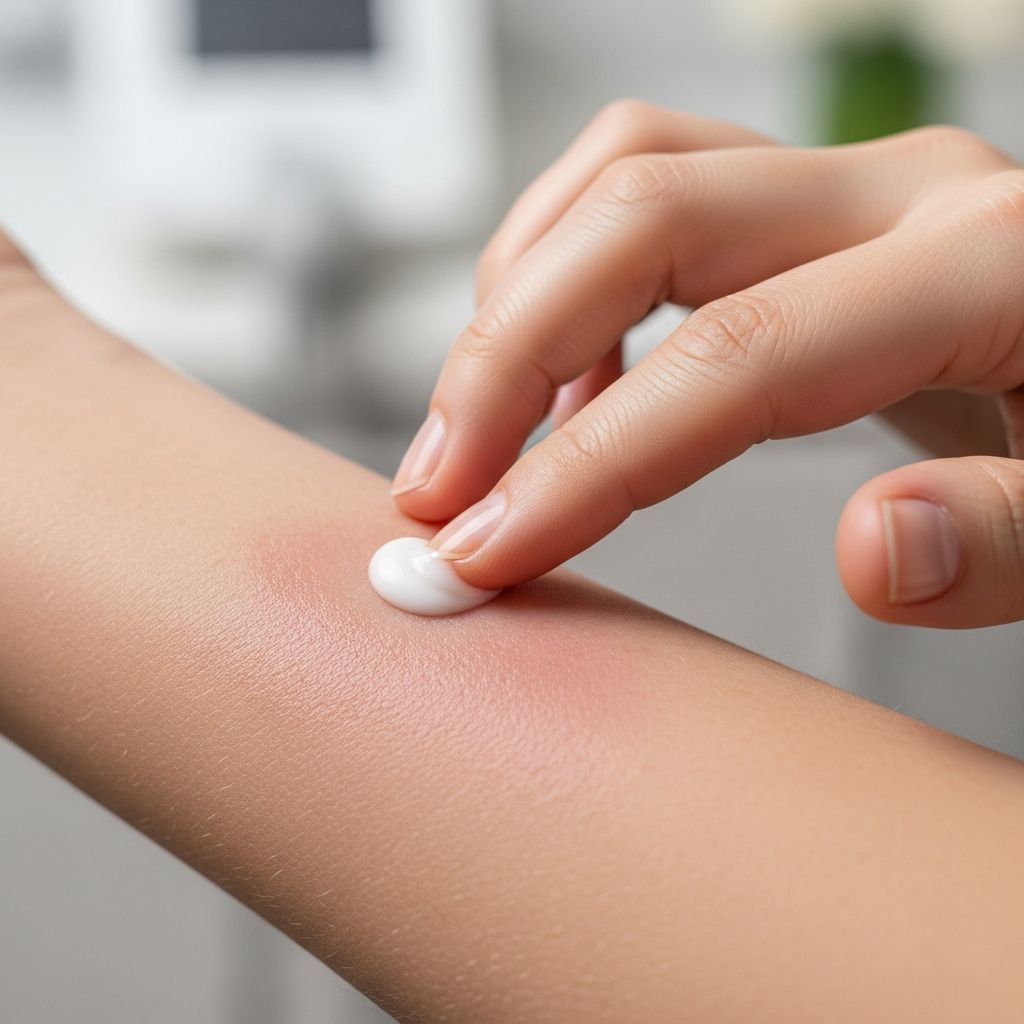
Atopic dermatitis, commonly referred to as eczema, affects millions worldwide, causing persistent itching, redness, and skin barrier disruptions that lead to recurrent flares. Effective management requires shifting from reactive flare treatment to proactive strategies that address underlying inflammation and barrier defects, even in seemingly normal skin.
The Hidden Challenges of Atopic Dermatitis
Atopic dermatitis is a chronic inflammatory condition characterized by dry, itchy skin prone to flares. Unlike acute rashes, it involves ongoing immune dysregulation and impaired skin barrier function, making non-lesional areas vulnerable to subclinical inflammation. This invisible process increases transepidermal water loss and susceptibility to irritants, perpetuating the cycle of discomfort.
Patients often experience reduced quality of life due to sleep disturbances from itching, emotional stress, and limitations in daily activities. Traditional reactive approaches clear visible symptoms temporarily but fail to prevent recurrences, highlighting the need for sustained interventions.
Building a Strong Skin Barrier Foundation
Daily moisturization forms the cornerstone of atopic dermatitis care. Excessively dry skin exacerbates symptoms, so fragrance-free creams or ointments should be applied liberally, especially after bathing, to lock in moisture and repair the barrier.
- Choose thick, ointment-based products for severe dryness.
- Apply emollients twice daily to all skin areas, not just affected sites.
- Combine with gentle, soap-free cleansers to avoid stripping natural oils.
Consistent use reduces flare frequency by stabilizing the stratum corneum and minimizing allergen penetration.
From Reactive to Proactive Treatment Approaches
Reactive therapy uses topical corticosteroids (TCS) or calcineurin inhibitors (TCI) during flares to suppress inflammation quickly. While effective short-term, it does not address subclinical issues in non-lesional skin.
Proactive therapy represents a paradigm shift: after clearing active lesions with intensive treatment, apply low-dose anti-inflammatories intermittently (e.g., twice weekly) to previously affected areas, alongside daily emollients elsewhere. This targets minimal persistent inflammation, significantly cutting flare rates.
| Treatment Type | Application Frequency | Key Benefits | Evidence |
|---|---|---|---|
| Reactive TCS/TCI | Daily during flares | Rapid symptom relief | Short-term clearance |
| Proactive TCS (e.g., fluticasone) | Twice weekly post-clearance | 7.7-fold flare reduction | Trials in 348 patients |
| Proactive TCI | Twice weekly | Improved QoL, fewer relapses | Multiple RCTs |
Topical Therapies: Options and Considerations
Topical corticosteroids vary in potency; mild options suit sensitive areas like the face, while stronger ones target thick plaques on extremities. Fluticasone propionate, for instance, showed superior flare prevention in trials lasting up to 20 weeks.
TCIs like pimecrolimus or tacrolimus offer steroid-sparing alternatives, ideal for long-term use without skin thinning risks. They excel in maintenance phases for children and facial eczema.
Related Stories



Emerging topicals include crisaborole (PDE4 inhibitor) and ruxolitinib (JAK inhibitor), expanding non-steroidal choices for mild-to-moderate cases.
Escalating to Systemic Therapies
For moderate-to-severe atopic dermatitis unresponsive to topicals, systemic options provide deeper immune modulation. Dupilumab (IL-4/IL-13 inhibitor) is a biologic injectable that heals skin from within, achieving clear or almost clear skin in over one-third of patients by week 16, with itch reduction.
Oral JAK inhibitors like upadacitinib and abrocitinib target inflammatory pathways rapidly, suitable for adults with refractory disease. Tralokinumab offers another biologic avenue.
These therapies address persistent inflammation beneath clear-looking skin, breaking the flare cycle. Monitoring for side effects like infections or conjunctivitis is essential.
Stepwise Management Algorithm
Dermatologists advocate a step-up approach: begin with skincare and triggers avoidance, progress to topicals, then systemics if needed.
- Basic Care: Emollients + trigger avoidance (e.g., allergens, harsh soaps).
- Mild-Moderate: Low-potency TCS/TCI reactively; proactive if recurrent.
- Moderate-Severe: Medium/high-potency topicals + maintenance.
- Refractory: Biologics (dupilumab) or JAK inhibitors.
This ladder minimizes risks while maximizing control.
Lifestyle Adjustments for Flare Prevention
Beyond medications, holistic strategies enhance outcomes:
- Bathing Habits: Short, lukewarm showers; pat dry and moisturize immediately.
- Clothing Choices: Breathable cotton over synthetics or wool.
- Diet and Stress: Identify personal triggers; mindfulness reduces itch-scratch cycles.
- Environmental Controls: Humidifiers in dry climates, dust mite covers.
These amplify treatment efficacy, fostering long-term remission.
Phototherapy as an Adjunct
Ultraviolet therapies like narrowband UVB stabilize the immune response and thicken the skin barrier. Administered 2-3 times weekly in clinics, it suits widespread moderate disease, often combined with topicals.
Pediatric Considerations
Childhood-onset atopic dermatitis demands age-appropriate regimens. Emollients remain first-line, with TCIs preferred over long-term steroids to avoid growth impacts. Newer approvals like dupilumab and JAK topicals broaden pediatric options across severities.
Monitoring Progress and Adjusting Plans
Track symptoms using tools like the EASI score or patient diaries. Regular dermatologist visits ensure timely escalation. Patient education empowers adherence, key to sustained control.
Frequently Asked Questions (FAQs)
What causes atopic dermatitis?
An immune imbalance triggers inflammation beneath the skin, impairing the barrier and causing itch and dryness.
Is proactive therapy safe long-term?
Yes, low-dose intermittent use of TCS/TCI shows low side effect rates and superior flare prevention in trials.
Can biologics cure eczema?
No, but they provide sustained control; many cycle through options for optimal fit.
How often should I moisturize?
At least twice daily, more during flares, using thick, fragrance-free formulas.
Are there new treatments on the horizon?
Ongoing trials explore novel immune modulators to further reduce symptoms.
Empowering Patients for Lasting Relief
Managing atopic dermatitis demands a multifaceted, patient-centered plan. By prioritizing barrier repair, proactive anti-inflammatories, and escalation when necessary, individuals can minimize flares and reclaim comfort. Collaborate with healthcare providers to tailor approaches, ensuring science-backed strategies align with lifestyle needs.
References
- Long Term Treatment Concepts and Proactive Therapy for Atopic Dermatitis — Wollenberg A, et al. PMC. 2012-07-20. https://pmc.ncbi.nlm.nih.gov/articles/PMC3412232/
- Atopic Dermatitis / Atopic Eczema Treatment Algorithms — Clarivate. 2024. https://clarivate.com/life-sciences-healthcare/report/algoim0046-2024-biopharma-atopic-dermatitis-atopic-eczema-treatment-algorithms-claims-data-analysis-pediatric-us/
- Eczema types: Atopic dermatitis overview — American Academy of Dermatology (AAD). Accessed 2026. https://www.aad.org/public/diseases/eczema/types/atopic-dermatitis
- UNDERSTANDING AD TAKE CHARGE OF YOUR ECZEMA — National Eczema Association. 2018. https://nationaleczema.org/wp-content/uploads/2021/02/2018-Q1-NEA-FINAL.pdf
- Webinar: Disparity and Equity in Moderate-to-Severe AD Care — YouTube (transcript). 2023. https://www.youtube.com/watch?v=kTuU9T3zk6U
- Eczema (Atopic Dermatitis or AD) Clinical Trial — Pfizer. Accessed 2026. https://www.pfizerclinicaltrials.com/nct05995964-eczema-trial
Similar Articles








Read full bio of Sneha Tete