Mastering Daily Life With Parkinson’s: Practical Strategies
Practical strategies to enhance independence, safety, and well-being for those living with Parkinson's disease every day.

Parkinson’s disease transforms routine tasks into significant hurdles, yet targeted adaptations and habits can restore control and comfort. This guide outlines actionable approaches to handle personal care, movement, nutrition, rest, and home adjustments effectively.
Building a Structured Morning Routine
Starting the day with intention sets a positive foundation. Consistency in wake-up times aligns with medication schedules, stabilizing dopamine levels for smoother symptom control. Begin with gentle stretches in bed to loosen stiff joints, followed by hydration and a light breakfast rich in fiber to combat constipation.
- Roll shoulders and ankles for 2-3 minutes to boost circulation.
- Set reminders for first-dose medications using apps or alarms.
- Incorporate 5 minutes of deep breathing to reduce morning anxiety.
Such routines minimize ‘off’ periods, enhancing energy for subsequent tasks. Physical therapists recommend this sequence to improve motor function throughout the day.
Simplifying Personal Hygiene Practices
Bathing and grooming demand caution due to balance risks and reduced dexterity. Use grab bars installed near showers and tubs to prevent slips. Opt for handheld showerheads for seated washing, conserving energy and maintaining safety.
Electric razors or adaptive brushes with thicker grips ease fine motor challenges. For oral care, elongated handles on toothbrushes allow better reach without straining posture.
| Task | Adaptive Tool | Benefit |
|---|---|---|
| Bathing | Shower chair, non-slip mats | Reduces fall risk, enables seated hygiene |
| Shaving | Electric razor with stand | Minimizes tremors’ impact, steady use |
| Brushing teeth/hair | Built-up grip handles | Improves grasp for shaky hands |
Occupational therapy sessions tailor these tools to individual needs, promoting sustained independence.
Streamlining Dressing and Undressing
Dressing often involves rigidity and buttoning difficulties. Choose clothing with Velcro fasteners, magnetic closures, or elastic waists to bypass zippers. Dress while seated on a stable chair to avoid balance loss.
- Layer loose-fitting garments for easy on-off.
- Use sock aids and shoe horns for lower body.
- Opt for front-closing bras or pull-on styles.
Encourage bilateral arm movements during the process to incorporate therapeutic exercise, preserving flexibility. Care partners can assist minimally, focusing on cues like ‘big steps’ for foot positioning.
Optimizing Mealtimes for Nutrition and Ease
Eating challenges stem from tremors and swallowing issues. Non-slip mats under plates and weighted utensils stabilize hands. Build up plate rims to prevent spills, and sip from cups with cutouts for nasal clearance.
Prioritize nutrient-dense foods: antioxidants from berries, omega-3s from fish, and fiber from vegetables to support brain health and digestion. The Mediterranean diet pattern shows benefits in symptom mitigation.
- Small, frequent meals to manage fatigue.
- Thicken liquids if dysphagia present.
- Chop foods into manageable bites.
Timing meals around medications avoids interactions, ensuring optimal absorption.
Enhancing Mobility and Preventing Falls
Walking alterations like shuffling increase trip hazards. Practice big-step cues and metronome apps for rhythmic gait. Laser canes project lines to overcome freezing episodes.
Related Stories



Home modifications include clearing pathways, installing stair railings, and using motion-sensor lights. Tai Chi or cycling builds balance and strength, recommended for 150 minutes weekly.
| Mobility Issue | Strategy | Tool/Example |
|---|---|---|
| Freezing gait | Visual cues | Laser pointer cane |
| Shuffling steps | Rhythmic training | Metronome app |
| Balance loss | Strength exercises | Tai Chi classes |
Avoid multitasking during walks to maintain focus.
Prioritizing Restful Sleep Patterns
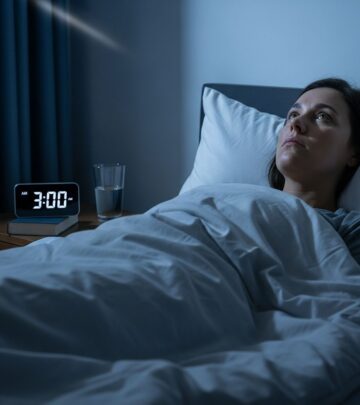
Sleep disruptions exacerbate daytime symptoms. Establish a wind-down ritual: dim lights, avoid screens, and limit caffeine post-noon. Adjustable beds aid repositioning, combating night rigidity.
- Aim for 7-9 hours with consistent bedtime.
- Use white noise machines for disturbances.
- Schedule bathroom visits pre-bed.
Melatonin supplements, under medical advice, may regulate cycles. Quality rest enhances cognitive clarity and motor control.
Leveraging Exercise for Symptom Control
Regular movement is medicine for Parkinson’s. Aerobic activities like brisk walking improve cardiovascular health, while resistance training counters weakness. Yoga fosters flexibility and mindfulness.
Join specialized classes for motivation and peer support. Track progress to celebrate gains in endurance and coordination.
- 30 minutes daily, split if needed.
- Warm-up to prevent injury.
- Combine with boxing for agility.
Nutrition Strategies Tailored to Parkinson’s
A brain-supportive diet emphasizes whole foods. Include folate-rich greens and vitamin D sources for mood stability. Protein timing around levodopa doses prevents absorption interference.
| Nutrient | Sources | Parkinson’s Benefit |
|---|---|---|
| Antioxidants | Berries, nuts | Protects neurons |
| Fiber | Legumes, oats | Relieves constipation |
| Omega-3s | Fish, flaxseeds | Reduces inflammation |
Hydrate steadily to manage medication side effects.
Strengthening Emotional and Social Resilience
Isolation amplifies anxiety. Engage in hobbies like puzzles or music for cognitive stimulation. Support groups offer shared wisdom and reduce stigma.
Mindfulness apps guide meditation to temper stress-induced tremors. Cultivate gratitude journaling for positivity.
Customizing Home for Safety and Accessibility
Assess environments quarterly. Widen doorways, add lever handles, and install emergency alerts. Rugs with fringes pose risks—secure or remove them.
- Bathroom: Raised toilet seats.
- Kitchen: Pull-out shelves.
- Bedroom: Bed rails.
Professional evaluations ensure comprehensive adaptations.
Role of Therapy and Professional Support
Occupational and physical therapists design personalized plans. Speech therapy addresses swallowing safely. Regular check-ins adjust strategies as progression occurs.
Leverage helplines for local resources and caregiver training.
Frequently Asked Questions
What are the best adaptive tools for dressing with Parkinson’s?
Velcro shoes, button hooks, and elastic laces simplify the process while seated.
How does exercise impact Parkinson’s progression?
It slows motor decline, boosts mood via endorphins, and enhances neuroplasticity.
Can diet influence Parkinson’s symptoms?
Yes, anti-inflammatory foods reduce oxidative stress and support medication efficacy.
What sleep hygiene tips work for Parkinson’s?
Consistent schedules, cool rooms, and pre-bed routines minimize disruptions.
When to consider home modifications?
At diagnosis or symptom worsening to preempt accidents.
References
- Activities of Daily Living — Parkinson’s Foundation. 2023. https://www.parkinson.org/living-with-parkinsons/management/activities-daily-living
- How to live better with Parkinson’s day by day — Parkinson’s NSW. 2024. https://www.parkinsonsnsw.org.au/how-to-live-better-with-parkinsons-day-by-day/
- Living with Parkinson’s Disease — American Parkinson Disease Association. 2024. https://www.apdaparkinson.org/living-with-parkinsons-disease/
- Activities of Daily Living — Parkinson’s Foundation. 2023. https://www.parkinson.org/resources-support/carepartners/advanced/daily-living
- Lifestyle Strategies for Living Well With Parkinson’s — Michael J. Fox Foundation. 2024. https://www.michaeljfox.org/lifestyle-strategies-living-well-parkinsons
Similar Articles








Read full bio of Sneha Tete