Mastering Ear Examinations: Essential Step-By-Step Guide
Comprehensive guide to performing safe and effective ear exams for better diagnosis and patient care in clinical settings.
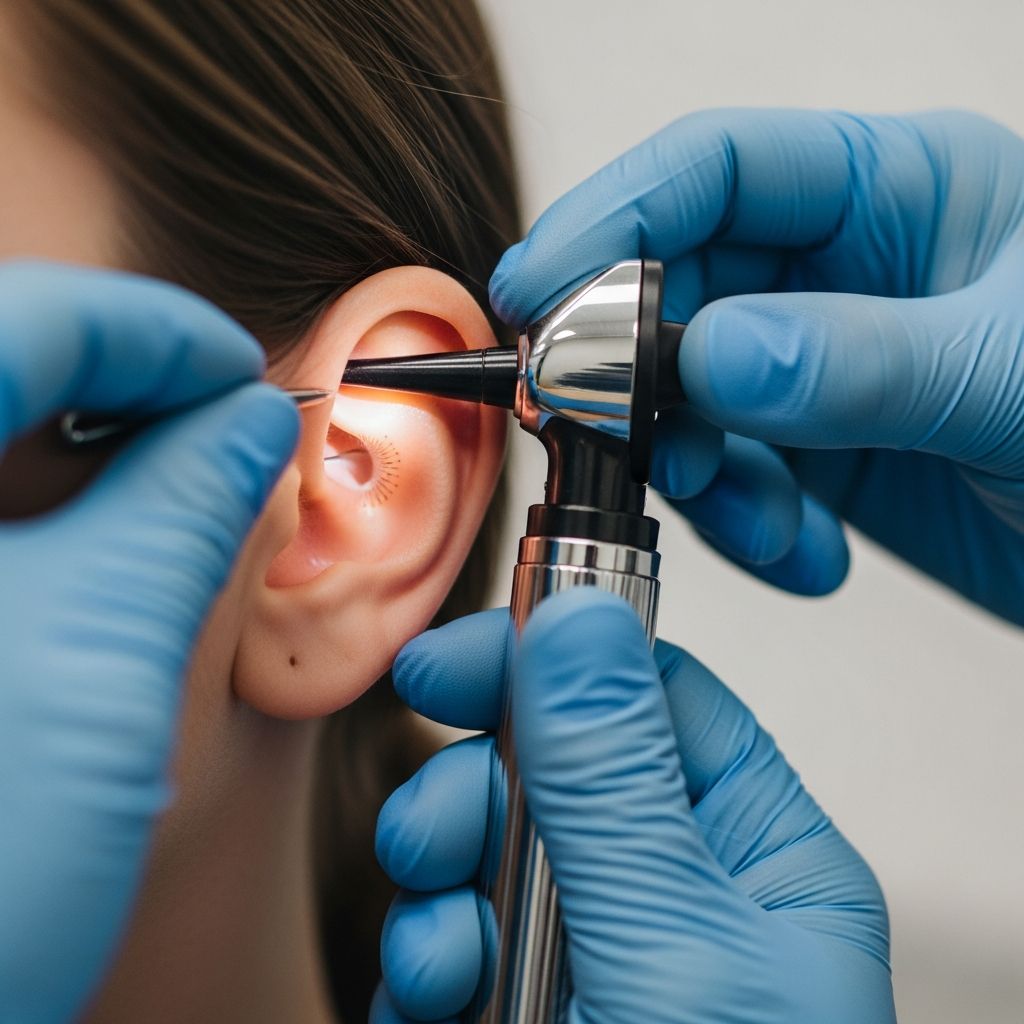
Ear examinations are fundamental in primary care, urgent settings, and specialist practices for diagnosing conditions like infections, hearing loss, and structural issues. This guide details the complete process, emphasizing patient safety, proper techniques, and key observations to ensure accurate assessments.
Understanding Ear Anatomy Basics
The ear consists of three main parts: the outer ear (auricle and ear canal), middle ear (tympanic membrane and ossicles), and inner ear (responsible for balance and hearing). During exams, focus on the external auditory canal (EAC) and tympanic membrane (TM), as these are visible with standard tools. Knowledge of normal landmarks—like the cone-shaped light reflex on a healthy TM—helps identify deviations such as perforations or fluid buildup.
Essential Tools for Ear Exams
Key equipment includes:
- Otoscope: A handheld device with a light source, magnifying lens, and interchangeable speculums (small, medium, large sizes for different patients).
- Tuning forks: 512 Hz for Rinne and Weber tests to differentiate conductive from sensorineural hearing loss.
- Headlight or additional light: For external inspections.
- Pneumatic attachment: Optional bulb for assessing TM mobility.
Select disposable speculums to prevent cross-contamination, especially between ears.
Patient Preparation and Positioning
Position adults upright, facing forward, in a well-lit room. For children, have them sit on a parent’s lap with head stabilized against the chest. Explain the procedure to reduce anxiety: “I’ll use a light tool to look inside your ear—it’s quick and usually painless.” Remove hearing aids or earrings. Start with the unaffected or “better” ear to build confidence and avoid spreading infection.
Step-by-Step External Ear Inspection
Begin with a general visual check before using instruments.
- Auricle and surrounding skin: Check for redness, swelling, scars, pits, or discharge. Gently press the pinna for tenderness, which may indicate otitis externa.
- Preauricular and postauricular areas: Look for lymph node swelling, erythema, or mastoid process tenderness (sign of mastoiditis).
- Tragus and ear canal entrance: Palpate the tragus; pain suggests external canal inflammation. Note exudate or foreign bodies.
Use natural light or otoscope as a flashlight. Document asymmetries between ears.
Performing Otoscopy Correctly
Otoscopy visualizes the EAC and TM. Hold the otoscope in a pencil or pistol grip with your hand against the patient’s face for stability.
| Patient Type | Pinna Pull Direction | Purpose |
|---|---|---|
| Adults | Up and back | Straightens cartilaginous canal |
| Children <3 years | Down and back | Aligns bony portion |
Steps:
- Warn the patient: “You’ll feel gentle pressure.”
- Select appropriate speculum size for an airtight seal.
- Gently insert while observing externally, then through the lens.
- Angle slowly to view the full canal and TM; note wax, inflammation, or discharge.
- Withdraw carefully; change speculum for the other ear.
Normal findings: Pearly gray TM, intact light reflex, no bulging or retraction.
Advanced Otoscopy: Pneumatic Testing
Attach a pneumatic bulb to assess TM mobility. Squeeze gently to introduce positive pressure; a normal TM moves briskly. Restricted movement indicates middle ear fluid, as in acute otitis media. Use a sealed speculum to avoid air leaks.
Related Stories



Hearing Assessment Techniques
Combine subjective and objective tests post-otoscopy.
Whisper Test
Stand 60cm away, rub the non-tested ear’s tragus to mask, whisper numbers. Positive if heard at 3-5m.
Tuning Fork Tests
- Rinne Test: Vibrate fork on mastoid (bone conduction), then near ear canal (air conduction). Normal: Air > Bone. Abnormal: Bone ≥ Air (conductive loss).
- Weber Test: Place on forehead; sound lateralizes to affected ear in conductive loss, opposite in sensorineural.
Common Abnormal Findings
Recognize these during inspection:
- Cerumen impaction: Blocks view; may need professional removal.
- Otitis externa: Red, swollen canal, pain on tragus pull.
- Acute otitis media: Bulging, erythematous TM, restricted mobility.
- TM perforation: Hole in membrane, possible discharge.
- Middle ear effusion: Air-fluid levels or bubbles behind TM.
Refer if severe pain, fever, or neurological signs present.
Special Considerations for Children
Infants require lap positioning with gentle restraint. Use smaller speculums. Children often fear the otoscope, so demonstrate on your ear first. Abort if excessive distress; consider sedation referral.
Safety Protocols and Infection Control
Wash hands, use gloves if discharge present. Dispose speculums after single use. Avoid forceful insertion to prevent trauma. If bleeding or severe pain occurs, stop and seek specialist care.
Documenting Your Findings
Record systematically: “Right ear: Clear canal, normal TM with light reflex. Whisper test passed bilaterally. Rinne positive both ears.” Include diagrams if perforated TM noted. Share with patients for reassurance.
Frequently Asked Questions (FAQs)
Does an ear exam hurt?
Most patients feel only mild pressure; pain suggests underlying issues like infection.
How often should ears be examined?
Routinely in check-ups, or if symptoms like pain, hearing loss, or discharge occur.
Can I clean my ears before an exam?
Avoid Q-tips; let professionals handle wax buildup to prevent injury.
What if wax blocks the view?
Providers may irrigate or use curettes/microsuction safely.
When to see an ENT specialist?
For persistent symptoms, perforations, or failed hearing screens.
Training and Practice Tips
Practice on models or peers. Video demos enhance technique (e.g., proper grip). Regular exams improve fluency, reducing missed diagnoses in busy clinics.
References
- How to Perform a Thorough Ear Exam – a Step By Step Guide — PPE Medical. 2023. https://ppemedical.com/blog/how-to-perform-a-thorough-ear-examination/
- Ear Examination – StatPearls — NCBI Bookshelf. 2023-10-15. https://www.ncbi.nlm.nih.gov/books/NBK556014/
- Ear examination: MedlinePlus Medical Encyclopedia — MedlinePlus. 2023. https://medlineplus.gov/ency/article/003340.htm
- Recommended Procedure Ear Examination — British Society of Audiology. 2022-02. https://www.thebsa.org.uk/wp-content/uploads/2023/10/OD104-54-BSA-Recommended-Procedure-Ear-Examiniation-February-2022.pdf
- Ear Examination | Otoscopy – Rinne’s – Weber’s | Geeky Medics — Geeky Medics. 2023. https://geekymedics.com/hearing-ear-examination-osce-guide/
Similar Articles








Read full bio of medha deb