Parkinson’s Management: 10 Practical Strategies For Daily Life
Comprehensive strategies to manage Parkinson's symptoms, boost quality of life, and promote long-term wellness through exercise, diet, and holistic care.

Parkinson’s disease presents unique challenges, but targeted strategies can significantly improve daily functioning and overall well-being. This guide outlines evidence-based approaches to symptom control, emphasizing proactive lifestyle changes alongside medical interventions.
Building a Strong Physical Foundation with Exercise
Regular physical activity stands as a cornerstone in Parkinson’s care, enhancing mobility, balance, and potentially slowing disease progression. Research highlights that aerobic, strength, and balance-focused exercises yield the most benefits.
- Aerobic activities like cycling or swimming elevate heart rate, supporting cardiovascular endurance essential for sustained energy levels.
- Strength training using resistance bands or weights preserves muscle mass, aiding everyday tasks such as standing or walking.
- Balance practices including yoga or Tai Chi reduce fall risks by improving stability and coordination.
Incorporate these into a weekly routine, starting with short sessions and gradually increasing intensity under professional guidance. Yale Medicine experts note exercise may help maintain flexibility and mobility while possibly mitigating progression.
Optimizing Nutrition for Symptom Relief
A thoughtful diet supports medication efficacy, combats constipation, and provides neuroprotective nutrients. Focus on whole foods while timing protein intake to avoid interfering with levodopa absorption.
| Nutrient Focus | Recommended Foods | Benefits |
|---|---|---|
| Omega-3 Fatty Acids | Fatty fish, flaxseeds | Brain health, reduced inflammation |
| Fiber | Whole grains, fruits, vegetables | Prevents constipation |
| Antioxidants | Colorful produce | Cellular protection |
| Lean Proteins | Timed with doctor advice | Muscle maintenance |
Limit processed items, excess sugar, and caffeine. Mayo Clinic recommends high-fiber intake and ample fluids to ease gastrointestinal issues common in Parkinson’s. NHS advises small, frequent meals to manage blood pressure fluctuations.
Addressing Mental Health and Emotional Resilience
Depression and anxiety affect many with Parkinson’s, but targeted techniques foster emotional strength. Structured routines and social connections provide stability.
- Deep breathing or mindfulness meditation to lower stress hormones.
- Journaling to track moods and achievements.
- Hobbies and goal-setting for purpose and accomplishment.
American Academy of Family Physicians suggests counseling and selective serotonin reuptake inhibitors for depression management. Engaging loved ones openly builds a support network vital for resilience.
Enhancing Sleep for Restorative Recovery
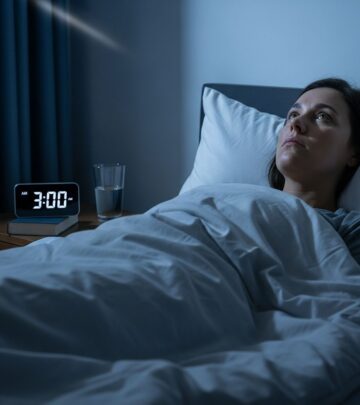
Poor sleep exacerbates symptoms like fatigue and stiffness. Consistent habits create an optimal rest environment.
- Maintain fixed bed and wake times daily.
- Dim lights and cool rooms to signal sleep.
- Pre-bed rituals: warm baths or gentle stretches.
- Avoid evening stimulants and limit naps.
These steps align with Mayo Clinic’s lifestyle remedies for better muscle tone and reduced pain.
Navigating Medications and Healthcare Partnerships
Levodopa remains the gold standard for motor symptoms like bradykinesia and rigidity. Success hinges on understanding regimens and collaborating with providers.
- Learn each drug’s purpose, timing, and side effects.
- Track responses and report issues promptly.
- Adjust for interactions, especially with proteins.
Related Stories



Parkinson’s Foundation stresses partnering with teams for personalized plans. Deep brain stimulation offers options for advanced cases.
Stimulating the Mind to Preserve Cognition
Cognitive decline can occur; proactive brain exercises help maintain sharpness. Integrate puzzles, reading, and discussions into routines.
- Dedicated sessions for crosswords or apps.
- Learning new skills like languages.
- Social debates to challenge thinking.
Yale Medicine endorses intellectually stimulating activities alongside exercise. Address impairments by treating underlying issues like dehydration.
Adapting Your Environment for Safety and Ease
Home modifications prevent accidents and simplify movement. Remove rugs, install grab bars, and organize spaces for accessibility.
Parkinson’s Foundation resources guide daily living adaptations for independence. Occupational therapy refines these changes.
Integrating Complementary and Alternative Approaches
Holistic methods complement conventional care. Always consult physicians first.
| Therapy | Potential Benefits | Evidence Notes |
|---|---|---|
| Yoga/Alexander Technique | Flexibility, posture | Improves balance |
| Acupuncture | Fatigue relief | Limited studies |
| Meditation | Stress reduction | Enhances well-being |
APDA emphasizes assembling capable teams including these options.
Frequently Asked Questions (FAQs)
What role does exercise play in Parkinson’s?
Exercise is integral, improving balance, strength, and possibly slowing progression, per Yale research.
How does diet impact medication effectiveness?
Protein timing prevents absorption issues; fiber aids constipation.
Are complementary therapies safe?
Yes, when doctor-approved; they support but don’t replace standard treatments.
Can sleep strategies really help symptoms?
Absolutely, better rest reduces fatigue and pain.
How to manage cognitive changes?
Through stimulation, medication adjustments, and treating comorbidities.
Daily Action Plan for Parkinson’s Wellness
Create a personalized schedule:
- Morning: Aerobic exercise + cognitive puzzle.
- Midday: Balanced meal, short walk.
- Afternoon: Social call or hobby.
- Evening: Relaxation routine, medication review.
This multifaceted strategy empowers sustained independence. Parkinson’s Foundation advocates comprehensive management for optimal living.
References
- 10 Ways to Manage Your Parkinson’s Symptoms — PhotoPharmics. 2023. https://photopharmics.com/10-ways-to-manage-your-parkinsons-symptoms-and-enhance-your-life/
- What to Know About Managing Parkinson’s Disease — Yale Medicine. 2024-02-23. https://www.yalemedicine.org/news/what-to-know-about-managing-parkinsons-disease
- Parkinson’s disease – Diagnosis and treatment — Mayo Clinic. 2025. https://www.mayoclinic.org/diseases-conditions/parkinsons-disease/diagnosis-treatment/drc-20376062
- Parkinson’s Disease: Diagnosis and Treatment — American Academy of Family Physicians. 2006-12-15. https://www.aafp.org/pubs/afp/issues/2006/1215/p2046.html
- Parkinson’s disease – Treatment — NHS. 2024. https://www.nhs.uk/conditions/parkinsons-disease/treatment/
- Management & Lifestyle — Parkinson’s Foundation. 2025. https://www.parkinson.org/living-with-parkinsons/management
- Living with Parkinson’s Disease — American Parkinson Disease Association. 2024. https://www.apdaparkinson.org/living-with-parkinsons-disease/
Similar Articles








Read full bio of medha deb