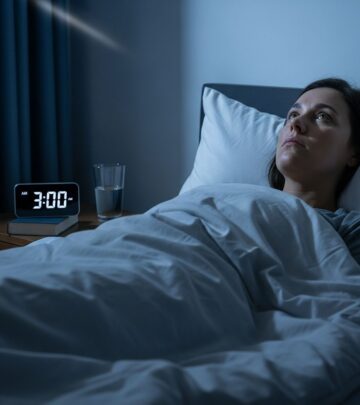
Mastering Sleep Quality: Evidence-Based Strategies
Transform your nights with science-backed techniques for deeper, more restorative sleep.
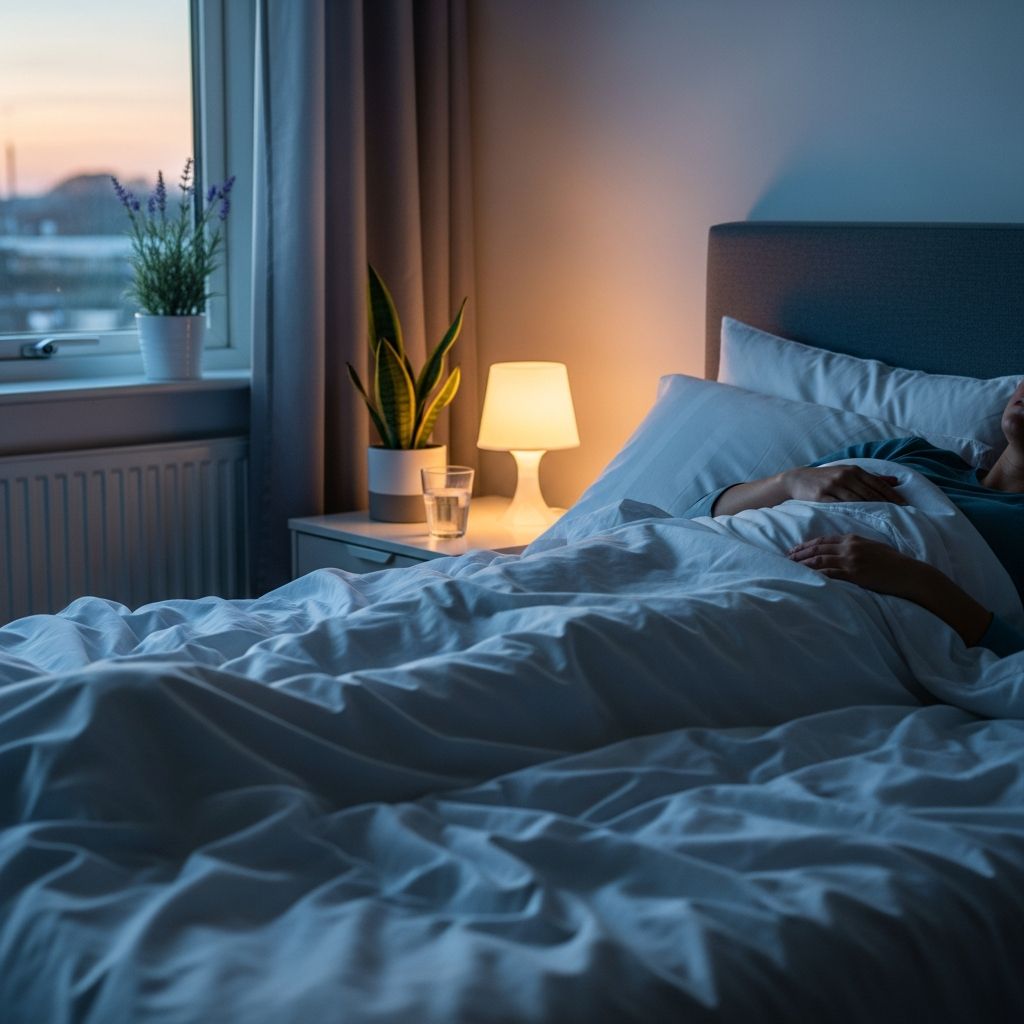
Quality sleep stands as one of the cornerstones of overall health and wellbeing, yet millions struggle to achieve the restful nights they need. Rather than relying on pharmaceutical interventions alone, behavioral approaches grounded in scientific research offer practical, sustainable solutions for improving sleep. Understanding how to optimize your sleep through intentional lifestyle and environmental changes can transform both the quantity and quality of your rest.
Understanding the Foundation of Better Sleep
Sleep isn’t a luxury—it’s a biological necessity that influences every aspect of your health, from cognitive function to immune system resilience. The challenge many face is that modern life introduces numerous obstacles to quality sleep: artificial lighting, stimulating technology, irregular schedules, and heightened stress levels all conspire against our natural sleep-wake cycle.
Research into behavioral sleep interventions reveals that systematic adjustments to daily habits produce measurable improvements in sleep outcomes. The most effective approach involves implementing gradual changes rather than attempting to overhaul your entire routine simultaneously. By introducing one or two new practices weekly, you allow your body and mind to adapt naturally, increasing the likelihood of long-term success.
Establishing Consistent Sleep Timing Patterns
Your body operates on an internal clock called the circadian rhythm, which regulates numerous physiological processes including sleep-wake cycles. One of the most powerful tools for optimizing sleep is maintaining consistency in your sleep schedule.
The core principle: Going to bed and waking up at the same time every day—even on weekends—trains your body to anticipate sleep and promotes a steady, predictable rhythm. This regularity enhances sleep quality by allowing your circadian rhythm to stabilize.
Implementing schedule adjustments: If you need to shift your sleep times, resist the temptation to make dramatic changes overnight. Instead, adjust your schedule by 30 minutes to one hour every few days until you reach your target bedtime. This gradual approach prevents the jarring sleep disruption that sudden changes create.
The afternoon nap consideration: While strategic napping can boost energy during the day, poorly timed or lengthy naps undermine nighttime sleep. If you choose to nap, keep it brief—no longer than 20 to 60 minutes—and schedule it before 3 p.m. to prevent interference with nighttime sleep.
Optimizing Your Sleep Environment
Your bedroom environment exerts profound influence over sleep quality. Creating a space specifically designed for rest involves attention to temperature, light, noise, and comfort.
Temperature Control
Research consistently demonstrates that a cooler bedroom promotes better sleep. Most sleep experts recommend maintaining a temperature between 65 and 68 degrees Fahrenheit. A cooler environment facilitates the natural body temperature drop that precedes sleep. If you find the room too cold, use breathable bedding and natural fiber clothing rather than raising the thermostat, maintaining the cool environment your body needs while staying physically comfortable.
Light Management
Exposure to light—particularly bright light in evening hours—suppresses melatonin production, the hormone that signals your body to prepare for sleep. This creates a significant sleep barrier in our artificially lit modern world.
Related Stories



- Keep your bedroom as close to complete darkness as possible using blackout curtains or shades
- Wear a sleep mask if external light sources cannot be eliminated
- Avoid bright overhead lights in the hours before bed
- Dim household lighting as evening progresses to support natural melatonin production
Noise Reduction
Unwanted noise disrupts sleep architecture and prevents the deep, restorative sleep your body requires. Address noise through multiple strategies: earplugs work for some individuals, while others prefer white noise from machines, fans, or ambient sound applications that mask disruptive noises.
Managing Technology and Blue Light Exposure
Modern technology presents a double challenge to sleep: the mental stimulation from digital engagement and the blue light emitted by screens both interfere with sleep initiation.
The pre-bed technology buffer: Establish a device-free period of 30 to 60 minutes before bedtime. During this window, avoid phones, tablets, laptops, and televisions. This allows your mind to transition from stimulation toward the relaxed state necessary for sleep.
Blue light management: If you must use devices before bed, employ blue-light filtering glasses or activate blue-light filter settings on your devices. However, these modifications work best combined with screen avoidance rather than as substitutes for it.
Screen-free bedtime routine: Restrict screen use to at least one hour before sleep, with no televisions or devices in the bedroom itself if possible. This physical separation reinforces the mental boundary between wakefulness and sleep.
Developing Effective Bedtime Rituals
Your body responds powerfully to behavioral cues and repetition. By establishing consistent pre-sleep activities, you signal to your nervous system that rest is approaching, facilitating the transition from wakefulness to sleep.
Relaxation-Based Rituals
Several activities effectively prepare your mind and body for sleep:
- Listen to gentle, calming music specifically selected for relaxation properties
- Read soothing material for 15 to 20 minutes, avoiding stimulating content
- Practice deep breathing exercises or meditation to quiet mental activity
- Enjoy a warm, caffeine-free beverage like herbal tea
- Take a warm bath or shower, allowing the subsequent temperature drop to facilitate sleep onset
These rituals work because they occupy your mind with neutral or pleasant activities while progressively lowering arousal levels. Consistency matters more than the specific activity—your body learns to associate these behaviors with approaching sleep.
The 20-Minute Rule
If you find yourself unable to fall asleep after approximately 20 minutes in bed, resist the urge to force sleep. Instead, rise and engage in a quiet, low-stimulation activity in dim light—perhaps reading or gentle stretching—until drowsiness returns. This approach prevents your brain from associating bed with wakefulness and frustration, preserving the mental connection between your bed and actual sleep.
Nutritional Considerations for Sleep
What and when you eat significantly impacts sleep quality. Strategic nutrition supports better rest while poor dietary timing undermines it.
Timing Your Meals
Large, heavy meals consumed close to bedtime trigger digestive processes that interfere with sleep. Avoid substantial meals for two to three hours before bed. If hunger strikes in the evening, consume a light snack approximately 45 minutes before sleep. This provides satiety without the digestive burden that heavy meals create.
Substances That Disrupt Sleep
Certain substances deserve particular attention due to their sleep-disrupting properties:
- Caffeine: This stimulant remains active in your system for 6 to 9 hours. Limiting caffeine intake to morning hours—ideally before lunch—eliminates this significant sleep disruptor
- Alcohol: While alcohol might initially promote drowsiness, it disrupts sleep architecture, leading to fragmented, unrefreshing sleep and frequent nighttime awakenings
- Nicotine: This stimulant activates your nervous system in ways that directly interfere with sleep quality
Physical Activity and Exercise Timing
Regular physical activity ranks among the most effective interventions for improving sleep. However, timing matters significantly.
Optimal exercise timing: Engage in regular exercise during morning or early afternoon hours when it supports both daytime energy and nighttime sleep. Avoid strenuous exercise within 2 to 4 hours of bedtime, as the stimulation and body temperature elevation can interfere with sleep onset.
Outdoor activity benefits: Exercise conducted outdoors provides a bonus advantage—exposure to natural light helps regulate your circadian rhythm and supports better sleep-wake cycle regulation.
Leveraging Natural Light Exposure
Sunlight serves as nature’s most powerful regulator of circadian rhythm. Light exposure sends critical signals to your brain about appropriate times for wakefulness and sleep.
Morning light exposure: Spend 15 minutes outdoors in direct sunlight shortly after waking, exposing your face to the sun. This anchors your circadian rhythm and reinforces your wake time. If morning outdoor time isn’t feasible, afternoon sunlight provides similar benefits.
Cumulative effect: Consistent daily outdoor light exposure, combined with darkness in evening hours, creates a powerful natural cycle that supports better sleep without requiring any supplements or medications.
Stress Management and Mental Preparation
Mental state directly influences sleep quality. Racing thoughts, worry, and stress create physiological arousal that prevents sleep initiation and maintains wakefulness.
Pre-sleep worry resolution: Address concerns before bedtime by writing down worries or tasks on your to-do list, then deliberately setting them aside for tomorrow. This externalization of concerns reduces mental rumination that extends wakefulness.
Meditation and mindfulness: Practices like meditation, mindfulness, and progressive relaxation activate your parasympathetic nervous system—the physiological state associated with rest and recovery. Even brief practice produces measurable benefits.
Creating a calm bedroom environment: Remove visual reminders of work, responsibilities, or stress from your bedroom. Piles of laundry, work documents, or other stressors visually trigger mental activation that disrupts relaxation.
Implementation Strategy: Building Sustainable Change
Research on behavior change reveals that attempting to implement numerous changes simultaneously typically fails. Instead, adopt a sequential approach:
- Select one or two specific sleep improvement strategies from those described above
- Implement these consistently for one week
- In week two, maintain your initial changes while adding one or two additional strategies
- Continue this gradual expansion over subsequent weeks
- Track your sleep quality and adjust strategies based on results
This graduated approach reduces overwhelm, increases adherence, and allows you to identify which specific strategies produce the greatest improvement for your individual circumstances.
Frequently Asked Questions About Sleep Improvement
How long does it take for sleep changes to produce noticeable improvements?
Most individuals notice meaningful improvements within 2 to 4 weeks of consistent implementation. Some changes—like adjusting bedroom temperature—produce faster results, while behavioral adjustments may require longer to establish. Patience and consistency prove more important than dramatic changes.
Can I implement all these strategies simultaneously?
While possible, implementing multiple changes at once creates confusion about which strategies actually help you. A sequential, graduated approach allows you to identify your personal most-effective changes while building sustainable habits.
What if I still cannot sleep after implementing these strategies?
Most individuals experience significant improvement through behavioral approaches. However, persistent sleep problems despite these efforts warrant consultation with a healthcare provider, as underlying sleep disorders or other health conditions may require professional evaluation.
Are sleep medications necessary if I follow these strategies?
Behavioral sleep strategies prove highly effective for most people and should be attempted before pursuing pharmaceutical interventions. Many individuals discover they don’t need sleep medications once they establish optimal sleep habits and environmental conditions.
References
- Try these 13 tips to help you sleep better — UC Davis Health. 2023-07-01. https://health.ucdavis.edu/news/headlines/try-these-13-tips-to-help-you-sleep-better/2023/07
- Mastering Sleep Hygiene: Your Path to Quality Sleep — Sleep Foundation. https://www.sleepfoundation.org/sleep-hygiene
- Sleep tips: 6 steps to better sleep — Mayo Clinic. https://www.mayoclinic.org/healthy-lifestyle/adult-health/in-depth/sleep/art-20048379
- 10 Tips to Get More Sleep — American Cancer Society. https://www.cancer.org/cancer/latest-news/how-to-get-more-sleep.html
- How to Sleep Better and Wake Up Rested — Mass General Brigham. https://www.massgeneralbrigham.org/en/about/newsroom/articles/how-to-sleep-better
- 8 Tips to Improve your Sleep — Comprehensive Sleep Care. 2023-03-16. https://comprehensivesleepcare.com/2023/03/16/8-tips-to-improve-your-sleep/
- Your Guide to Healthy Sleep — National Heart, Lung, and Blood Institute (NHLBI), National Institutes of Health. https://www.nhlbi.nih.gov/files/docs/public/sleep/healthy_sleep.pdf
Similar Articles








Read full bio of medha deb