Mastitis: Causes, Symptoms, and Treatment
Complete guide to understanding mastitis, its causes, symptoms, and effective treatment options.
Understanding Mastitis
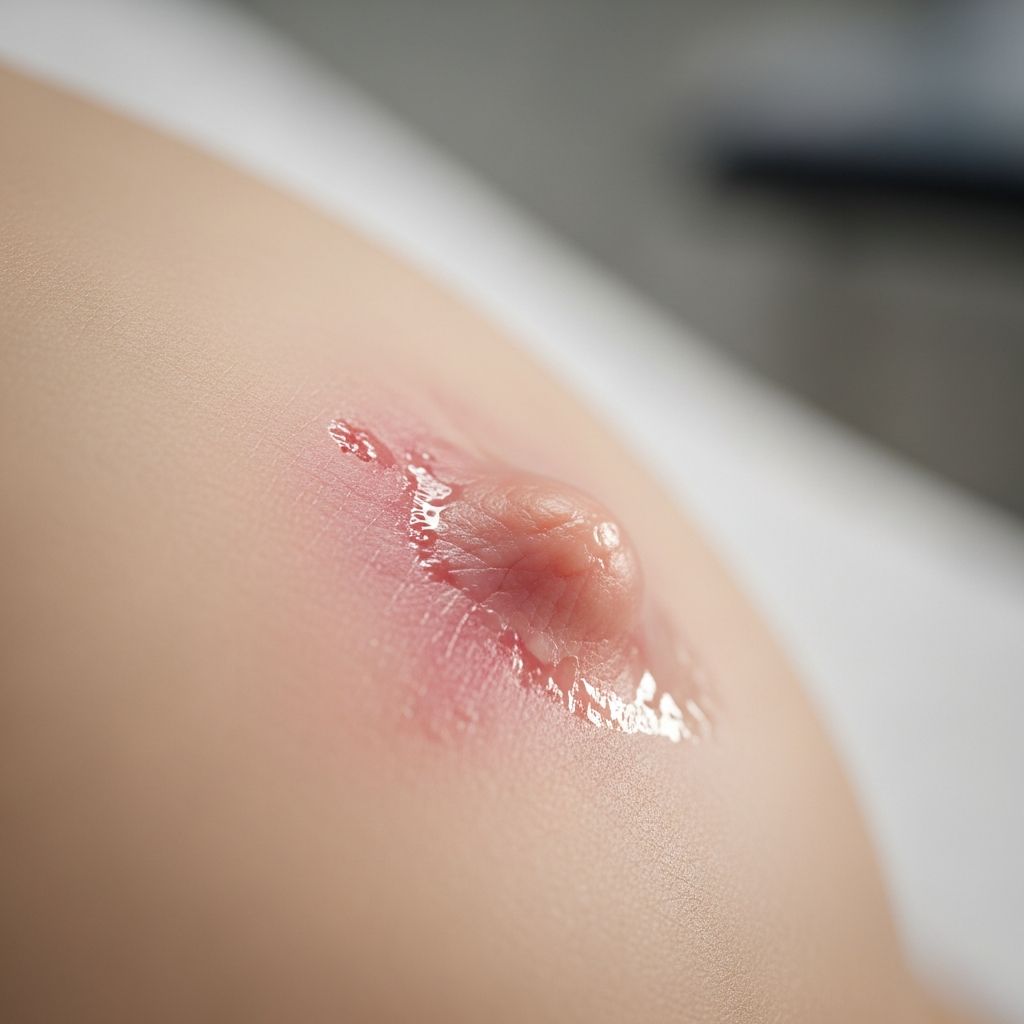
Mastitis is an inflammation of the breast tissue that can affect breastfeeding and non-breastfeeding individuals. While most common in lactating women, this condition can develop in anyone. Mastitis occurs when breast tissue becomes inflamed, leading to pain, swelling, redness, and sometimes infection. Early recognition and appropriate management are essential to prevent complications and maintain breast health.
What Causes Mastitis?
Mastitis develops through various mechanisms, with causes differing between lactating and non-lactating individuals. Understanding the underlying triggers helps in prevention and early intervention.
Causes in Breastfeeding Women
The primary cause of mastitis in breastfeeding women is milk stasis, which occurs when milk is not effectively removed from the breast. This can happen for several reasons:
– Blocked or clogged milk ducts that prevent proper milk drainage- Milk oversupply or hyperlactation, causing excessive milk production- Infrequent feeding or extended gaps between feeds- Improper latch or breastfeeding technique- Use of nipple shields that may interfere with milk flow- Sudden cessation of breastfeeding- Tight or underwire bras that compress breast tissue- Nipple trauma or damage that facilitates bacterial entry
When milk accumulates in the breast, it creates an environment conducive to inflammation and potential bacterial growth. The role of bacteria, while important, is more complex than previously understood. Staphylococcus aureus and Streptococcus species are commonly isolated from women with mastitis, but these bacteria are also present in healthy milk microbiomes. A disrupted milk microbiome, influenced by factors such as antibiotic use, hyperlactation, and mechanical stress from breastfeeding, contributes significantly to the inflammatory condition.
Causes in Non-Lactating Individuals
Mastitis can also affect individuals who are not breastfeeding. Various factors may contribute to this condition:
– Smoking, which damages breast tissue through tobacco toxins- Nipple damage from piercings or skin conditions like eczema- Breast implants- Weakened immune system from conditions such as diabetes- Hair removal practices like shaving or plucking around the nipples
Recognizing Symptoms of Mastitis
Mastitis presents with distinct symptoms that typically develop suddenly. Recognizing these signs early enables prompt treatment and prevents progression to more serious infection.
Localized breast symptoms include:
– Swelling, hardness, or induration in the affected breast- Redness or erythema in a specific area- Tenderness and pain in the breast tissue- Warmth to the touch in the affected area- A lump or mass that feels tender
Systemic symptoms often accompany local breast manifestations:
– High fever, typically above 101.5°F (38.6°C)- Chills or feeling cold- Body aches and general malaise- Fatigue and weakness- Headache- Flu-like symptoms
These symptoms can develop rapidly, often within hours. Many women describe the experience as similar to influenza combined with localized breast pain. If mastitis progresses without treatment, it may develop into a breast abscess, a collection of pus requiring drainage.
Understanding the Pathophysiology
Mastitis is a multifaceted inflammatory condition involving both structural and microbial factors. Lactational mastitis primarily develops through ductal narrowing and alveolar congestion, often linked to milk stasis and hyperlactation. These conditions create an inflammatory response in the mammary gland tissue.
The inflammation involves hyperemia (increased blood flow) and stromal edema (fluid accumulation in supporting tissue), which further exacerbate ductal obstruction. This inflammatory environment, combined with trapped milk, creates conditions favorable for bacterial growth and potential abscess formation, particularly when nipple trauma or aggressive massage occurs.
Diagnosis and Evaluation
Healthcare providers evaluate mastitis through clinical examination and, when necessary, imaging studies. Diagnosis typically involves:
– Physical examination of the breast for tenderness, redness, and swelling- Assessment of systemic symptoms like fever- Evaluation of breastfeeding technique and history- Breast imaging using ultrasound to rule out abscess formation- Bacterial culture if symptoms don’t improve with initial treatment- Histopathological examination in rare or complicated cases
Most cases of mastitis can be diagnosed clinically without extensive testing. However, imaging becomes important if an abscess is suspected or if the condition doesn’t respond to standard treatment within 48-72 hours.
Treatment and Management Approaches
Effective mastitis management focuses on symptom relief, reducing inflammation, and addressing underlying causes. Treatment strategies differ based on whether the mastitis is inflammatory or bacterial in nature.
Supportive Care Measures
Many cases of mastitis resolve with supportive care alone. These evidence-based measures form the foundation of treatment:
–
Rest and hydration
: Adequate sleep and increased fluid intake support immune function and reduce inflammation-Continued breastfeeding
: Emptying the breast through regular on-demand feeding reduces milk stasis-Proper breast support
: Wearing a supportive bra (without underwire) helps reduce discomfort-Cold therapy
: Ice packs applied to the breast after feeding reduce swelling and pain-Pain management
: Over-the-counter NSAIDs like ibuprofen and acetaminophen effectively reduce pain and inflammation-Lymphatic drainage massage
: Gentle massage techniques, performed by trained professionals, may alleviate inflammation and edema-Therapeutic ultrasound
: When supervised by qualified professionals, ultrasound therapy has been reported to reduce inflammation and edema-Avoid aggravating factors
: Discontinue nipple shield use, avoid vigorous massage, and use moderate suction levels when pumpingModern treatment approaches recommend managing inflammatory mastitis similarly to treating a sprained ankle—avoiding aggressive massage and heat that may increase inflammation, instead focusing on reducing swelling through rest and ice application.
Antibiotic Therapy
When mastitis progresses to bacterial infection or doesn’t improve with supportive care within 48-72 hours, antibiotics become necessary. First-line antibiotic treatments target gram-positive organisms commonly responsible for mastitis:
| Antibiotic | Dosage | Duration | Notes |
|---|---|---|---|
| Dicloxacillin | 500 mg orally every 6 hours | 7-10 days | First-line treatment; safe during breastfeeding |
| Flucloxacillin | As prescribed | 10-14 days | Alternative first-line option |
| Cephalexin | As prescribed | 10-14 days | First-line option; generally safe |
| Clindamycin | 300 mg four times daily | 10-14 days | Second-line for resistant infections |
| Trimethoprim-sulfamethoxazole | Double-strength twice daily | 10-14 days | Second-line alternative; avoid in G6PD deficiency |
It is crucial to complete the full course of antibiotics as prescribed, even if symptoms improve, to prevent recurrence and reduce antibiotic resistance. Relief from infection symptoms typically occurs within 48-72 hours of starting appropriate antibiotic therapy.
Managing Complications
If mastitis progresses to abscess formation, additional interventions become necessary. Breast abscesses—collections of pus—require drainage through either surgical removal or needle aspiration guided by ultrasound imaging. Following drainage, antibiotic therapy continues to eliminate any remaining infection.
Prevention Strategies
Preventing mastitis is significantly easier than treating it. Breastfeeding women can reduce their risk through several evidence-based strategies:
– Establish a proper latch with the baby taking a significant portion of the areola into their mouth- Breastfeed frequently on demand, especially in the early postpartum period- Alternate starting breasts at each feeding to ensure complete emptying- Vary breastfeeding positions to drain different areas of the breast- Avoid skipping feedings or prolonged gaps between feeding sessions- Avoid tight bras or clothing that may compress breast tissue- Ensure bras fit properly without underwire- Protect nipples from trauma by using correct breastfeeding technique- Monitor for early signs of engorgement and address promptly- Manage stress and ensure adequate rest during the postpartum period- Maintain good overall health and nutrition
For those at higher risk, including women with hyperlactation or previous mastitis episodes, extra vigilance regarding these prevention strategies is warranted.
When to Seek Medical Care
While many cases of mastitis improve with home care, medical consultation is important in certain situations:
– Fever persisting above 101.5°F (38.6°C)- Severe pain unrelieved by over-the-counter medications- Symptoms not improving within 24-48 hours of starting supportive care- Red streak extending from the breast- Pus or unusual discharge from the nipple- Signs of abscess formation- Recurrent mastitis episodes- Any systemic signs of serious infection
Frequently Asked Questions About Mastitis
Q: Can I continue breastfeeding if I have mastitis?
A: Yes, continuing to breastfeed is actually recommended and beneficial. Frequent breastfeeding helps empty the breast and promotes healing. The bacteria causing mastitis are not harmful to your baby.
Q: Is mastitis contagious to my baby?
A: No, mastitis is not contagious to your baby. The bacteria causing mastitis are already present in the breast milk and do not harm the infant’s digestive system.
Q: How long does mastitis typically last?
A: With appropriate treatment, most women experience significant improvement within 48-72 hours. However, complete resolution may take 7-10 days, especially if antibiotics are required.
Q: Can mastitis return after treatment?
A: Yes, mastitis can recur, particularly if underlying causes like improper latch or milk stasis are not addressed. However, completing the full antibiotic course and maintaining preventive measures reduces recurrence risk.
Q: Is it safe to take antibiotics while breastfeeding?
A: Yes, most antibiotics used to treat mastitis are safe during breastfeeding. Healthcare providers select antibiotics that have minimal passage into breast milk and are generally recognized as safe by the American Academy of Pediatrics.
Q: What if mastitis doesn’t improve with antibiotics?
A: If symptoms persist beyond 48-72 hours of antibiotic therapy, follow-up with your healthcare provider is essential. Further evaluation through imaging may be needed to rule out abscess formation or identify other complications.
Conclusion
Mastitis is a common but manageable condition affecting many breastfeeding women. Understanding its causes, recognizing symptoms early, and implementing appropriate treatment strategies are key to preventing serious complications. Most cases respond well to supportive care, particularly when identified promptly. By combining proper breastfeeding technique, preventive measures, and timely medical intervention when necessary, women can successfully navigate mastitis and maintain healthy breastfeeding experiences. When in doubt, consulting with a healthcare provider ensures appropriate diagnosis and treatment tailored to individual circumstances.
References
- Acute Mastitis — National Center for Biotechnology Information (NCBI) StatPearls. 2024. https://www.ncbi.nlm.nih.gov/books/NBK557782/
- Mastitis – Gynecology and Obstetrics — MSD Manuals Professional Version. 2024. https://www.msdmanuals.com/professional/gynecology-and-obstetrics/postpartum-care-and-associated-disorders/mastitis
- Mastitis: Causes, Symptoms, Treatment & Prevention — Cleveland Clinic. 2024. https://my.clevelandclinic.org/health/diseases/15613-mastitis
- Mastitis — NHS. 2024. https://www.nhs.uk/conditions/mastitis/
- Mastitis – Symptoms and causes — Mayo Clinic. 2024. https://www.mayoclinic.org/diseases-conditions/mastitis/symptoms-causes/syc-20374829
- Breast Infection (Mastitis): Symptoms, Causes, Treatments — WebMD. 2024. https://www.webmd.com/women/breast-infection
- Mastitis Causes, Symptoms, and Treatment — American Cancer Society. 2024. https://www.cancer.org/cancer/types/breast-cancer/non-cancerous-breast-conditions/mastitis.html
Similar Articles






Read full bio of Sneha Tete