Matcha: A Look at Possible Health Benefits
Explore matcha's potential health benefits: brain function, heart health, antioxidants, and more.
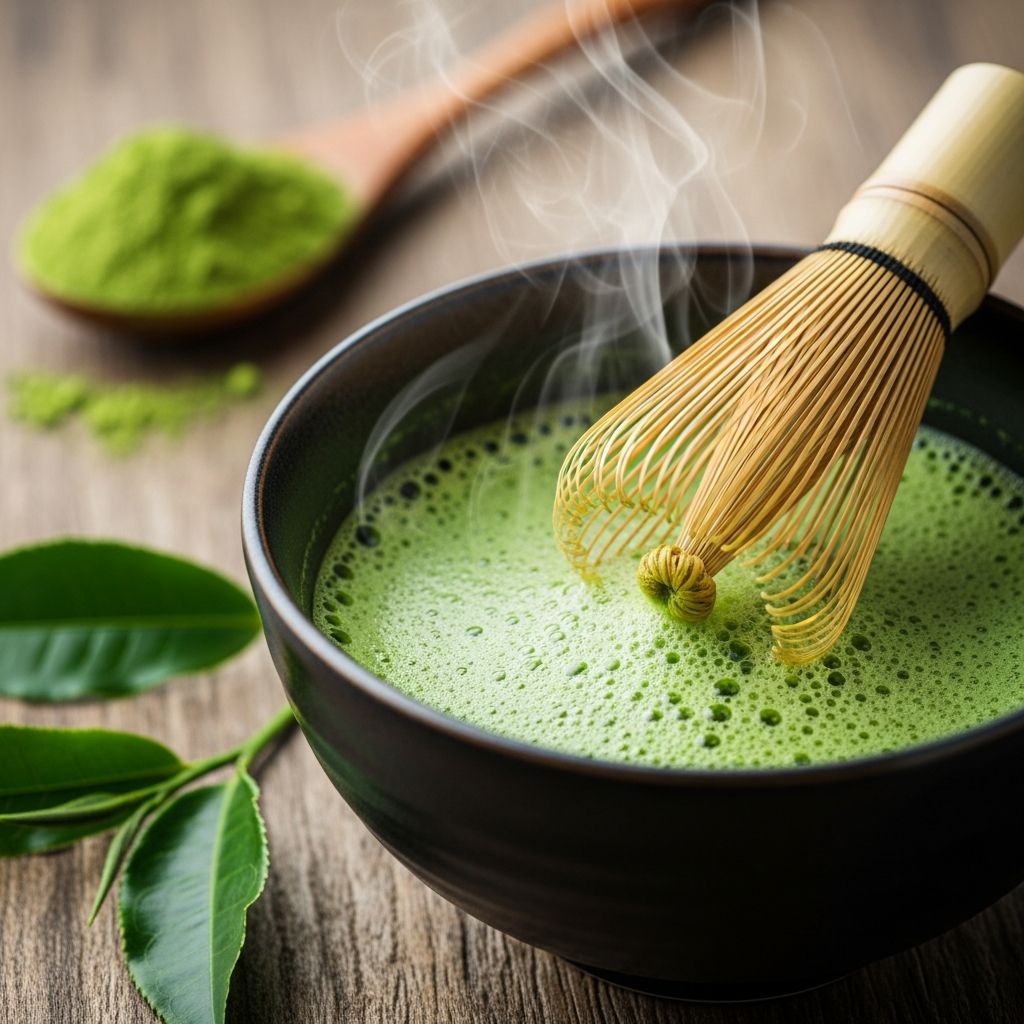
Matcha, a finely ground powder made from shade-grown green tea leaves, has transitioned from a ceremonial beverage in Japanese tradition to a globally recognized superfood. This vibrant green powder has captured the attention of health enthusiasts and researchers alike, prompting investigations into its potential benefits for human health. Unlike regular green tea, matcha is consumed in its whole form, meaning you ingest the entire leaf rather than just steeping it in water. This fundamental difference contributes to matcha’s significantly higher concentration of beneficial compounds, making it a unique addition to a health-conscious diet.
What Makes Matcha Special?
The cultivation process of matcha sets it apart from other green teas. Tea plants destined for matcha production are grown in shade for several weeks before harvest. This shading process stimulates the production of chlorophyll and amino acids, resulting in a richer, more vibrant green color and a more complex flavor profile compared to sun-grown green teas. The leaves are then carefully harvested, dried, and stone-ground into an ultra-fine powder that retains all the nutritional benefits of the original leaf.
Matcha’s uniqueness extends to its composition. The powder contains exceptionally high levels of polyphenols, a type of antioxidant-rich nutrient found in plants. Research has demonstrated that polyphenol concentrations in matcha are approximately 10 times higher than in regular green tea, making it one of the most potent sources of these beneficial compounds available in nature. These polyphenols are believed to be responsible for many of matcha’s potential health benefits, contributing to its reputation as a superfood worthy of scientific investigation.
Understanding Polyphenols and Antioxidants
The foundation of matcha’s potential health benefits lies in its remarkable antioxidant content. Antioxidants are compounds that help protect cells from damage caused by free radicals—unstable molecules that can contribute to aging and disease development. Polyphenols, the primary antioxidants in matcha, have been extensively studied for their anti-inflammatory and protective properties.
When consumed regularly, these antioxidants may help reduce the risk of various chronic diseases by protecting cellular integrity and supporting the body’s natural defense mechanisms. The high concentration of polyphenols in matcha means that a single serving can provide substantial antioxidant activity, making it an efficient way to incorporate these beneficial compounds into your diet. However, it’s important to note that the quality and preparation method of matcha significantly influence the bioavailability of these compounds.
Brain Health and Cognitive Function
One of the most promising areas of matcha research involves its potential effects on brain health and cognitive function. A 2020 study examined the impact of matcha consumption on cognitive functioning in older Japanese adults. Participants who consumed matcha daily for two weeks demonstrated notable improvements in cognitive markers, particularly among women.
The study revealed that female participants showed measurable improvements in two key indicators of cognitive health: overall cognitive functioning and episodic memory—the ability to recall details about everyday events. These improvements are particularly significant given that episodic memory decline is often associated with early stages of neurodegenerative diseases such as Alzheimer’s. While male participants in the study did not demonstrate the same level of cognitive improvement, researchers have not yet determined whether this difference is physiological or related to study design factors.
Related Stories



Beyond memory and overall cognitive function, matcha has been associated with improvements in focus and concentration. The combination of caffeine (which promotes alertness) and L-theanine (an amino acid that promotes relaxation without drowsiness) works synergistically to enhance mental clarity and sustained attention. This unique combination distinguishes matcha from other caffeinated beverages, which may cause jitteriness or anxiety in some individuals.
Heart Health and Cardiovascular Protection
The cardiovascular system stands to benefit from matcha’s rich antioxidant profile. Research has indicated that regular matcha consumption may support heart health through multiple mechanisms. The polyphenols in matcha help reduce inflammation and support the function of blood vessels, potentially lowering the risk of atherosclerosis—a condition characterized by the buildup of plaque in arteries.
Animal studies have shown promising results regarding matcha’s ability to prevent atherosclerosis, though human clinical trials on a larger scale are needed to fully establish these benefits. The antioxidants in matcha may help prevent the oxidation of LDL cholesterol, a key step in the development of heart disease. Additionally, matcha consumption has been associated with improvements in various cardiovascular risk factors, supporting the argument that this beverage deserves inclusion in a heart-healthy lifestyle.
Gut Health and Microbiome Benefits
Emerging research suggests that matcha may play a beneficial role in maintaining a healthy gut microbiome. The compounds in matcha can act as prebiotics, feeding beneficial bacteria in the digestive system and promoting a healthy balance of microorganisms. A healthy gut microbiome is increasingly recognized as fundamental to overall health, influencing everything from immune function to mental health.
The polyphenols in matcha are partially metabolized by gut bacteria, creating metabolites that may provide additional health benefits. This process means that matcha’s benefits extend beyond the direct antioxidant effects of the original compounds. By supporting the growth and activity of beneficial bacteria, matcha may indirectly contribute to improved digestion, enhanced immune function, and better overall health outcomes.
Potential Cancer Prevention Properties
While more research is necessary, preliminary studies suggest that matcha may help reduce the risk of certain cancers. The catechins present in matcha, particularly a compound called EGCG (epigallocatechin gallate), have demonstrated the ability to interfere with cancer cell growth in laboratory studies. Because matcha involves consuming the entire leaf, it provides a more concentrated dose of these cancer-fighting compounds compared to regular green tea.
The antioxidant and anti-inflammatory properties of matcha’s polyphenols may support the body’s natural cancer defense mechanisms. However, it’s crucial to understand that matcha should be viewed as a complementary component of a cancer-prevention strategy that includes a balanced diet, regular exercise, and other healthy lifestyle choices. No single food or beverage can prevent cancer, but consistent consumption of nutrient-dense options like matcha may contribute to reduced disease risk over time.
Stress Reduction and Mental Wellness
Matcha consumption has been linked to lower stress levels and improved mental well-being. The amino acid L-theanine, which is present in matcha in significant quantities, promotes the production of alpha brain waves—patterns associated with relaxation and calm focus. This effect differs from the drowsiness associated with some relaxation techniques, instead promoting a state of alert relaxation.
The combination of L-theanine and caffeine in matcha creates a balanced state of mind that many users describe as peaceful alertness. This unique combination makes matcha an excellent choice for those seeking cognitive support without the anxiety or energy crashes sometimes associated with other caffeinated beverages. The stress-reducing properties of matcha may have cascading benefits for overall health, as chronic stress is implicated in numerous disease processes.
Anti-Aging and Longevity Potential
Matcha has been studied for its potential role in slowing premature aging and promoting healthy aging throughout the body. The high concentration of antioxidants helps combat oxidative stress, a major factor in aging and disease development. By neutralizing free radicals and reducing cellular damage, matcha may help maintain the structural and functional integrity of cells throughout the body.
The polyphenols in matcha have been shown to support skin health, improve circulation, and promote overall vitality. Many traditional users of matcha have attributed their long lifespans and good health in part to regular matcha consumption, and contemporary research is beginning to validate these traditional observations. While longevity is influenced by numerous factors including genetics, lifestyle, and overall diet, matcha appears to be a valuable component of an anti-aging health strategy.
Important Considerations for Matcha Consumption
While matcha offers numerous potential health benefits, there are important factors to consider when incorporating it into your daily routine. First and foremost, matcha does contain caffeine—more than most other teas but significantly less than coffee. Those sensitive to caffeine or who consume it late in the day should be aware of potential sleep disruption.
Quality matters substantially when selecting matcha. Ceremonial-grade matcha, traditionally used in Japanese tea ceremonies, contains higher concentrations of beneficial compounds than culinary-grade varieties. Japanese matcha typically offers superior quality and potency compared to matcha produced in other regions, though the production standards have been improving globally.
The preparation method significantly impacts matcha’s nutritional value. Water temperature is crucial—boiling water can degrade the delicate polyphenols and other beneficial compounds. Slightly warm water, around 160-170°F, is ideal for preserving matcha’s nutritional integrity. Additionally, many commercial matcha products contain added sugars and processed ingredients that can negate the health benefits. Consuming pure matcha without additives maximizes its potential advantages.
How to Incorporate Matcha Into Your Diet
The most traditional way to consume matcha is as a whisked tea. A small amount of powder is dissolved in warm water using a bamboo whisk, creating a frothy beverage. A typical serving consists of about half a teaspoon of matcha powder mixed with 2-3 ounces of water. Beyond traditional tea, matcha can be incorporated into smoothies, yogurt, desserts, and various culinary creations, though it’s important to maintain awareness of added ingredients that might reduce its health benefits.
For optimal health benefits, consistency is more important than quantity. Regular daily consumption of matcha—even just one cup—has been shown to provide measurable health benefits in research studies. Rather than consuming excessive amounts sporadically, developing a habit of regular, moderate matcha consumption is more likely to yield positive results over time.
Frequently Asked Questions
Q: How much matcha should I consume daily?
A: Most studies showing health benefits used one to two cups of matcha daily. A typical serving is about half a teaspoon of matcha powder mixed with warm water. This provides approximately 70 milligrams of caffeine, roughly equivalent to half a cup of coffee. Starting with smaller amounts allows you to assess your tolerance, particularly if you’re sensitive to caffeine.
Q: What is the difference between ceremonial and culinary grade matcha?
A: Ceremonial-grade matcha comes from the youngest tea leaves and has a smoother, more refined flavor with higher concentrations of beneficial compounds. Culinary-grade matcha, made from older leaves, has a slightly more bitter taste and lower antioxidant levels. For maximum health benefits, ceremonial-grade matcha is preferable, though it typically costs more.
Q: Can matcha help with weight loss?
A: While matcha contains compounds that may modestly increase metabolism and fat oxidation, it is not a weight-loss miracle cure. When consumed without added sugars and as part of a balanced diet and exercise program, matcha may support weight management efforts. However, expecting significant weight loss from matcha alone would be unrealistic.
Q: Is matcha safe for everyone?
A: Most people can safely consume matcha. However, those who are pregnant, nursing, sensitive to caffeine, or taking certain medications should consult a healthcare provider before incorporating matcha into their routine. Additionally, some matcha products may contain lead from the soil in which tea plants are grown, so sourcing from reputable suppliers is important.
Q: When is the best time to drink matcha?
A: The ideal time to consume matcha is in the morning or early afternoon to take advantage of its cognitive-enhancing effects without disrupting sleep. Consuming matcha after 3 PM may interfere with sleep quality for caffeine-sensitive individuals. Some people find that the L-theanine in matcha promotes relaxation without drowsiness, making it suitable for afternoon consumption.
Q: How should I store matcha to preserve its quality?
A: Matcha should be stored in a cool, dry place away from direct sunlight and strong odors, as it readily absorbs flavors and aromas. An airtight container in the refrigerator is ideal for preserving its vibrant color and nutritional potency. Once opened, matcha is best consumed within a few months for maximum freshness and efficacy.
The Bottom Line
Matcha represents a fascinating convergence of traditional practice and modern scientific inquiry. This ancient Japanese beverage, consumed for centuries in ceremonial contexts, is now the subject of rigorous research investigating its potential to support brain health, cardiovascular function, gut health, and overall well-being. The high concentration of polyphenols and other bioactive compounds in matcha provides a scientific basis for its health claims, though research in human populations remains ongoing in many areas.
While matcha is not a panacea and cannot single-handedly prevent disease or reverse aging, incorporating it into a comprehensive health strategy that includes a balanced diet, regular exercise, adequate sleep, and stress management may contribute to improved health outcomes. The key is to consume high-quality matcha consistently, prepared properly, and without unhealthy additives. For those interested in exploring the potential benefits of this unique beverage, matcha offers a pleasant, practical, and research-supported addition to a health-conscious lifestyle.
References
- Daily matcha may benefit brain, heart, gut health — Harvard School of Public Health. 2024-04-30. https://hsph.harvard.edu/news/matcha-brain-heart-gut-health/
- 7 Health Benefits of Matcha Tea — AARP. 2024. https://www.aarp.org/health/healthy-living/matcha-health-benefits/
- Drinking matcha may provide some health benefits — Harvard School of Public Health. 2022-10-05. https://hsph.harvard.edu/news/matcha-health-benefits/
- Harvard-trained doctor reveals 3 drinks that can lower the risk of cancer — Times of India. 2024. https://timesofindia.indiatimes.com/life-style/health-fitness/diet/harvard-trained-doctor-reveals-3-drinks-that-can-lower-the-risk-of-cancer/photostory/122003444.cms
- Harvard-trained doctor shares 3 anti-cancer drinks you should try — Economic Times. 2024. https://economictimes.com/news/india/harvard-trained-gastroenterologist-suggests-3-drinks-that-lower-the-risk-of-cancer/why-matcha-stands-out/slideshow/123356922.cms
Similar Articles








Read full bio of Sneha Tete