Matcha Health Benefits: 7 Evidence-Based Reasons
Discover the science-backed health benefits of matcha, from brain boost to heart health and beyond.
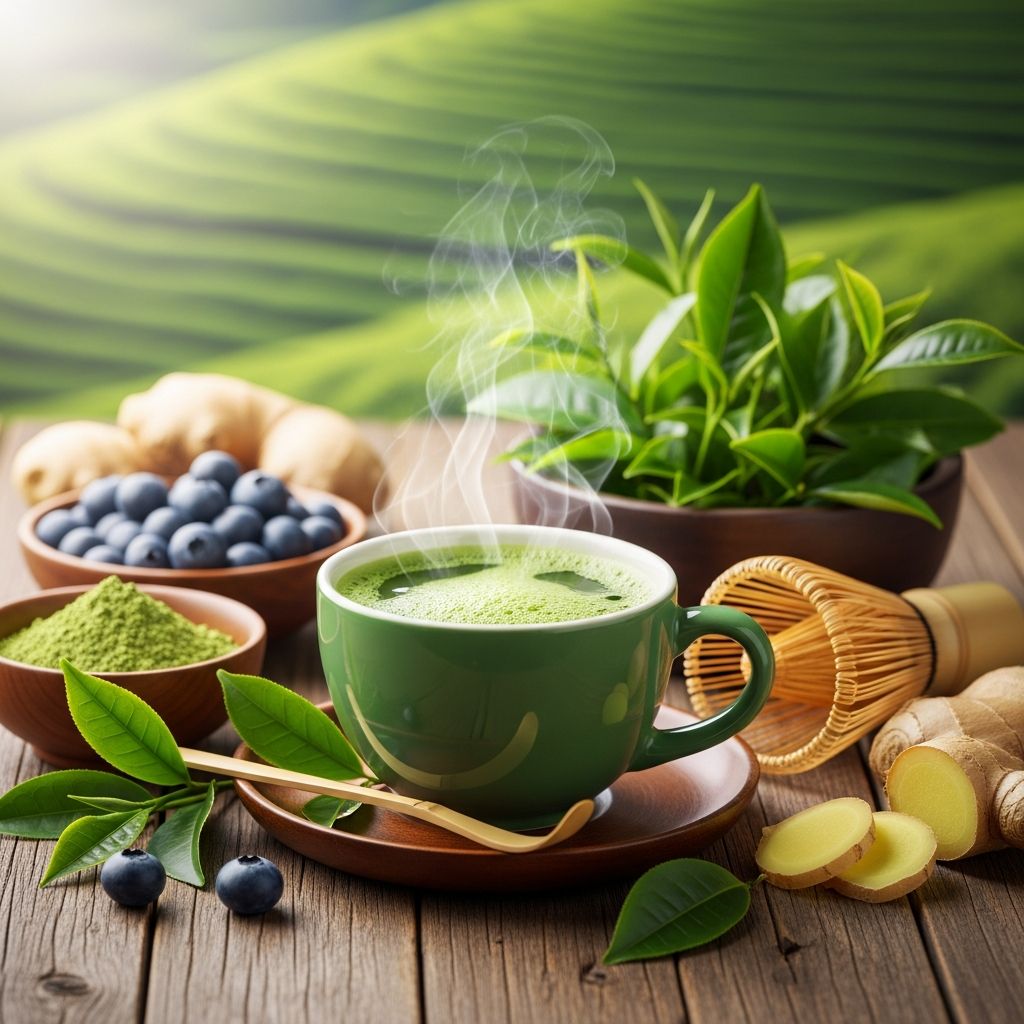
Matcha, the finely ground powder of shade-grown green tea leaves, has surged in popularity for its vibrant color and versatile uses in lattes, smoothies, and traditional tea ceremonies. Unlike steeped green tea, matcha allows you to consume the entire leaf, delivering a concentrated dose of nutrients, antioxidants, and bioactive compounds. This article delves into the evidence-based
health benefits of matcha
, drawing from clinical research and expert insights to explain why this ancient Japanese superfood deserves a spot in your daily routine.What Is Matcha?
Matcha originates from Japan, where tea plants (Camellia sinensis) are shaded for weeks before harvest, boosting chlorophyll and amino acid production for that signature bright green hue. The leaves are stone-ground into a fine powder, preserving over 100 beneficial compounds. A single teaspoon packs more antioxidants than a full cup of green tea, primarily due to high levels of catechins like
EGCG (epigallocatechin gallate)
, a potent polyphenol with thermogenic and anti-inflammatory effects.Nutritionally, one serving (1 tsp or 2g) provides about 5-10 calories, 1g protein, vitamins A, C, E, K, and minerals like potassium and magnesium. Its unique combo of moderate caffeine (about 70mg per cup) and L-theanine promotes calm, sustained energy without coffee’s jitters.
7 Health Benefits of Matcha
1. Packed With Antioxidants
Matcha’s antioxidant profile outshines most foods, with polyphenols 10 times higher than regular green tea. EGCG, the star compound, neutralizes free radicals, reducing oxidative stress linked to aging and disease. Lab tests confirm matcha as one of the strongest antioxidants, surpassing blueberries and spinach. These compounds combat inflammation, support detoxification, and may lower chronic disease risk.
- EGCG levels: Up to 137mg per gram, far exceeding steeped green tea.
- ORAC score (antioxidant capacity): 1384 per gram vs. 125 for green tea.
2. Enhances Brain Health and Focus
The L-theanine-caffeine synergy in matcha boosts alpha brain waves, promoting relaxed alertness. Human trials show matcha improves attention, memory, and cognitive speed, with women seeing notable gains in episodic memory. A 2020 study on older adults found daily matcha enhanced Alzheimer’s markers like overall functioning. Animal models link it to upregulated BDNF (brain-derived neurotrophic factor), aiding neuroprotection.
Unlike coffee’s crash, matcha sustains focus for 4-6 hours, ideal for work or study.
3. Supports Heart Health
Matcha improves lipid profiles, reducing LDL cholesterol and triglycerides while raising HDL. Mouse studies on high-fat diets showed dose-dependent benefits: lower total cholesterol, prevented fat accumulation, and normalized liver function. Human data suggests catechins enhance blood vessel function and reduce blood pressure. With rising cardio-metabolic issues, matcha’s profile offers preventive value.
| Parameter | High-Fat Diet Control | Matcha-Supplemented |
|---|---|---|
| Weight Gain | Significant | Halted/Reduced |
| Total Cholesterol | Elevated | Dose-Response Decrease |
| Glucose Levels | High | Improved |
4. Aids Weight Management
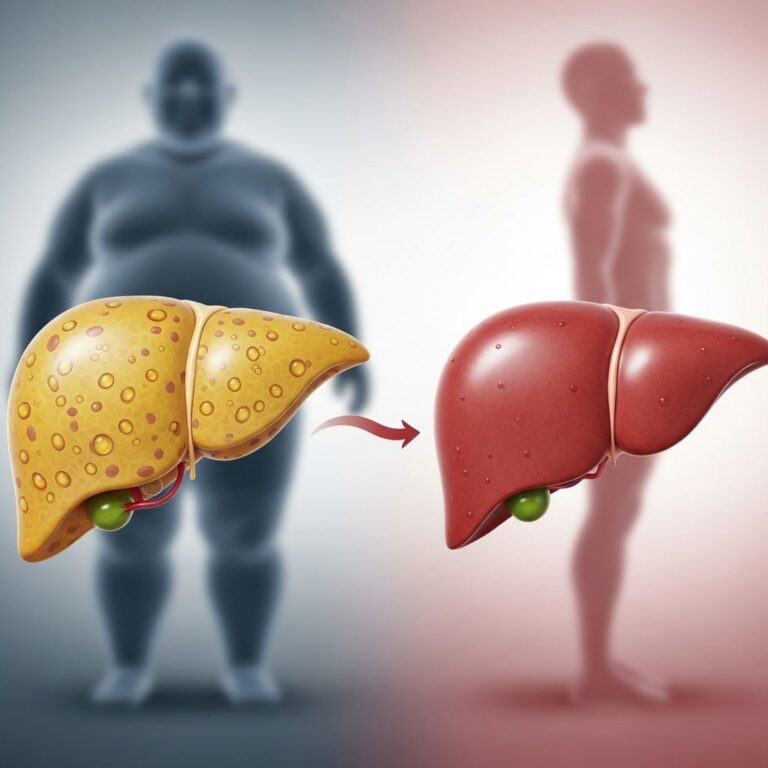
Matcha boosts metabolism via EGCG’s thermogenic effects, enhancing fat oxidation during exercise. A 2018 study found participants drinking matcha burned more fat on a brisk walk and achieved greater weight loss. It curbs appetite, stabilizes blood sugar, and pairs well with workouts without spiking cortisol. In high-fat fed mice, it slowed weight gain and visceral fat buildup.
- Pre-workout: Increases exercise-induced fat burn.
- Daily swap: Replaces coffee to avoid blood sugar spikes.
5. Boosts Mood and Reduces Stress
Randomized trials confirm matcha decreases stress and anxiety without affecting mood negatively. L-theanine promotes GABA activity, fostering calm. It positively impacts emotional well-being, making it a coffee alternative for jitter-free mood support.
Related Stories



6. Strengthens Immunity and Detox
Antioxidants like EGCG and vitamin C bolster immune response, reducing inflammation and fighting pathogens. Matcha upregulates enzymes like superoxide dismutase in oxidative stress models.
7. Promotes Healthy Aging
Polyphenols fight age-related decline, supporting skin, memory, and cellular health. Studies link it to slower aging via mitochondrial protection and anti-tumor effects in vitro.
Matcha Nutrition Facts
| Nutrient (per 1 tsp/2g) | Amount | % Daily Value* |
|---|---|---|
| Calories | 5-10 | 0% |
| Caffeine | 35-70mg | 12-23% |
| EGCG | ~137mg | N/A |
| L-Theanine | 20-40mg | N/A |
| Vitamin C | 1mg | 1% |
| *Based on 2,000 calorie diet. Source: USDA data adapted. | ||
How to Make Matcha Tea
- Sift 1-2 tsp matcha into a bowl.
- Add 2 oz (60ml) 175°F water; whisk vigorously in ‘W’ motion until frothy (30-60 seconds).
- Add 4-6 oz hot water or milk for latte. Use ceremonial grade for purity.
Tips: Avoid boiling water to preserve nutrients. Ceremonial matcha is highest quality; culinary for baking.
Matcha Recipes
Basic Matcha Latte
- 1 tsp matcha, 6 oz steamed almond milk, ½ tsp honey. Whisk and top with cinnamon.
Matcha Smoothie
- Blend 1 tsp matcha, banana, spinach, yogurt, almond milk.
Matcha Energy Balls
- Mix oats, nut butter, matcha, honey; roll into balls. Yields 12.
Matcha vs. Green Tea
| Aspect | Matcha | Green Tea |
|---|---|---|
| Antioxidants | 10x higher | Lower (steeped leaves) |
| Caffeine + L-Theanine | Sustained energy | Shorter boost |
| Nutrient Intake | Whole leaf | Infusion only |
| Calories | 5-10 | ~2 |
Matcha wins for potency, but green tea is milder and cheaper.
Side Effects and Precautions
Matcha is safe for most at 1-2 cups daily (under 400mg caffeine). Excess may cause insomnia, GI upset, or liver strain from catechins. Pregnant individuals limit to 200mg caffeine. Consult a doctor if on blood thinners or iron supplements, as EGCG may interact. Opt for organic, tested brands to avoid lead contamination from soil.
- Daily limit: 2-4g powder.
- Not for caffeine-sensitive.
Frequently Asked Questions
What is matcha good for?
Matcha supports brain health, heart function, weight loss, stress reduction, and immunity thanks to EGCG and L-theanine.
Is matcha better than coffee?
Yes for sustained energy, antioxidants, and no crash; it regulates mood and avoids addiction.
Can matcha help with weight loss?
It enhances fat oxidation and metabolism, especially pre-exercise.
Does matcha stain teeth?
No, unlike coffee; its antioxidants fight oral bacteria.
Is matcha good for skin?
Antioxidants reduce inflammation and aging signs.
References
- The Therapeutic Potential of Matcha Tea: A Critical Review — PMC/NCBI. 2022-12-23. https://pmc.ncbi.nlm.nih.gov/articles/PMC9792400/
- Why Matcha is Good For Weight Loss — The Healthy Chef. 2023. https://thehealthychef.com/blogs/wellbeing/why-matcha-is-good-for-weight-loss
- 7 Health Benefits of Matcha Tea — AARP. 2024-01-15. https://www.aarp.org/health/healthy-living/matcha-health-benefits/
- Matcha Vs Coffee – 7 Reasons To Switch — The Tea Makers. 2023-05-10. https://www.theteamakers.co.uk/en-us/blogs/news/matcha-vs-coffee
- 7 Ways to Enjoy Amazing Matcha Tea — Cleveland Clinic. 2024-03-22. https://health.clevelandclinic.org/ways-make-healthy-matcha
Similar Articles








Read full bio of medha deb