Mawlid Un-Nabi: 6 Global Traditions And Healthy Recipes
Celebrate the Prophet Muhammad's birthday with nutritious traditional foods, community gatherings, and healthy eating tips for Mawlid un-Nabi.
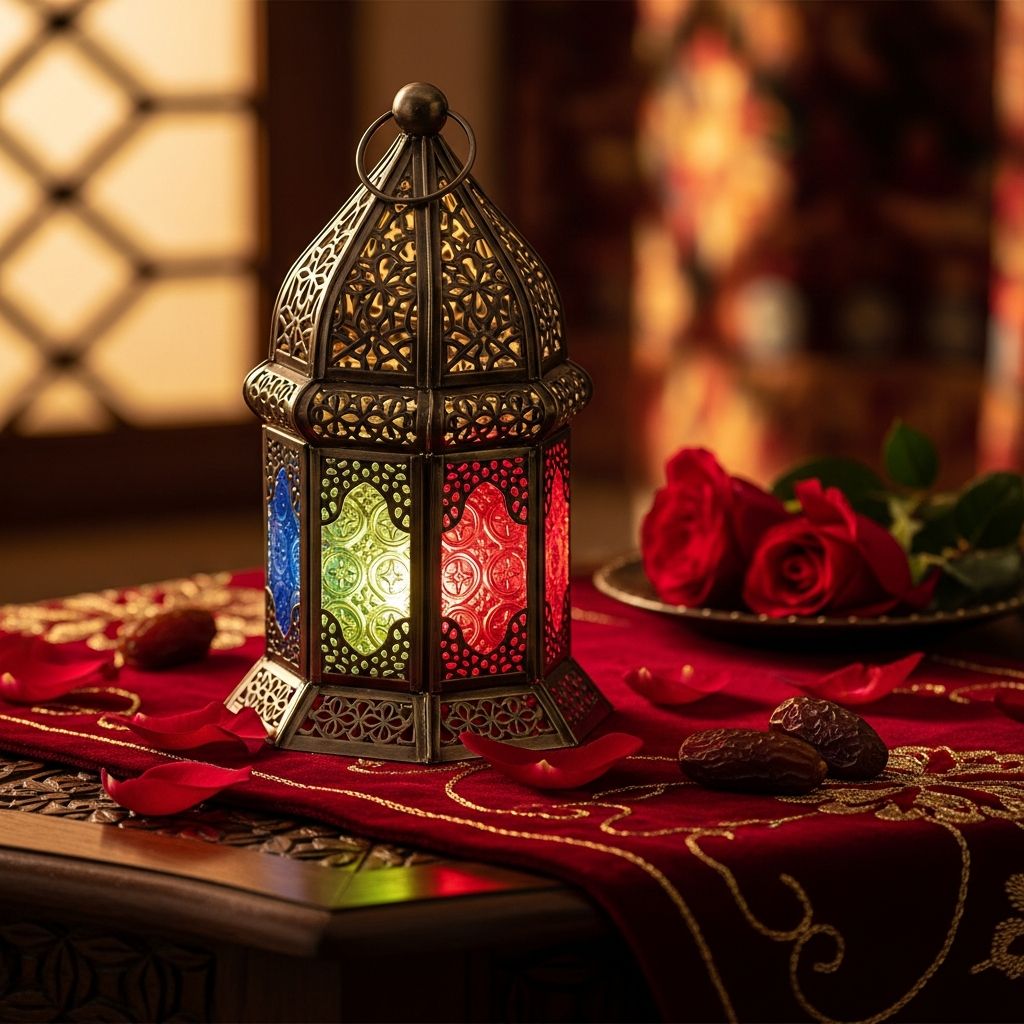
Mawlid un-Nabi, also known as Mawlid al-Nabi or the Prophet’s Birthday, is a joyous Islamic observance commemorating the birth of Prophet Muhammad. Celebrated on the 12th of Rabi’ al-Awwal in the Islamic lunar calendar, it brings Muslims worldwide together through prayers, recitations, charity, and shared meals featuring sweet treats and festive dishes.
What is Mawlid un-Nabi?
Mawlid un-Nabi holds deep spiritual significance, honoring the Prophet’s life, teachings of mercy, compassion, and community. Originating in the 12th century during the Fatimid Dynasty, it evolved into global celebrations with regional variations, including communal prayers (salah), Seerah recitations (Prophet’s biography), nasheeds (praise poems), and feasts. Sunnis observe it on 12 Rabi’ al-Awwal, while some Shiites mark 17 Rabi’ al-Awwal. These gatherings foster unity, reflection, and acts of kindness, reflecting the Prophet’s emphasis on generosity.
Historically, early mentions appear in medieval texts, with public events formalized by the 13th century. Today, it emphasizes education on the Prophet’s virtues through sermons and poetry, promoting values like justice and care for the needy.
Traditions Around the World
Mawlid un-Nabi customs vary by region, blending faith with culture:
- Egypt: Street parades, mosque decorations, and distribution of Halawet al-Mawlid sweets like sticky sesame halwa.
- Indonesia: Processions with Qur’an readings, traditional music, and community feasts featuring local dishes.
- Morocco: Poetry recitals, gnawa music, drumming, and family meals of couscous or lamb tajine.
- Singapore: Seerah recitations, prayers, and shared meals emphasizing community bonding.
- Turkey: Mosque sermons, Sufi dhikr, and educational programs.
- Tunisia (Kairouan): Processions with banners, festive sweets like makroud, and charity distributions.
These traditions highlight communal prayers, dhikr (remembrance of Allah), nasheed performances, and charity, creating vibrant atmospheres of devotion.
| Region | Key Activities | Signature Foods |
|---|---|---|
| Egypt | Parades, sweets distribution | Halawet al-Mawlid (sesame halwa) |
| Indonesia | Processions, dhikr | Local spiced feasts |
| Morocco | Music, poetry, feasts | Couscous, tajine |
| Singapore | Prayers, Seerah talks | Communal meals |
Foods of Mawlid un-Nabi
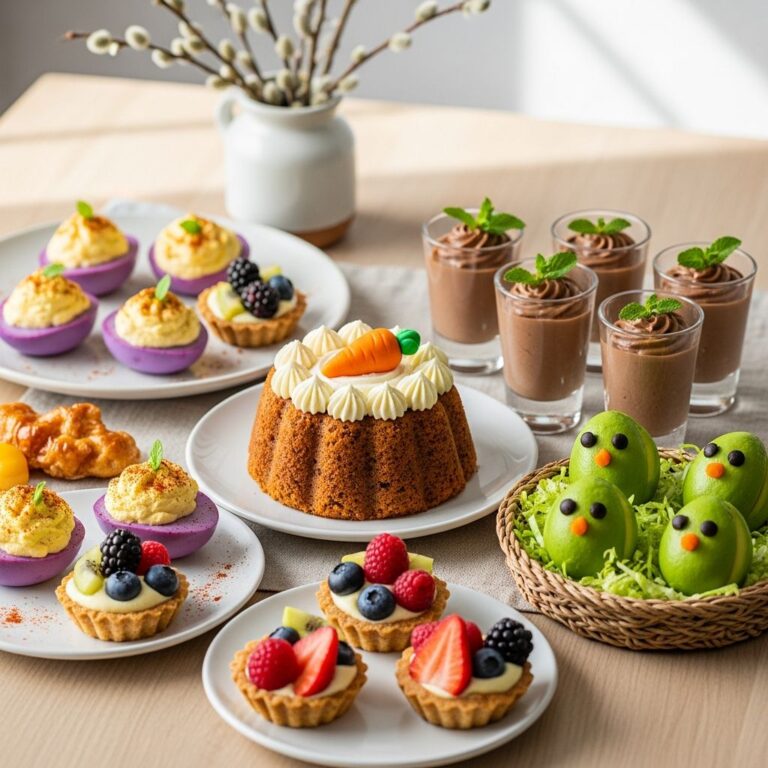
Food is central to Mawlid, symbolizing generosity. Sweets dominate, shared to evoke joy and charity. Common treats include:
- Halwa: Dense sesame or wheat sweets, nutrient-rich in healthy fats and minerals.
- Makroud: Date-stuffed semolina cookies, providing fiber and energy.
- Couscous and Tajine: Hearty Moroccan staples with vegetables, lean meats, and spices for balanced nutrition.
- Nasheed-inspired Snacks: Nuts, dried fruits during recitals.
Feasts promote sadaqah (charity), with meals for the needy reinforcing Islamic values. In Egypt, streets fill with vendors selling colorful halwa; in Morocco, families prepare lamb dishes symbolizing abundance.
Healthy Ways to Celebrate
Balance indulgence with health during Mawlid. Opt for nutrient-dense foods: use whole grains in halwa, add nuts/seeds for protein, and incorporate fruits/veggies in meals. Limit sugar by portioning sweets and pairing with yogurt or tea.
- Prepare baked instead of fried makroud to reduce oil.
- Choose lean proteins in tajine, like chicken over red meat.
- Hydrate with infused water or herbal teas amid festivities.
Physical activities like processions provide exercise; mindful eating prevents overindulgence. For families, involve children in healthy prep to teach traditions and nutrition.
Related Stories



Sample Recipes
Nutritious Sesame Halwa
Serves 8 | Prep: 10 min | Cook: 20 min
- 1 cup sesame seeds (toasted, for calcium)
- 1 cup whole wheat flour
- 1/2 cup honey or dates (natural sweetener)
- 1/4 cup ghee or coconut oil
- Cardamom, nuts for garnish
- Roast sesame and flour separately until golden.
- Melt ghee, add flour, stir 5 min.
- Mix in honey/dates, cook until thick. Garnish and cool.
Per serving: ~200 calories, high in fiber and healthy fats. A healthier twist on Egyptian halwa.
Moroccan Vegetable Couscous
Serves 6 | Prep: 15 min | Cook: 30 min
- 2 cups whole wheat couscous
- Chickpeas, carrots, zucchini (2 cups total)
- Spices: cumin, cinnamon, turmeric
- Vegetable broth (4 cups)
- Sauté veggies and spices.
- Add broth, simmer 20 min.
- Steam couscous, mix in. Top with herbs.
Balanced carbs, protein, vitamins—ideal for feasts.
Nutrition Tips for Festive Eating
Maintain wellness amid celebrations:
- Portion Control: Savor small halwa pieces; fill half plate with veggies.
- Balanced Plates: Pair sweets with proteins (nuts, yogurt).
- Active Participation: Join processions or dhikr circles for movement.
- Hydration: Drink water between sweet teas.
- Charity Focus: Donate nutritious food packages.
These tips ensure energy for prayers and gatherings without digestive issues.
Frequently Asked Questions
When is Mawlid un-Nabi celebrated?
On 12 Rabi’ al-Awwal (Sunnis) or 17 (some Shiites), varying by lunar calendar—check local moonsighting.
Is Mawlid obligatory?
Not a prophetic sunnah but a recommended cultural expression of love for the Prophet, practiced widely.
What are healthy halwa alternatives?
Use oats, nut butters, and fruit purees for lower-sugar versions retaining tradition.
How to involve kids?
Let them help mix halwa or decorate tables, teaching nutrition and heritage.
Global food variations?
From Egyptian halwa to Moroccan tajine—adapt locally with health tweaks.
Embrace Mawlid un-Nabi with reverence, community, and mindful eating for holistic joy.
References
- How to Celebrate Maulid al-Nabi Respectfully — Singapore Sedekah. 2023. https://singaporesedekah.com/pages/how-to-celebrate-mawlid-al-nabi-respectfully
- Celebrating Mawlid Al-Nabi: A Tapestry of Tradition and Community — OreAte AI Blog. 2024. https://www.oreateai.com/blog/celebrating-mawlid-alnabi-a-tapestry-of-tradition-and-community/15645349c7c2d0b6fa9434813fd72e59
- Al-Mawlid Al-Nabawi: A Global Celebration — Indiana University Muslim Voices Blog. 2024-09-15. https://blogs.iu.edu/muslimvoices/2024/09/15/al-mawlid-al-nabawi-a-global-celebration-of-the-prophet-muhammads-birth-by-dr-attia-youseif/
- Aid Mawlid Nabawi au Maroc: Traditions et Foi — Billetteries.ma. 2023. https://www.billetteries.ma/article/aid-mawlid-nabawi-au-maroc-traditions-et-foi
- Mawlid Celebrations: Historical and Contemporary — SoundVision. 2024. https://www.soundvision.com/article/mawlid-celebrations-historical-and-contemporary
- Mawlid al-Nabi: What It Means and How to Celebrate — Madinah Media. 2024. https://madinahmedia.com/blog/mawlid-al-nabi-what-it-means-and-how-to-celebrate
Similar Articles








Read full bio of Sneha Tete