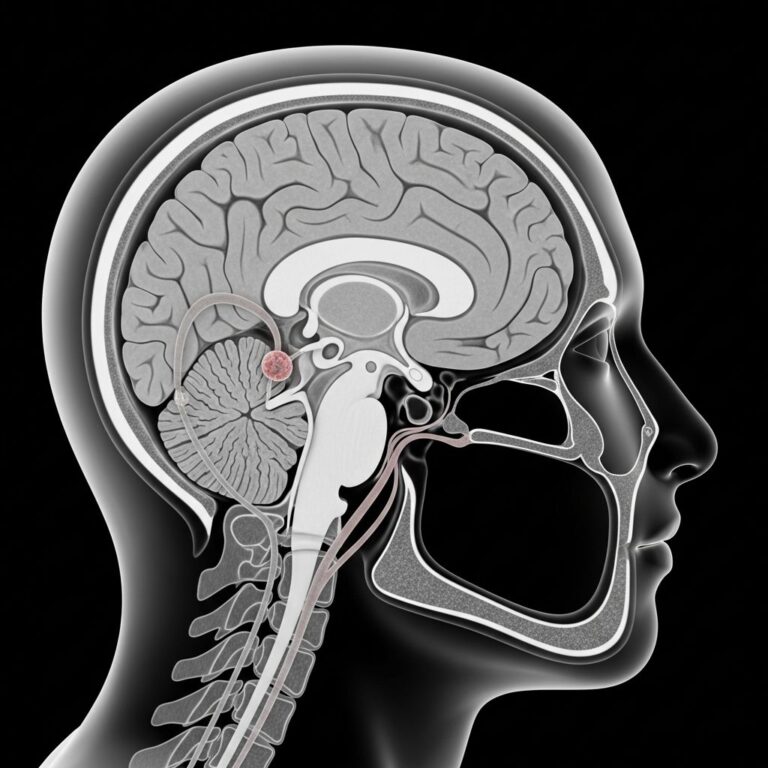
Maxillofacial Surgery: Procedures & What To Expect
Comprehensive guide to maxillofacial surgery: procedures, recovery, and expert care for jaw and facial conditions.
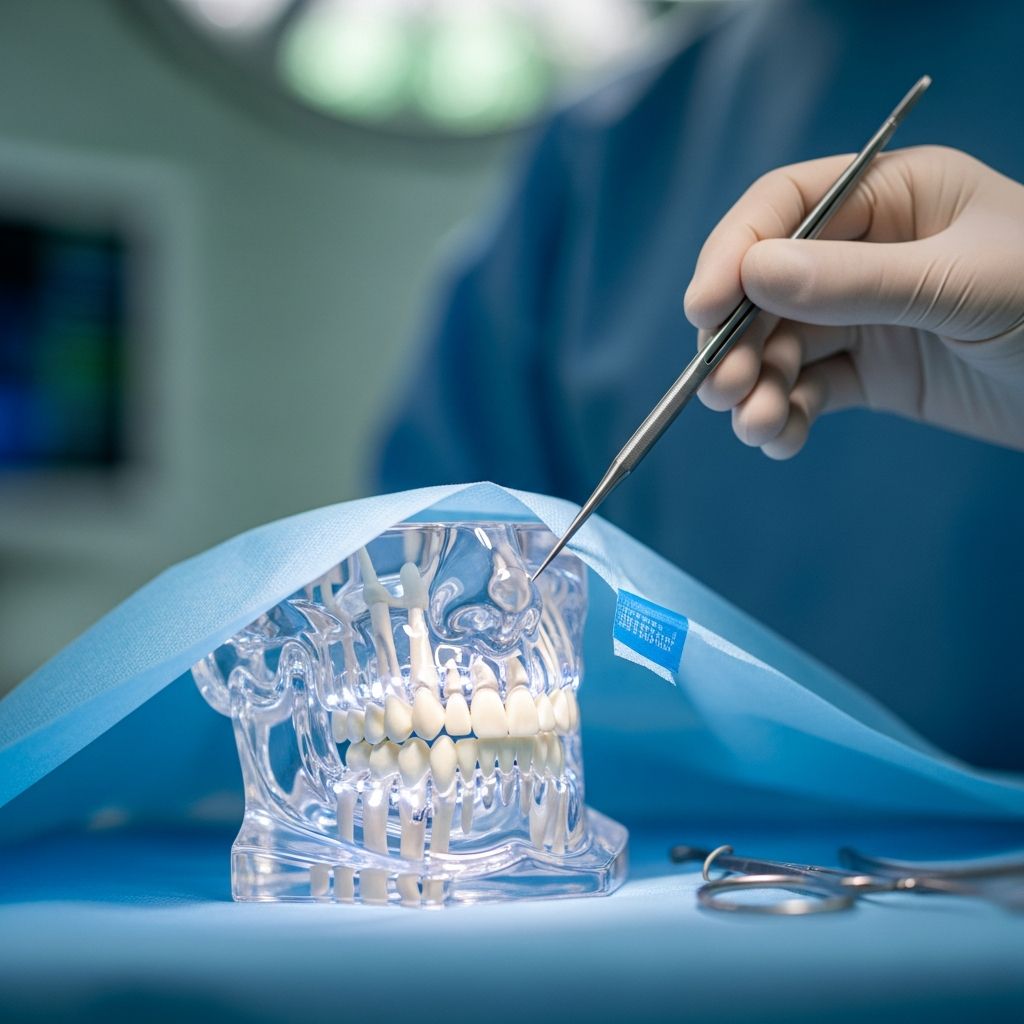
What Is Maxillofacial Surgery?
Maxillofacial surgery is a specialized surgical field that focuses on operations performed on your mouth, jaws, neck, or face. It represents a unique blend of dental expertise combined with advanced surgical techniques. This specialized type of dentistry is similar to oral surgery but extends beyond treating conditions affecting just the mouth to include comprehensive treatment of facial structures, jaw alignment, and neck conditions.
Maxillofacial surgeons are highly trained dental professionals who have completed extensive education in both dentistry and surgical techniques. They possess expertise in addressing both routine dental issues and complex surgical cases involving facial trauma, reconstruction, and cosmetic enhancement. These specialists work in hospital settings and collaborate with other medical professionals to provide comprehensive patient care.
Understanding the Difference Between Oral and Maxillofacial Surgery
While oral surgeons and maxillofacial surgeons share similar foundational education and credentials, their scope of practice differs in important ways. Both types of surgeons can extract teeth, perform bone grafts, and place dental implants. However, maxillofacial surgeons are trained to perform more complex procedures that extend beyond the oral cavity.
Maxillofacial surgeons specialize in reconstructive facial surgery, management of complex jaw deformities, treatment of facial trauma involving multiple structures, and cosmetic facial procedures. Oral surgeons typically maintain private practices and operate from outpatient surgery centers, while maxillofacial surgeons usually work within hospital environments where they have access to comprehensive surgical facilities and support staff.
Common Maxillofacial Surgery Procedures
Maxillofacial surgeons perform a wide range of procedures to address various conditions affecting the face, mouth, jaws, and neck. These procedures address both functional problems and aesthetic concerns, helping patients restore normal function and appearance.
Orthognathic Surgery (Jaw Surgery)
This procedure realigns the upper and lower jaws to correct bite problems and jaw asymmetries. Orthognathic surgery can improve chewing function, speech, and breathing while also enhancing facial appearance and treating conditions like obstructive sleep apnea.
Cleft Lip and Palate Repair
This reconstructive surgery addresses congenital conditions where the lip or roof of the mouth fails to fuse properly during fetal development. Skilled maxillofacial surgeons repair these defects to restore normal function and appearance.
Wisdom Teeth Extraction
When wisdom teeth are impacted or cause problems, maxillofacial surgeons can safely extract them using advanced techniques. This common procedure prevents future complications and maintains overall oral health.
Dental Implant Placement
Maxillofacial surgeons place dental implants to replace missing teeth. This procedure involves surgical placement of titanium posts that serve as anchors for replacement teeth, restoring both function and aesthetics.
Bone Grafting and Ridge Augmentation
These procedures build up bone structure in the jaw to support dental implants or correct defects. Surgeons use bone from various sources to reconstruct areas that have experienced bone loss.
Reconstructive Facial Surgery
Related Stories



Following trauma, cancer removal, or to address congenital deformities, maxillofacial surgeons reconstruct facial structures to restore normal appearance and function using advanced surgical techniques.
Conditions Treated by Maxillofacial Surgeons
Maxillofacial surgeons address a comprehensive range of conditions affecting the head, neck, jaw, and mouth. These specialists treat both acquired conditions and congenital deformities with expertise and compassion.
Head and Neck Cancers: From early-stage cancers to advanced tumors requiring complex surgical intervention, maxillofacial surgeons work with oncology teams to provide comprehensive cancer treatment including sentinel lymph node biopsy for early-stage oral cancers.
Facial Trauma: Whether from motor vehicle accidents, falls, or sports injuries, maxillofacial surgeons provide prompt assessment and treatment of broken facial bones and severe mouth injuries, often performing surgery within one business day when necessary.
Temporomandibular Joint (TMJ) Disorders: These specialists treat jaw joint problems using both surgical and nonsurgical approaches, including sterilized washouts (arthrocentesis) and other therapies to restore proper joint function.
Salivary Gland Conditions: Maxillofacial surgeons treat infected or swollen salivary glands, salivary gland stones, and stenosis using both traditional and minimally invasive techniques like sialendoscopy.
Facial Deformities: Surgeons correct facial asymmetry and skeletal deformities through corrective jaw surgery and other reconstructive procedures that enhance both appearance and function.
Sleep Apnea: Complex jaw surgery and orthognathic procedures can treat obstructive sleep apnea by repositioning the lower jaw to improve airway patency.
Skin Cancer: Wide excisions and other surgical techniques remove skin cancers from the face and neck while preserving function and minimizing visible scarring.
What to Expect on Surgery Day
Understanding what happens during your maxillofacial surgery procedure can help reduce anxiety and prepare you mentally for the experience. Your healthcare provider will give you specific pre-operative instructions that typically include fasting requirements and medication management.
When you arrive at the surgical facility, medical staff will review your medical history and verify your consent for the procedure. An anesthesiologist will discuss anesthesia options and monitor your safety throughout the operation. Depending on the complexity of your procedure, you may receive local anesthesia with sedation or general anesthesia.
During the procedure, your surgical team will perform the necessary operations to address your specific condition. The length of surgery varies considerably depending on the complexity of your case and the specific procedures required.
Recovery and Aftercare
After completing your maxillofacial surgery, you will be moved to a recovery room where medical staff will monitor you as the anesthesia wears off. You may experience some discomfort during this period, and your healthcare provider will prescribe appropriate pain medication to manage any discomfort.
Normal Side Effects
Most patients experience some common side effects following maxillofacial surgery. These typically include swelling around the surgical site that may peak within the first few days before gradually improving. Mild bleeding or oozing from the incision site is normal, and you may notice discoloration around your eyes or in other facial areas.
Difficulty opening your mouth completely may occur temporarily, along with numbness or altered sensation in areas around the surgical site. These symptoms typically resolve as healing progresses, though some sensations may take several weeks to fully normalize.
Post-Operative Care Instructions
Following your surgeon’s post-operative instructions is crucial for optimal healing. Generally, you should avoid strenuous activities, heavy lifting, and intense exercise for the period recommended by your surgeon. Do not smoke or use tobacco products, as these substances can impair healing and increase complication risk.
Avoid consuming hard, crunchy, sticky, or spicy foods that may irritate your surgical site or disrupt healing. Stick to soft foods and gradually return to your normal diet as your surgeon permits. Do not drink alcohol, particularly while taking prescription pain medications, as this combination can be dangerous.
Avoid touching or pulling on your incision, and do not rinse your mouth vigorously or use a straw, as these actions can disrupt the healing process. Keep the surgical area clean as directed by your surgeon, and attend all follow-up appointments to ensure proper healing and early detection of any complications.
Dissolving Stitches and Follow-Up Visits
Your surgical stitches will typically dissolve naturally within about one week, or your surgeon will remove them during your first follow-up visit. Your healthcare provider will assess your healing progress and provide guidance on gradually returning to normal activities as appropriate.
Recovery Timeline and Duration
Recovery following maxillofacial surgery varies significantly depending on the type and complexity of your procedure. Some patients experience relatively quick recovery from minor procedures, while complex reconstructive surgeries may require several weeks or months for complete healing.
Your healthcare provider will give you specific recovery expectations for your particular procedure. In general, most patients can return to light activities within one to two weeks, though full recovery may take several weeks to several months depending on the extent of surgery. Swelling typically peaks during the first few days and gradually improves over subsequent weeks.
Complete healing of bone and soft tissues requires time, and you should follow your surgeon’s guidance regarding activity restrictions and follow-up care. Many patients return to work within one to two weeks if their job does not involve physical labor, though this timeline varies based on individual circumstances and procedure complexity.
Benefits of Maxillofacial Surgery
Maxillofacial surgery offers numerous important benefits for patients with conditions affecting their mouth, jaws, face, and neck. These procedures can dramatically improve quality of life by restoring function, alleviating pain, and enhancing appearance.
Functional Improvement: Surgery restores normal chewing, swallowing, and speech functions that may be compromised by disease, injury, or deformity.
Pain Relief: Many procedures eliminate chronic pain associated with jaw disorders, misalignment, or other structural problems.
Improved Appearance: Reconstructive and corrective procedures enhance facial aesthetics and restore confidence.
Better Breathing: Surgical correction of airway obstruction improves sleep quality and oxygen levels.
Cancer Treatment: Comprehensive surgical management of head and neck cancers can be life-saving when combined with other oncologic therapies.
Prevention of Future Problems: Early surgical intervention can prevent progression of certain conditions and avoid more extensive procedures later.
Possible Complications
While maxillofacial surgery is generally safe when performed by trained specialists, all surgical procedures carry some risk of complications. Your healthcare provider will check for these complications during follow-up visits and discuss any warning signs to monitor.
Possible complications may include infection at the surgical site, excessive bleeding, nerve damage causing prolonged numbness or weakness, improper healing or nonunion of bone, jaw stiffness limiting mouth opening, and allergic reactions to anesthesia or medications. More serious but uncommon complications may include airway obstruction or damage to adjacent structures.
Your surgeon will discuss specific risks relevant to your particular procedure and how they will be managed. Most complications can be effectively treated when identified early, which is why attending all follow-up appointments is essential.
Preparing for Your Consultation
If your dentist has recommended maxillofacial surgery, your first step involves scheduling a consultation with a maxillofacial surgeon. During this evaluation, the surgeon will assess your specific condition, discuss treatment options, and answer your questions about the procedure and recovery.
Bring any relevant medical records, imaging studies, and a complete list of current medications and supplements. Be prepared to discuss your medical history, including any previous surgeries and any complications you have experienced. Ask specific questions about what to expect, recovery timeline, and any concerns you may have about the procedure.
Addressing Dental Anxiety About Surgery
Many people experience anxiety about surgical procedures, and this concern may be intensified when surgery involves the face or mouth. This anxiety is understandable but should not prevent you from receiving necessary treatment.
Modern maxillofacial surgeons use advanced techniques that help minimize discomfort and accelerate healing. Discuss your concerns openly with your healthcare provider, as they can help you understand your options and address specific fears. Many patients find that knowing what to expect reduces anxiety significantly.
Your surgical team will work with you to ensure your comfort throughout the procedure and recovery. Sedation and anesthesia options allow you to remain comfortable and pain-free during surgery. Remember that postponing necessary surgery may allow your condition to worsen, potentially requiring more extensive procedures in the future.
Advanced Techniques and Specialized Services
Leading maxillofacial surgery centers offer specialized services and advanced techniques not widely available everywhere. Sentinel lymph node biopsy represents a leading-edge diagnostic test for early-stage oral cancer that may allow patients to avoid major surgery.
Minimally invasive sialendoscopy permits treatment of salivary gland conditions with reduced tissue trauma and faster recovery compared to traditional surgical approaches. Comprehensive trauma care with rapid surgical response ensures optimal outcomes for facial injuries. Latest cancer treatment protocols combined with reconstructive expertise restore natural appearance and optimal function following tumor removal.
Frequently Asked Questions
Q: How long does maxillofacial surgery take?
A: The duration varies considerably depending on the complexity of your procedure. Simple extractions may take 15-30 minutes, while complex reconstructive surgeries may require several hours. Your surgeon will provide specific timing estimates for your procedure.
Q: Will I be asleep during the surgery?
A: This depends on the procedure and your preference. You may receive local anesthesia with sedation or general anesthesia. Your anesthesiologist will discuss options and recommendations during your pre-operative consultation.
Q: When can I return to work after maxillofacial surgery?
A: This depends on the type of surgery and your job requirements. Many patients return to desk work within one to two weeks, while those with physically demanding jobs may need more time. Your surgeon will provide specific guidance based on your procedure.
Q: How much pain should I expect after surgery?
A: Most patients experience manageable discomfort rather than severe pain, which responds well to prescribed pain medications. Swelling typically causes more discomfort than the incision itself. Pain should progressively improve over the first week.
Q: Are there risks associated with maxillofacial surgery?
A: Like all surgical procedures, maxillofacial surgery carries some risks including infection, bleeding, nerve damage, and improper healing. Your surgeon will discuss specific risks relevant to your procedure and how they will be minimized and managed.
Q: Can I eat normally after maxillofacial surgery?
A: Initially, you’ll need to follow a soft diet and gradually return to normal foods as your surgeon permits. Most patients resume normal eating within several weeks, though this timeline varies based on the type of surgery performed.
Q: What should I do if I experience complications after surgery?
A: Contact your surgeon immediately if you experience excessive bleeding, severe pain not controlled by medication, signs of infection, difficulty breathing, or any other concerning symptoms. Your surgeon will provide specific instructions for managing complications.
References
- Maxillofacial Surgery: Procedures & What To Expect — Cleveland Clinic. 2024-10-01. https://my.clevelandclinic.org/health/procedures/maxillofacial-surgery
- Jaw Surgery (Orthognathic): Types, Procedure & Recovery — Cleveland Clinic. https://my.clevelandclinic.org/health/procedures/jaw-surgery
- Oral Surgery: Uses, Procedures & Recovery — Cleveland Clinic. https://my.clevelandclinic.org/health/procedures/oral-surgery
- Maxillofacial Surgery — Cleveland Clinic London — Cleveland Clinic. https://clevelandcliniclondon.uk/clinical-institutes/digestive-disease-surgery/maxillofacial-surgery
- Mandibulectomy: Definition, Procedure & Types — Cleveland Clinic. https://my.clevelandclinic.org/health/treatments/23455-mandibulectomy
Similar Articles








Read full bio of medha deb