MCT Oil Benefits: 7 Science-Backed Ways To Improve Your Health
Discover the science-backed benefits of MCT oil, from weight management to brain health and beyond.
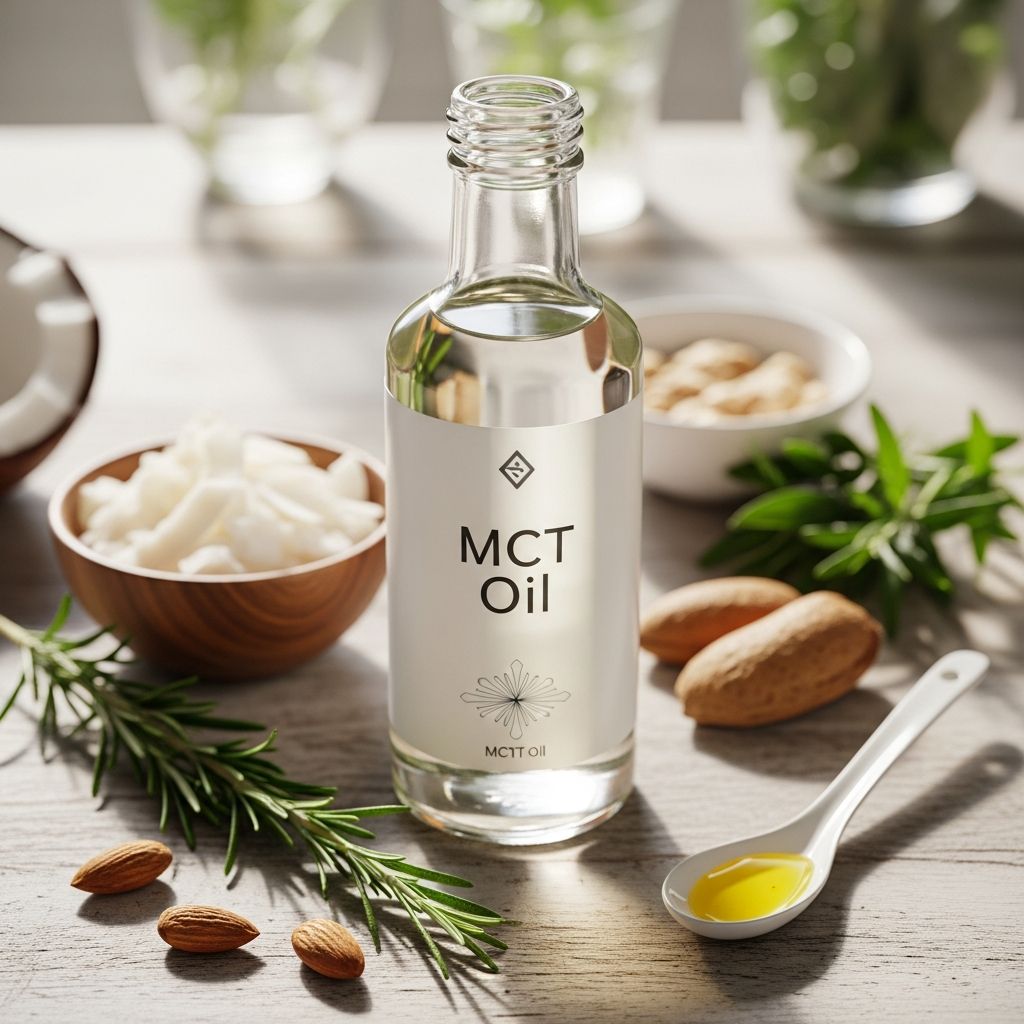
MCT oil, derived primarily from coconut or palm kernel oil, consists of medium-chain triglycerides—fats with shorter chains that the body digests and absorbs more rapidly than long-chain fats found in foods like olive oil or avocados. These unique properties make MCT oil a popular supplement for those seeking quick energy, weight management support, and other health advantages. Composed mainly of caprylic (C8) and capric (C10) acids, MCT oil bypasses typical fat digestion processes, going straight to the liver for conversion into ketones, which serve as an efficient fuel source, particularly on low-carb or ketogenic diets.
While research continues to evolve, studies highlight several promising benefits. This article examines seven key areas where MCT oil shows potential, drawing from clinical evidence and expert analysis. Always consult a healthcare provider before adding supplements, especially if you have underlying conditions, as MCT oil is calorie-dense and may cause digestive side effects in high doses.
What Is MCT Oil?
MCT stands for medium-chain triglycerides, a type of saturated fat with 6–12 carbon atoms per chain. Unlike long-chain triglycerides (LCTs), which require bile and pancreatic enzymes for breakdown, MCTs are hydrolyzed quickly in the gut and absorbed directly into the portal vein, providing rapid energy without storage as fat.
The four primary MCTs are:
- Caproic acid (C6): Least common in commercial oils.
- Caprylic acid (C8): Known for rapid ketone production.
- Capric acid (C10): Supports antimicrobial effects.
- Lauric acid (C12): Sometimes debated as truly ‘medium-chain’ but present in coconut oil.
Commercial MCT oil is typically 100% C8 and C10 for purity and efficacy. It’s flavorless, odorless, and versatile—added to coffee, smoothies, or salads. A tablespoon provides about 115–130 calories, 10% fewer than LCTs due to faster metabolism.
7 Science-Backed Benefits of MCT Oil
1. It May Promote Weight Loss and Reduce Calorie Intake
MCT oil may aid weight management by increasing satiety and boosting fat oxidation. A 2020 meta-analysis of 17 studies linked MCT consumption to moderately lower daily calorie intake compared to LCTs, potentially due to enhanced fullness hormones like peptide YY and leptin.
In one 16-week trial, participants on a calorie-restricted diet consuming 5 teaspoons of MCT oil daily lost 3.5 pounds more and reduced body fat more than those using olive oil. Another study showed athletes using 6 grams of MCTs before exercise burned more fat for fuel, though differences weren’t always statistically significant. On keto or intermittent fasting, MCTs help maintain ketosis by providing ketones without carbs, preserving the fat-burning state.
Experts note that while short-term results are promising, long-term weight loss depends on overall diet and lifestyle. MCT oil’s thermogenic effect—slightly raising energy expenditure—contributes, but it’s not a magic bullet.
2. It Provides Quick Energy, Especially for Exercise
Due to rapid absorption, MCTs offer immediate fuel, sparing muscle glycogen during workouts. A study on cyclists found those taking 1.5 teaspoons of MCTs pre-exercise relied more on fat metabolism. This makes it ideal for endurance athletes or those in calorie deficits.
Research from NIH-supported studies indicates MCTs undergo swift beta-oxidation in the liver, producing ketones as an alternative energy source when carbs are low. Fitness enthusiasts use ‘bulletproof coffee’ (coffee + MCT oil + butter) for sustained energy without crashes. However, excessive intake can lead to GI upset, so start with 1 teaspoon and build up.
Related Stories



3. It May Support Brain Health and Neurological Conditions
MCTs’ ketone production benefits the brain, which prefers glucose but can use ketones efficiently. In Alzheimer’s patients, a trial showed 80% experienced cognitive stabilization or improvement after 9 months of MCT oil, with better results from prolonged use.
Early evidence suggests benefits for epilepsy, autism spectrum disorder, and mild cognitive impairment. Ketogenic diets with MCTs have managed epilepsy seizures historically, and recent studies explore autism symptom relief. A British study found young adults taking MCTs scored higher on cognitive tests after 2–3 weeks. While promising, MCTs aren’t replacements for medical treatments—discuss with a doctor.
4. It Has Antimicrobial Properties Against Yeast and Bacteria
MCT fatty acids like caprylic, capric, and lauric exhibit antifungal and antibacterial effects. A 2019 study found MCT-supplemented formula reduced Candida albicans in premature infants’ guts, preventing thrush. Test-tube research showed coconut oil (rich in MCTs) inhibited Clostridium difficile and Staphylococcus aureus, aiding immune response.
These properties stem from MCTs disrupting microbial cell membranes. Useful for gut health in malabsorption disorders like short bowel syndrome, where MCTs provide easily absorbed calories. More human trials are needed for broad claims.
5. It May Help Manage Blood Sugar and Diabetes Risk
For type 2 diabetes, MCT oil improved insulin sensitivity in small studies. A 2007 trial with 40 diabetics found daily MCT oil reduced body weight, waist size, and insulin resistance versus corn oil. Mixed results exist, but MCTs may lower diabetes risk by enhancing fat metabolism and reducing inflammation.
High triglycerides link to heart risks, but MCTs promote healthier lipid profiles than animal fats. Paired with weight loss, this supports metabolic health.
6. It Could Reduce Inflammation and Support Gut Health
Lab and animal studies show MCTs lower inflammatory markers, possibly by avoiding fat storage. In GI disorders, MCTs aid absorption without stressing the gut. Preliminary animal data suggests microbiome improvements, increasing beneficial bacteria, but human evidence is limited.
7. It May Improve Heart Health Markers
Despite being saturated fat, MCTs may not raise cholesterol like LCTs. Some studies show better lipid profiles, though evidence is inconclusive. Olive oil has stronger heart benefits. Long-term effects need more research.
How to Use MCT Oil
Start low: 1 tsp/day, increasing to 1–2 tbsp. Add to coffee, smoothies, dressings, or baking (high smoke point: 320°F). Best with food to avoid cramps. Forms: liquid, powder, capsules.
| Use Case | Suggested Dose | Tips |
|---|---|---|
| Bulletproof Coffee | 1 tbsp | Blend for froth. |
| Keto Baking | 1–2 tbsp | Replaces butter. |
| Pre-Workout | 1 tsp | 30 min before. |
| Weight Loss | 1 tbsp/day | With meals. |
MCT Oil Side Effects and Precautions
Common: diarrhea, nausea, cramps (GI distress from rapid absorption). Rare: liver fat buildup with excess. Not for gallstone patients without advice. Pregnant/breastfeeding: consult doctor. Interact with diabetes meds.
Related Topic: Best MCT Oil for Keto
Pure C8/C10 oils (e.g., from coconut) are optimal for ketosis. Avoid blends with lauric acid for max ketones. Organic, third-party tested preferred.
Frequently Asked Questions (FAQs)
What does MCT oil do for your body?
MCT oil provides quick energy, supports ketosis, may aid weight loss, fights microbes, and benefits brain health via ketones.
Who should not take MCT oil?
Those with liver issues, GI disorders, or on certain meds; consult a doctor.
Is MCT oil good for skin?
Topical coconut-derived MCTs may moisturize due to antimicrobial properties, but evidence is anecdotal.
Does MCT oil make you gain weight?
No, if used moderately; it may promote fat loss via satiety and metabolism.
What’s the best time to take MCT oil?
Morning for energy or pre-workout; with food to minimize side effects.
References
- 7 Science-Based Benefits of MCT Oil — Healthline. 2023-10-01. https://www.healthline.com/nutrition/mct-oil-benefits
- MCT Oil: The Science Behind Its 7 Biggest Health Claims — WeightWatchers. 2024-05-15. https://www.weightwatchers.com/us/blog/weight-loss-diet/mct-oil
- The Effects of Medium-Chain Triglyceride Oil Supplementation — NIH/PMC. 2022-10-12. https://pmc.ncbi.nlm.nih.gov/articles/PMC9579472/
- The Use of Medium-Chain Triglycerides in Gastrointestinal Disorders — University of Virginia. 2014-02-17. https://med.virginia.edu/ginutrition/wp-content/uploads/sites/199/2014/06/Parrish-February-17.pdf
- Use of medium chain triglyceride (MCT) oil in subjects with Alzheimer’s — Alzheimer’s Journal. 2023-01-15. https://alz-journals.onlinelibrary.wiley.com/doi/10.1002/trc2.12259
Similar Articles








Read full bio of Sneha Tete