Meal Plan Tips for Eating Disorder Recovery
Practical meal planning strategies to support recovery from eating disorders and rebuild a healthy relationship with food.
Recovering from an eating disorder like anorexia nervosa involves rebuilding a healthy relationship with food, which can feel daunting. Structured meal planning provides the support needed to restore nutrition, stabilize weight, and reduce anxiety around eating.
This guide draws from expert insights and practical strategies to help you navigate recovery. It covers avoiding unhelpful resources, focusing on quality nutrition, structuring meals, and incorporating comforting foods, ensuring a balanced approach tailored to individual needs.
Avoid Regular Healthy Eating Sites
Standard healthy eating websites often emphasize low-fat or low-sugar diets, which contradict recovery needs. These sites promote restriction that can hinder weight restoration and energy balance crucial for healing.
Francesca Baker, author of Eating and Living: Recipes for Recovery, advises steering clear of such resources. Recovery requires adequate fats and sugars to replenish depleted stores and support brain function. Instead, seek guidance from registered dietitians specializing in eating disorders who prioritize nutrient-dense, balanced intake.
High-fat foods like avocados and nuts, often demonized on mainstream sites, are vital. They provide sustained energy without overwhelming portions, making them ideal for early recovery stages.
Let Someone Else Make It for You
Preparing meals can trigger anxiety and disordered thoughts during recovery. Delegating cooking to a trusted family member, friend, or caregiver reduces decision-making stress and ensures consistent nutrition.
In treatment settings, dietitians collaborate with medical teams to monitor intake and adjust plans, minimizing physical discomfort like bloating as the body readapts. This support mirrors family-based therapy, a first-line treatment for youth with anorexia, where parents oversee refeeding.
Mechanical eating—following a preset schedule—further eases the process by prioritizing the meal plan over eating disorder urges.
Think Quality over Quantity
Early in recovery, large portions may feel overwhelming. Prioritize nutrient-dense foods in smaller, manageable amounts to nourish the body without deprivation.
Include a variety of food groups: proteins for tissue repair, fats for hormone production, carbohydrates for energy, and fruits/vegetables for vitamins. This approach supports weight restoration while rebuilding metabolic function.
Meal plans developed by registered dietitians ensure completeness, unlike restrictive fad diets. They are additive, incorporating flexibility and all food types to foster long-term healthy patterns.
Choose Meals that Bring Back Positive Food Memories
Foods linked to comforting childhood memories can rewire negative associations. Selecting familiar, enjoyable dishes creates positive emotional ties, easing the recovery journey.
Start with simple favorites like homemade pasta or warm soups. These evoke safety and nostalgia, gradually expanding to challenge feared foods. Research supports including fear foods early to normalize eating, reduce anxiety, and improve brain reward responses.
Personalization is key; work with a therapist to identify triggers and build a repertoire of joyful meals.
Structure Your Eating
Regularity combats irregular hunger cues distorted by restriction. Schedule three meals and 2-3 snacks daily, adhering to times even without hunger to retrain the body.
Related Stories



The Rule of 3’s method exemplifies this: three meals, three food groups per meal (two per snack), no more than three hours between eating occasions. This prevents malnutrition risks like refeeding syndrome.
| Meal/Snack | Timing Example | Food Groups |
|---|---|---|
| Breakfast | 8 AM | Grain, Protein, Dairy |
| Morning Snack | 10:30 AM | Fruit, Fat |
| Lunch | 1 PM | Protein, Veggie, Carb |
| Afternoon Snack | 4 PM | Nuts, Dairy |
| Dinner | 7 PM | Protein, Grain, Veggie |
| Evening Snack | 9 PM | Carb, Fat |
This table illustrates a sample structure using the Plate-by-Plate or Rule of 3’s approaches, adaptable for adults or children.
Plan Your Meals Ahead
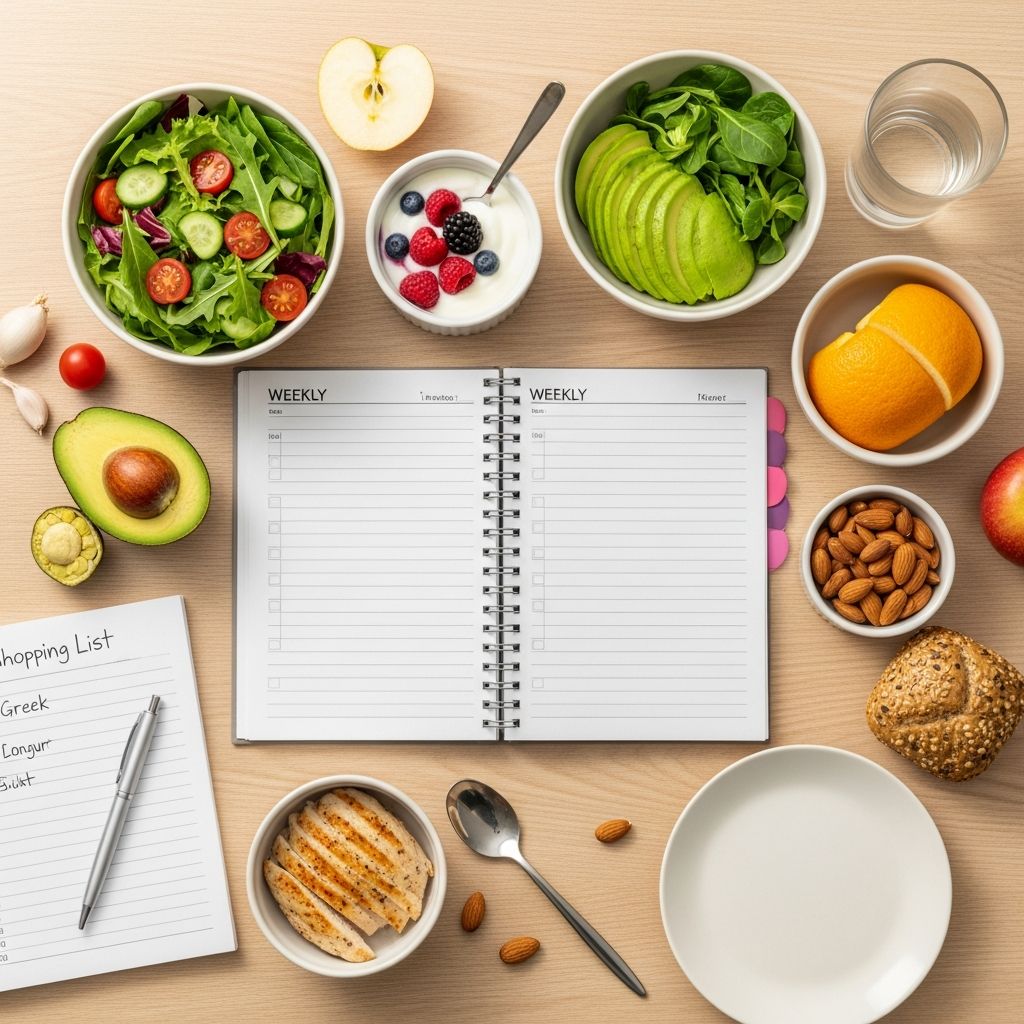
Weekly planning eliminates daily stress. List meals incorporating variety, shop once, and prep where possible. This ensures balance and reduces supermarket overwhelm.
In treatment, patients select from exchange lists weekly, based on ADA standards, allowing swaps while meeting calorie-free needs. Plans evolve with progress, starting gradual increases for restrictors.
- Review the week’s needs with your dietitian.
- Choose 7 options per meal type.
- Balance macros: 50% carbs, 25% protein, 25% fats approximately.
- Include one fear food daily to desensitize.
Recovery Food Ideas
Stock nutrient-packed staples for easy assembly. These provide complete nutrition in small portions, ideal for rebuilding strength.
Avocados
Rich in B vitamins for energy metabolism, healthy fats, and fiber. Mash on toast or add to salads for creaminess without bulk.
Eggs
Complete proteins with all essential amino acids. Boil, scramble, or poach for versatile, quick meals supporting muscle and organ repair.
Nuts and Seeds
Portable snacks high in vitamin E for skin, hair, and nail health. Almonds, chia seeds offer sustained energy and satiety.
Other ideas: full-fat yogurt (probiotics for gut health), oats (complex carbs), salmon (omega-3s for mood), sweet potatoes (vitamins A/C).
See Food in a Different Light
Reframe food as medicine for recovery, not the enemy. Balanced intake heals physical damage—refeeds the brain, restores hormones, mends bones.
The Plate-by-Plate model visualizes plates: half grains/veggies, quarter protein, fats/dairy on side. Exchange systems promote variety, reducing fixation on specifics.
Long-term, transition to intuitive eating under guidance, tuning into cues without disorder interference. Minimal exclusions ensure comprehensive healing.
Frequently Asked Questions (FAQs)
What is mechanical eating in recovery?
Mechanical eating involves scheduled meals by the clock, often with a plan, to override disordered thoughts and meet needs consistently.
How many meals daily in recovery?
Typically 3 meals and 2-3 snacks, spaced no more than 3 hours apart, per Rule of 3’s.
Are fear foods included early?
Yes, gradually to reduce anxiety and normalize brain responses.
Who creates the meal plan?
A registered dietitian tailors it to individual needs, unlike generic diets.
Can parents use these for kids?
Yes, Plate-by-Plate empowers parents in family-based therapy.
References
- Meal plan tips for eating disorder and anorexia recovery — Patient.info. 2023. https://patient.info/features/mental-health/meal-plan-tips-for-eating-disorder-recovery
- When, Why, & How to Use Meal Plans in Eating Disorder Recovery — The Emily Program. 2023-10-10. https://emilyprogram.com/blog/when-why-and-how-to-use-meal-plans-in-eating-disorder-recovery/
- Meal Planning & Food Choices — Eating Recovery Center. 2024. https://www.eatingrecoverycenter.com/patients
- Mechanical Eating in Eating Disorder Recovery: What to Know — Equip Health. 2024. https://equip.health/articles/food-and-fitness/mechanical-eating-eating-disorder-recovery
- Meal plan inclusions and exclusions in the inpatient, outpatient and day program treatment of eating disorders — PMC (NCBI). 2024. https://pmc.ncbi.nlm.nih.gov/articles/PMC12512758/
- Eating Disorders in Primary Care: Diagnosis and Management — American Academy of Family Physicians (AAFP). 2021-01-01. https://www.aafp.org/pubs/afp/issues/2021/0101/p22.html
Similar Articles








Read full bio of medha deb