Meal Replacement Plans for Type 2 Diabetes Remission
Discover how short-term meal replacement plans using soups, shakes, and bars can help achieve type 2 diabetes remission through rapid weight loss.
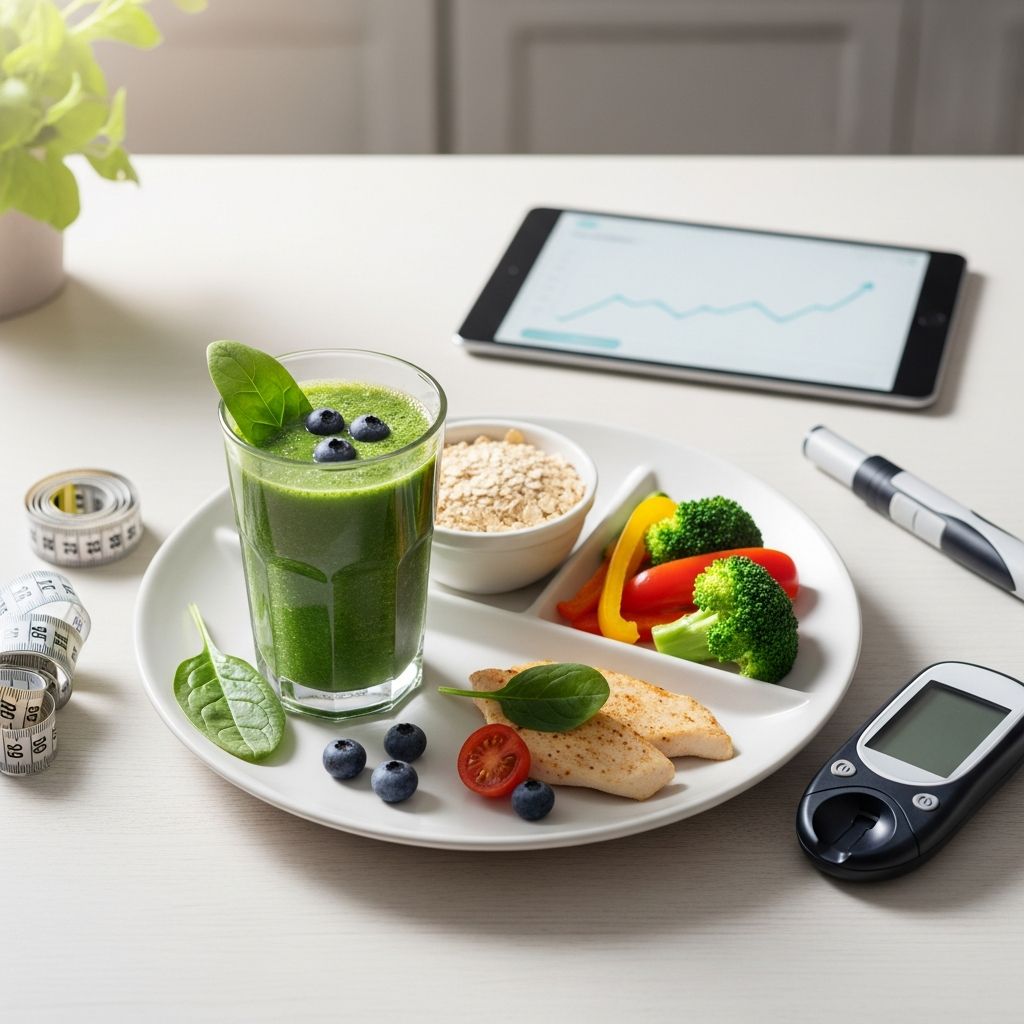
Meal replacement plans are structured, short-term weight loss strategies designed to replace all or some daily meals with specially formulated products like soups, shakes, and bars. These plans aim to induce rapid weight loss, which research shows can lead to type 2 diabetes remission in many individuals, particularly when combined with medical supervision and lifestyle support.
What are meal replacement plans used for?
Meal replacement plans primarily support significant, short-term weight reduction by limiting calorie intake while ensuring nutritional completeness. Available from supermarkets, health stores, online retailers, or NHS services in eligible cases, these products come in ready-to-drink or powder forms. They are particularly effective for people with type 2 diabetes and obesity, as substantial weight loss—often 10-16kg—can reverse elevated blood glucose levels, reducing or eliminating the need for medications.
By replacing processed or high-calorie foods, these plans kickstart metabolic improvements, motivating sustained healthy eating habits. Unlike ad-hoc dieting, they provide balanced nutrients, making them a controlled approach backed by clinical evidence.
Types of meal replacement plans
There are two primary categories: total diet replacement (TDR) programmes and partial meal replacement plans, each tailored to different needs and durations.
Total diet replacement programmes (TDR)
In a TDR, all daily food intake is substituted with nutritionally complete soups, shakes, and bars, often called a ‘soups and shakes’ diet. These products deliver 800-1200 calories daily, qualifying as low-calorie diets (under 800 calories is very low-calorie). They must supply 100% of required vitamins, minerals, 10-30g fibre, no more than 125g protein, and essential fats under 30% of total calories.
TDRs last up to 12 weeks for most, with brands like Optifast and Counterweight meeting UK standards. NHS remission programmes in the UK incorporate 12 weeks of 800-900 calorie TDRs, followed by structured food reintroduction.
- Daily structure: One shake or soup per meal (e.g., shake morning, soup lunch, shake afternoon, soup evening).
- Benefits: Rapid weight loss (average 16kg in completers), high remission rates (32-61% in trials).
- Supervision: Essential for medication adjustments and side effect management.
Partial meal replacement plans
Partial plans blend products with regular food, typically replacing breakfast and lunch with shakes, soups, porridge, bars, or snacks, while enjoying a balanced evening meal. This hybrid approach eases transition and sustains motivation.
Each replacement product must provide 200-400 calories, at least 30% daily vitamins/minerals, 500mg potassium, 25-50% protein, and no more than 30% fat. Ideal for those not ready for full TDR or transitioning post-TDR.
Do total diet replacement plans work for type 2 diabetes remission?
Yes, substantial evidence confirms TDRs as a cornerstone of effective remission programmes. The Diabetes Remission Clinical Trial (DiRECT) demonstrated 46-61% remission rates in recently diagnosed participants using low-calorie TDRs, with NHS rollout data showing 32% remission and 16kg average loss among completers.
These plans induce quick weight loss, reducing liver fat and improving insulin sensitivity, key to remission. However, success requires medical oversight for safety, medication changes, side effects (e.g., fatigue, constipation), and long-term maintenance. Participant testimonials highlight structured support as vital: “My routine was a shake in the morning, soup at lunchtime… We were gradually weaned back onto real food”.
Related Stories



| Aspect | Total Diet Replacement | Partial Meal Replacement |
|---|---|---|
| Calorie Range | 800-1200/day | 200-400/meal replacement |
| Duration | Up to 12 weeks | Flexible, often transitional |
| Remission Evidence | High (32-61% in trials) | Supportive, less studied |
| Supervision Needed | Essential (NHS often provides) | Recommended |
Who can do a meal replacement plan?
Not everyone qualifies; eligibility depends on BMI (typically over 27kg/m² with type 2 diabetes), recent diagnosis (under 6 years), and no contraindications like eating disorders, pregnancy, or certain medications. Consult a GP or diabetes team to assess safety based on medical history.
- Ideal candidates: Overweight/obese with type 2 diabetes seeking remission.
- Exclusions: Underweight, history of disordered eating, severe illnesses.
- NHS access: Via Path to Remission Programme in participating UK areas.
Who should supervise a meal replacement plan?
Healthcare professionals are crucial: GPs adjust medications (e.g., reduce diabetes drugs to prevent hypoglycemia), dietitians ensure nutritional balance, and nurses monitor progress. They guide activity levels, manage side effects, and plan weight maintenance.
In NHS programmes, multidisciplinary teams provide weekly check-ins, behavioural coaching, and personalized refeeding plans. Self-managed plans require GP approval and regular monitoring.
How to choose meal replacement products
Total diet replacement products
Select products certified as nutritionally complete:
- 800-1200 calories/day total.
- ≥100% daily vitamins/minerals.
- 10-30g fibre, ≤125g protein, ≤30% fat.
- Examples: Optifast, Counterweight.
Partial meal replacement products
Per meal replacements should meet:
- 200-400 calories.
- ≥30% daily vitamins/minerals, ≥500mg potassium.
- 25-50% protein, ≤30% fat.
Verify labels for compliance; avoid unverified homemade versions for TDR.
Frequently Asked Questions (FAQs)
Q: How long do meal replacement plans last?
A: Total diet replacements typically run 12 weeks, followed by 6 weeks of food reintroduction to 1200 calories/day. Partial plans are more flexible.
Q: Can I buy meal replacements without a doctor?
A: Yes, from shops, but consult your healthcare team first, especially for type 2 diabetes, to ensure safety and medication adjustments.
Q: What side effects might occur?
A: Common issues include hunger, fatigue, constipation, or bad breath. Medical supervision helps manage these.
Q: Is remission permanent?
A: Many maintain it with lifestyle changes post-plan, but weight regain can reverse it. Ongoing support is key.
Q: Are these plans available on the NHS?
A: Yes, through the Type 2 Diabetes Path to Remission Programme in select UK areas, offering free products and coaching.
Next steps in a remission programme
Post-TDR (Step 1: 12 weeks soups/shakes), Step 2 reintroduces 1200-calorie healthy meals over 6 weeks with team guidance on balanced eating and activity. Step 3 focuses on long-term weight maintenance via structured support, preventing regain.
Alternatives like low-calorie food-based diets, intermittent fasting, or Mediterranean diets also aid remission but may be slower.
References
- Meal replacement plans for type 2 diabetes remission — Diabetes UK. 2023. https://www.diabetes.org.uk/about-diabetes/type-2-diabetes/remission/meal-replacement-plans-for-remission
- The remission weight loss programme — Diabetes UK. 2023. https://www.diabetes.org.uk/about-diabetes/type-2-diabetes/remission/the-remission-weight-loss-programme
- NHS Type 2 Diabetes Path to Remission Programme — NHS England. 2024-01-15. https://www.england.nhs.uk/diabetes/treatment-care/diabetes-remission/
- Low-calorie diets for type 2 diabetes remission — Diabetes UK. 2023. https://www.diabetes.org.uk/about-diabetes/type-2-diabetes/remission/low-calorie-diets-for-remission
- Diets for type 2 diabetes remission — Diabetes UK. 2023. https://www.diabetes.org.uk/about-diabetes/type-2-diabetes/remission/diets-for-type-2-diabetes-remission
- Low-calorie diets best to lose weight with type 2 diabetes — Diabetes UK. 2023. https://www.diabetes.org.uk/about-us/news-and-views/low-calorie-diets-best-lose-weight-type-2-diabetes
- NHS ‘soups and shakes’ diet study shows one third of people with… — Diabetes UK. 2023. https://www.diabetes.org.uk/about-us/news-and-views/nhs-soup-and-shake-diet-to-help-people-with-type-2-into-remission
Similar Articles








Read full bio of medha deb