MMR Vaccine: 2 Doses For Measles, Mumps, Rubella Protection
Essential guide to the MMR vaccine: protecting against measles, mumps, and rubella with MMRVaxPRO and Priorix for children and adults.
About MMR Vaccine
The measles, mumps and rubella (MMR) vaccine is a
combined vaccine
. It protects children (and adults) against three viral infections:measles
,mumps
andrubella
(sometimes called German measles or three-day measles).What are measles, mumps and rubella?
These are three different viral infections which:
- Can cause fever, cough, rashes and feeling unwell.
- Can lead to serious complications such as meningitis, hearing loss and encephalitis (inflammation of the brain).
- Are highly contagious.
Measles, mumps and rubella used to be very common infections before the MMR vaccine was introduced. There are now far fewer cases of these infections because most children are vaccinated against them.
About the MMR vaccine
The MMR vaccine is made from live but weakened (attenuated) forms of the measles, mumps and rubella viruses. These do not cause the infections but stimulate the body to produce antibodies against them. The vaccine therefore protects against these infections.
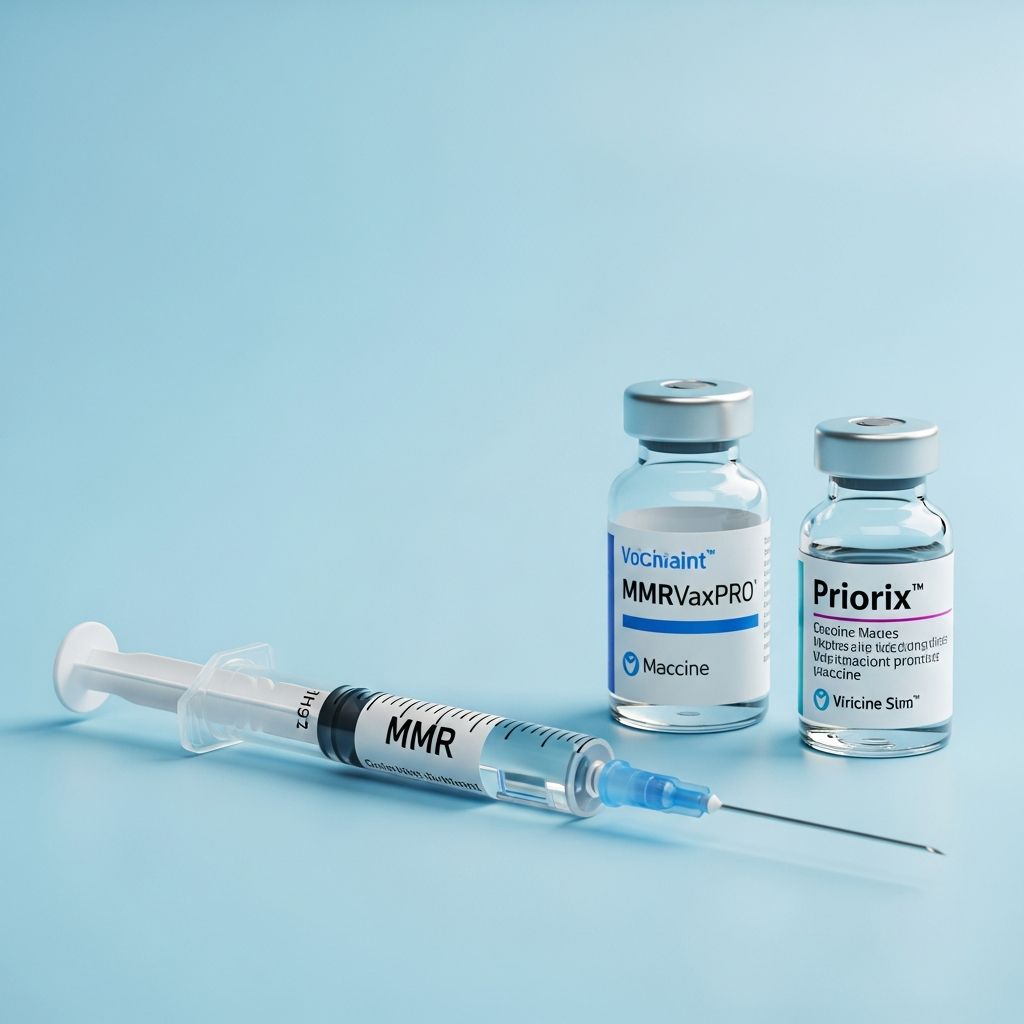
There are two MMR vaccines available in the UK: MMRVaxPRO® and Priorix®. They both work in the same way and offer the same protection against measles, mumps and rubella.
Who should receive the MMR vaccine?
The UK immunisation schedule recommends that all children should receive two doses of MMR vaccine as part of the routine childhood vaccination schedule. The first dose is given at 1 year of age and the second dose at 3 years 4 months of age.
Children who have missed their MMR vaccines should be ‘caught up’ at the earliest opportunity. Two doses are needed for full protection. There should be an interval of at least one month between the two doses.
Adults who have not had two doses of MMR vaccine (or are unsure if they have had two doses) should also receive two doses. This includes adults born before 1970 who may not have been vaccinated as children. Healthcare workers, those travelling to areas where measles, mumps or rubella are common, and women of childbearing age who are not immune, are particularly encouraged to check their immunity and vaccinate if needed.
Who should not receive the MMR vaccine?
- Pregnant women should not have the MMR vaccine. If you are planning a pregnancy and are not immune to rubella then you should have a blood test to check your immunity. If you are not immune you should be vaccinated after you have given birth (or at least one month before becoming pregnant). Pregnancy should be avoided for one month after having the MMR vaccine.
- People who are unwell with a high temperature should wait until they feel better before having the MMR vaccine.
- People who have had an anaphylactic reaction to a previous dose of MMR vaccine, or to any component of the vaccine (such as gelatine or neomycin), should not receive further doses.
- People who are immunocompromised (have a weakened immune system) should not receive the MMR vaccine. This includes people with HIV infection who have a low CD4 count, people on high-dose steroids or other immunosuppressive treatment, and those who have had a recent blood transfusion or immunoglobulin treatment. Close contacts of immunocompromised people can still have the MMR vaccine.
Related Stories



When should the MMR vaccine be given?
The first dose is given at around 1 year of age and the second dose at around 3 years 4 months of age. However, it can be given at any age. Two doses are required for full protection.
In some cases, a third dose may be recommended during mumps outbreaks for those at high risk.
How is the MMR vaccine given?
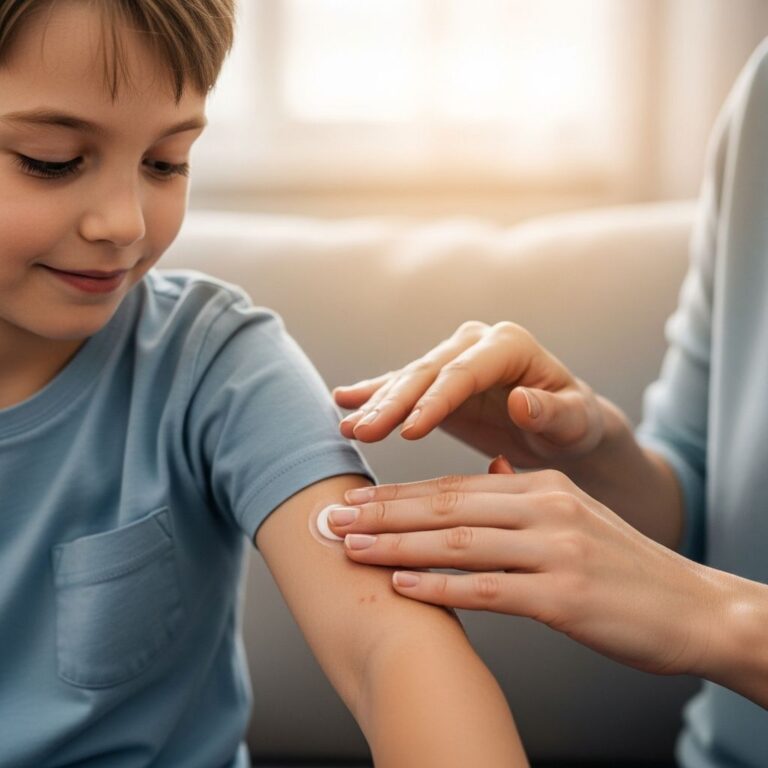
The MMR vaccine is given as an injection into the upper arm or upper thigh.
The two doses should be given at least one month apart. They can be given at the same time as other vaccines (except yellow fever vaccine).
Does the MMR vaccine work?
After two doses of MMR vaccine:
- 99% of people are protected against measles and rubella.
- 88% of people are protected against mumps.
One dose provides some protection but two doses are recommended for full protection.
What are the possible side-effects of the MMR vaccine?
Most people don’t have any side-effects from the MMR vaccine. Common side-effects occur in more than 1 in 10 people. Less common side-effects occur in more than 1 in 100 people but less than 1 in 10 people. Rare side-effects occur in less than 1 in 1,000 people.
Common side-effects
- Pain, redness or swelling at the injection site.
- Mild fever, rash or swollen glands 7-11 days after vaccination (due to measles or mumps component).
Less common side-effects
- Mild measles-like rash 7-11 days after vaccination.
- Mild mumps-like swelling of cheeks or neck 3 weeks after vaccination.
- Temporary low platelet count 4-6 weeks after vaccination (usually resolves without treatment).
Rare side-effects
- Anaphylaxis (severe allergic reaction).
- Febrile convulsions (fits) 7-10 days after vaccination.
- Non-specific illness (temporary ‘measles-like’ illness) 7-10 days after vaccination.
- Aseptic meningitis (very rare with current vaccines).
The MMR vaccine does not cause autism or inflammatory bowel disease. Large studies have shown no link.
Can the MMR vaccine cause the infections it protects against?
No. The vaccine viruses are weakened and do not cause the full infections. However, mild symptoms like a rash or fever may occur as the body builds immunity.
What will happen if my child does not have the MMR vaccine?
They will be at risk of catching measles, mumps or rubella. These infections are highly contagious and can lead to serious complications such as pneumonia, encephalitis, hearing loss, subfertility (mumps) or congenital rubella syndrome (if a pregnant woman catches rubella).
Further reading & references
See separate leaflets called Measles, Mumps and Rubella and Pregnancy for more information.
Frequently Asked Questions (FAQs)
Q: Can adults have the MMR vaccine?
A: Yes, adults who have not had two doses or are unsure of their immunity should receive two doses, especially healthcare workers and travelers.
Q: Is MMR safe during pregnancy?
A: No, pregnant women should not receive MMR. Wait until after delivery and avoid pregnancy for one month post-vaccination.
Q: What if I miss the vaccination schedule?
A: Catch up as soon as possible. Two doses are needed, spaced at least one month apart.
Q: Does MMR protect forever?
A: It provides lifelong protection against measles and rubella for most; mumps immunity may wane, but symptoms are milder if infected.
Q: Can MMR be given with other vaccines?
A: Yes, except yellow fever vaccine (wait 4 weeks).
Vaccination Schedule Table
| Age | Vaccine Dose | Notes |
|---|---|---|
| 12 months | First dose | Routine for all children |
| 3 years 4 months | Second dose | Ensures full protection |
| Any age (catch-up) | 1-2 doses | For unvaccinated individuals |
The MMR vaccine has dramatically reduced the incidence of these preventable diseases, contributing to herd immunity and protecting vulnerable populations.
References
- MMR Vaccine – StatPearls — NCBI Bookshelf. 2023. https://www.ncbi.nlm.nih.gov/books/NBK554450/
- Measles Vaccination — CDC. 2024-10-01. https://www.cdc.gov/measles/vaccines/index.html
- MMR (measles, mumps and rubella) vaccine — NHS. 2024. https://www.nhs.uk/vaccinations/mmr-vaccine/
- Package Insert – Measles, Mumps, and Rubella Virus Vaccine Live (M-M-R II) — FDA. 1978 (updated 2023). https://www.fda.gov/files/vaccines,%20blood%20&%20biologics/published/Package-Insert-Measles-Mumps-and-Rubella-Virus-Vaccine-Live_2.pdf
- Measles, Mumps and Rubella (MMR): The Diseases & Vaccines — CHOP Vaccine Education Center. 2024. https://www.chop.edu/vaccine-education-center/vaccine-details/measles-mumps-and-rubella-vaccines
- MMR Vaccine (Measles, Mumps, and Rubella) VIS — CDC. 2024. https://www.cdc.gov/vaccines/hcp/current-vis/downloads/mmr.pdf
- Management of Obstetric-Gynecologic Patients During a Measles Outbreak — ACOG. 2024-03-01. https://www.acog.org/clinical/clinical-guidance/practice-advisory/articles/2024/03/management-of-obstetric-gynecologic-patients-during-a-measles-outbreak
Similar Articles








Read full bio of medha deb