Measles: Symptoms, Treatment, Prevention & Vaccine
Learn about measles: highly contagious viral disease, symptoms, complications, and effective prevention through vaccination.
What Is Measles?
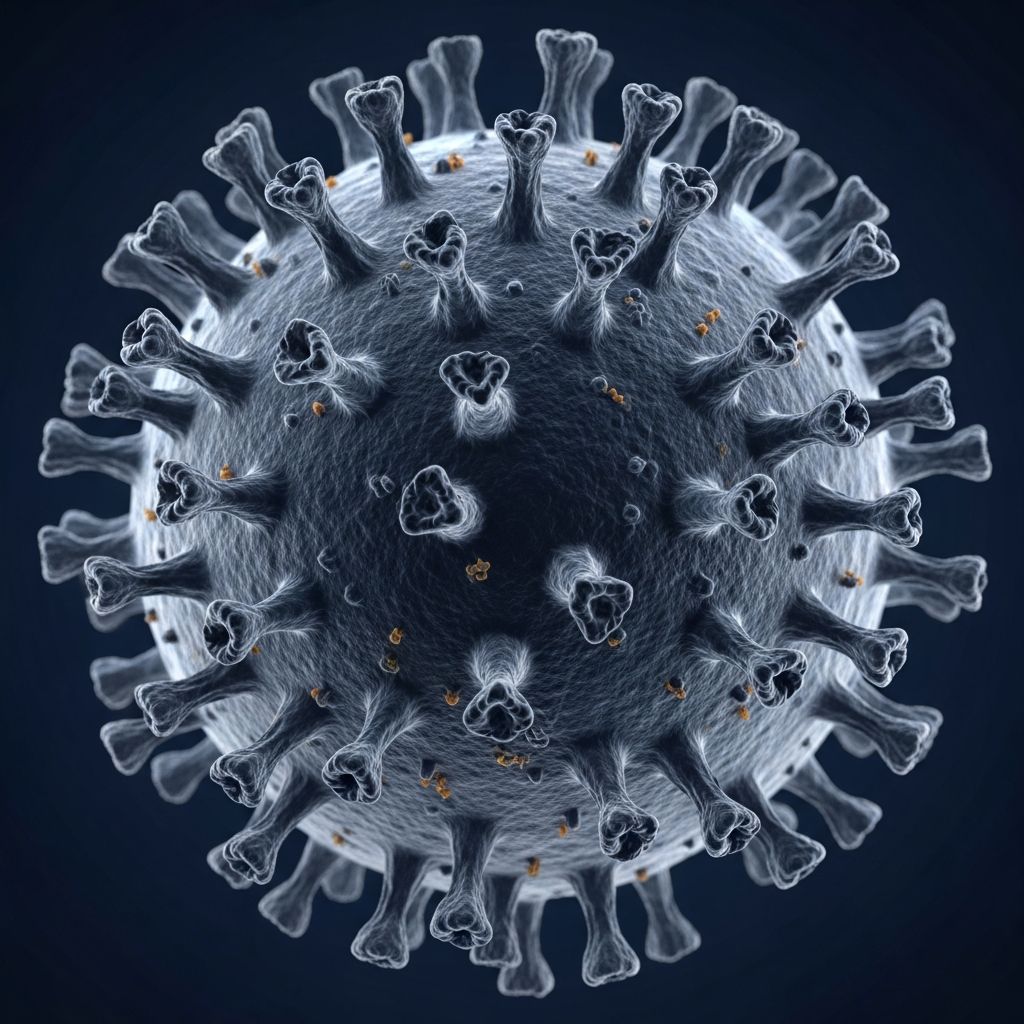
Measles is a highly contagious viral disease that spreads from person to person through respiratory droplets. Also known as rubeola, 10-day measles, or red measles, this condition is distinct from German measles (rubella), which is caused by a different virus. Measles is caused by a virus and can lead to life-threatening complications, including brain inflammation and pneumonia. The disease has been largely controlled in many developed countries through widespread vaccination efforts, but it remains a significant public health concern in areas with lower vaccination rates.
The measles virus is one of the most contagious pathogens known to humans. When an infected person coughs or sneezes, respiratory droplets containing the virus can travel through the air and infect others up to several feet away. A single infected person can transmit measles to approximately 90% of susceptible people who come into contact with them, making prevention through vaccination critically important.
Measles Symptoms and Progression
Measles symptoms develop in stages and do not appear all at once. Understanding the progression of symptoms can help with early recognition and diagnosis of the disease.
Initial Symptoms
The first signs of measles typically include a fever, cough, runny nose, and red eyes. These initial symptoms may appear relatively mild, and many people might initially mistake measles for a common cold or upper respiratory infection. During this phase, the infected person is highly contagious, even before the characteristic rash appears.
Koplik’s Spots
Two to three days after the initial symptoms develop, small white spots called Koplik’s spots may appear on the inside of the mouth. These tiny spots have a white center surrounded by a red halo and are considered pathognomonic (uniquely characteristic) of measles. Koplik’s spots typically fade as the characteristic measles rash begins to appear.
The Rash
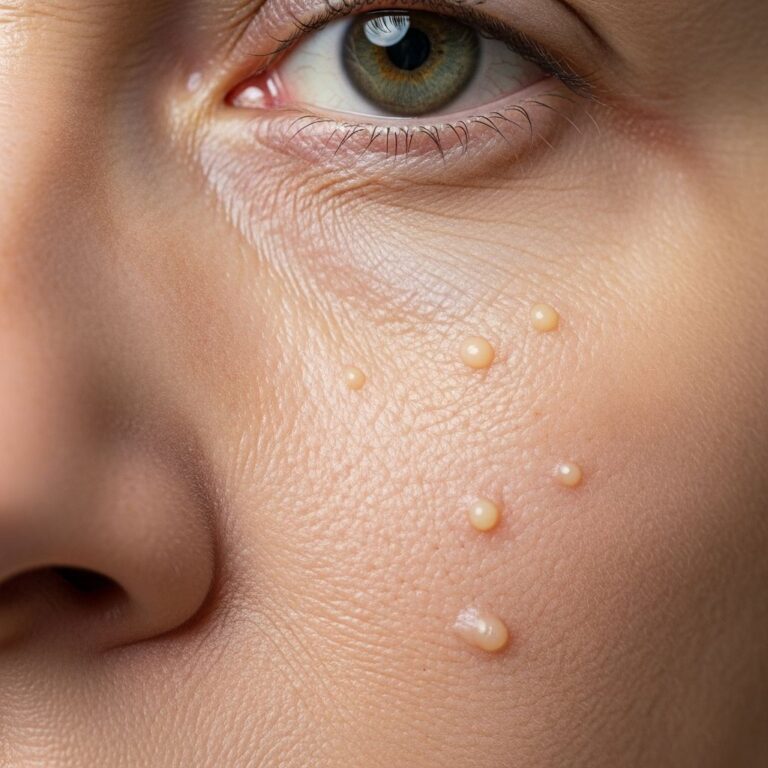
The distinctive measles rash appears three to five days after the initial symptoms start. The rash typically begins on the face and hairline, then spreads downward to the neck, trunk, and limbs. The rash consists of small, raised red spots that may merge together. A high fever often accompanies the rash and may persist during this period. The rash can be itchy and uncomfortable but typically fades as the person begins to recover, usually fading in the same order it appeared—starting from the face and moving downward.
Disease Duration and Contagiousness
The incubation period for measles—the time from exposure to the virus until symptoms appear—ranges from 7 to 21 days, with most cases becoming apparent 10 to 12 days after exposure. Individuals are contagious beginning 4 days before the rash appears through 4 days after the rash onset in people with normal immune function. In immunocompromised individuals, the contagious period may be significantly longer. This extended contagious period before the rash appears makes measles particularly challenging to control, as people may unknowingly spread the virus before they recognize they are ill.
Serious Complications of Measles
While some people recover from measles with only the characteristic symptoms, others develop serious, potentially life-threatening complications. The risk of complications is higher in very young children, adults over 20 years of age, pregnant women, and immunocompromised individuals.
Related Stories



– Pneumonia is one of the most common serious complications of measles- Encephalitis (brain inflammation) can occur and may result in brain damage- Blindness and vision problems from corneal damage- Hearing loss- Subacute sclerosing panencephalitis (SSPE) is a rare but fatal complication that develops 7 to 10 years after acute measles infection, typically in adolescence
In developing countries and areas with poor nutritional status, measles can be fatal. Even in developed countries with access to medical care, measles can result in death, particularly in vulnerable populations. The severity of measles infection underscores the importance of prevention through vaccination rather than relying on treatment after infection occurs.
Risk Factors and High-Risk Groups
Certain populations face greater risk of measles infection or severe disease outcomes. Unvaccinated or under-vaccinated individuals are at highest risk of contracting measles. Very young children under 5 years of age, especially infants under 1 year, face increased risk of severe complications. Adults over 20 years of age, pregnant women, immunocompromised individuals, and those with vitamin A deficiency are also at higher risk for serious disease manifestations.
Diagnosis of Measles
Diagnosis of measles can be straightforward when classic signs and symptoms are present, particularly when there is a known exposure history or during an outbreak. However, in partially vaccinated or immunosuppressed individuals, the illness may present atypically, requiring laboratory confirmation.
Clinical Diagnosis
Healthcare providers typically suspect measles in a patient presenting with the classic triad of symptoms: cough, conjunctivitis (red eyes), and coryza (runny nose), particularly in unimmunized individuals with a history of exposure or recent travel.
Laboratory Testing
Diagnosis is confirmed through serologic testing with measles-specific immunoglobulin M (IgM) antibody detection. Blood tests can identify antibodies specific to measles, confirming the diagnosis. In some cases, reverse transcription polymerase chain reaction (RT-PCR) may be used to detect measles virus RNA.
Treatment for Measles
Currently, there is no specific antiviral medication to treat measles once infection occurs. Treatment is primarily supportive, focusing on managing symptoms and preventing complications. Management includes maintaining adequate hydration, using acetaminophen or ibuprofen to reduce fever, and ensuring appropriate rest. This reality makes prevention through vaccination even more critical, as treating measles is limited to supportive care rather than curative medications.
Vitamin A supplementation is recommended for children with measles in developing countries, as vitamin A deficiency increases the risk of complications and death. In developed countries, vitamin A supplementation may be considered for children at high risk of complications.
Prevention Through Vaccination
The MMR Vaccine
The MMR vaccine is a combination vaccine that protects against three diseases: measles, mumps, and rubella. This live attenuated vaccine was developed in the 1960s and has been remarkably effective in preventing these serious viral infections. The vaccine is highly effective in preventing measles infection by inducing both cell-mediated and humoral (antibody-based) immunity.
Vaccination Schedule
Vaccination is recommended for all healthy children in two doses. The first dose is typically administered at 12 to 15 months of age, and the second dose is given at the time of school entry, usually between 4 and 6 years of age. Children ages 12 months to 12 years may receive the MMRV vaccine, which includes protection against varicella (chickenpox) as well.
Vaccine Effectiveness
Two doses of the MMR vaccine are 97% effective at preventing measles and rubella and 86% effective at preventing mumps. With one dose of live attenuated measles vaccine, 96% of recipients will develop measles-specific antibodies, and nearly 100% will develop antibodies after two doses. The live attenuated measles vaccine confers lifelong immunity when administered to children at 12 months of age or older. Even when fully vaccinated individuals are exposed to measles, symptoms are usually milder, and they are less likely to spread the virus to others.
Adult Vaccination
One dose of MMR vaccine is recommended for adults without presumptive evidence of immunity to measles. Adults who were vaccinated between 1963 and 1968 may have received the inactivated measles vaccine, which provided less protection; healthcare providers may recommend serologic screening followed by MMR vaccination for these individuals.
Who Should Not Get the MMR Vaccine
While the MMR vaccine is safe for most people, certain individuals should not receive it or should wait before being vaccinated. People who are allergic to any component of the vaccine should not receive it. Pregnant women should not receive the MMR vaccine, as it is a live vaccine. Severely immunocompromised individuals may need to consult with their healthcare provider before receiving the vaccine. Individuals with a history of severe allergic reaction to neomycin should not receive the vaccine.
It is important to discuss with your healthcare provider whether the MMR vaccine is appropriate for you or your child, particularly if you have any medical conditions, allergies, or are taking medications that might affect vaccine safety or effectiveness.
Infection Control and Isolation
Suspected measles cases should be isolated to prevent transmission to others. Hospitalized patients with measles should be placed in airborne isolation, using N95 or higher-level respirators and airborne infection isolation rooms. In a normal host, airborne isolation is needed for 4 days after the onset of the rash. In immunocompromised patients, isolation should continue for the duration of the illness. Healthcare staff caring for measles patients should adhere to these precautions regardless of their own immunity status.
Post-Exposure Prophylaxis
For susceptible individuals exposed to measles, post-exposure interventions can help prevent infection or modify the clinical course. Vaccination given within a few days of exposure may prevent disease development in susceptible contacts. Passive immunization with immunoglobulin administered within 6 days of exposure can prevent transmission or modify clinical course in susceptible contacts at high risk of developing severe or fatal measles. This includes people being treated with immunosuppressive agents, HIV-infected individuals, pregnant women, and children younger than 1 year of age.
The Importance of Maintaining High Vaccination Rates
Since the MMR vaccine was introduced over 60 years ago, severe cases of measles, mumps, and rubella have become rare in countries with high vaccination rates. Most people today have never had to worry about the serious complications of these illnesses—a testament to the power of vaccination and prevention. However, measles remains a threat in areas with lower vaccination rates, and the U.S. is increasingly vulnerable to larger-scale measles outbreaks as vaccination rates decline in some communities.
The vast majority of children who contract measles either are not vaccinated or have received only one vaccine dose. It is very rare for a child who has received both doses of the MMR vaccine to contract measles. This reality underscores the importance of complete vaccination according to the recommended schedule.
Frequently Asked Questions
Q: What is the difference between measles and rubella (German measles)?
A: Although both are viral infections that cause rashes, measles (caused by the measles virus) and rubella (German measles, caused by the rubella virus) are distinct diseases caused by different viruses. Both are preventable through the MMR vaccine.
Q: Can vaccinated people get measles?
A: A small number of fully vaccinated people may still get measles if exposed to the virus, but this is rare. When it occurs, symptoms are typically much milder than in unvaccinated individuals, and vaccinated people are less likely to spread the virus to others.
Q: How long after exposure to measles do symptoms appear?
A: The incubation period ranges from 7 to 21 days, with most cases becoming apparent 10 to 12 days after exposure.
Q: Is there a cure for measles?
A: No specific antiviral medication exists for measles. Treatment is supportive, focusing on managing symptoms such as fever and maintaining hydration. This emphasizes why prevention through vaccination is so important.
Q: How long does immunity from the MMR vaccine last?
A: The live attenuated measles vaccine provides lifelong immunity when administered to children at 12 months of age or older, meaning protection persists throughout life.
References
- MMR Vaccine (Measles-Mumps-Rubella Vaccination): What To Know — Cleveland Clinic. 2025. https://my.clevelandclinic.org/health/procedures/mmr-vaccine
- Measles: Rash, Causes, Symptoms, Treatment & Prevention — Cleveland Clinic. 2025. https://my.clevelandclinic.org/health/diseases/8584-measles
- Measles: Back Again — Cleveland Clinic Journal of Medicine. 2016. https://www.ccjm.org/content/83/5/340
- Measles: A Dangerous Vaccine-Preventable Disease Returns — Cleveland Clinic Journal of Medicine. 2019. https://www.ccjm.org/content/86/6/393
- Does Your Adult Patient Need a Measles Vaccine? — Consult QD, Cleveland Clinic. 2025. https://consultqd.clevelandclinic.org/does-your-adult-patient-need-a-measles-vaccine
- Keeping Your Child Safe from Measles — Cleveland Clinic Newsroom. 2025-03-04. https://newsroom.clevelandclinic.org/2025/03/04/keeping-your-child-safe-from-measles
- Measles: Your Questions Answered with Dr. Frank Esper — Cleveland Clinic Health Essentials Podcast. 2025. https://my.clevelandclinic.org/health/podcasts/health-essentials/measles-your-questions-answered-with-dr-frank-esper
Similar Articles








Read full bio of Sneha Tete