Measles Eye Complications: Signs, Risks, And Prevention
Discover how measles infection poses serious risks to eyesight, from common irritation to rare permanent damage, and learn protective measures.
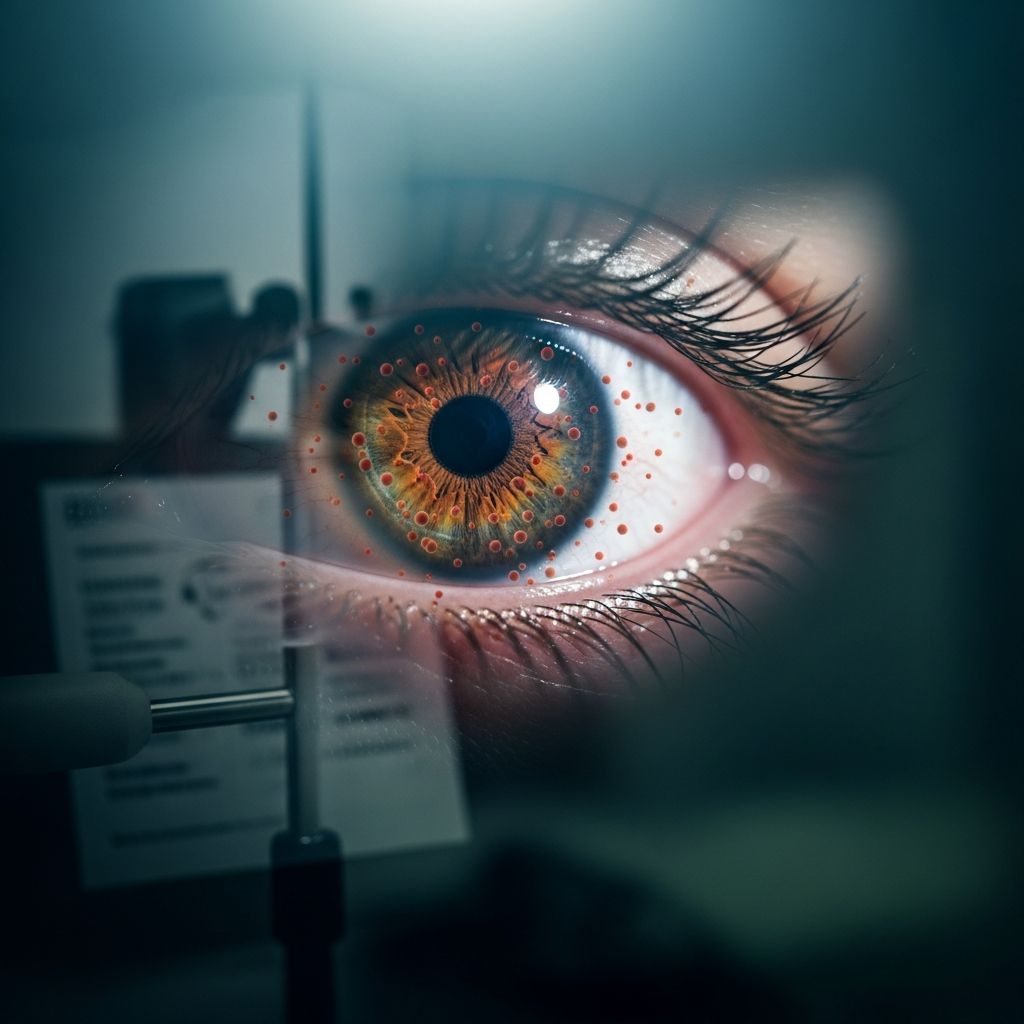
Measles, a highly contagious viral illness, not only causes fever and rash but can profoundly affect the eyes, leading to temporary discomfort or lifelong visual impairment. Understanding these risks is essential for early detection and prevention.
Early Warning Signs in the Eyes
The infection often announces itself through ocular symptoms before the characteristic skin rash emerges. Nearly every case involves eye redness and watering, signaling the virus’s initial assault on delicate eye tissues.
- Redness and irritation appear alongside fever and cough.
- Watery discharge mimics common allergies but signals deeper infection.
- These signs typically precede the rash by days, offering a critical window for intervention.
Understanding Conjunctivitis from Measles
Conjunctivitis, or pink eye, affects virtually all measles patients. This inflammation of the outer eye membrane causes discomfort but rarely leads to lasting harm on its own.
The virus inflames blood vessels, resulting in bloodshot appearance and light sensitivity. While self-limiting in most instances, it sets the stage for more severe complications if unchecked.
Corneal Damage and Scarring Risks
Beyond surface irritation, measles can invade the cornea, the eye’s clear front window. Inflammation here, known as keratitis, may progress to ulceration and scarring, distorting vision.
Young children face heightened vulnerability. If infection strikes before visual pathways fully develop—typically within the first four months—scarring can cause permanent blur or blindness.
| Stage of Corneal Involvement | Symptoms | Potential Outcome |
|---|---|---|
| Inflammation | Pain, redness, light sensitivity | Temporary haze |
| Ulceration | Severe pain, tearing | Scarring risk |
| Scarring | Blurred vision | Permanent opacity |
Optic Nerve Inflammation: A Rare but Serious Threat
Optic neuritis occurs when the measles virus inflames the optic nerve, the vital conduit for visual signals to the brain. This rare event brings sudden pain, color desaturation, and potential temporary blindness.
Treatment involves high-dose intravenous steroids, though full recovery isn’t guaranteed. In adults, it may link to underlying conditions like multiple sclerosis, but in measles cases, it’s directly viral.
- Onset: Days to weeks post-infection.
- Symptoms: Eye pain on movement, vision fade.
- Prognosis: Variable; early steroids improve odds.
Retinal Involvement and Long-Term Damage
Measles retinopathy targets the retina, the light-sensing layer at the eye’s back. This uncommon issue can manifest as edema, choroiditis, or cell destruction, yielding patchy or total vision loss.
Damage may appear immediately or years later, underscoring the virus’s lingering impact. Permanent blindness from retinal cell loss is possible, especially without prompt care.
Vitamin A Deficiency’s Role in Eye Complications
Measles exacerbates vitamin A shortages, triggering xerophthalmia—a spectrum from dryness to corneal meltdown. This synergism drives much blindness in undernourished regions.
High-dose vitamin A supplements, given early, dramatically cut complication rates. The World Health Organization endorses this for all measles cases in at-risk areas.
Related Stories



Deficiency impairs epithelial integrity, making eyes prone to infection and scarring. Supplementation restores mucosal barriers, curbing progression.
Brain-Related Vision Impacts
Encephalitis, measles-induced brain swelling, indirectly ravages vision. Affecting one in 1,000 cases, it disrupts neural pathways linking eyes to brain processing centers.
Pediatric ophthalmologists note this as devastating, with lifelong deficits if occurring in infancy. Corneal clouding compounds neural injury, amplifying sight loss.
Prevention: Vaccination as the Ultimate Shield
The MMR vaccine prevents nearly all measles cases, averting eye threats entirely. Two doses confer lifelong protection, far outweighing rare side effects like transient neuritis.
Outbreaks highlight unvaccinated vulnerability. Public health campaigns stress immunization to halt transmission and safeguard vision.
Treatment Strategies for Eye Complications
Supportive care manages mild symptoms: cool compresses, artificial tears. Severe cases demand steroids for neuritis or antivirals if secondary infections arise.
- Vitamin A: 200,000 IU orally for two days in children.
- Monitor for scarring; surgery may restore corneal clarity later.
- Follow-up exams track retinal recovery.
Global Burden and Statistics
Pre-vaccine eras saw thousands blinded yearly by measles, often tied to malnutrition. Today, vaccination slashes incidence, but outbreaks persist in low-coverage zones.
Surveys report 60,000 annual blindness cases historically, emphasizing intervention’s impact. Current focus: boosting immunity and nutrition.
FAQs
Can measles cause permanent blindness?
Yes, through corneal scarring, retinopathy, or encephalitis. Early treatment minimizes risks.
Is conjunctivitis the only eye symptom?
No; it leads to keratitis, neuritis, and more in severe cases.
How does vitamin A help?
It prevents xerophthalmia, protecting corneal health during infection.
Is the MMR vaccine safe for eyes?
Rare neuritis occurs, but benefits eclipse risks; consult physicians.
When do eye symptoms start?
Often before rash, with conjunctivitis in most patients.
Recognizing and Responding to Symptoms
Parents should watch for eye redness with fever or cough. Seek immediate care for vision changes or pain. Prompt action preserves sight.
In clinics, exams include slit-lamp checks for corneal haze and fundoscopy for retinal issues. Visual acuity tests gauge severity.
Research Insights on Mechanisms
The virus replicates in eye tissues, provoking immune overreactions. Retinal vasculitis and nerve demyelination explain deeper damage.
Studies link early infection to disrupted visual maturation, cementing deficits.
Expanding on this, measles suppresses immunity, inviting bacterial superinfections that worsen keratitis. Holistic management addresses both viral and nutritional facets.
Historical data from developing nations show vitamin A trials reducing blindness by half, validating protocols.
In vaccinated populations, complications plummet, proving herd immunity’s eye-saving power.
References
- Eye Complications Possible with Measles Warn Ophthalmologists — EM PR. 2024. https://www.empr.com/home/news/drug-news/eye-complications-possible-with-measles-warn-ophthalmologists/
- How Measles Can Affect Your Eyesight — All About Vision. 2024. https://www.allaboutvision.com/conditions/related/measles-affect-eyesight/
- Unilateral Optic Neuritis: A Rare Complication after Measles-Mumps-Rubella Vaccination — PMC (NCBI). 2016-05-25. https://pmc.ncbi.nlm.nih.gov/articles/PMC4853958/
- The Link between Measles and Vision Loss in Children — New View Laser Eye. 2024. https://www.newviewlasereye.com/link-measles-vision-loss-children/
- Stopping the measles outbreak — Ophthalmology Times. 2024. https://www.ophthalmologytimes.com/view/stopping-measles-outbreak
- Measles blindness — PubMed (NIH). 2004-03. https://pubmed.ncbi.nlm.nih.gov/14998696/
Similar Articles








Read full bio of Sneha Tete