Measuring a Baby’s Temperature: A Complete Guide
Learn how to accurately measure your baby's temperature using safe and effective methods.
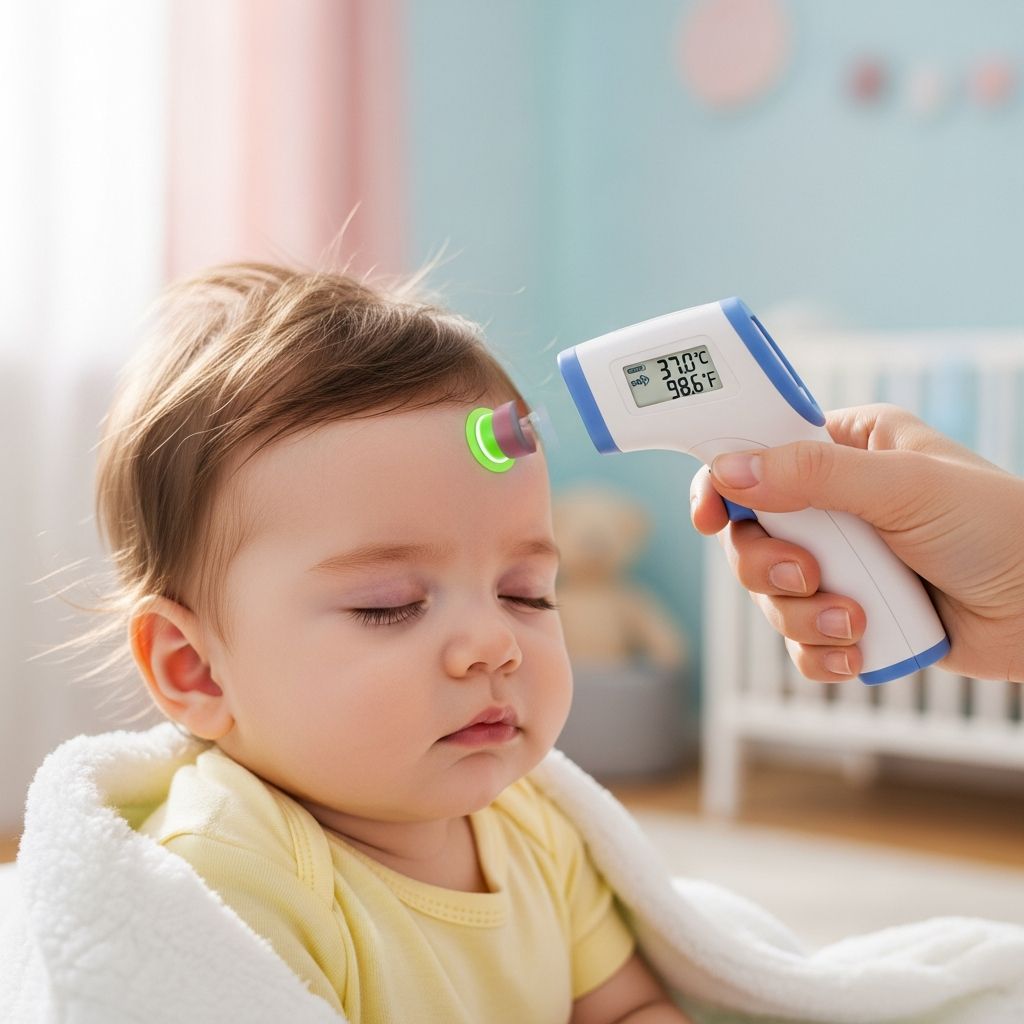
Measuring a Baby’s Temperature: Why It Matters
Accurately measuring a baby’s temperature is crucial for monitoring their health, especially during the first few months of life. A fever can be an early sign of infection or illness, and knowing how to take a baby’s temperature correctly helps parents and caregivers respond quickly and appropriately. This guide covers the most reliable methods, safety precautions, and when to seek medical attention.
Recommended Methods for Measuring a Baby’s Temperature
There are several ways to measure a baby’s temperature, but not all methods are equally accurate for infants. The best method depends on the baby’s age and the type of thermometer used.
Rectal Temperature Measurement
The rectal method is considered the most accurate for babies under 3 months old. It provides a precise reading of the baby’s internal temperature.
- Always use a digital thermometer for rectal measurements.
- Never use a mercury thermometer.
- Lubricate the tip of the thermometer with petroleum jelly.
- Place the baby on their back with knees bent or on their belly across your lap.
- Gently insert the thermometer ½ to 1 inch into the rectum.
- Hold the thermometer in place until it beeps or signals completion.
- Remove, wipe the tip, and read the temperature immediately.
- Clean the thermometer with soap and water or rubbing alcohol after use.
Forehead (Temporal Artery) Temperature Measurement
The temporal artery thermometer is a newer, non-invasive method that measures the temperature of the blood flowing through the temporal artery on the forehead. It is less stressful for newborns and is considered very accurate.
- Place the thermometer sensor in the middle of the baby’s forehead.
- Press and hold the scan button.
- Slowly move the thermometer across the forehead toward the top of the ear, keeping it in contact with the skin.
- Stop at the hairline and release the scan button.
- Read the temperature on the display.
Axillary (Armpit) Temperature Measurement
The axillary method is less accurate than rectal or forehead measurements but can be used as a quick screening tool.
- Place the thermometer in the center of the baby’s armpit.
- Ensure the baby’s arm is tucked snugly against their body.
- Leave the thermometer in place for at least 4 minutes.
- Remove and read the temperature.
- Clean the thermometer after use.
Ear (Tympanic) Temperature Measurement
Ear thermometers use infrared technology to measure the temperature inside the ear canal. They are generally not recommended for babies under 6 months due to the small size of their ear canals.
- Insert the probe gently into the ear canal.
- Follow the manufacturer’s instructions for proper placement.
- Read the temperature on the display.
- Clean the probe after use.
Related Stories



Choosing the Right Thermometer
Not all thermometers are suitable for babies. Here are the types commonly used and their pros and cons:
| Thermometer Type | Best For | Accuracy | Notes |
|---|---|---|---|
| Digital Rectal | Babies under 3 months | Most accurate | Requires careful insertion |
| Temporal Artery | All ages, especially newborns | Very accurate | Non-invasive, easy to use |
| Axillary | Quick screening | Least accurate | Good for initial check |
| Tympanic (Ear) | Babies 6 months and older | Accurate if used correctly | Not for very young infants |
Safety Tips for Taking a Baby’s Temperature
- Always follow the manufacturer’s instructions for your thermometer.
- Never leave a baby unattended with a thermometer inserted.
- Use gentle pressure when inserting a rectal thermometer; if you feel resistance, stop immediately.
- Clean the thermometer before and after each use to prevent infection.
- Do not use skin strips or mercury thermometers for babies.
- Touching the baby’s skin can give a general sense of warmth but is not a reliable way to measure temperature.
When to Seek Medical Attention
Knowing when to call a doctor is as important as knowing how to take a baby’s temperature. Seek medical help if:
- The baby is under 3 months old and has a rectal temperature of 100.4°F (38°C) or higher.
- The baby is 3 to 6 months old and has a temperature of 102°F (38.9°C) or higher.
- The baby is older than 6 months and has a temperature of 104°F (40°C) or higher.
- The baby shows signs of illness such as lethargy, poor feeding, vomiting, or difficulty breathing.
- The fever persists for more than 24 hours in a baby under 2 years old.
Common Mistakes to Avoid
- Using the wrong type of thermometer for the baby’s age.
- Not cleaning the thermometer properly.
- Inserting a rectal thermometer too deeply or forcefully.
- Leaving the thermometer in place for too long.
- Relying solely on touch to determine if a baby has a fever.
FAQs About Measuring a Baby’s Temperature
Q: What is the most accurate way to take a baby’s temperature?
A: The rectal method is the most accurate for babies under 3 months old. For older infants, temporal artery (forehead) thermometers are also very accurate.
Q: Can I use an ear thermometer on a newborn?
A: Ear thermometers are generally not recommended for babies under 6 months old due to the small size of their ear canals.
Q: How often should I check my baby’s temperature?
A: Check your baby’s temperature if they show signs of illness or if you suspect a fever. Routine checks are not necessary unless advised by a healthcare provider.
Q: What should I do if my baby’s temperature is high?
A: If your baby is under 3 months old and has a rectal temperature of 100.4°F (38°C) or higher, contact your doctor immediately. For older babies, monitor for other symptoms and seek medical advice if the fever is high or persistent.
Q: Are forehead thermometers safe for babies?
A: Yes, forehead (temporal artery) thermometers are safe and accurate for babies of all ages.
Conclusion
Measuring a baby’s temperature is a simple but important task for parents and caregivers. Using the right method and thermometer ensures accurate readings and helps in timely medical intervention if needed. Always follow safety guidelines and consult a healthcare professional if you have any concerns about your baby’s health.
References
- Taking a Baby’s Temperature — University of Rochester Medical Center. 2023. https://www.urmc.rochester.edu/encyclopedia/content?contenttypeid=90&contentid=p02668
- Taking a Baby’s Temperature — Nationwide Children’s Hospital. 2023. https://www.nationwidechildrens.org/conditions/health-library/taking-a-babys-temperature
- Taking Your Child’s Temperature — Nemours KidsHealth. 2023. https://kidshealth.org/en/parents/take-temperature.html
- Thermometer Basics: Taking Your Child’s Temperature — Mayo Clinic. 2023. https://www.mayoclinic.org/healthy-lifestyle/infant-and-toddler-health/in-depth/thermometer/art-20047410
- How to Take a Child’s Temperature — PMC – NIH. 2023. https://pmc.ncbi.nlm.nih.gov/articles/PMC2819919/
- How to Take Your Child’s Temperature — HealthyChildren.org. 2023. https://www.healthychildren.org/English/health-issues/conditions/fever/Pages/How-to-Take-a-Childs-Temperature.aspx
Similar Articles








Read full bio of medha deb