Meat Sweats: What They Are and How to Stop Them
Discover what causes meat sweats after a big steak dinner, why your body reacts this way, and simple strategies to prevent excessive post-meal sweating.
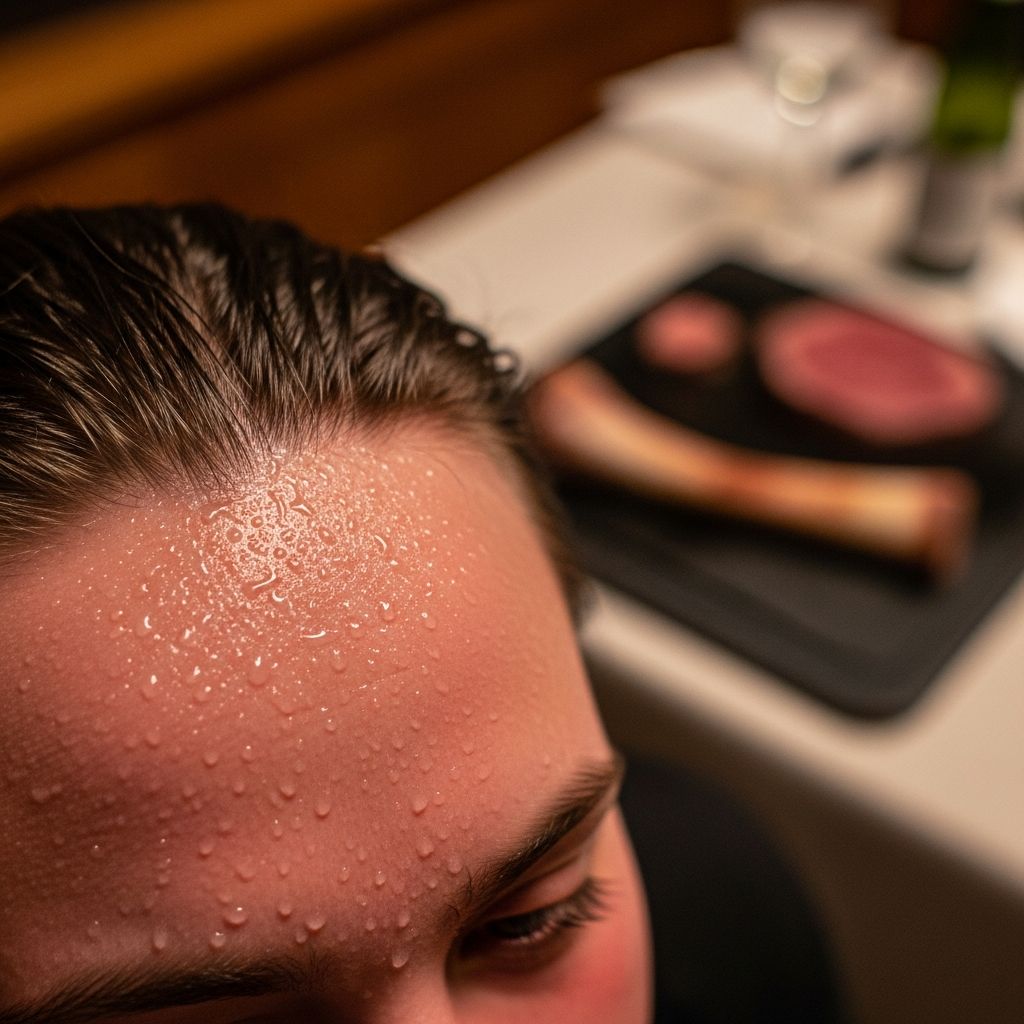
Have you ever finished a massive steak dinner or barbecue feast only to start dripping with sweat? This uncomfortable phenomenon, colloquially known as “meat sweats,” affects many people after consuming large quantities of protein-rich meat. While not a formal medical diagnosis, meat sweats describe profuse perspiration triggered by the body’s effort to digest hefty protein loads.
The term gained popularity through stories of competitive eaters, but it happens to everyday diners too. In this comprehensive guide, we break down what meat sweats are, the science behind them, how they differ from allergies or intolerances, who might be prone, and practical ways to prevent them. Understanding this response can help you enjoy meat-heavy meals without the unwanted sauna-like aftermath.
What Are Meat Sweats?
Meat sweats refer to excessive sweating that occurs shortly after eating a large amount of meat, particularly red meat like steak, ribs, or burgers. People often notice it during or right after the meal, with sweat beading on the forehead, face, neck, and upper body.
This isn’t random—it’s a physiological reaction tied to digestion. Your body works harder to break down proteins than carbs or fats, generating heat in the process. To cool down, it ramps up sweat production. Symptoms typically include:
- Profuse sweating on the face, neck, and torso
- Flushed or red skin
- Raised body temperature
- Feelings of warmth or overheating
These effects are temporary, usually lasting 30 minutes to a couple of hours as digestion progresses. While uncomfortable, meat sweats pose no serious health risk for most people.
Why Do Meat Sweats Happen?
The leading explanation for meat sweats is
diet-induced thermogenesis (DIT)
, also called the thermic effect of food (TEF). This is the energy your body expends to digest, absorb, and metabolize nutrients, which produces heat.Proteins have the highest thermic effect—20-30% of their calories are burned during digestion, compared to 5-10% for carbs and 0-3% for fats. A 500-calorie steak might require 100-150 calories just to process, spiking your metabolic rate and core temperature. Your body then sweats to dissipate this excess heat and maintain homeostasis.
Other contributing factors include:
- Large portion sizes: Overeating meat overloads the digestive system, amplifying DIT.
- Alcohol pairing: Booze increases metabolism further, worsening the effect.
- Individual differences: Body fat levels, fitness, and eating habits influence susceptibility. Less frequent big protein meals heighten the response.
No direct studies confirm “meat sweats” as a distinct event, but research on TEF supports the mechanism. Proteins demand complex breakdown into amino acids, engaging multiple organs like the stomach, pancreas, liver, and gallbladder.
Meat Sweats vs. Allergies and Intolerances
Many wonder if meat sweats signal an allergy or intolerance. The answer is usually no—here’s why.
Food Allergies
Related Stories



Allergies involve the immune system attacking a food protein, causing immediate reactions like hives, swelling, digestive distress, or anaphylaxis. Meat allergies (e.g., alpha-gal syndrome from tick bites) are rare and include itching or breathing issues—not isolated sweating.
If you tolerate normal meat portions without these symptoms, it’s not an allergy.
Food Intolerances
Intolerances are digestive issues from lacking enzymes, leading to bloating, gas, or diarrhea. A meat intolerance might cause discomfort after standard servings, but sweating alone after overeating doesn’t qualify.
| Aspect | Meat Sweats | Allergy | Intolerance |
|---|---|---|---|
| Symptoms | Sweating, flushing after large meat meal | Hives, swelling, anaphylaxis | Bloating, cramps, diarrhea |
| Timing | During/after eating | Immediate (minutes) | Hours later |
| Cause | DIT/heat from protein digestion | Immune response | Enzyme deficiency |
| Seriousness | Benign, temporary | Potentially life-threatening | Uncomfortable but not dangerous |
When to worry: If sweating accompanies rash, nausea, breathing trouble, or persists, see a doctor to rule out underlying issues like IBS or thyroid problems.
Who Gets Meat Sweats?
Not everyone experiences this after a ribeye. Risk factors include:
- High-protein diets: Bodybuilders or keto enthusiasts eating 1-2 lbs of meat per sitting.
- Overeaters: Competitive eaters or holiday feasters.
- Lower fitness levels: Higher body fat raises basal temperature, exacerbating heat.
- Infrequent indulgence: Regular protein eaters adapt better.
Women might notice it less due to generally lower muscle mass and protein needs, but anyone can be affected.
How to Prevent Meat Sweats
The simplest fix? Eat less meat per meal. Here are evidence-based strategies:
- Portion control: Limit meat to 6-8 oz per sitting. Balance with veggies, grains, and fats for satiety without overload.
- Spread protein intake: Divide daily needs (e.g., 100g) into 20-30g per meal across 4-5 smaller ones.
- Skip alcohol: Water or non-alcoholic drinks prevent compounded thermogenesis.
- Boost fitness: Regular exercise lowers body fat and basal temperature, improving metabolic efficiency.
- Alternative proteins: Try plant-based options like beans or tofu, which have lower TEF.
Vegetarians report fewer issues, and some studies note their body odor is more pleasant due to diet. Start small—cut portions by half next steak night.
Are Meat Sweats Harmful?
Generally harmless, meat sweats are your body’s normal cooling response. They’re more common in protein-heavy cultures or during holidays. However, frequent episodes might signal overeating habits worth addressing for overall health.
Monitor for red flags: Chronic sweating, weight loss, fatigue, or GI issues warrant medical checkup.
Frequently Asked Questions (FAQs)
What causes meat sweats after eating steak?
Meat sweats stem from diet-induced thermogenesis: digesting protein generates significant body heat (20-30% of protein calories), prompting sweat to cool you down.
Is it a meat allergy?
No. Allergies cause immune reactions like hives or anaphylaxis, not just sweating. Test with normal portions—if fine, it’s likely DIT.
How long do meat sweats last?
Typically 30-120 minutes, resolving as digestion eases and heat dissipates.
Can vegetarians get meat sweats?
Rarely, but high-protein plant meals can cause milder versions via similar thermogenesis.
Does exercise help prevent them?
Yes—better fitness lowers basal temperature and improves metabolic handling of proteins.
References
- What are meat sweats? Causes and prevention — Medical News Today. 2023-08-15. https://www.medicalnewstoday.com/articles/what-are-meat-sweats
- Meat Sweats Explained: Causes and Prevention — Healthline. 2023-05-22. https://www.healthline.com/health/meat-sweats
- 4 Ways to Prevent Meat Sweats — Men’s Health. 2019-07-10. https://www.menshealth.com/health/a25585693/what-are-meat-sweats/
- What Are the Meat Sweats and Why Do They Happen? — Ochsner Health Blog. 2023-06-01. https://blog.ochsner.org/articles/are-meat-sweats-real/
Similar Articles








Read full bio of medha deb