Meatal Stenosis: Causes, Symptoms, Diagnosis & Treatment
Complete guide to meatal stenosis: understanding causes, recognizing symptoms, and exploring treatment options.
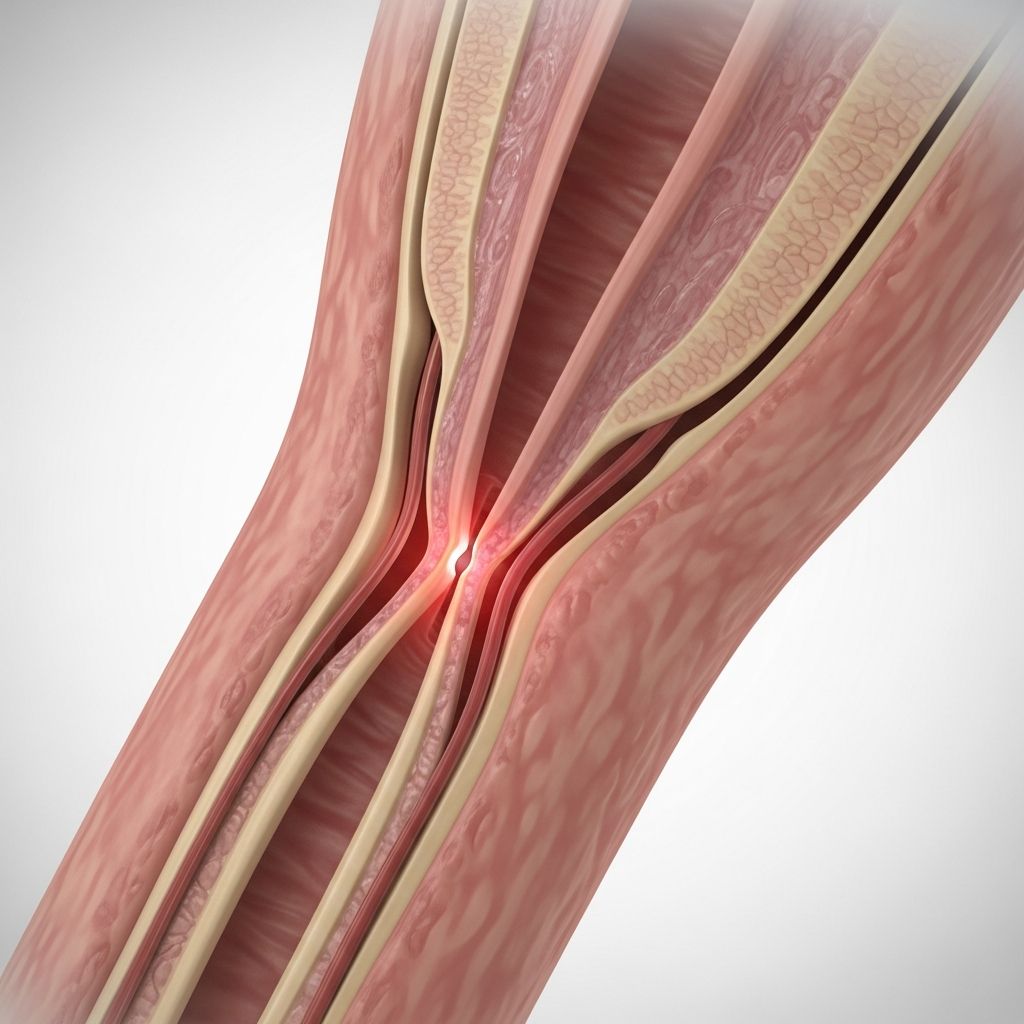
Meatal stenosis is a medical condition characterized by abnormal narrowing of the meatus, which is the opening at the tip of the penis. This condition affects the normal flow of urine and can cause various uncomfortable symptoms. While it may be present at birth in some cases, meatal stenosis most commonly develops after circumcision. Understanding this condition, its causes, symptoms, and available treatment options can help individuals make informed decisions about their healthcare.
What Is Meatal Stenosis?
Meatal stenosis occurs when the opening at the end of the penis becomes narrower than normal. The meatus is the external opening of the urethra, the tube that carries urine from the bladder out of the body. When this opening narrows, it can partially block urine flow, leading to various urinary symptoms and complications. The condition is primarily seen in males, though it can affect females as well, though less commonly.
While some individuals may have a naturally narrow meatus from birth, the majority of meatal stenosis cases develop over time due to injury, inflammation, or scarring. The condition may go unnoticed until a person reaches toilet training age or adulthood, depending on the severity and progression of the narrowing.
Causes of Meatal Stenosis
Circumcision-Related Causes
The most common cause of meatal stenosis in babies and young children is circumcision. This surgical procedure involves removing the foreskin covering the tip of the penis. After circumcision, the newly exposed skin becomes vulnerable to irritation. Contact with diapers, urine, and friction from clothing can cause chronic irritation and inflammation of the delicate tissue at the meatus. Over time, this irritation can lead to scar tissue formation, which gradually narrows the urethral opening. The scarring process typically occurs gradually and may not be noticed until a child begins toilet training, when abnormalities in the urine stream become apparent.
Other Contributing Factors
While circumcision is the leading cause in infants, meatal stenosis can develop through various other mechanisms:
- Urinary catheter use: Extended catheterization can cause irritation and scarring of the urethral opening
- Penile injury or trauma: Injuries from accidents, saddle injuries, or sexual trauma can damage the tissue and lead to stenosis
- Urological procedures: Surgical interventions on the urethra or prostate can result in scarring
- Atrophic vaginitis: In females, chronic inflammatory skin conditions can narrow the opening
- Multiple endoscopic procedures: Repeated cystoscopy or other instrumentation can contribute to stenosis development
In uncircumcised individuals, meatal stenosis remains relatively rare, suggesting that the circumcision procedure itself or the post-operative irritation plays a significant role in the condition’s development.
Symptoms of Meatal Stenosis
The primary symptom of meatal stenosis is a narrowed meatus that can partially obstruct urine flow. However, individuals may experience various secondary symptoms that affect urinary function and comfort:
- Abnormal urine stream that sprays or shoots upward rather than flowing in a single, directed stream
- Pain or burning sensation during urination (dysuria)
- Difficulty urinating or straining to urinate
- Inability to aim urine properly
- Urgent and frequent need to urinate
- Incomplete bladder emptying, leading to retention of urine
- Blood in the urine (hematuria) or small drops of blood at the tip of the penis after urination
- Bed-wetting or incontinence, particularly in children
- Recurrent urinary tract infections due to incomplete bladder emptying
- Discomfort or pain in the lower abdomen or genital area
In many cases, symptoms become apparent after toilet training when parents or caregivers notice an abnormal urine stream pattern. Some individuals with mild stenosis may not experience noticeable symptoms and may not require treatment. However, significant narrowing can lead to functional problems and the need for intervention.
Diagnosis of Meatal Stenosis
Physical Examination
The primary diagnostic method for meatal stenosis is a straightforward physical examination performed by a healthcare provider, typically a urologist or pediatric specialist. During the examination, the doctor visually inspects the meatus to assess its size and appearance. The provider looks for a noticeably small or narrow opening compared to normal anatomy.
Urinary Stream Observation
In some cases, the healthcare provider may observe the patient’s urinary stream for evidence of abnormalities. A narrowed meatus typically produces a spray-like or deflected stream rather than a normal, single stream of urine. This observation can confirm the diagnosis and help the provider assess the severity of the narrowing.
Clinical History
The provider will also review the patient’s medical history, particularly regarding circumcision, urological procedures, catheter use, or any injuries to the genital area. In children, the timing of symptom onset relative to toilet training can provide valuable diagnostic information.
Treatment Options for Meatal Stenosis
Conservative Management
Not all cases of meatal stenosis require treatment. If a physical examination reveals a narrow meatus but the individual has a normal urine stream and experiences no symptoms, intervention may not be necessary. Healthcare providers often adopt a watchful waiting approach, monitoring the condition over time to determine if treatment becomes necessary. Regular follow-up examinations help ensure that the condition does not progress or cause complications.
Topical Steroid Cream
In some cases, a steroid cream (topical corticosteroid) can be applied to treat meatal stenosis. This non-invasive treatment involves applying the steroid cream directly to the tip of the penis. Patients typically apply the cream twice daily for up to three months. Steroid creams work by reducing inflammation and may help prevent scarring or slow the narrowing process. However, this approach is not always effective and may be considered a preliminary treatment option before surgical intervention.
Dilation
Another possible treatment option involves stretching the opening of the meatus through a process called dilation. Special instruments are used to gradually widen the urethral opening. However, dilation has limitations and potential drawbacks. The procedure can tear delicate tissue and cause scarring, which may paradoxically make the meatus even narrower over time. Due to these risks and the higher recurrence rates, dilation is generally considered a less preferred treatment option compared to surgical approaches.
Surgical Treatment: Meatotomy and Meatoplasty
The most effective and reliable treatment for meatal stenosis is a surgical procedure known as a meatotomy or meatoplasty. These terms are often used interchangeably and refer to the same procedure. During this surgery, the surgeon makes a small incision below the meatus to widen the opening. The procedure involves cutting apart part of the meatus to create a larger opening, allowing urine to flow more freely and normally.
Procedure Details: The meatotomy can be performed in various settings depending on the severity of the stenosis and patient cooperation. In clinic settings, local anesthesia is used to numb the area, making the procedure minimally invasive and comfortable. Alternatively, the procedure can be performed in an operating room with general anesthesia for patients who prefer complete sedation. The surgical approach is tailored to individual patient needs and preferences in consultation with the healthcare provider.
Success Rate: The meatotomy has a remarkably high success rate. Once the procedure is completed successfully, recurrence of meatal stenosis is rare, particularly when appropriate post-operative care is provided. Most patients experience significant improvement in urinary function and symptom resolution following the surgery.
Advanced Surgical Option: In cases of more serious narrowing, a healthcare provider may recommend urethroplasty. This more comprehensive surgical procedure not only opens the meatus but also repairs or rebuilds the urethra itself, addressing more extensive urethral narrowing or damage.
Recovery After Meatotomy
Recovery following a meatotomy is generally straightforward and quick. Most patients begin to feel better within a few days of the procedure. To manage discomfort during the healing process, individuals can take pain relievers as recommended by their healthcare provider and take warm baths to soothe the area.
Bleeding after the procedure is uncommon, but if it occurs, patients can control minor bleeding by applying gentle pressure with a clean towel. To promote faster healing, applying a skincare ointment such as Vaseline or Aquaphor to the affected area twice daily for a few weeks can be beneficial. Most patients can return to normal activities within a week following the procedure.
Prognosis and Long-Term Outlook
The long-term outlook for individuals with meatal stenosis is excellent, particularly when the condition is properly diagnosed and treated. With appropriate medical or surgical intervention, the success rate is high and the condition rarely recurs. Following a successful meatotomy, most patients and adults experience sustained improvement in urinary function and symptom resolution.
While complications are rare, potential post-operative side effects can include minor bleeding, temporary discomfort during the healing phase, temporary spraying of urine as tissues heal, or in uncommon cases, a slight re-narrowing of the opening over time. However, these complications occur infrequently and most patients maintain excellent long-term outcomes.
Frequently Asked Questions About Meatal Stenosis
Q: Is meatal stenosis preventable?
A: While it’s impossible to prevent all cases, particularly those that are congenital, certain precautions may reduce risk. For those undergoing circumcision, working with an experienced provider and following post-operative care instructions carefully can minimize the risk of meatal stenosis development. Avoiding penile trauma and being cautious with catheter use in medical settings can also help prevent stenosis.
Q: Does meatal stenosis affect fertility or sexual function?
A: Meatal stenosis primarily affects urinary function rather than reproductive or sexual function. However, untreated severe stenosis could theoretically impact overall urinary health. Treatment with meatotomy restores normal urinary function and has no negative impact on fertility or sexual performance.
Q: Can meatal stenosis develop in uncircumcised males?
A: Yes, while rare, meatal stenosis can develop in uncircumcised individuals through other causes such as penile injury, prolonged catheter use, or urological procedures. However, circumcision remains the primary risk factor.
Q: What is the typical age for meatal stenosis symptoms to appear?
A: In children, symptoms typically become noticeable during toilet training years, usually between ages 2-4, when abnormalities in the urine stream become apparent. In adults, symptoms may develop following injury, surgery, or catheter use.
Q: Is a meatotomy painful?
A: The procedure itself is not painful because of local or general anesthesia. Some discomfort may occur during the healing phase, which typically resolves within a few days with appropriate pain management.
When to Seek Medical Attention
Individuals experiencing symptoms consistent with meatal stenosis should seek medical evaluation from a healthcare provider or urologist. Symptoms warranting professional assessment include persistent pain or burning during urination, abnormal urine stream patterns, difficulty urinating, recurrent urinary tract infections, or blood in the urine. Early diagnosis and appropriate treatment can prevent complications such as chronic urinary retention, recurrent infections, and potential kidney problems.
Parents of young children who notice abnormal urine stream patterns or spraying should discuss these observations with their child’s pediatrician or pediatric urologist to determine if evaluation is necessary.
References
- Meatal Stenosis — UCSF Department of Urology. Accessed 2025. https://urology.ucsf.edu/patient-info/children/urinary-tract-obstruction/meatal-stenosis
- Meatal stenosis: MedlinePlus Medical Encyclopedia — National Library of Medicine. Updated 2024. https://medlineplus.gov/ency/article/001599.htm
- Meatal Stenosis — Children’s Hospital of Philadelphia. Accessed 2025. https://www.chop.edu/conditions-diseases/meatal-stenosis
- Meatal Stenosis — Symptoms, Diagnosis & Treatment — Cincinnati Children’s Hospital Medical Center. Accessed 2025. https://www.cincinnatichildrens.org/health/m/meatal-stenosis
- Meatal Stenosis — Urology Care Foundation. Accessed 2025. https://www.urologyhealth.org/urology-a-z/m/meatal-stenosis
- What to Know About Meatal Stenosis — WebMD. Updated 2024. https://www.webmd.com/children/what-to-know-about-meatal-stenosis
Similar Articles








Read full bio of Sneha Tete