Mechanical vs. Tissue Heart Valve Replacement
Understand the differences between mechanical and tissue heart valves to make informed decisions.
Understanding Heart Valve Replacement Options
When the heart valve becomes damaged or diseased, valve replacement surgery may become necessary to restore proper blood flow. Patients and their doctors face an important decision: should they choose a mechanical valve or a tissue valve? Each option offers distinct advantages and disadvantages, and the choice depends on individual patient factors, age, lifestyle, and medical history. Understanding these differences is essential for making an informed decision about which type of valve replacement is best suited for your circumstances.
What Are Mechanical Heart Valves?
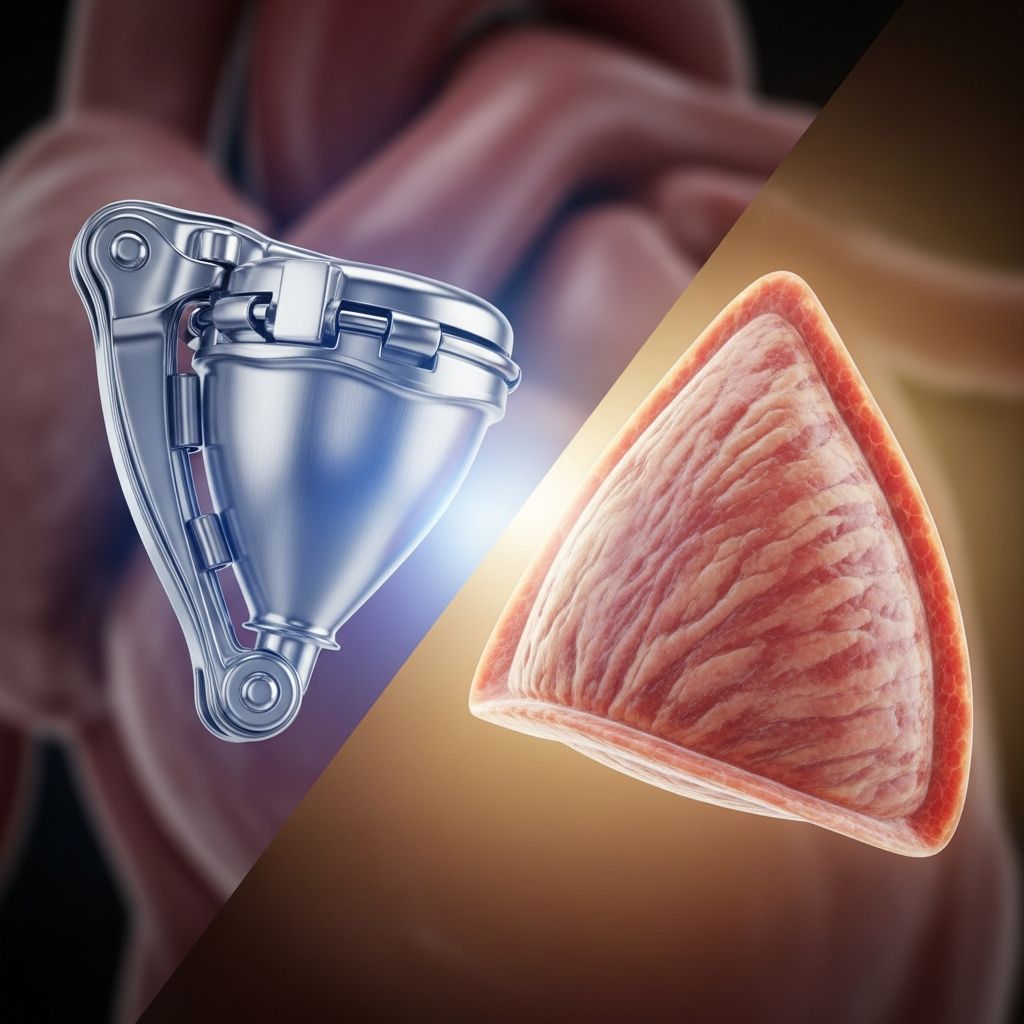
Mechanical heart valves are artificial devices made from durable synthetic materials designed to replicate the function of a natural heart valve. These valves were first used clinically in the early 1960s and have been refined significantly over the decades. Mechanical valves are engineered to be extremely durable and long-lasting, with many remaining functional for 20 to 30 years or even longer.
The primary advantage of mechanical valves is their exceptional durability and longevity. Unlike tissue valves, mechanical valves do not degenerate over time, meaning they rarely require replacement surgery. This durability makes them particularly attractive for younger patients who may live for decades after the initial surgery and would face multiple valve replacement procedures if using tissue valves.
However, mechanical valves present a significant disadvantage: they require lifelong anticoagulation therapy. Because the body recognizes the artificial valve as a foreign object, blood clots can form on the valve’s surface. To prevent this potentially life-threatening complication, patients with mechanical valves must take blood-thinning medications, typically warfarin or newer direct oral anticoagulants (DOACs), for the rest of their lives. This ongoing medication requirement necessitates regular blood testing and careful monitoring of medication levels.
What Are Tissue Heart Valves?
Tissue valves, also known as bioprosthetic valves, are constructed from human or animal tissue. The most common tissue valves are made from porcine (pig) tissue or bovine pericardium (cow tissue). The initial clinical use of tissue valves was described in 1962, with pioneering surgeons Donald Ross in England and Sir Brian Barratt-Boyes in New Zealand conducting tissue valve replacements simultaneously.
The primary advantage of tissue valves is that they do not require long-term anticoagulation therapy. Because tissue valves are biologically more similar to natural valve tissue, they are less likely to trigger blood clot formation, eliminating or significantly reducing the need for blood-thinning medications. This is particularly beneficial for patients who have contraindications to anticoagulation therapy, such as those with a history of bleeding disorders or those planning pregnancies.
The main disadvantage of tissue valves is their limited durability. Unlike mechanical valves, tissue valves gradually deteriorate over time due to calcification and structural degeneration. Most tissue valves function well for 10 to 20 years, after which they may require replacement surgery. This means patients who receive tissue valves, especially younger patients, may face additional surgeries during their lifetime.
Comparing Key Characteristics
| Feature | Mechanical Valves | Tissue Valves |
|---|---|---|
| Durability | 20-30+ years | 10-20 years |
| Anticoagulation Required | Yes, lifelong | Usually not required |
| Reoperation Rate | Lower (6-7%) | Higher (18%+) |
| Bleeding Risk | Higher (due to anticoagulation) | Lower |
| Thromboembolism Risk | Higher | Similar or lower |
| Suitable Age Group | Younger patients (<65 years) | Older patients (>65 years) |
Related Stories



Long-Term Survival and Clinical Outcomes
Research comparing tissue and mechanical valve replacements over 20-year follow-up periods demonstrates that both valve types result in similar overall survival rates. A major clinical study analyzing 2,533 patients undergoing aortic, mitral, or double valve replacements found no significant differences in long-term survival between tissue and mechanical valve recipients. However, the study revealed important differences in specific complications and outcomes.
For patients receiving mechanical aortic valve replacements, the risk of major hemorrhage was significantly higher compared to tissue valve recipients, primarily due to the need for lifelong anticoagulation therapy. The increased bleeding risk is a serious consideration for patients who are elderly, prone to falls, or have other health conditions that increase bleeding risk.
Conversely, patients receiving tissue valve replacements, particularly in the aortic position, had significantly higher reoperation rates. The need for valve replacement increased progressively over time, with tissue valve patients having higher complication rates after approximately 7-10 years. This means tissue valve recipients must be prepared for the possibility of additional heart surgery later in life.
Age-Related Considerations
Age is one of the most important factors in determining which valve type is most appropriate. For younger patients (typically under 65 years), mechanical valves are often preferred despite the need for lifelong anticoagulation. The superior durability of mechanical valves means younger patients are less likely to require multiple surgeries during their lifetime. Research indicates that mechanical heart valves may be safer in younger patients because patients lived longer despite the need for blood-thinning medications.
For older patients (typically 65 years and older), tissue valves are often the preferred choice. Older patients have a shorter remaining life expectancy, and tissue valves may remain functional for their remaining years without requiring replacement. Additionally, elderly patients may have contraindications to anticoagulation therapy due to fall risk, reduced medication adherence, or other medical conditions.
Cost Considerations
Long-term cost analysis reveals important financial differences between the two valve types. For younger patients with longer life expectancies, mechanical valves may provide significant cost savings over a lifetime. A comparative cost analysis indicates that for a typical 55-year-old patient with a 25-year life expectancy requiring heart valve replacement, the cumulative healthcare cost savings of using a mechanical valve instead of a tissue valve is approximately $60,000. When extrapolated to the estimated 20,000 patients in this age group annually receiving tissue valves, the potential U.S. healthcare cost savings would exceed $1.2 billion per year.
This cost advantage for mechanical valves is primarily due to the high cost of tissue valve reoperation surgeries. Although mechanical valve recipients incur costs from ongoing anticoagulation monitoring and medication, these expenses are substantially lower than the costs associated with repeat valve replacement surgery.
Lifestyle Implications
The choice between mechanical and tissue valves significantly impacts daily lifestyle. Patients with mechanical valves must commit to lifelong anticoagulation therapy, which requires regular blood tests (usually every 2-4 weeks initially, then monthly or less frequently once stable) and careful monitoring of medication dosage. Patients must also maintain dietary consistency, as vitamin K intake affects warfarin effectiveness, and they must inform all healthcare providers about their anticoagulation therapy.
Some patients taking anticoagulants face restrictions on certain activities, such as contact sports or high-risk recreational activities that could cause injury and bleeding. However, most mechanical valve recipients can engage in normal daily activities, exercise, and work without significant limitations beyond the medication management requirements.
Tissue valve recipients avoid the daily medication burden and regular blood testing associated with anticoagulation therapy. They generally face fewer dietary restrictions and can participate in activities without concerns about bleeding from anticoagulation medications. However, they must remain aware of the possibility of future valve replacement surgery and plan accordingly.
Recent Advances in Valve Technology
Over the past several decades, significant advances have improved both mechanical and tissue valve technology. Better preservation techniques developed in the 1980s allowed surgeons to use living human tissue for valve replacements, which has been found to be superior to nonliving tissues. These improved techniques have contributed to better long-term outcomes for tissue valve recipients.
Additionally, the field of heart valve surgery has evolved substantially. In the twenty-first century, less invasive surgical approaches to heart valve repair have become a reality. Surgeons no longer need to completely open a patient’s sternum; instead, they can make a small incision in the leg and implant a small device allowing for valve repair through a catheter delivery system. These minimally invasive techniques reduce recovery time, hospital stay, and surgical complications, benefiting patients receiving either mechanical or tissue valves.
Making Your Decision
Choosing between mechanical and tissue heart valves requires careful consideration of multiple factors. Work closely with your cardiologist and cardiac surgeon to evaluate your individual circumstances. Key questions to discuss include:
- What is your current age and expected lifespan?
- Do you have any contraindications to anticoagulation therapy?
- Are you willing and able to comply with lifelong anticoagulation monitoring?
- What is your lifestyle and activity level?
- Do you have plans for pregnancy?
- What valve position requires replacement (aortic or mitral)?
- What is your overall health status and surgical risk?
Frequently Asked Questions
Q: Can I switch from a tissue valve to a mechanical valve later if needed?
A: Yes, it is possible to replace a tissue valve with a mechanical valve in a second surgery, though this is a significant surgical procedure. The decision to switch depends on your age, health status, and the condition of your first valve replacement.
Q: How often do I need blood tests if I have a mechanical valve?
A: Initially, blood tests (INR testing) may be needed every 2-4 weeks to establish the correct warfarin dose. Once stable, testing is typically done monthly or less frequently, though the frequency varies based on individual circumstances and medication stability.
Q: Are there newer anticoagulants besides warfarin for mechanical valve patients?
A: While newer direct oral anticoagulants (DOACs) exist, warfarin remains the standard for most mechanical valve patients. Your cardiologist can discuss whether alternatives might be appropriate for your specific situation.
Q: Can I become pregnant with a mechanical valve?
A: Pregnancy is possible with a mechanical valve, but it requires careful planning and close medical supervision due to anticoagulation needs. Tissue valves may be preferable for women of childbearing age planning pregnancy.
Q: What is the success rate for valve replacement surgery?
A: Modern valve replacement surgery has high success rates, with most patients experiencing significant improvement in symptoms and quality of life. Your surgeon can provide specific success rates based on your individual situation and valve type.
Q: How long does valve replacement surgery take?
A: Traditional valve replacement surgery typically takes 2-4 hours, depending on the complexity of your case and whether additional procedures are needed. Minimally invasive approaches may be faster with shorter recovery times.
References
- Heart Valve Replacement — EBSCO Research Starters – Consumer Health. https://www.ebsco.com/research-starters/consumer-health/heart-valve-replacement
- Twenty-year comparison of tissue and mechanical valve replacement — PubMed Central, National Center for Biotechnology Information. 2001. https://pubmed.ncbi.nlm.nih.gov/11479498/
- Valve options: tissue vs. mechanical — Providence Swedish, Dr. Glenn Barnhart. 2010. https://www.youtube.com/watch?v=xv1pBtlDFQU
- Comparative Analysis of Bioprosthetic and Mechanical Heart Valves: Long-term Clinical Outcomes and Complication Rates — Healthcare Bulletin. https://healthcare-bulletin.co.uk/article/comparative-analysis-of-bioprosthetic-and-mechanical-heart-valves-long-term-clinical-outcomes-and-complication-rates-3142/
- Predicting Long-Term Costs — On-X Life Technologies, Inc. https://www.onxlti.com/predicting-long-term-costs/
- Risk/Benefit Comparison of Mechanical and Biologic Valve Prostheses — Clinical Research Forum. https://www.clinicalresearchforum.org/page/RiskBenefit
- Deciding between mechanical or bioprosthetic heart valve replacement: a patient-centred comparison — Therapeutic Advances in Chronic Disease, SAGE Journals. 2011. https://www.tandfonline.com/doi/full/10.2147/PPA.S16420
Similar Articles








Read full bio of Sneha Tete