Meconium Aspiration Syndrome: Causes, Symptoms & Treatment
Understanding meconium aspiration syndrome in newborns: risks, diagnosis, and comprehensive treatment options.
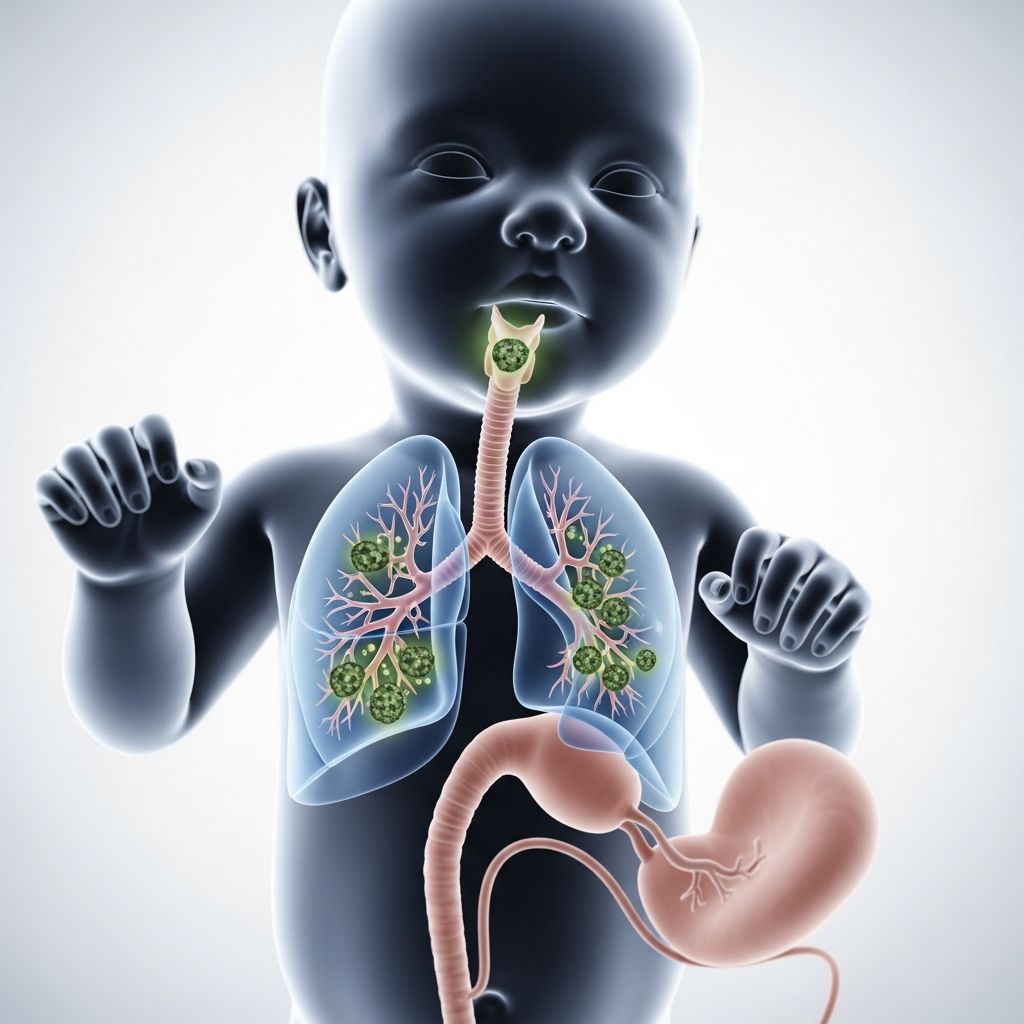
Meconium Aspiration Syndrome: Understanding a Serious Birth Condition
Meconium aspiration syndrome (MAS) is a serious medical condition that occurs when a newborn inhales a mixture of meconium and amniotic fluid into the lungs before, during, or after delivery. Meconium is the dark greenish substance that represents the infant’s first fecal material, normally passed within the first few hours or days following birth. However, when a baby passes meconium while still in the womb due to fetal distress, the substance mixes with amniotic fluid and poses a significant risk to the newborn’s respiratory system. MAS affects approximately 5-10% of births, and while the presence of meconium does not always result in complications, rapid diagnosis and treatment are essential to prevent serious health consequences.
What is Meconium and How Does Aspiration Occur?
Meconium consists of the infant’s intestinal secretions, bile, lanugo (fine body hair), and other materials accumulated during fetal life. When a baby experiences fetal distress in utero, physiological changes occur that trigger the release of meconium into the amniotic fluid. As the distressed infant gasps or inhales, this meconium-stained fluid enters the airway, where it can cause significant obstruction and damage to the delicate pulmonary tissues.
The aspiration typically occurs when the infant’s breathing reflex is stimulated by hypoxia or other stress factors. Once inhaled, the meconium travels into the lungs, where its chemical components irritate the respiratory epithelium and disrupt normal lung function. The consistency and composition of meconium make it particularly problematic because it can completely or partially obstruct airways, impair gas exchange, and trigger inflammatory responses in the lungs.
Understanding the Pathophysiology of Meconium Aspiration Syndrome
The mechanisms by which meconium causes respiratory compromise involve several interconnected processes that develop following aspiration.
Airway Obstruction and Atelectasis
When meconium enters the airways, its sticky nature can lead to complete or partial blockage of air passages. Complete obstruction results in atelectasis, the collapse of affected alveoli due to absence of ventilation. Partial obstruction creates a ball-valve effect, where air becomes trapped distally as the infant exhales, leading to hyperinflation of the lungs. This air trapping can cause progressive overdistension of alveoli and predispose the infant to barotrauma, potentially resulting in pneumothorax (air in the pleural space), pneumomediastinum (air in the mediastinum), or pneumopericardium (air in the pericardial sac).
Surfactant Disruption
Meconium directly interferes with pulmonary surfactant, the essential substance responsible for reducing surface tension in the alveoli and promoting lung compliance. The inactivation of surfactant by meconium increases the work of breathing and contributes to the development of respiratory distress. This disruption further compromises the infant’s ability to maintain adequate ventilation and oxygenation.
Chemical Pneumonitis and Inflammatory Response
The bile salts, intestinal epithelial cells, and other components of meconium directly irritate the delicate pulmonary tissues, triggering a chemical pneumonitis. This inflammatory cascade can progress to acute respiratory distress syndrome (ARDS) in severe cases, characterized by severe hypoxemia, decreased lung compliance, and diffuse pulmonary infiltrates. The inflammation can lead to persistent pulmonary hypertension of the newborn (PPHN), a condition affecting blood flow to and from the lungs.
Pulmonary Hypertension
The inflammatory and hypoxic insult to the lungs can trigger pulmonary vasoconstriction, resulting in elevated pulmonary vascular resistance and right-to-left shunting of blood. This hemodynamic derangement compromises systemic oxygen delivery and can lead to progressive deterioration if not managed appropriately.
Related Stories



Risk Factors and Causes of Meconium Passage
Several maternal, placental, and fetal factors increase the risk of meconium passage and subsequent aspiration.
Primary Risk Factors
Fetal distress represents the primary cause of meconium passage in utero. Conditions that precipitate fetal distress include:
– Intrauterine growth restriction (IUGR)- Umbilical cord compression or nuchal cord- Placental insufficiency or abruption- Maternal preeclampsia or hypertensive disease- Post-term pregnancy (beyond 42 weeks)- Prolonged or difficult labor and delivery- Rupture of membranes with meconium-stained amniotic fluid- Oligohydramnios (decreased amniotic fluid volume)- Maternal infection or chorioamnionitis- Fetal anemia or other hematologic conditions
Maternal and Obstetric Factors
Maternal conditions that increase the risk include maternal diabetes, maternal hypertension, maternal nicotine use, and maternal substance abuse. Additionally, the use of certain intrapartum medications, particularly oxytocin and misoprostol, can predispose to meconium passage. Healthcare provider factors also play a role; failure to appropriately suction the infant’s airways (mouth, nose, and throat) immediately after delivery can allow deeper aspiration of meconium into the lungs.
Clinical Presentation and Symptoms
Infants with meconium aspiration syndrome present with a spectrum of clinical manifestations, ranging from mild respiratory distress to severe respiratory failure.
Common Presenting Symptoms
– Meconium-stained amniotic fluid at delivery- Bluish skin discoloration (cyanosis)- Rapid or labored breathing (tachypnea)- Grunting during inspiration or expiration- Retractions (visible indrawing of chest wall)- Nasal flaring- Body limpness or decreased muscle tone- Slow heart rate (bradycardia)- General signs of respiratory distress
The severity of clinical presentation correlates with the amount of meconium aspirated and the timeliness of intervention. Mild cases may present with only subtle signs of tachypnea, while severe cases present with acute respiratory failure requiring mechanical ventilation.
Diagnostic Approach and Investigations
Rapid and accurate diagnosis of meconium aspiration syndrome is crucial for optimal patient outcomes.
Clinical Diagnosis
Clinical diagnosis begins with the observation of meconium-stained amniotic fluid and the presence of meconium below the vocal cords during initial suctioning of the airway. Direct visualization of meconium in the trachea confirms the diagnosis and indicates the need for aggressive airway management.
Radiological Findings
Chest X-ray findings in MAS typically include characteristic patterns that aid in diagnosis and assessment of severity. Radiographic findings commonly include:
– Patchy or streaky infiltrates described as “salt and pepper” appearance, indicating areas of pneumonitis- Hyperinflation with flattened diaphragms due to air trapping- Areas of atelectasis alternating with hyperaerated regions- Evidence of barotrauma such as pneumothorax or pneumomediastinum in severe cases
Blood Gas Analysis
Arterial or capillary blood gas analysis provides critical information about oxygenation, ventilation, and acid-base status. Initially, respiratory alkalosis may be present due to tachypnea and hyperventilation. As the disease progresses and the infant tires, respiratory acidosis develops secondary to carbon dioxide accumulation from air trapping and inadequate ventilation. The degree of hypoxemia and acidosis helps guide therapeutic decisions and assess disease severity.
Additional Monitoring
Continuous pulse oximetry monitoring tracks oxygen saturation levels. Cardiac monitoring assesses heart rate and rhythm. These non-invasive monitoring parameters help guide oxygen therapy titration and identify secondary complications such as pulmonary hypertension.
Treatment and Management Strategies
Management of meconium aspiration syndrome requires a systematic, multifaceted approach with immediate intervention and ongoing supportive care.
Initial Airway Management
Immediate and aggressive airway management is paramount. When meconium-stained amniotic fluid is detected at delivery, the delivery team should perform immediate suctioning of the mouth, nose, and throat. If the infant requires assistance with breathing or shows signs of respiratory distress, intubation may be necessary. This involves insertion of an endotracheal tube under direct visualization using a laryngoscope, allowing for direct suctioning of meconium from the trachea and bronchi. This procedure removes as much meconium as possible from the central airways, reducing the obstructive burden on the lungs.
Oxygen Therapy
Most infants with MAS require supplemental oxygen to maintain adequate oxygenation. Oxygen therapy is carefully titrated to maintain oxygen saturation between 90-95% and prevent both hypoxemia and hyperoxia. Some infants require only modest supplemental oxygen, while severely affected infants may require high oxygen concentrations or assisted ventilation.
Ventilatory Support
Infants with significant respiratory distress require mechanical ventilation. Ventilator settings are adjusted based on blood gas analysis, with strategies aimed at optimizing oxygenation and ventilation while minimizing barotrauma. In severe cases, high-frequency oscillatory ventilation may be employed. For the most severe cases refractory to conventional ventilation, extracorporeal membrane oxygenation (ECMO) may provide life-saving support by temporarily taking over the functions of the lungs and heart while allowing time for recovery.
Surfactant Therapy
Exogenous surfactant administration can help overcome the surfactant inactivation caused by meconium and improve lung compliance. Surfactant replacement therapy has been shown to reduce the severity of respiratory distress and shorten the duration of mechanical ventilation in some MAS cases.
Pulmonary Vasodilator Therapy
For infants developing pulmonary hypertension, inhaled nitric oxide (iNO) therapy opens pulmonary blood vessels, reduces right-to-left shunting, and improves oxygenation. Nitric oxide is selectively delivered to ventilated lungs, causing pulmonary vasodilation while avoiding systemic hypotension. This targeted therapy has significantly improved outcomes in severe MAS with PPHN.
Supportive Care Measures
Additional supportive measures include:
– Chest physiotherapy and gentle suctioning to mobilize secretions- Antibiotics to prevent or treat secondary bacterial infections- Maintenance of normal body temperature with warming devices- Careful fluid management and nutritional support- Blood glucose monitoring and management- Regular reassessment of vital signs and clinical status
Monitoring and Follow-up
Continuous monitoring of the infant’s respiratory status, oxygenation, heart rate, blood pressure, and general clinical condition is essential during the acute phase. Serial blood gas analyses guide therapy adjustments. Chest X-rays are repeated to assess progression and response to treatment. Most infants with mild to moderate MAS improve within several days to a few weeks with appropriate care.
Complications and Long-term Outcomes
While many infants recover completely from meconium aspiration syndrome, some experience significant complications.
Short-term Complications
During the acute phase, complications may include pneumothorax, pneumomediastinum, pulmonary hypertension, acute respiratory distress syndrome, and secondary bacterial infection. Severe hypoxemia can lead to end-organ damage, particularly affecting the brain, heart, and kidneys.
Long-term Respiratory Complications
Severe meconium aspiration can result in chronic lung injury characterized by persistent inflammation and airway remodeling. Some infants develop chronic coughing and wheezing that may persist for years, occasionally requiring long-term oxygen therapy or mechanical ventilation. Poor weight gain and failure to thrive can occur secondary to increased work of breathing and metabolic demands. Recurrent viral and bacterial pneumonias may plague some children as a consequence of altered airway defenses and residual lung damage.
Neurological Complications
Severe hypoxemia prolonged due to meconium aspiration can result in brain damage with permanent neurological sequelae. Conditions such as cerebral palsy, seizure disorders, and hypoxic-ischemic encephalopathy (HIE) can develop. The risk of these devastating complications underscores the critical importance of prompt recognition and aggressive management of meconium aspiration syndrome. In some cases, parents may not immediately recognize that brain damage has occurred, as neurological deficits may not become apparent until later in development.
Prevention Strategies
While meconium aspiration cannot always be prevented, several strategies reduce the incidence and severity of MAS. Appropriate antepartum surveillance identifies at-risk pregnancies and allows for timely intervention. Management of maternal conditions such as preeclampsia, diabetes, and hypertension reduces fetal distress. Careful obstetric management, including judicious use of labor-augmenting medications and avoidance of unnecessary prolongation of labor, decreases meconium passage. Prompt recognition and management of fetal distress, including consideration of cesarean delivery when indicated, can prevent or minimize meconium aspiration. Immediate and effective suctioning of meconium-stained amniotic fluid at delivery and skilled neonatal resuscitation techniques are essential preventive measures.
Medical Negligence Considerations
Healthcare providers have a professional responsibility to recognize meconium-stained amniotic fluid, perform appropriate airway management, diagnose meconium aspiration syndrome promptly, and institute evidence-based treatment without delay. Failure to meet these standards of care can result in preventable morbidity and mortality. Severe meconium aspiration syndrome causes illness and death in up to 10% of newborns. When healthcare providers fail to diagnose MAS, neglect to perform appropriate suctioning, or delay necessary treatment, infants may suffer catastrophic complications including brain damage, cerebral palsy, or death. Families affected by such medical negligence may pursue legal remedies to obtain compensation for their child’s injuries and ongoing care needs.
Frequently Asked Questions About Meconium Aspiration Syndrome
What exactly is meconium?
Meconium is the infant’s first fecal material, consisting of intestinal secretions, bile, lanugo, and materials accumulated during fetal development. It is normally dark greenish in appearance and is typically passed after birth.
How common is meconium aspiration syndrome?
Meconium aspiration syndrome occurs in approximately 5-10% of all births. However, the presence of meconium alone does not always result in the syndrome; many infants exposed to meconium-stained fluid do not develop significant respiratory complications.
What are the warning signs that my baby might have meconium aspiration syndrome?
Warning signs include meconium-stained amniotic fluid, bluish skin color, rapid breathing, grunting, retractions, nasal flaring, or limpness at birth. Any combination of these signs warrants immediate medical evaluation.
Do all babies with meconium-stained fluid develop meconium aspiration syndrome?
No. While meconium-stained amniotic fluid indicates that meconium passage occurred, it does not guarantee that the infant will develop MAS. Many babies exposed to meconium do not develop significant respiratory disease, particularly if appropriate airway management is performed promptly.
How long does recovery from meconium aspiration syndrome typically take?
Most infants with mild to moderate MAS recover within several days to a few weeks with appropriate treatment. Severely affected infants may require prolonged hospitalization and intensive care. Recovery time depends on the amount of meconium aspirated and the promptness of treatment initiated.
Can meconium aspiration syndrome cause permanent damage?
While many infants recover completely, severe cases can result in lasting complications including chronic lung disease, recurrent respiratory infections, and in the most severe cases with profound hypoxemia, permanent neurological damage such as cerebral palsy.
References
- Meconium Aspiration Syndrome — National Institutes of Health, Genetic and Rare Diseases Information Center. 2024. https://rarediseases.info.nih.gov/diseases/10494/meconium-aspiration-syndrome
- Meconium Aspiration Syndrome: Causes, Diagnosis, and Management — Cerebral Palsy Guidance (medical content reviewed by Board Certified Pediatrician). 2024. https://cerebralpalsyguidance.com/cerebral-palsy/causes/meconium-aspiration-syndrome/
- Meconium Aspiration Syndrome: Treatment and Recovery — Cleveland Clinic. Updated 2024. https://my.clevelandclinic.org/
- Severe Meconium Aspiration Syndrome Statistics and Clinical Outcomes — Johns Hopkins Medicine. 2024. https://www.hopkinsmedicine.org/
- Neonatal Respiratory Distress: Pathophysiology and Clinical Management — American Academy of Pediatrics. Updated 2024. https://www.aap.org/
- The Basics of Meconium Aspiration Syndrome — Straight A Nursing Educational Resources. 2024. https://straightanursingstudent.com/meconium-aspiration-syndrome/
Similar Articles








Read full bio of Sneha Tete