Medical Conditions That Increase Skin Cancer Risk: What To Know
Discover how underlying medical conditions can significantly increase your skin cancer risk.
Can a Medical Condition Increase Your Risk of Skin Cancer?
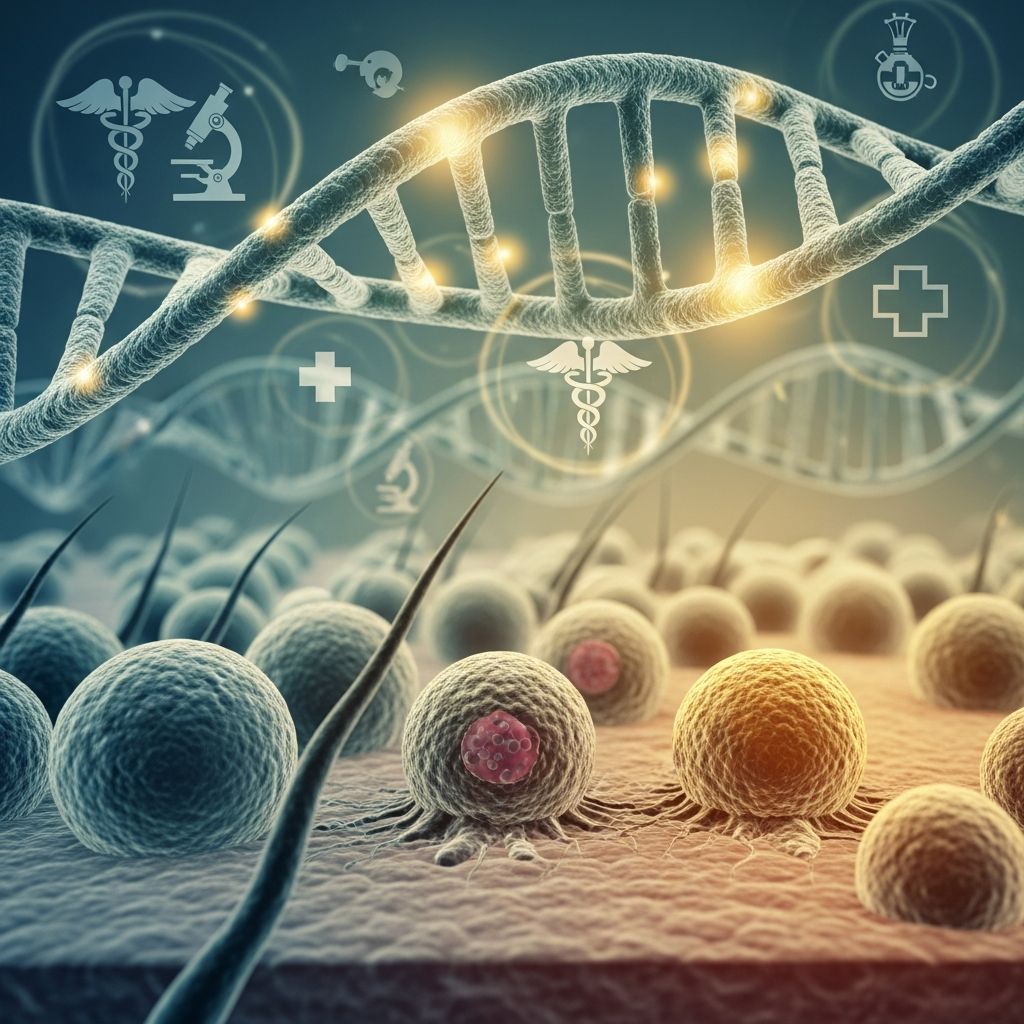
While many people associate skin cancer risk primarily with sun exposure and genetics, the reality is far more complex. Various medical conditions can significantly elevate an individual’s likelihood of developing skin cancer, sometimes by multiple fold. Understanding these medical risk factors is crucial for early detection, prevention, and appropriate management. This comprehensive guide explores how underlying health conditions can increase skin cancer susceptibility and what individuals with these conditions should know about protection and screening.
Understanding Skin Cancer Risk Factors
Skin cancer develops when normal skin cells undergo malignant transformation, typically due to accumulated cellular damage. Multiple factors contribute to this process, including ultraviolet (UV) radiation exposure, genetic predisposition, and importantly, the health status of the immune system and other bodily systems. Medical conditions that compromise immune function or alter skin integrity can substantially increase vulnerability to skin cancer development.
The three main types of skin cancer—melanoma, basal cell carcinoma (BCC), and squamous cell carcinoma (SCC)—each have distinct risk profiles, though medical conditions often affect risk across multiple types. Understanding which conditions pose the greatest risk can help individuals take appropriate preventive measures and engage in more frequent screening.
Weakened Immune System and Skin Cancer Risk
One of the most significant medical risk factors for skin cancer is a compromised immune system. The immune system plays a critical role in detecting and destroying abnormal cells before they develop into cancer. When immune function is impaired, the body loses this protective barrier, substantially increasing skin cancer risk.
Individuals with weakened immune systems face elevated risk for multiple skin cancer types, including squamous cell cancer, melanoma, and less common variants such as Kaposi sarcoma and Merkel cell carcinoma. More concerning, skin cancers in immunocompromised individuals tend to grow faster and prove more difficult to treat, making prevention and early detection even more critical.
Causes of Immunosuppression
Several medical conditions and treatments can weaken immune function:
- Organ transplant recipients: Individuals who receive transplanted organs are typically prescribed immunosuppressive medications to prevent organ rejection. This trade-off significantly increases skin cancer risk as a consequence of necessary medical treatment.
- HIV and AIDS: Infection with HIV, which causes AIDS, severely compromises immune function and substantially increases risk for basal and squamous cell cancers.
- Corticosteroid therapy: Treatment with high-dose corticosteroid drugs can weaken immune system function and elevate skin cancer risk.
- Autoimmune diseases: Conditions like lupus and rheumatoid arthritis may require immunosuppressive treatment that increases skin cancer susceptibility.
- Chemotherapy: Cancer treatment medications that suppress bone marrow function can temporarily or permanently weaken immune response.
Genetic Syndromes and Inherited Conditions
Certain genetic disorders dramatically elevate skin cancer risk from early life. These inherited conditions affect how the body protects itself from UV damage or repairs cellular DNA, creating a fundamentally elevated baseline risk.
Xeroderma Pigmentosum (XP)
Xeroderma pigmentosum is a rare inherited disorder characterized by severe sensitivity to sunlight and an inability to repair UV-induced DNA damage. Individuals with this condition have an extraordinarily high risk of developing skin cancer, often starting in childhood. People with XP require extreme sun protection measures and intensive surveillance.
Basal Cell Nevus Syndrome (Gorlin Syndrome)
Also known as nevoid basal cell carcinoma syndrome, this autosomal dominant genetic condition causes multiple basal cell cancers to develop throughout life, often beginning in childhood or adolescence. Affected individuals require comprehensive dermatologic monitoring and may benefit from preventive treatments.
Albinism
Albinism represents an inherited lack of protective skin pigment, resulting in significantly reduced melanin production. Individuals with this condition typically have pink-white skin and white hair, making them extremely vulnerable to sunburns and skin cancer. They require exceptional sun protection strategies throughout their lives.
Other Genetic Syndromes
Additional inherited conditions linked with increased skin cancer risk include:
- Epidermolysis bullosa
- Fanconi anemia
- Muir-Torre syndrome
- Rothmund-Thomson syndrome
- Bloom syndrome
- Werner syndrome
- BAP1 tumor predisposition syndrome
These conditions typically require specialized medical management and intensified skin cancer screening protocols.
Chronic Inflammatory Skin Conditions
Chronic inflammation of the skin itself can predispose to skin cancer development, particularly squamous cell carcinoma. Long-standing inflammatory conditions damage skin integrity and may trigger malignant transformation.
Severe Burns and Skin Injury
Scars from severe burns and areas of skin overlying serious bone infections show increased likelihood of developing skin cancers, predominantly squamous cell carcinomas. While the absolute risk remains relatively small, individuals with extensive burn scars should maintain vigilant monitoring of affected areas.
Psoriasis and PUVA Treatment
Psoriasis itself is a chronic inflammatory skin disease, but the treatment carries additional risk considerations. Psoralens combined with ultraviolet light (PUVA) therapy, historically used to treat psoriasis, can increase the risk of developing squamous cell skin cancer and possibly other skin cancer types. Modern treatment approaches often utilize alternatives with lower cancer risk, but individuals who received PUVA therapy should be aware of this potential increased risk and engage in appropriate screening.
Personal History of Skin Cancer
Individuals with a personal history of skin cancer face substantially elevated risk for developing additional skin cancers. This reflects both the underlying genetic and phenotypic susceptibility that led to the first cancer and the cumulative cellular damage in the skin.
People who have had a basal or squamous cell cancer have a much higher chance of developing another one. Furthermore, melanoma survivors face approximately a 9-fold increased risk of developing subsequent melanoma compared with the general population. Additionally, individuals with a personal history of basal cell carcinoma show a 6.6-fold higher risk of melanoma compared with those without a BCC diagnosis.
The 3-year cumulative risk for developing a subsequent basal cell carcinoma after the first one varies between studies, with a mean of approximately 44 percent, representing at least a 10-fold increase compared with the general population rate.
Radiation Exposure and Treatment Effects
Individuals who have received radiation therapy for cancer treatment face elevated risk of developing skin cancer in the irradiated area. This concern is particularly acute in children who received radiation treatment for cancer, as their longer life expectancy means more time for cancer-causing mutations to accumulate in treated skin.
Additionally, overexposure to x-rays increases skin cancer risk through cumulative radiation damage.
Precancerous Skin Lesions
Individuals with precancerous skin lesions, such as actinic (solar) keratosis, have substantially elevated risk for progression to invasive skin cancer. These lesions represent early stages of malignant transformation and warrant professional evaluation and treatment.
Risk Assessment and Protective Measures
Individuals with medical conditions that increase skin cancer risk should implement comprehensive protective strategies:
- Regular professional skin examinations: More frequent dermatology appointments (potentially every 3-6 months) are advisable for high-risk individuals
- Strict sun protection: Daily broad-spectrum sunscreen (SPF 30+), protective clothing, and avoidance of peak sun hours
- Self-examination: Monthly skin self-checks using the ABCDE method to identify suspicious changes early
- Environmental modifications: Seeking shade, using sun-protective window films, and considering occupational adjustments if necessary
- Avoidance of tanning: Complete avoidance of intentional tanning beds and sun tanning
- Medical optimization: Working with healthcare providers to manage underlying conditions and minimize necessary immunosuppressive therapy when possible
Frequently Asked Questions
Q: How much more frequently should someone with a weakened immune system get skin cancer screenings?
A: The frequency should be individualized based on specific immune status and previous skin cancer history, but many dermatologists recommend every 3-6 months for immunocompromised individuals, compared to annual screenings for the general population. Consult with your dermatologist about appropriate screening intervals.
Q: Can someone with xeroderma pigmentosum safely spend any time in the sun?
A: Individuals with XP require extreme sun avoidance and typically cannot safely spend meaningful time outdoors without maximum protection including protective clothing, hats, and high-SPF sunscreen. Many spend most daylight hours indoors.
Q: If I had one basal cell carcinoma, what is my risk of developing another?
A: Research indicates approximately a 44 percent cumulative risk within 3 years of the first diagnosis, representing at least a 10-fold increased risk compared to the general population. However, individual risk varies based on other factors like sun exposure habits and genetic predisposition.
Q: Does having psoriasis itself increase skin cancer risk, or only the PUVA treatment?
A: Primarily the PUVA treatment carries increased skin cancer risk. Modern psoriasis management often utilizes alternative therapies with lower cancer risk profiles. Discuss treatment options with your dermatologist if you’re concerned about skin cancer risk.
Q: What should organ transplant recipients know about skin cancer risk?
A: Transplant recipients require immunosuppressive medications to prevent rejection, which significantly increases skin cancer risk. They should engage in rigorous sun protection, perform monthly self-examinations, and undergo professional skin checks every 3-6 months. Work with your transplant and dermatology teams regarding appropriate surveillance.
Q: Are there any genetic tests that can identify increased skin cancer risk?
A: Genetic testing is available for certain high-risk syndromes like xeroderma pigmentosum, basal cell nevus syndrome, and MC1R variants. If you have a strong family history of skin cancer or symptoms suggestive of a genetic syndrome, consult a genetic counselor or dermatologist about appropriate testing.
When to Seek Professional Evaluation
Individuals with medical conditions that increase skin cancer risk should seek professional dermatologic evaluation if they notice:
- Any new or changing moles or skin growths
- Lesions that itch, bleed, or don’t heal within several weeks
- Asymmetrical moles with irregular borders or color variation
- Lesions larger than a quarter-inch in diameter
- Any skin changes in previously treated or scar tissue areas
Conclusion
Medical conditions significantly increase skin cancer risk through multiple mechanisms, from immune system suppression to genetic predisposition to chronic skin inflammation. Individuals with these conditions face substantially elevated lifetime risk but can substantially reduce their cancer burden through vigilant sun protection, regular professional surveillance, and prompt evaluation of suspicious lesions. Awareness of personal risk factors enables informed decision-making and empowers individuals to work effectively with their healthcare teams to optimize prevention and early detection strategies.
References
- Basal and Squamous Cell Skin Cancer Risk Factors — American Cancer Society. 2024. https://www.cancer.org/cancer/types/basal-and-squamous-cell-skin-cancer/causes-risks-prevention/risk-factors.html
- Risk Factors and Innovations in Risk Assessment for Melanoma — National Center for Biotechnology Information. 2024. https://pmc.ncbi.nlm.nih.gov/articles/PMC10931186/
- Skin Cancer Risk Factors — University of Pittsburgh Medical Center. 2024. https://www.upmc.com/services/dermatology/department-of-derm/skin-cancer-program/skin-cancer-risk-factors
- Skin Cancer Risk Factors — Centers for Disease Control and Prevention. 2024. https://www.cdc.gov/skin-cancer/risk-factors/index.html
- Nonmelanoma Skin Cancer: Risk Factors — UMass Memorial Health. 2024. https://www.ummhealth.org/health-library/nonmelanoma-skin-cancer-risk-factors
- Who’s at Increased Risk for Skin Cancer? — MD Anderson Cancer Center. 2024. https://www.mdanderson.org/cancerwise/who-is-at-increased-risk-for-skin-cancer.h00-159542112.html
- Melanoma Prevention & Cancer Risk Factors — Banner MD Anderson Cancer Center. 2024. https://www.bannerhealth.com/services/cancer/cancer-type/melanoma/risk-factors-and-prevention
Similar Articles



Read full bio of Sneha Tete