Understanding Medical Imaging Technologies
Explore how modern diagnostic imaging reveals the body's secrets
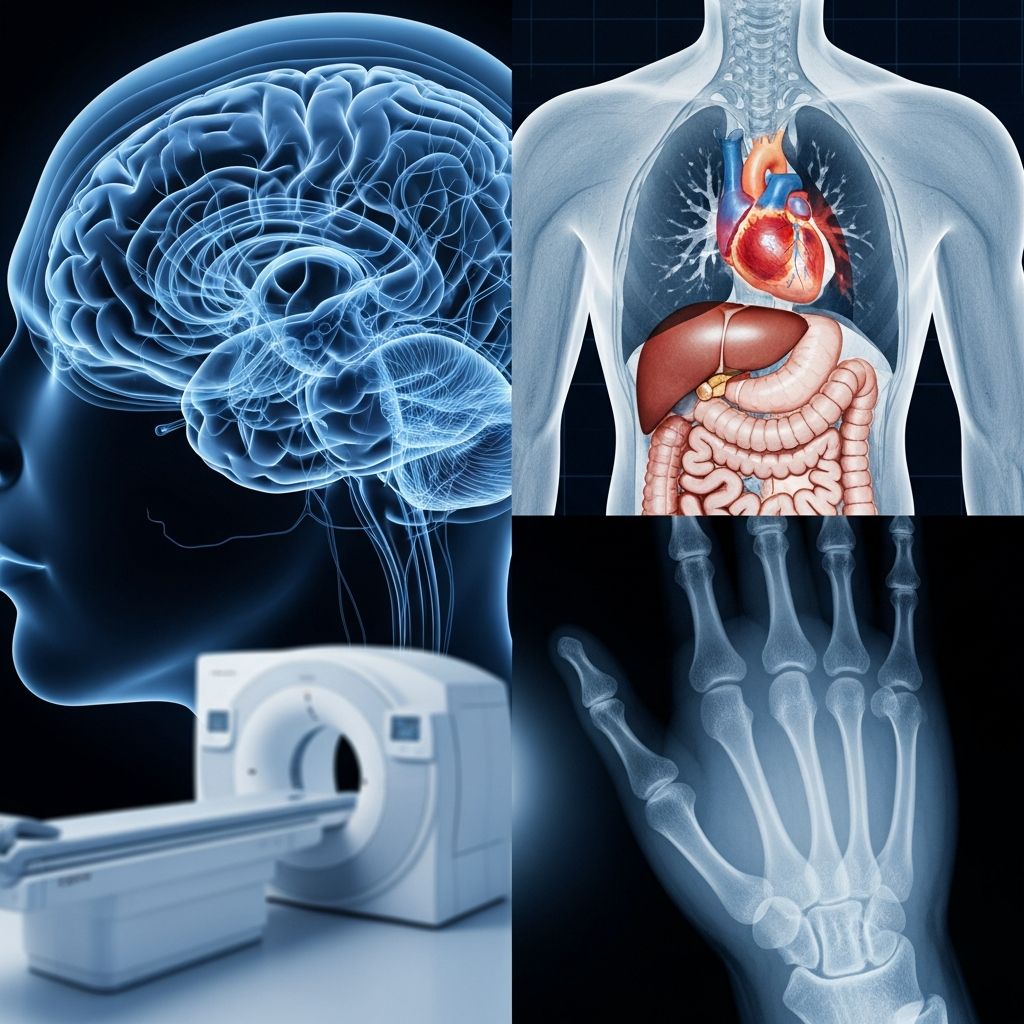
Medical imaging represents one of the most transformative developments in modern healthcare, enabling physicians to visualize internal body structures without invasive surgical procedures. These diagnostic technologies form the foundation of contemporary medicine, allowing clinicians to identify abnormalities, monitor disease progression, and guide treatment interventions with unprecedented precision.
The Evolution and Importance of Diagnostic Imaging
The field of radiology encompasses a diverse array of technologies designed to create visual representations of human anatomy and physiology. Since Wilhelm Conrad Roentgen’s discovery of X-rays in 1895, imaging technology has evolved dramatically, transforming from simple two-dimensional radiographs to sophisticated three-dimensional reconstructions and functional imaging studies. Today, medical imaging serves as an indispensable tool for detecting fractures, identifying infections, spotting early signs of malignancy, and monitoring the effectiveness of ongoing treatments.
The World Health Organization recognizes medical imaging as central to modern medical practice, encompassing both diagnostic applications for disease identification and therapeutic applications for treatment guidance. Healthcare systems worldwide have integrated these technologies into routine clinical workflows, making them essential components of the diagnostic process across virtually every medical specialty.
Primary Imaging Modalities in Clinical Practice
Healthcare providers utilize several distinct imaging technologies, each offering unique advantages for visualizing different anatomical structures and pathological processes. The selection of an appropriate imaging modality depends on the clinical question being addressed, the anatomical region of interest, and considerations regarding radiation exposure and cost.
Radiography: The Foundation of Medical Imaging
Radiography, commonly known as X-ray imaging, represents the most widely used diagnostic imaging technique worldwide. This technology operates by directing electromagnetic radiation through the body, with different tissues absorbing varying amounts of radiation based on their density. Dense structures such as bone absorb most radiation and appear white on the resulting image, while air-filled spaces appear black, with soft tissues displaying intermediate gray tones.
The fundamental principle underlying radiographic interpretation involves understanding the concept of density and lucency. Density refers to bright, white areas representing structures that absorb significant radiation, exemplified by the humerus bone. Lucency describes dark, black areas corresponding to structures that permit radiation to pass through unimpeded, such as air within the lungs. Radiography excels at providing high spatial resolution with comprehensive visualization of structures that may be difficult to perceive from cross-sectional perspectives. This imaging modality remains the first-line diagnostic tool for evaluating chest pathology, abdominal conditions, and skeletal abnormalities.
Computed Tomography: Advanced Cross-Sectional Imaging
Computed tomography (CT) represents a significant advancement over conventional radiography by generating three-dimensional representations of anatomical structures. A CT scanner utilizes a rotating x-ray tube that captures multiple images from different angles around the patient’s body. Computer algorithms then reconstruct these individual projections into detailed cross-sectional slices, providing superior visualization of internal organs and soft tissues compared to conventional radiography.
Modern CT technology encompasses several variations including single-slice CT (SSCT), spiral CT, and multi-slice CT (MSCT), each offering different advantages regarding slice thickness, scanning speed, and radiation dose optimization. CT scanners provide operators with the flexibility to switch between bone window and soft tissue window settings, allowing visualization of structures with different density characteristics. The integration of CT imaging with radiological contrast agents—substances that enhance tissue visualization—further expands diagnostic capabilities, enabling evaluation of vascular structures, organ perfusion, and fluid distribution throughout the body. CT proves particularly valuable for assessing the musculoskeletal system, evaluating the parenchyma of solid organs, and determining the distribution of body fluids.
Related Stories



Magnetic Resonance Imaging: Superior Soft Tissue Visualization
Magnetic resonance imaging (MRI) operates through fundamentally different physical principles compared to radiographic techniques, utilizing powerful magnetic fields and radiofrequency pulses to excite hydrogen protons present throughout the human body. As excited hydrogen ions return to their resting state, they emit radiofrequency signals that the MRI scanner detects and converts into gray-scale images through sophisticated computer processing. Because the human body consists predominantly of water and fat—substances rich in hydrogen atoms—MRI provides exceptional sensitivity for tissue characterization.
MRI’s greatest advantage lies in its ability to provide superior contrast resolution for soft tissues, particularly evident in neurological imaging where the white and gray matter structures of the brain can be readily distinguished. This modality excels at detecting multiple sclerosis, central nervous system tumors, brain and spine infections, acute stroke, ligament and tendon injuries, muscle degeneration, bone tumors, and blood vessel occlusions. MRI also possesses a crucial safety advantage: it uses nonionizing radiation, eliminating the radiation exposure risks associated with X-ray and CT imaging. Beyond anatomical visualization, MRI can depict physiological processes through functional MRI (fMRI) techniques, enabling assessment of brain activation patterns and metabolic activity.
In cardiovascular imaging, MRI provides comprehensive evaluation of cardiac structure, function, perfusion, metabolism, and blood flow, making it invaluable for detecting congenital cardiac diseases, thoracic aorta abnormalities, pericardial pathology, myocardial tumors, and right ventricular dysplasia. Dynamic contrast-enhanced MRI (DCE-MRI) has emerged as a powerful tool for evaluating tumor microenvironment characteristics and treatment response.
Ultrasound: Real-Time Radiation-Free Imaging
Ultrasonography employs high-frequency sound waves to generate tissue images based on acoustic density differences, offering a completely radiation-free diagnostic option. This imaging modality proves particularly valuable in obstetric applications for monitoring pregnancy progression, in cancer screening for breast pathology evaluation, and in assessment of hollow visceral organs such as the gallbladder. Specialized applications include Doppler ultrasonography, which evaluates blood flow through arteries and veins, with transcranial ultrasonography examining cerebral blood flow and carotid ultrasonography assessing blood flow through the carotid arteries.
The safety profile of ultrasound makes it the preferred imaging modality for vulnerable populations, particularly during pregnancy when radiation exposure must be minimized. The real-time imaging capabilities of ultrasound enable dynamic assessment of organ function and physiological processes, distinguishing it from static imaging modalities.
Nuclear Medicine and Molecular Imaging
Nuclear medicine encompasses a spectrum of imaging methods that visualize organ function rather than anatomical structure by utilizing gamma-radiation-emitting radiopharmaceuticals—radioactive pharmaceutical compounds that accumulate in specific body tissues based on physiological function. These agents allow clinicians to assess metabolic activity, detect malignancy, and evaluate organ dysfunction at the molecular level. Positron emission tomography (PET) scanning represents a primary nuclear medicine technique, providing metabolic and functional information complementary to anatomical imaging modalities.
Comparative Analysis of Imaging Modalities
| Imaging Modality | Primary Technology | Key Applications | Radiation Risk |
|---|---|---|---|
| X-ray Radiography | Electromagnetic radiation | Chest, abdominal, skeletal assessment | Ionizing (low) |
| Computed Tomography | Multiple X-ray angles with computer reconstruction | Musculoskeletal, organ parenchyma, fluid distribution | Ionizing (moderate) |
| Magnetic Resonance Imaging | Magnetic fields and radiofrequency pulses | Soft tissues, brain, spine, cardiovascular assessment | None (nonionizing) |
| Ultrasound | High-frequency sound waves | Obstetrics, organ evaluation, vascular assessment | None |
| Nuclear Medicine | Radiopharmaceutical tracers | Metabolic and functional assessment | Ionizing (variable) |
Specialized Imaging Techniques
Mammography represents a specialized radiographic technique using specially calibrated x-ray equipment optimized for breast tissue visualization, serving as a vital screening tool for early breast cancer detection. This modality combines the accessibility and cost-effectiveness of radiography with anatomical precision required for identifying microcalcifications and subtle lesions characteristic of malignancy.
Fluoroscopy extends conventional radiography by providing real-time visualization of internal structures during motion, enabling assessment of gastrointestinal tract function through upper gastrointestinal (GI) and barium enema studies. Angiography, a specialized fluoroscopic technique, visualizes vascular structures through injection of radiopaque contrast agents, allowing evaluation of blood vessels and cardiac chambers.
Clinical Decision-Making and Imaging Selection
The selection of an appropriate imaging modality requires careful consideration of multiple factors including the clinical question being addressed, anatomical region of interest, required imaging resolution, patient safety considerations, and available institutional resources. While X-rays provide an excellent first-line diagnostic tool for many conditions due to their accessibility and low radiation exposure, CT scans offer superior sensitivity for detecting subtle abnormalities and providing three-dimensional anatomical detail. MRI provides unmatched soft tissue contrast without radiation exposure, making it invaluable for neurological and musculoskeletal imaging. Ultrasound offers real-time assessment with complete absence of radiation, particularly valuable in obstetrics and vascular imaging.
Radiation Considerations in Medical Imaging
Several diagnostic imaging modalities utilize ionizing radiation, necessitating careful risk-benefit assessment. X-ray radiography and CT scanning deliver x-ray beams representing ionizing radiation that can damage cellular DNA at high doses, creating theoretical cancer risks that must be weighed against the diagnostic benefits of imaging studies. However, medical imaging doses are carefully controlled and optimized to minimize unnecessary radiation exposure while maintaining diagnostic quality. MRI and ultrasound offer radiation-free alternatives valuable for imaging pregnant patients and situations requiring repeated assessment.
Emerging Technologies and Future Directions
Medical imaging continues to evolve with development of hybrid imaging modalities such as PET-CT combining metabolic and anatomical information, and PET-MR integrating molecular imaging with superior soft tissue visualization. Advanced techniques including dynamic contrast-enhanced MRI for tumor characterization and functional MRI for neurosurgical planning represent growing applications expanding diagnostic capabilities beyond conventional anatomical assessment.
Frequently Asked Questions
What is the primary difference between MRI and CT scanning?
CT scanning uses ionizing radiation to create detailed cross-sectional images particularly useful for bone and acute injury evaluation, while MRI utilizes magnetic fields and radio waves to provide superior soft tissue contrast without radiation exposure. MRI proves superior for evaluating the brain, spinal cord, and musculoskeletal soft tissues, while CT excels at rapid imaging of acute conditions and bone structures.
Is ultrasound imaging safe during pregnancy?
Yes, ultrasound represents the safest imaging modality during pregnancy as it employs high-frequency sound waves rather than ionizing radiation. It enables real-time assessment of fetal development and pregnancy progression without radiation risks.
Why might a physician order both X-ray and CT imaging?
X-rays provide rapid, cost-effective initial assessment of many conditions, while CT offers superior anatomical detail and sensitivity for detecting subtle abnormalities. A physician may order X-rays initially for screening followed by CT for definitive diagnosis and treatment planning.
How does nuclear medicine imaging differ from other modalities?
Nuclear medicine evaluates organ function and metabolic activity by detecting radiation emitted from injected radioactive tracers, unlike other modalities that visualize anatomical structure. It provides functional information complementary to anatomical imaging.
References
- Radiological anatomy and medical imaging — Kenhub. Retrieved from https://www.kenhub.com/en/library/anatomy/medical-imaging-and-radiological-anatomy
- What is Diagnostic Radiology? A Comprehensive Introduction — MCR Radiology Services. Retrieved from https://mcrrads.com/what-is-diagnostic-radiology-a-comprehensive-introduction/
- Modern Diagnostic Imaging Technique Applications and Risk — National Center for Biotechnology Information (NCBI). Retrieved from https://pmc.ncbi.nlm.nih.gov/articles/PMC9192206/
- What Is Radiology and Why is it Important — Health Images. Retrieved from https://www.healthimages.com/what-is-radiology/
- Diagnostic Imaging Techniques — Oregon State University College of Veterinary Medicine. Retrieved from https://vetmed.oregonstate.edu/hospital/diagnostic-imaging-techniques
- Strengthening medical imaging — World Health Organization (WHO). Retrieved from https://www.who.int/activities/strengthening-medical-imaging
- Imaging and radiology: MedlinePlus Medical Encyclopedia — MedlinePlus, U.S. National Library of Medicine. Retrieved from https://medlineplus.gov/ency/article/007451.htm
- Medical Imaging — U.S. Food and Drug Administration (FDA). Retrieved from https://www.fda.gov/radiation-emitting-products/radiation-emitting-products-and-procedures/medical-imaging
- Facts About Imaging Procedures — Centers for Disease Control and Prevention (CDC). Retrieved from https://www.cdc.gov/radiation-health/data-research/facts-stats/imaging-procedures.html
Similar Articles








Read full bio of medha deb