Medical Nail Avulsion: Procedure, Recovery, Outcomes
Non-surgical method using urea to safely remove symptomatic nails, avoiding painful aggressive procedures.
Author: Dr. Reviewed by: See Authors
What is medical nail avulsion?
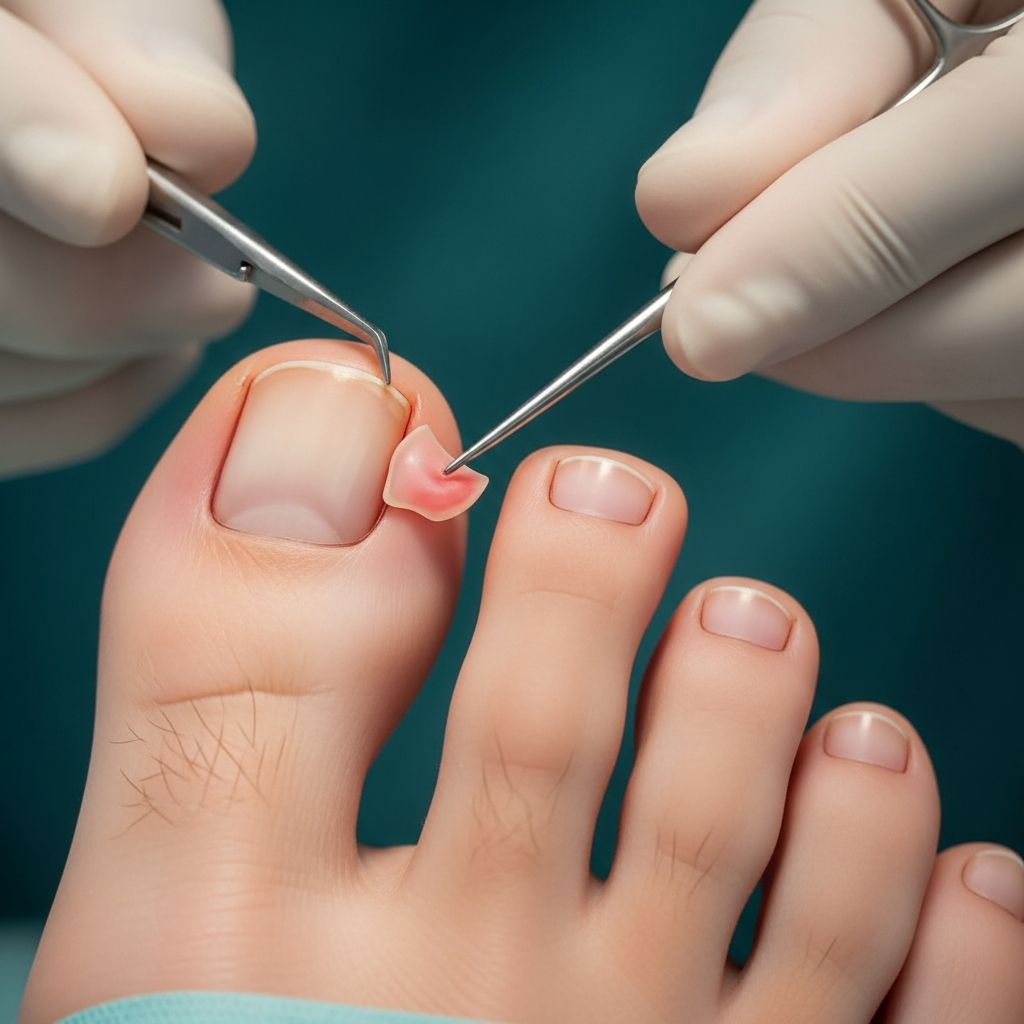
Medical nail avulsion is a non-surgical method to partially or completely remove a nail plate using a topical urea preparation. It macerates the nail keratin, allowing gentle peeling away of diseased or thickened nail without aggressive instrumentation. This approach treats symptomatic nails unresponsive to conservative therapies, preserving the nail bed for potential regrowth or skin coverage.
Nails may require removal due to infections, trauma, or chronic conditions lifting the nail from its bed (onycholysis). Medical avulsion offers a conservative alternative to painful surgical options like total nail avulsion or matricectomy.
Who gets medical nail avulsion?
Candidates include patients with:
- Onychomycosis (fungal nail infection) causing thickening, discoloration, and onycholysis unresponsive to antifungals.
- Ongchiomycosis (ingrown toenail, onychocryptosis) with recurrent infection or granulation tissue.
- Hyperkeratotic nails from psoriasis, eczema, or trauma.
- Traumatic nail avulsion or dystrophic nails requiring debridement.
- Painful, thickened nails impairing footwear or mobility, especially in elderly or diabetic patients.
Most common in toenails, particularly the great toe, due to trauma from tight shoes, sports injuries, or fungal exposure in communal areas.
What causes the need for nail avulsion?
Nail avulsion becomes necessary when underlying conditions compromise nail integrity:
- Trauma: Stubbing toes, dropping heavy objects, or sports injuries cause partial or complete nail detachment (avulsion).
- Infections: Fungal (dermatophytes, Candida) weaken nail structure; bacterial superinfections exacerbate separation.
- Ingrown toenails: Nail edges embed in skin, causing inflammation, infection, and hypertrophy.
- Dystrophies: Psoriasis, lichen planus, or repeated trauma lead to thickened, brittle nails.
- Systemic factors: Diabetes, poor circulation, or immunosuppression increase infection risk and poor healing.
| Cause | Prevalence | Typical Nail Changes |
|---|---|---|
| Trauma | High (sports, accidents) | Partial avulsion, hematoma, onycholysis |
| Onychomycosis | Common in adults >60 | Thickening, yellowing, crumbling |
| Ingrown toenail | Adolescents/young adults | Redness, pus, granulation |
| Psoriasis | 10-50% of cases | Pitting, hyperkeratosis, oil drop |
What are the symptoms of nail conditions requiring avulsion?
Symptoms prompting medical intervention include:
- Pain on pressure or walking, limiting daily activities.
- Swelling, redness, warmth indicating inflammation or infection.
- Discoloration (yellow, white, green) or nail separation exposing sensitive nail bed.
- Drainage of pus, foul odor, or granulation tissue formation.
- Thickened, brittle nails resisting trimming, causing footwear issues.
In severe cases, cellulitis, osteomyelitis, or systemic fever may develop, necessitating urgent care.
How is the diagnosis made?
Diagnosis combines clinical assessment with targeted tests:
- History and examination: Assess trauma history, symptoms duration, risk factors (diabetes, athlete), and nail morphology.
- KOH preparation/microscopy: Confirms fungal elements in suspected onychomycosis.
- Culture: Identifies specific pathogens for targeted antifungals.
- Wood lamp: Detects fluorescent dermatophytes.
- Nail biopsy: Rarely, for psoriasis or neoplasia confirmation.
- X-ray: Rules out osteomyelitis in chronic infections.
What is the treatment for nail conditions requiring avulsion?
Conservative management
Initial approaches before avulsion:
- Topical antifungals (amorolfine, ciclopirox) for early onychomycosis.
- Footwear modification and hygiene for ingrown nails.
- Topical steroids for inflammatory dystrophies.
Medical nail avulsion procedure
Related Stories



The standard protocol uses 40% urea compound applied daily for 3-6 weeks:
- Prepare formulation: Urea 40% with occlusive base (e.g., petrolatum, lactic acid, glycerin).
- Day 1: File nail surface, apply urea paste generously, cover with plastic film, then adhesive tape (zinc oxide or benzoin-tinctured).
- Daily: Reapply urea after gentle paring of softened nail edges.
- Weekly: Remove dressing, soak in antiseptic/saline, debride loose nail, re-occlude.
- Completion: Nail detaches fully; protect exposed bed with non-stick dressing.
Duration: Fingernails: 3 weeks; toenails: 4-6 weeks depending on thickness.
Surgical alternatives
- Partial avulsion: Removes embedded portion for onychocryptosis, often with matrix phenolisation to prevent regrowth.
- Total surgical avulsion: Forceps extraction under local anesthesia for trauma or severe infection.
- Matrixectomy: Permanent ablation for recurrent problems using phenol, sodium hydroxide, or CO2 laser.
What is the outcome for medical nail avulsion?
Medical avulsion yields high success:
- Pain relief: Immediate upon nail removal.
- Infection control: Allows direct antifungal access to nail bed.
- Healing: Nail bed epithelializes in 2-4 weeks; new nail regrows in 6-12 months (toenails longer).
- Regrowth quality: 80-90% normal if matrix intact; deformities possible with matrix damage.
A protective skin layer covers the bed if nail doesn’t regrow, preventing sensitivity.
Prevention of nail problems
- Wear properly fitted shoes, avoiding tight toe boxes.
- Trim nails straight across, not rounded.
- Maintain foot hygiene; dry thoroughly post-bathing.
- Use antifungal powders in shoes/socks for at-risk individuals.
- Protect toes during sports/heavy work.
- Manage comorbidities (diabetes control, psoriasis treatment).
Potential complications
Risks are minimal but include:
- Bacterial infection: Monitor for increased redness, pus; treat with antibiotics.
- Contact dermatitis: From adhesives (benzoin allergy to balsam of Peru; tape to colophony).
- Pain/matrix damage: Rare with medical method vs. surgical.
- Poor regrowth: Ridging, thickening if matrix scarred.
- Recurrence: 20-30% for fungal without maintenance therapy.
Frequently asked questions
Is medical nail avulsion painful?
No, it’s painless as urea softens nail gradually without cutting or forcing.
How long does toenail regrow after avulsion?
12-18 months for full regrowth; fingernails 4-6 months.
Can I walk during treatment?
Yes, use open shoes; protect dressing from water.
Will the nail grow back deformed?
Usually normal if matrix undamaged; trauma/infection may cause dystrophy.
Is chemical avulsion permanent?
No, unlike surgical matrixectomy; nail typically regrows unless intentionally ablated.
References
- Medical nail avulsion – DermNet — DermNet NZ. 2023. https://dermnetnz.org/topics/medical-nail-avulsion
- Nail Bed Avulsion — AOA Orthopedic Specialists. 2024-01-15. https://www.arlingtonortho.com/conditions/hand-and-wrist/nail-bed-avulsion/
- What Is a Nail Avulsion? — Stamford Footcare. 2023-05-20. https://www.stamfordfootcare.com/blog/what-is-a-nail-avulsion.html
- Nail Avulsion | The Foot Practice Podiatry Singapore — The Foot Practice. 2024. https://thefootpractice.com/skin-nail-care/nail-avulsion/
- Understanding Toenail Avulsion: Causes, Treatments — Bayu Medicare. 2023-11-10. https://bayumedicare.com/toenail-avulsion/
- Toenail Trauma: Causes, Symptoms & Treatment — The Foot Hub. 2024-02-01. https://thefoothub.com.au/toenail-trauma/
Similar Articles








Read full bio of Sneha Tete