Medication Guide For Seniors: Essential Safe Practices
Essential strategies for older adults to manage prescriptions safely, avoid risks, and optimize health outcomes.
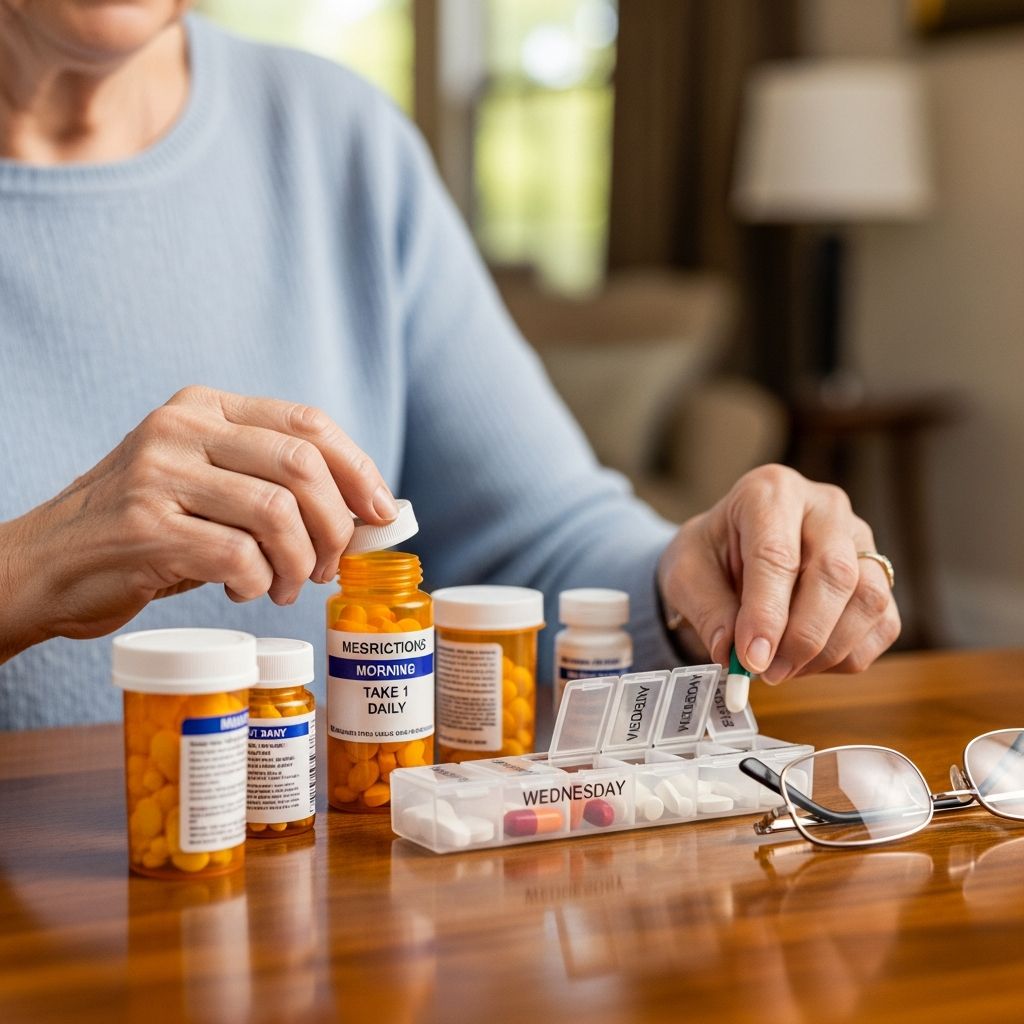
Older adults often manage multiple prescriptions to address chronic conditions, but age-related changes in body function heighten the risk of side effects and interactions. This guide explores safe medication practices, identifies potentially harmful drugs, and offers practical strategies for effective use.
Why Medications Pose Greater Risks for Older Adults
As people age, physiological changes such as reduced kidney and liver function slow drug metabolism and clearance, leading to higher concentrations in the bloodstream. This amplifies side effects and toxicity. Additionally, older adults frequently take multiple drugs (polypharmacy), increasing interaction risks. Conditions like dementia or frailty exacerbate vulnerabilities to confusion, falls, and cognitive decline from certain medications.
Statistics indicate that adults over 65 use prescription drugs more than any other group, with many taking five or more daily. Improper use contributes to 40-75% non-adherence rates, worsening health outcomes.
High-Risk Drug Categories to Approach with Caution
Several medication classes carry elevated dangers for seniors due to anticholinergic properties, sedation, or organ strain. Awareness empowers informed discussions with healthcare providers.
Anticholinergics and Their Effects
These drugs block acetylcholine, a neurotransmitter vital for memory, digestion, and bladder control. In seniors, they often cause dry mouth, constipation, urinary retention, confusion, and falls. Common uses include treating allergies, overactive bladder, and tremors.
- Antihistamines: Like diphenhydramine, used for colds or sleep; promote drowsiness and delirium.
- Antidepressants: Certain tricyclics (TCAs) heighten fall risks and heart rhythm issues.
- Gastrointestinal antispasmodics: Relieve cramps but trigger severe side effects.
Pain Relievers and Anti-Inflammatories
Nonsteroidal anti-inflammatory drugs (NSAIDs) like indomethacin ease pain but risk gastrointestinal bleeding, ulcers, and kidney damage with prolonged use. Prefer lower-risk options such as acetaminophen or topical gels.
Gabapentinoids (gabapentin, pregabalin) for nerve pain combine poorly with opioids, causing excessive sedation and respiratory issues.
Mental Health Medications
Antidepressants, antipsychotics, and anxiolytics demand careful selection. TCAs are rarely ideal; SSRIs/SNRIs are safer but cap doses (e.g., citalopram ≤20mg/day) to avoid QT prolongation. Antipsychotics in dementia patients raise stroke and mortality risks.
Benzodiazepines and non-benzodiazepine hypnotics (e.g., zolpidem) link to falls, fractures, and cognitive impairment; opt for low-dose alternatives like doxepin or ramelteon.
Other Concerning Classes
| Drug Class | Common Uses | Risks in Seniors | Safer Alternatives |
|---|---|---|---|
| Proton Pump Inhibitors (PPIs) | Acid reflux, ulcers | C. diff infection, bone fractures, B12 deficiency | Short-term use; H2 blockers |
| Sulfonylureas | Diabetes | Prolonged hypoglycemia, stroke risk | Metformin, GLP-1 agonists |
| Skeletal Muscle Relaxants | Muscle spasms | Drowsiness, falls | Physical therapy, non-drug options |
| Antihypertensives | High blood pressure | Orthostatic hypotension | Thiazides, ACE inhibitors at low doses |
Navigating Polypharmacy Challenges
Polypharmacy—using five or more medications—increases error risks. Older adults average multiple chronic conditions, leading to complex regimens. Regular reviews can deprescribe unnecessary drugs, reducing burdens.
- Assess ongoing need: Does the benefit outweigh harms?
- Monitor kidney function: Adjust doses for impaired clearance.
- Prioritize Beers Criteria: Avoid or limit listed drugs.
Related Stories



Safe Management Strategies
Proactive habits minimize risks. Use pill organizers, set reminders, and maintain updated lists for providers.
Daily Routines for Adherence
- Read labels: Note doses, timings, and warnings.
- Take consistently: Link to meals or bedtime.
- Avoid alcohol: Amplifies sedation and liver strain.
- Store properly: Cool, dry places away from children.
Handling Over-the-Counter (OTC) Drugs
OTC options like pain relievers or antacids interact with prescriptions. Always disclose full lists to pharmacists.
Doctor and Pharmacist Partnerships
Open communication is key. Prepare questions: “Are there lower-risk alternatives?” or “How does this affect my other meds?” Request generic options for affordability. Annual reviews via medication reconciliation catch issues.
Caregivers should track changes, note side effects, and accompany appointments.
Recognizing and Reporting Side Effects
Common signs include unexplained falls, confusion, or gastrointestinal distress. Report promptly to providers. Tools like the FDA MedWatch program aid vigilance.
- Emergency signs: Chest pain, severe dizziness, allergic reactions.
- Track symptoms: Log timing relative to doses.
Technology and Tools for Better Control
Apps like Medisafe or PillPack services simplify tracking. Smart dispensers alert for missed doses, enhancing independence.
Frequently Asked Questions (FAQs)
What is the Beers Criteria?
The Beers Criteria lists potentially inappropriate medications for adults over 65, guiding safer prescribing based on evidence of harm.
Can seniors safely use NSAIDs?
Short-term, low-dose use with stomach protection is preferable; long-term requires monitoring for bleeding risks.
How often should medications be reviewed?
At least annually, or after health changes, new prescriptions, or side effects.
Are generics safe for older adults?
Yes, they match brand efficacy but confirm with providers for critical drugs.
What if I forget a dose?
Follow label instructions—never double up unless advised. Consult pharmacist for specifics.
Empowering Lifestyle Choices
Beyond pills, exercise, diet, and sleep support chronic management, potentially reducing drug needs. Balanced nutrition aids drug absorption; hydration counters constipation.
(Word count: 1782)
References
- Medicine use in older adults – Mayo Clinic — Mayo Clinic. 2023-10-15. https://www.mayoclinic.org/healthy-lifestyle/healthy-aging/in-depth/medications-older-adults/art-20572714
- Drug Categories of Concern in Older Adults – Merck Manuals — Merck Sharp & Dohme Corp. 2024-01-01. https://www.merckmanuals.com/professional/geriatrics/pharmacologic-therapy-in-older-adults/drug-categories-of-concern-in-older-adults
- Caregiver’s Guide to Medications for Senior Loved Ones — The Kensington White Plains. 2023-05-20. https://thekensingtonwhiteplains.com/guide-to-medications/
- Medications & Older Adults — HealthInAging.org (American Geriatrics Society). 2024-02-10. https://www.healthinaging.org/medications-older-adults
- A Guide for Older Adults – FDA — U.S. Food and Drug Administration. 2014-09-01. https://www.fda.gov/media/76339/download
- Medications on the Beers Criteria List – Cleveland Clinic — Cleveland Clinic. 2023-11-05. https://my.clevelandclinic.org/health/articles/24946-beers-criteria
- Taking Medicines Safely as You Age — National Institute on Aging (NIH). 2024-06-12. https://www.nia.nih.gov/health/medicines-and-medication-management/taking-medicines-safely-you-age
Similar Articles








Read full bio of Sneha Tete