Medications And Taste Changes: 7 Drug Classes That Alter Taste
Explore how common drugs alter taste perception, from bitter aftertastes to total loss, and practical strategies for management.
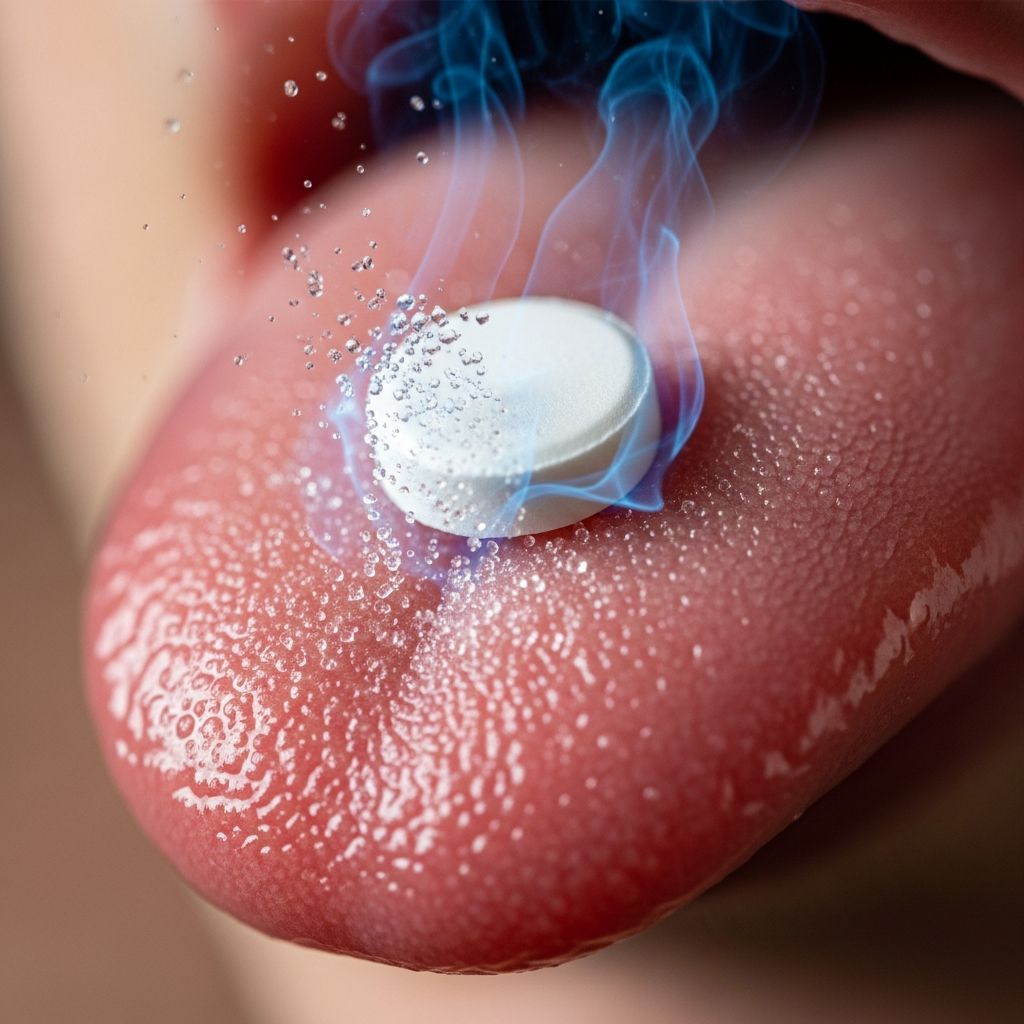
Many prescription and over-the-counter drugs can significantly alter how food and drinks taste, leading to issues like metallic flavors, bitterness, or complete loss of taste sensation. These changes, known as dysgeusia, affect daily life by reducing appetite and nutrition intake.
Why Do Medications Affect Taste?
Taste disturbances from drugs stem from multiple biological pathways. Some medications directly irritate taste buds or introduce bitter compounds into saliva. Others interfere with nerve signals from taste receptors to the brain or alter saliva composition, which is crucial for dissolving flavors.
Research shows hundreds of drugs trigger these effects, often worsening with polypharmacy—taking multiple medications simultaneously. Older adults on several prescriptions experience the most severe losses in taste and smell detection. Mechanisms include disruption of transduction pathways, enzyme inhibition, and changes to taste bud cell turnover.
Common Drug Categories Impacting Taste
Numerous medication classes are linked to taste alterations. Below is a breakdown of key groups with examples and typical effects.
| Drug Class | Examples | Common Taste Effects | Prevalence/Notes |
|---|---|---|---|
| ACE Inhibitors | Enalapril, Lisinopril | Metallic or diminished taste | Frequent in hypertension treatment |
| Calcium Channel Blockers | Amlodipine, Nifedipine, Diltiazem | Altered sweet/salty, metallic | Up to 9% for nifedipine |
| ARBs & Beta-Blockers | Losartan, Propranolol, Metoprolol | Loss or bitter taste | Common in cardiovascular drugs |
| Antibiotics | Clarithromycin, Metronidazole, Cephalexin | Metallic, decreased taste | 12% for metronidazole; zinc chelation |
| Antidepressants | Amitriptyline, Sertraline, Venlafaxine | Distorted flavors, dry mouth | 10%+ incidence via anticholinergic effects |
| Antineoplastics | Cisplatin, Doxorubicin | Complete taste loss | High due to taste bud cell death |
| Others (e.g., GLP-1 agonists) | Semaglutide-like drugs | Intensified bitterness | Alters palate preferences |
This table highlights patterns; individual responses vary based on dosage, duration, and genetics.
Mechanisms Behind Drug-Induced Taste Issues
Drugs influence taste at cellular and molecular levels. For instance, certain antibiotics like fluoroquinolones chelate zinc, a mineral vital for taste receptor proteins like gustin. Zinc deficiency impairs receptor integrity, leading to hypogeusia (reduced taste).
Anticholinergic drugs reduce saliva flow, concentrating flavors unnaturally or causing dryness that dulls sensation. Chemotherapy agents kill rapidly dividing taste bud cells, resulting in ageusia (no taste) during treatment.
Some effects are perceptual: beta-blockers and antidepressants modulate neurotransmitters, skewing sweet or bitter thresholds. Drug-food interactions exacerbate this; for example, combining ACE inhibitors with high-potassium foods can amplify metallic notes.
Recognizing Symptoms of Taste Disturbance
- Phantom tastes: Persistent metallic, bitter, or sour flavors without eating.
- Flavor fading: Foods taste bland or less intense across sweet, salty, sour, or umami profiles.
- Heightened sensitivity: Exaggerated bitterness in coffee or vegetables.
- Smell interplay: Since 80% of taste relies on smell, drugs affecting olfaction compound issues.
Symptoms often appear within days of starting a drug but can persist post-discontinuation in 10-20% of cases.
Health Impacts of Altered Taste
Taste changes reduce food enjoyment, leading to weight loss, malnutrition, and medication non-compliance. Cancer patients on chemotherapeutics face heightened risks, as taste loss discourages calorie-dense intake needed for recovery.
Related Stories



In older adults, polypharmacy correlates with accelerated sensory decline, increasing dehydration and fall risks from unbalanced diets. Cardiovascular patients on multiple antihypertensives report higher depression rates tied to eating aversion.
Strategies to Manage and Mitigate Taste Changes
While no universal cure exists, targeted approaches help.
Dietary Adjustments
- Use plastic utensils to minimize metallic tastes from metal ones.
- Opt for cold foods, as heat intensifies off-flavors.
- Incorporate strong herbs, spices, or citrus to override blandness.
- Experiment with textures: crunchy or fizzy items stimulate senses.
Medical Interventions
Consult providers about switching drugs—e.g., from lisinopril to an ARB with fewer taste effects. Zinc supplements (under supervision) aid recovery if deficiency is confirmed, as seen in antibiotic users. Alpha-lipoic acid shows promise in trials for neuropathy-related dysgeusia.
Lifestyle Tips
- Maintain oral hygiene to prevent infections mimicking taste loss.
- Stay hydrated; rinse mouth with baking soda solution post-meals.
- Track symptoms in a journal to identify triggers.
For severe cases, simulated flavor enhancers or counseling improve compliance.
Special Considerations for High-Risk Groups
Cancer Patients: Taste recovery takes 3-12 months post-chemo; marinating meats or using miracle fruit (Synsepalum dulcificum) can mask bitterness.
Elderly: Review medications annually; prioritize single-drug regimens when possible.
Diabetics on GLP-1s: Shift to milder proteins; bitterness aversion may aid weight loss but requires monitoring.
FAQs
Will taste return after stopping the medication?
Typically yes, within weeks, but persistent cases may need evaluation for underlying issues.
Can over-the-counter drugs cause this?
Yes, including antihistamines and pain relievers like acetaminophen.
How to discuss with my doctor?
Mention specific flavor changes and diet impacts; request alternatives.
Are there tests for taste loss?
Clinicians use filter paper strips or electrogustometry; blood tests check zinc levels.
Does smoking worsen drug-related taste issues?
Yes, it damages receptors synergistically.
When to Seek Professional Help
Consult a doctor if taste loss lasts >2 weeks, accompanies weight loss, or follows head injury. ENT specialists or neurologists handle complex cases. Rule out non-drug causes like infections, nutritional deficits, or neurological disorders.
Preventive steps include baseline taste assessments before starting high-risk drugs.
References
- 24 Medications That Can Cause Loss of Taste — BuzzRx. 2023. https://www.buzzrx.com/blog/24-medications-that-can-cause-loss-of-taste
- Influence of medications on taste and smell — PubMed (World J Otorhinolaryngol Head Neck Surg). 2018-07. https://pubmed.ncbi.nlm.nih.gov/30035266/
- Drug-Induced Taste Disturbances — ProCare HospiceCare. 2010-06. https://phc.procarerx.com/docs/newsletters/ondemand/062010.pdf
- Drug-induced disturbances of smell and taste — MedLink Neurology. 2023. https://www.medlink.com/articles/drug-induced-disturbances-of-smell-and-taste
- Dysgeusia (Altered Taste): Causes & Treatment — Cleveland Clinic. 2023. https://my.clevelandclinic.org/health/diseases/22047-dysgeusia
- How GLP-1 Medications are Rewiring Taste Palates — IFF. 2024. https://www.iff.com/media/stories/how-glp-1-medications-are-rewiring-taste-palates-and-what-it-means-for-fb-innovation/
Similar Articles








Read full bio of medha deb