Medications That Cause Dry Eye: A Complete Guide
Discover which medications trigger dry eye symptoms and how to manage them effectively.
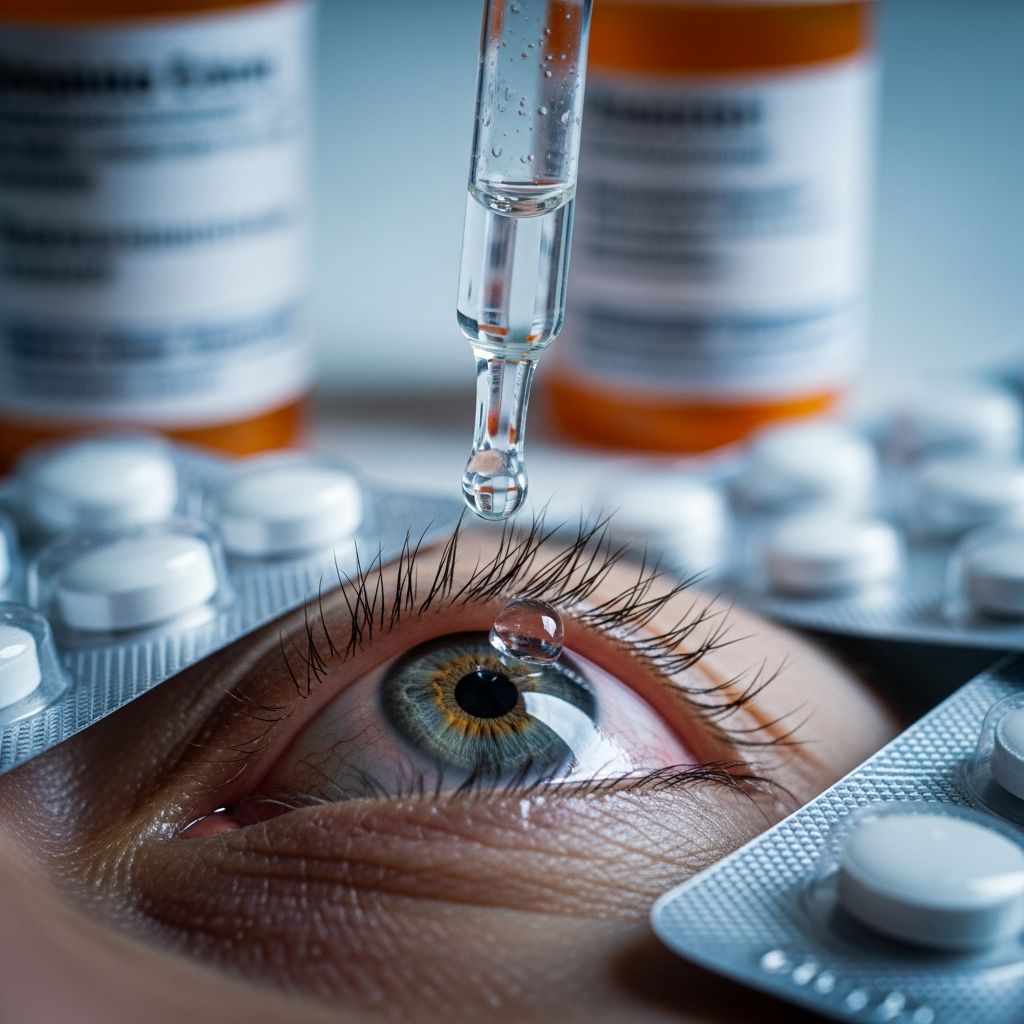
How Medications Impact Your Eyes and Tear Production
Many people experience dry eye symptoms without realizing that their medications may be the underlying cause. Medications can affect your eyes in multiple ways, disrupting the delicate balance of tear production and composition. Understanding how drugs influence your eye health is essential for managing symptoms effectively and maintaining comfort throughout your day.
When medications interfere with tear production, they typically work through one of several mechanisms. Some drugs directly decrease the amount of tears your eyes produce by affecting the glands responsible for tear generation. Others increase inflammation around your eyes and tear glands, disrupting normal tear production and intensifying existing dry eye symptoms. Additionally, certain medications cause systemic dehydration, which can dry the eye surface and worsen discomfort in dry environments.
Understanding Dry Eye Symptoms
Recognizing the signs of medication-induced dry eye is crucial for early intervention and proper management. Common symptoms include a dryness, burning, or stinging sensation in the eyes, along with blurry or fluctuating vision that may worsen throughout the day. You may also notice redness and irritation, particularly around the eyelids and conjunctiva.
Other indicators include light sensitivity and a paradoxical sensation of watery eyes that still feel dry that occurs when irritated eyes produce excess tears as a reflex response. Symptoms that develop after starting a new medication, increasing the dose, or switching to a different brand are strong indicators that medication may be responsible. If you notice your dry eye worsens during allergy season when you use more antihistamines, this pattern suggests a medication connection.
Common Medications That Cause Dry Eye
Allergy Medications
Allergy medications are among the most common culprits behind medication-induced dry eye. These drugs work by drying up excess moisture to relieve sneezing and runny noses, but this mechanism unfortunately affects tears as well. Both prescription and over-the-counter options can trigger dry eye symptoms.
- Oral antihistamines such as Benadryl and Claritin reduce tear production by blocking histamine receptors throughout the body
- Decongestants like Sudafed constrict blood vessels and reduce moisture in nasal passages and eyes
- Antihistamine nasal sprays provide localized relief but can still affect tear quality
- Cold medications with multiple ingredients often combine antihistamines and decongestants, compounding dry eye effects
Blood Pressure and Cardiovascular Medications
Many medications used to treat hypertension can significantly reduce tear production. Beta-blockers and diuretics show stronger associations with dry eye, while effects from ACE inhibitors and calcium channel blockers vary more by individual.
- Beta-blockers like metoprolol and propranolol reduce tear production as they lower blood pressure and heartbeat
- ACE inhibitors such as lisinopril may have less consistent effects on tear production
- Diuretics remove excess fluid from your body, potentially contributing to systemic dehydration
- Calcium channel blockers show variable effects depending on individual sensitivity
Mental Health and Neurological Medications
Medications that affect the nervous system often interfere with the nerve signals that control tear production. Many patients notice dry eyes when starting or changing these medications, and it is important to address symptoms while maintaining mental health treatment.
Related Stories



- SSRIs like Prozac and Zoloft block serotonin reuptake but may also affect tear gland innervation
- Tricyclic antidepressants work through multiple neurotransmitter systems and commonly cause dry eye
- Anti-anxiety medications and benzodiazepines reduce nervous system activity, affecting tear reflexes
- Sleep aids and sedatives interfere with normal tear production during sleep and waking hours
- Parkinson’s disease medications block dopamine and acetylcholine signaling, reducing tear secretion
Hormonal Medications and Acne Treatments
Hormones play a major role in tear production, especially in women. Changes in hormone levels from medications can significantly impact eye moisture and tear quality. Acne treatments containing high-dose vitamin A derivatives have particularly strong effects on tear film composition.
- Isotretinoin for severe acne thins the lipid layer of tears by reducing oil production
- Topical retinoids used near the eyelids can affect the meibomian glands that produce tear oils
- High-dose vitamin A derivatives reduce tear film stability and increase evaporation
- Some anti-androgen acne treatments alter hormone levels affecting tear composition
- Estrogen-only hormone pills and certain birth control formulations affect tear aqueous layer production
Other Medications Associated with Dry Eye
Beyond the major categories, several other medication types contribute to dry eye symptoms through various mechanisms including anticholinergic effects, preservative content, and systemic dehydration.
- Certain pain medications including some opioids reduce tear production through central nervous system effects
- Anti-nausea and motion sickness drugs block signals involved in tear production
- Glaucoma eye drops with preservatives can damage the ocular surface over time
- Overactive bladder medicines possess anticholinergic properties that reduce all secretions including tears
- Inhaled medications for asthma or breathing problems may affect tear film through systemic effects
How Medications Affect Tear Production and Quality
Understanding the mechanisms by which medications cause dry eye helps explain why symptoms develop and how they might be managed. Medications can disrupt tear production through several distinct pathways.
Some drugs directly suppress the lacrimal glands’ ability to produce tears by affecting neurotransmitter signals essential for tear secretion. Others increase inflammation around the tear glands and ocular surface, creating a cycle where dry eyes become more irritated and produce even fewer quality tears. Medications with anticholinergic properties block acetylcholine receptors involved in tear gland stimulation.
Systemic effects also play a role also play a role—medications that cause dehydration reduce the aqueous component of tears, making them less effective at lubricating the eye surface. Some medications alter tear composition by affecting the lipid layer or mucin layer, making tears evaporate more quickly despite normal tear volume. This is particularly problematic with acne medications containing vitamin A derivatives.
Topical Eye Drops and Preservatives
Paradoxically, eye drop medications themselves can cause dry eye symptoms, particularly those containing preservatives. Long-term use of topical ocular medications, especially those containing preservatives such as benzalkonium chloride (BAK), may play an important role in dry eye disease development.
Among the top-selling eye drop medications, several are associated with dry eye including latanoprost, cyclosporine, bimatoprost, moxifloxacin, travoprost, brimonidine, and olopatadine. Research shows that dry eye incidence increases significantly with frequency of preservative-containing eye drop use—40% of patients using 2-3 drops daily experienced dry eye compared to 11% using drops once daily and 5% using no drops.
Risk Factors and Individual Sensitivity
Not everyone who takes medications that can cause dry eye will develop symptoms. Several factors influence your individual risk, including dosage, duration of use, and personal sensitivity to specific drugs. Older women show the highest risk for medication-induced dry eye in large-scale studies.
Polypharmacy—taking multiple medications simultaneously—significantly amplifies dry eye risk. The effects of different medications are additive, meaning each additional drug compounds the impact on tear production. Patients taking multiple medications from the high-risk categories mentioned above should be especially vigilant about monitoring eye symptoms.
Managing Medication-Related Dry Eye
If you suspect that your medications are causing dry eye, several strategies can help reduce symptoms while maintaining necessary medical treatment.
- Maintain hydration: Staying well-hydrated supports tear production, particularly important for medications with dehydrating effects
- Use a humidifier: Adding moisture to the air reduces evaporative dry eye, especially in dry climates or heated indoor environments
- Artificial tears: Over-the-counter lubricating drops provide temporary relief, though they do not address underlying medication effects
- Preservative-free alternatives: Request preservative-free formulations of eye drop medications to minimize ocular surface damage
- Dose adjustments: Work with your healthcare provider to explore whether lower doses of problematic medications might reduce dry eye while maintaining therapeutic benefit
- Medication timing: Taking medications at times when dry eye symptoms are less bothersome may improve tolerability
- Eye care practices: Ensure adequate blinking and take regular screen breaks to reduce tear evaporation
When to Consult Your Eye Doctor
If you develop dry eye symptoms after starting a new medication, contact your eye care provider. They can perform diagnostic tests to assess tear production and quality, confirm medication-related dry eye, and recommend appropriate management. Do not discontinue prescribed medications without medical guidance, as your eye doctor can work with your primary care physician to find solutions that address both your systemic condition and eye health.
Frequently Asked Questions
Q: What are the most common medications that cause dry eye?
A: The most common culprits include antihistamines, decongestants, antidepressants (especially SSRIs), beta-blockers and diuretics for blood pressure management, acne treatments like isotretinoin, and hormone therapies. Not everyone taking these medications will develop dry eye, as risk varies with dosage, duration, and individual sensitivity.
Q: Can over-the-counter medications cause dry eye?
A: Yes, many over-the-counter medications can cause or worsen dry eye symptoms. Common examples include antihistamines like Benadryl or Claritin, decongestants like Sudafed, pain relievers, sedative sleep aids, and multipurpose cold medications. Always inform your eye doctor about everything you take, including over-the-counter products.
Q: What should I do if my medication is causing dry eye?
A: First, consult your eye doctor to confirm the diagnosis. Then discuss with your prescribing physician whether alternative medications, dose adjustments, or timing changes might help. Do not stop prescribed medications without medical guidance. Your doctors can work together to find solutions that address both your underlying condition and eye health.
Q: Can switching eye drop brands affect dry eye symptoms?
A: Yes, switching medications or brands can trigger dry eye because your eyes may react differently to new formulations or active ingredients. If you notice dry eye symptoms starting after a medication change, inform your doctor immediately, as this is a strong indicator of medication-related dry eye.
Q: Are preservative-free eye drops better for dry eye?
A: Yes, preservative-free eye drop formulations are recommended for long-term use and for patients with existing dry eye. Preservatives like benzalkonium chloride can damage the ocular surface and worsen dry eye over time. Request preservative-free alternatives from your eye care provider.
Q: How can I track whether my medication is causing dry eye?
A: Keep a simple symptom diary noting when symptoms occur, their severity, which medications you took that day, and any environmental factors. This helps identify patterns and confirms whether symptoms correlate with specific medications or dose changes.
References
- Understanding the Impact of Medications on Dry Eye —Refocus Eye Doctors, Manchester. Accessed January 2026. https://manchester.refocuseyedoctors.com/article/how-can-medications-impact-my-risk-for-glaucoma/
- The Role of Medications in Causing Dry Eye —PubMed Central (PMC3459228). National Center for Biotechnology Information. https://pmc.ncbi.nlm.nih.gov/articles/PMC3459228/
- Medications that Can Cause Dry Eyes —Suburban Eye Care, Livonia. https://www.suburbaneyecare.com/services/dry-eyes/medications-that-can-cause-dry-eyes/
- How Medications Affect Your Eyes —Dr. Greg Cox. https://drgregcox.com/article/dry-eye-from-medications-health-conditions/
- Medications That Can Cause Dry Eye —Paterson Eye Doctor, Dr. Alden Leifer. https://patersoneyedoctor.com/article/medications-that-can-cause-dry-eye/
Similar Articles








Read full bio of medha deb