Medications For Nerve Pain Relief: Your Proven Treatment Guide
Comprehensive guide to drugs and treatments that relieve nerve pain effectively.

Medications for Nerve Pain Relief: A Comprehensive Guide
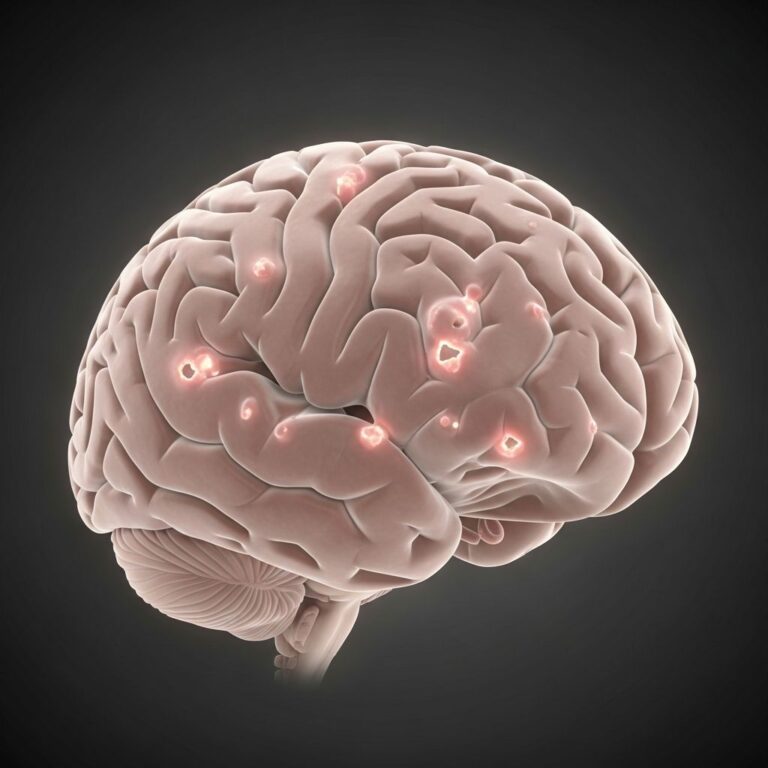
Nerve pain, medically known as neuropathic pain, affects millions of people worldwide and can significantly impact quality of life. Unlike other types of pain that stem from tissue damage or inflammation, nerve pain occurs when the nervous system itself is damaged or malfunctioning. This distinctive characteristic means that standard pain relievers are often ineffective, requiring specialized medications designed to target the underlying nerve dysfunction. Understanding the various pharmaceutical options available can help patients and healthcare providers develop more effective pain management strategies.
Understanding Neuropathic Pain
Neuropathic pain results from injury or disease affecting the somatosensory nervous system, which includes peripheral nerves and the central nervous system. This type of pain manifests as burning sensations, tingling, numbness, or shooting pain, often in the hands and feet. Common causes include diabetes, shingles, spinal cord injuries, and chemotherapy side effects. Because neuropathic pain involves nerve signaling abnormalities rather than tissue damage, it requires different treatment approaches than acute or inflammatory pain.
First-Line Medications for Nerve Pain
Anticonvulsant Medications
Anticonvulsants, also known as antiepileptic drugs, have become a cornerstone treatment for neuropathic pain management. These medications work by stabilizing electrical activity in damaged nerves, preventing the spontaneous nerve firing that characterizes neuropathic pain. When peripheral nerves are damaged, they can send erratic electrical signals to the brain, causing pain sensations. Anticonvulsants dampen these aberrant signals, providing relief for many patients.
Gabapentin stands as one of the most commonly prescribed anticonvulsants for nerve pain. It increases the production of a neurotransmitter called GABA, which calms nerve activity. Gabapentin is particularly effective for post-herpetic neuralgia (pain following shingles) and diabetic peripheral neuropathy. Typical dosing begins low and gradually increases as tolerance develops.
Pregabalin, another widely used anticonvulsant, functions similarly to gabapentin but may provide faster symptom relief for some patients. It is FDA-approved for diabetic neuropathy, post-herpetic neuralgia, and fibromyalgia. Both medications require dose adjustments for patients with kidney disease.
Common side effects of anticonvulsants include dizziness, drowsiness, and coordination problems. These typically diminish with continued use as the body adjusts. Patients should avoid driving or operating machinery until they understand how these medications affect them.
Antidepressant Medications
Antidepressants represent another essential category of nerve pain treatments, though their mechanism differs from anticonvulsants. These medications increase the availability of neurotransmitters like serotonin and norepinephrine, which activate the body’s natural pain-relief systems. Antidepressants are frequently prescribed as a first-line treatment for certain neuropathic conditions, particularly shingles-related pain.
Tricyclic antidepressants such as amitriptyline and nortriptyline are particularly effective for neuropathic pain, often at doses lower than those used for depression treatment. These medications have been extensively studied and demonstrate strong efficacy for post-herpetic neuralgia and diabetic neuropathy.
Serotonin-norepinephrine reuptake inhibitors (SNRIs) like venlafaxine and duloxetine offer alternatives with potentially fewer side effects than tricyclic antidepressants. Duloxetine is specifically FDA-approved for diabetic peripheral neuropathic pain and has shown effectiveness in clinical trials.
Potential side effects of antidepressants include dry mouth, dizziness, drowsiness, and in some cases, abnormal heart rhythms or urinary retention. These effects often improve over time or with dose adjustments. It is crucial to note that antidepressants require several weeks to demonstrate pain-relieving effects, necessitating patient patience and compliance.
Related Stories



Topical Treatments for Localized Nerve Pain
Topical medications offer an excellent option for patients with localized nerve pain affecting specific areas of the body. These treatments deliver medication directly to the affected area, minimizing systemic side effects.
Lidocaine
Lidocaine patches and creams provide local anesthetic effects by blocking pain signal transmission at the application site. The FDA-approved lidocaine 5% patch is particularly useful for post-herpetic neuralgia affecting small areas. Patients typically apply patches for 12 hours daily, rotating application sites to avoid skin irritation. The localized delivery system makes lidocaine an attractive option for patients unable to tolerate systemic medications.
Capsaicin
Capsaicin, the compound that makes chili peppers hot, depletes substance P, a neurotransmitter involved in pain transmission. Available as creams, patches, and concentrated treatments, capsaicin creates an initial burning sensation that gradually reduces nerve pain. High-concentration capsaicin patches administered by healthcare providers may offer prolonged relief, sometimes lasting several months.
Combination Therapy Approaches
Many patients benefit from combining medications targeting different pain pathways. A patient might use an anticonvulsant as their primary medication while adding a low-dose antidepressant to enhance pain relief. Topical treatments can supplement systemic medications, providing additional relief without increasing systemic drug exposure. Healthcare providers develop individualized combination strategies based on each patient’s specific pain characteristics, underlying conditions, and tolerance profile.
Specialized Nerve Pain Medications
Tramadol
Tramadol combines opioid and non-opioid mechanisms of action, making it useful for moderate to moderately severe neuropathic pain. It works through both opioid receptors and neurotransmitter reuptake inhibition. While tramadol carries lower addiction risk than stronger opioids, it still requires careful monitoring and is not suitable for all patients.
Other Medications
Alpha-lipoic acid, a naturally occurring antioxidant, has demonstrated effectiveness for diabetic neuropathy in some studies. Certain steroids and local anesthetics can be injected near affected nerves to provide temporary relief. Muscle relaxants may help patients experiencing muscle tension secondary to nerve pain.
Managing Side Effects and Optimizing Treatment
Effective nerve pain management requires balancing therapeutic benefits against potential side effects. Starting medications at low doses and gradually increasing them allows the body to adjust while minimizing adverse effects. Regular follow-up appointments with healthcare providers enable dose optimization and medication adjustments based on treatment response.
Some patients experience improvement within days, while others require weeks to notice benefits. Patience and consistent medication use prove essential for optimal outcomes. Keeping detailed pain journals helps identify patterns and guides treatment modifications.
Complementary Approaches to Medication
While medications form the foundation of neuropathic pain treatment, complementary strategies enhance their effectiveness. Physical therapy strengthens muscles and improves nerve function, particularly for nerve injuries. Relaxation techniques including diaphragmatic breathing and guided imagery reduce anxiety and muscle tension, lowering overall pain perception. Massage therapy promotes relaxation and may reduce pain and tension after surgery or injury. Transcutaneous electrical nerve stimulation (TENS) devices apply gentle electrical currents to disrupt pain signals from nerves, offering temporary relief for persistent pain in the back, neck, or shoulder.
When to Seek Medical Attention
Patients should contact their healthcare provider if nerve pain persists despite medication use, if side effects become intolerable, or if new symptoms develop. Sudden changes in pain intensity or pattern warrant prompt medical evaluation to rule out new underlying conditions. Healthcare providers may need to adjust medications, try different treatment combinations, or investigate additional causes of symptoms.
Frequently Asked Questions
Q: How long does it take for nerve pain medications to work?
A: Response times vary significantly among patients. Topical treatments may provide relief within minutes to hours, while oral anticonvulsants and antidepressants typically require two to four weeks to demonstrate pain-relieving effects. Some patients experience gradual improvement over several weeks of consistent use.
Q: Can nerve pain medications be combined with other treatments?
A: Yes, combining medications with different mechanisms often enhances pain relief. Physical therapy, topical treatments, relaxation techniques, and other therapies complement pharmaceutical approaches. Always inform your healthcare provider about all treatments you are using to avoid dangerous interactions.
Q: Are there risks of becoming dependent on nerve pain medications?
A: Anticonvulsants and antidepressants carry minimal addiction risk. Tramadol and opioid medications require careful monitoring due to addiction potential, but when prescribed for legitimate medical purposes and used as directed, dependency risk remains relatively low. Discuss addiction concerns with your healthcare provider.
Q: What should I do if my current medication stops working?
A: Tolerance sometimes develops with continued medication use. Your healthcare provider may increase the dose, switch to an alternative medication, add a complementary medication, or explore non-pharmacological treatments. Never adjust medications independently without medical guidance.
Q: Are there natural alternatives to prescription nerve pain medications?
A: While some supplements like alpha-lipoic acid show promise for certain neuropathies, evidence remains limited compared to prescription medications. Physical therapy, massage, relaxation techniques, and TENS therapy offer drug-free pain management options that effectively complement medications.
Q: How does nerve pain differ from other types of pain?
A: Nerve pain results from nervous system dysfunction rather than tissue damage or inflammation. This fundamental difference explains why standard pain relievers prove ineffective, requiring specialized medications that target nerve signaling abnormalities rather than inflammatory pathways.
References
- Relieving Pain — Harvard Magazine. 2005-11. https://www.harvardmagazine.com/2005/11/relieving-pain-html
- The Drug Free Approach to Pain Management — Harvard Health Publishing. 2018. https://www.health.harvard.edu/
- Anticonvulsants for Neuropathic Pain — National Institutes of Health. 2024. https://www.nih.gov/
- Management of Neuropathic Pain — American Academy of Neurology. 2024. https://www.aan.com/
- Efficacy of Topical Lidocaine for Neuropathic Pain — FDA Medical Device Reports. 2024. https://www.fda.gov/
Similar Articles








Read full bio of Sneha Tete